Our pick
3 hours·English, Afrikaans
4.8(54)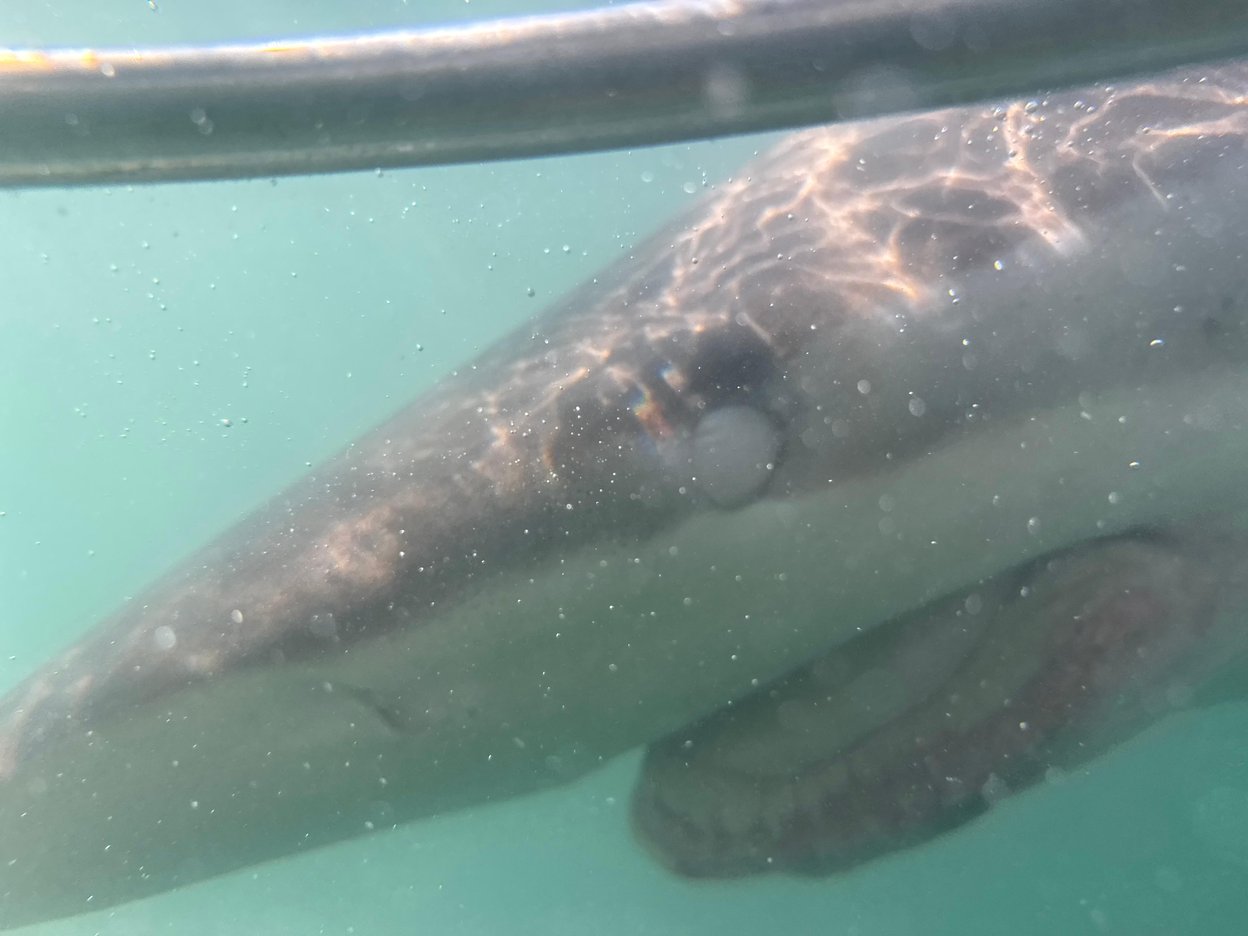
Cape Town: Shark Cage Dive
Free cancellationTea/coffee/biscuits/rusks on arrival.A passionate and knowledgeable crew
Book the closest shark dive without a cage you can legally do in Cape Town. Off Simon's Town, the surface cage keeps your head above water while bronze whalers pass close enough to touch, no diving experience needed.
Shark diving without a cage is not on offer anywhere in these waters: South African permit rules bar divers from leaving the cage around white sharks, and every trip sold here keeps you behind steel.
What you get instead is a face-to-face encounter at the surface, with nothing between you and the shark but a bar you can see straight through.
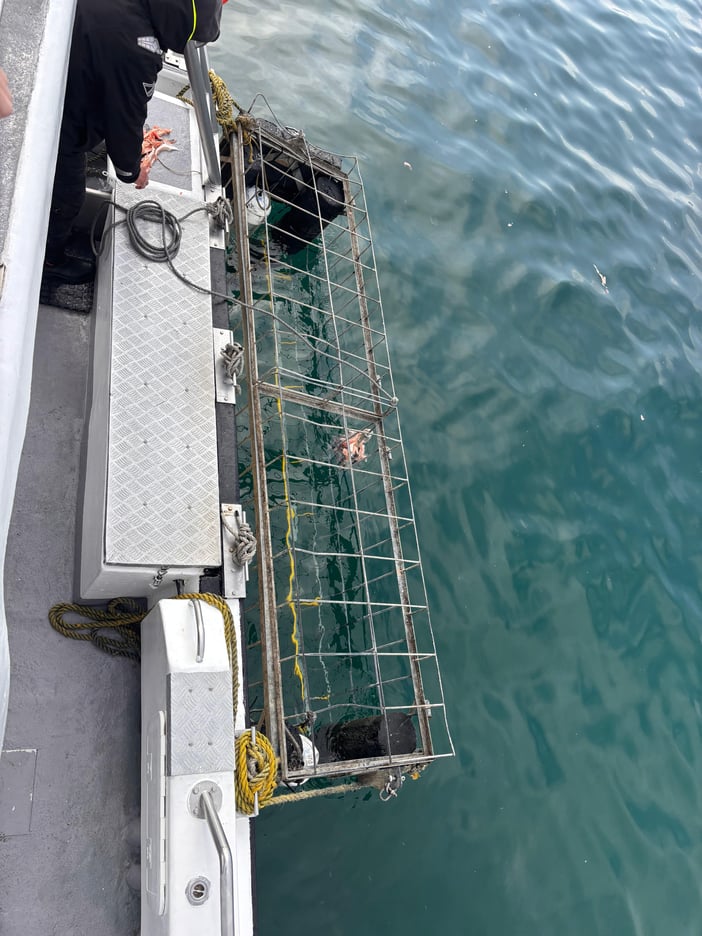
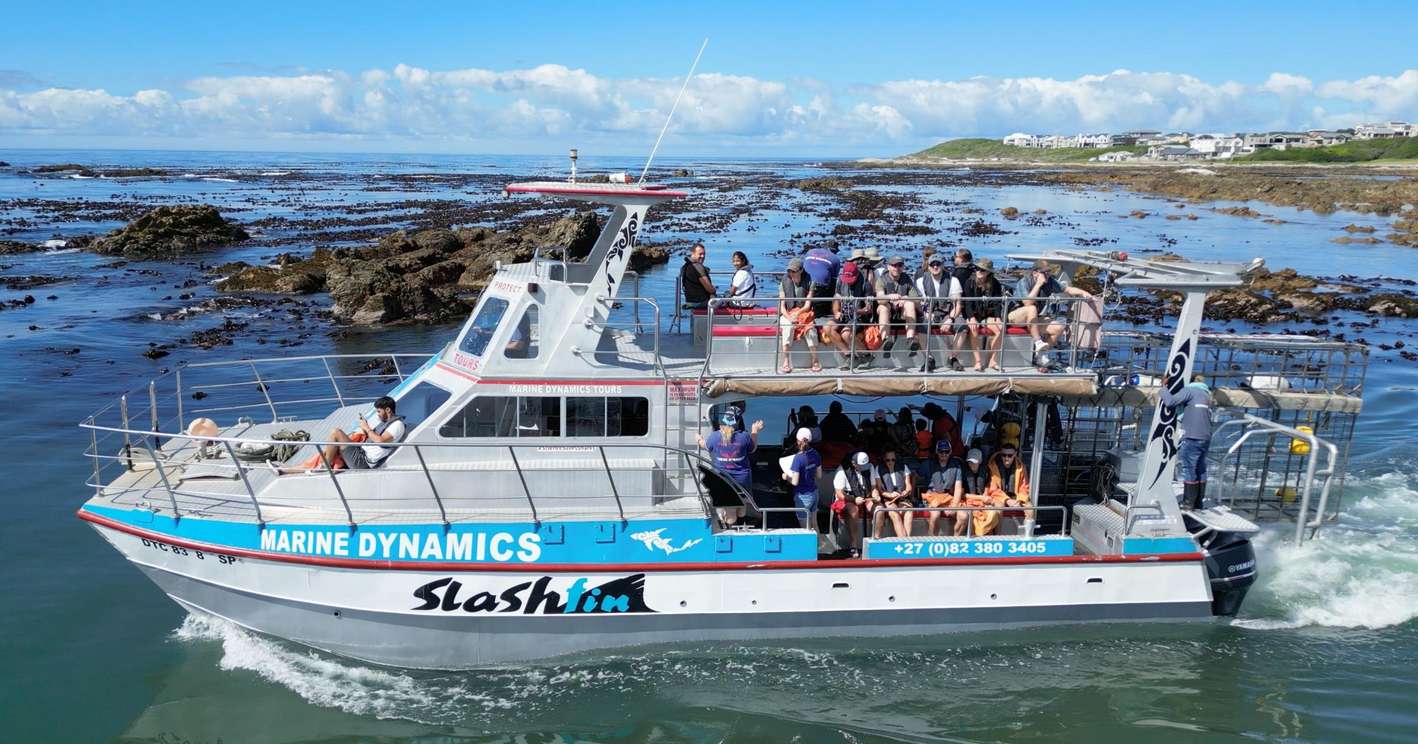
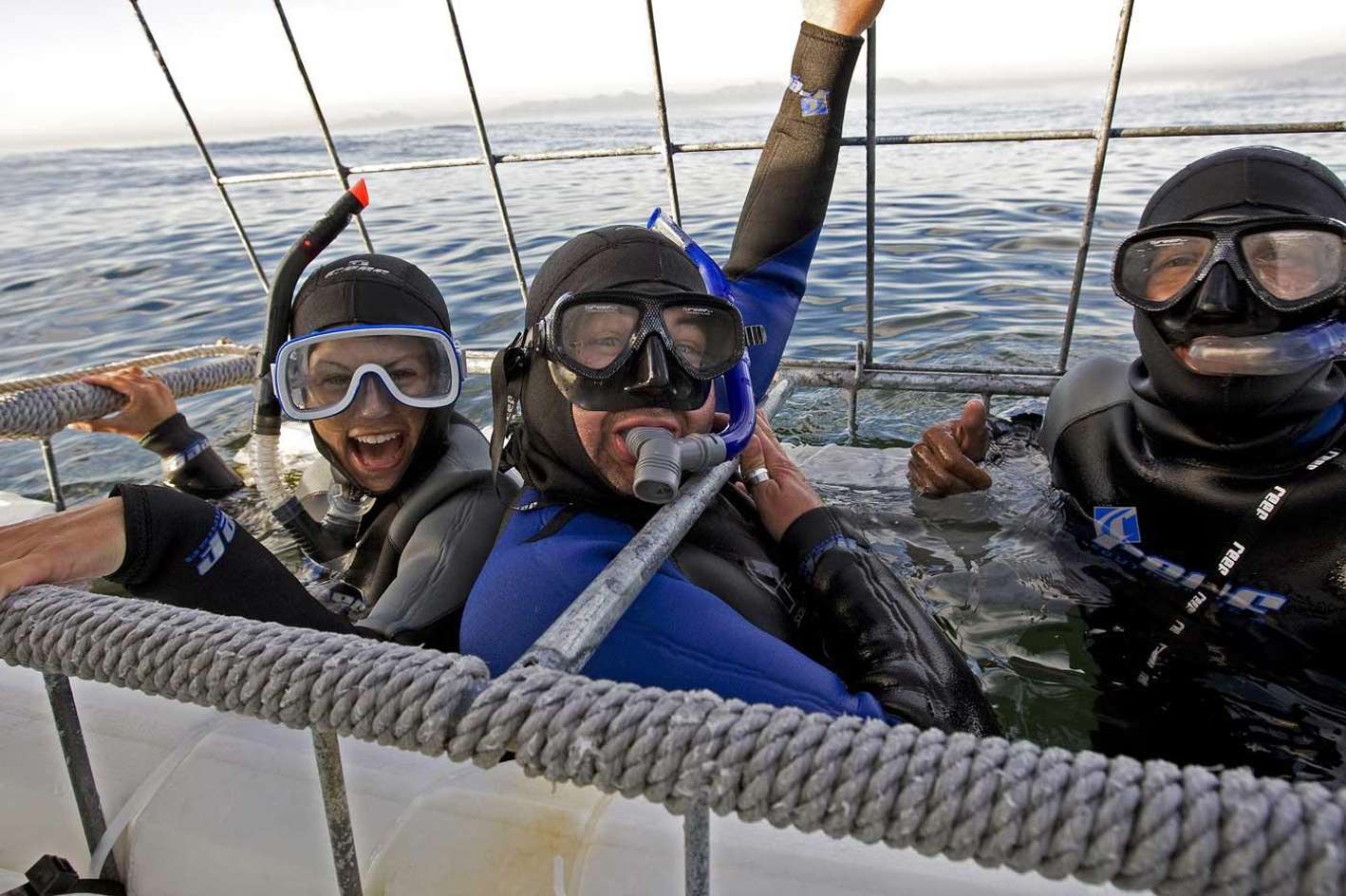
The closest match is the Cape Town: Shark Cage Dive from Simon's Town, 45 minutes from the city center. The cage sits fixed to the boat just above the waterline, your head and shoulders stay above the surface, and no diving experience is needed.
Cage-free shark scuba diving is not something the tours here sell, and South African permit rules forbid anyone from diving outside the cage with great white sharks. What we recommend instead is the Cape Town: Shark Cage Dive, a three-hour trip from Simon's Town into species-rich False Bay.
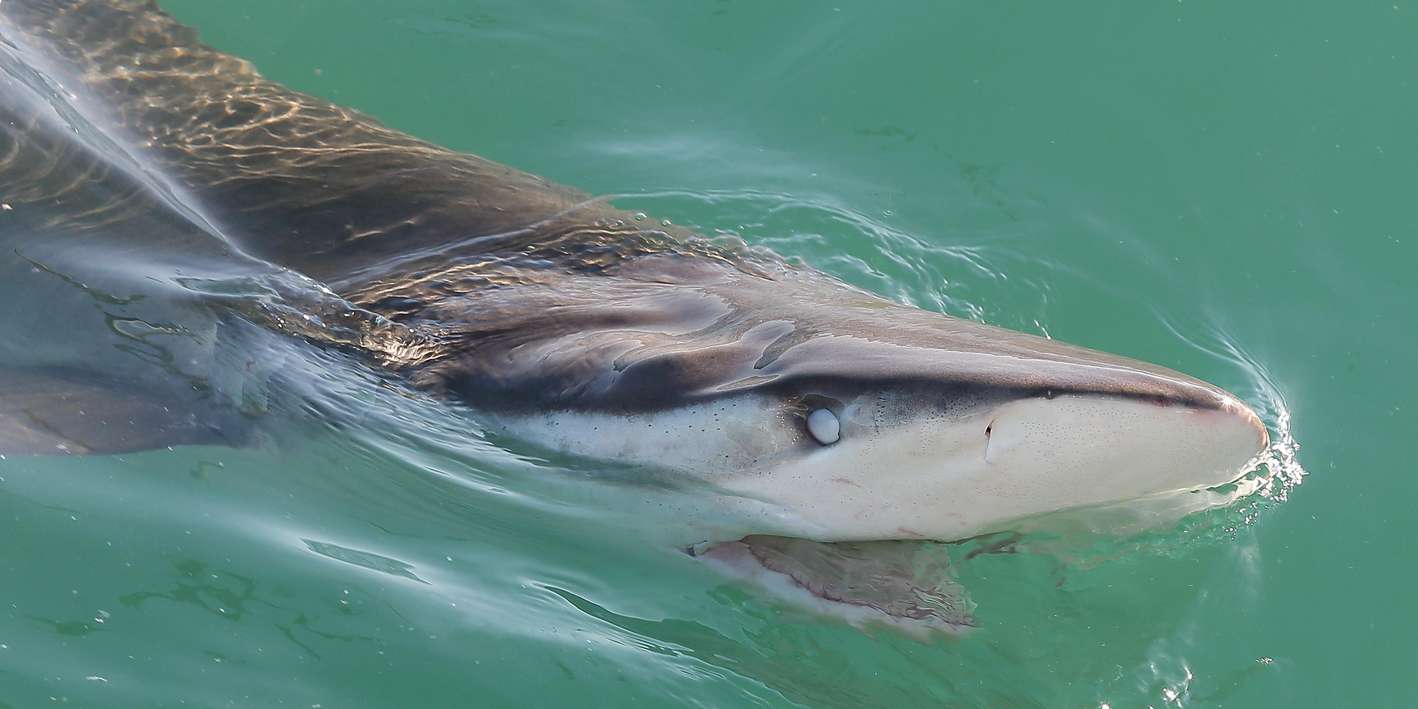
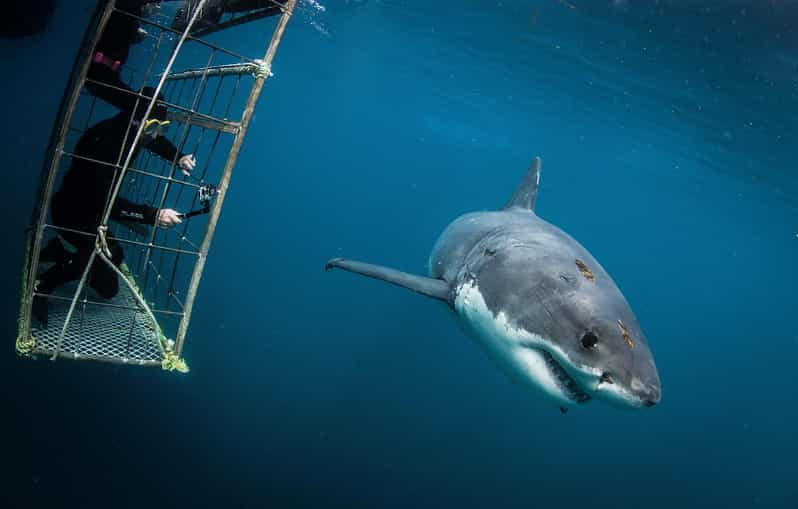
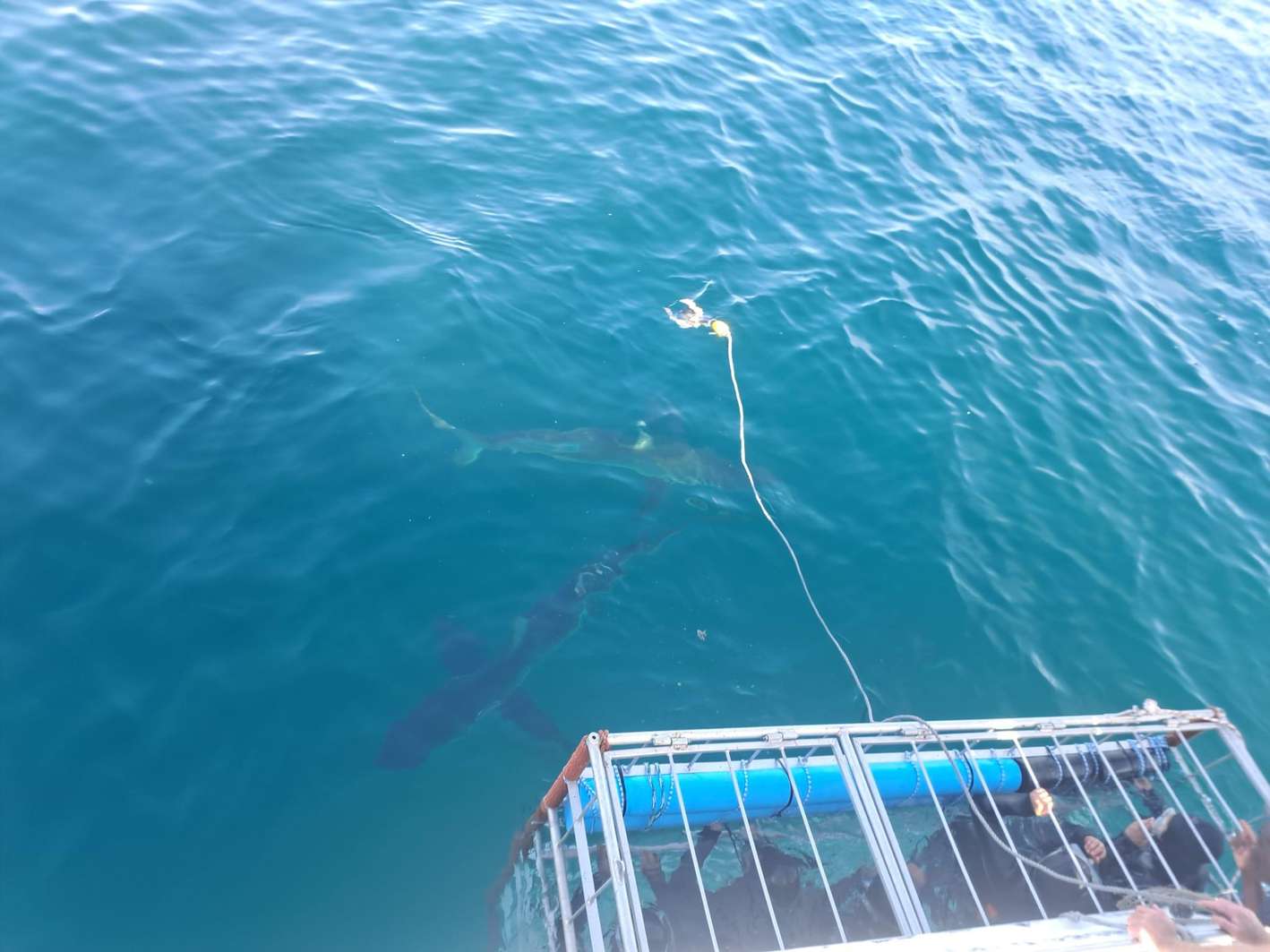
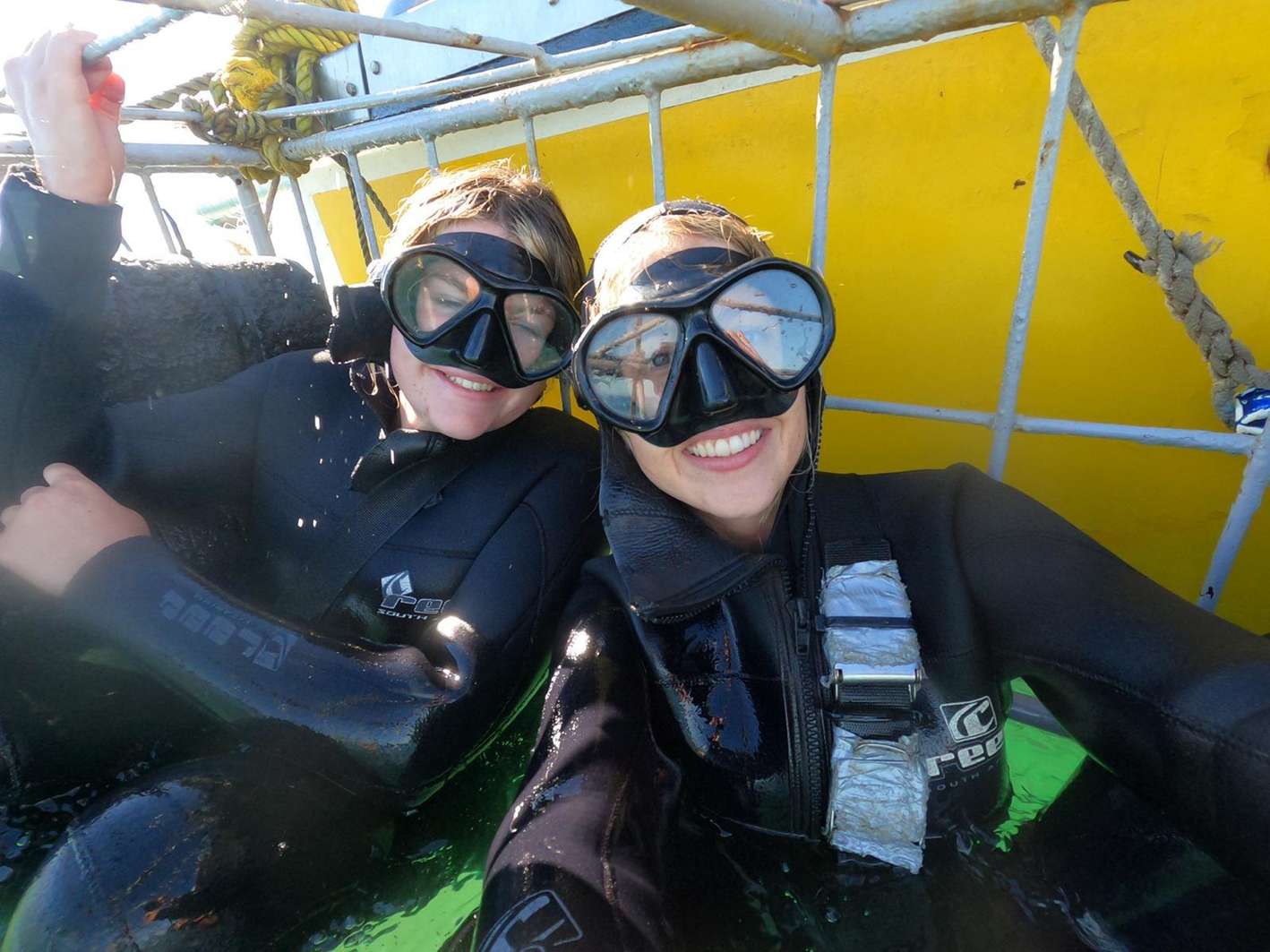
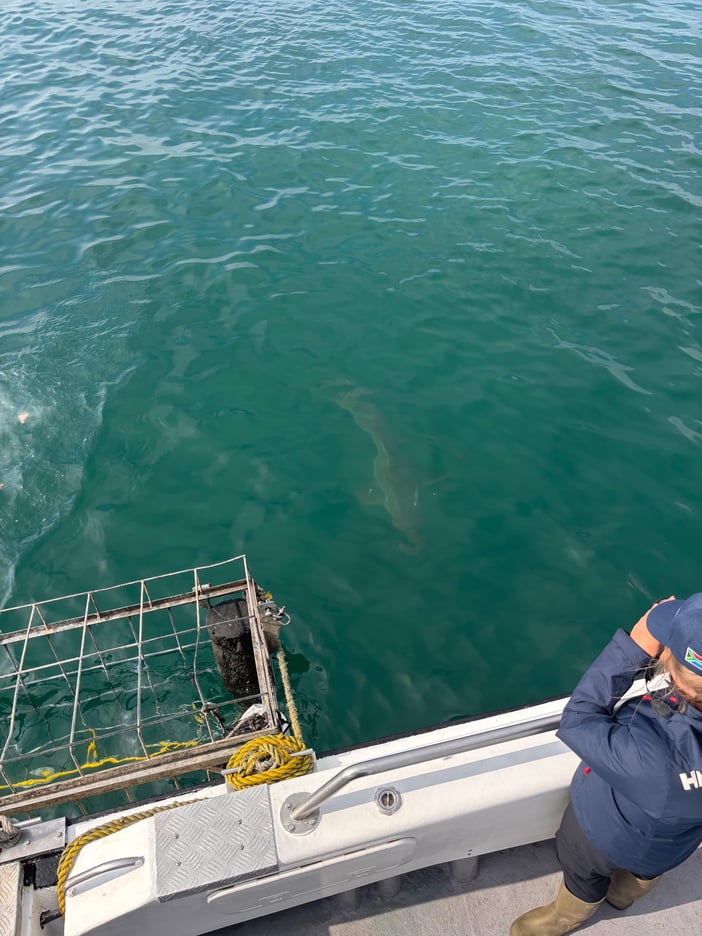
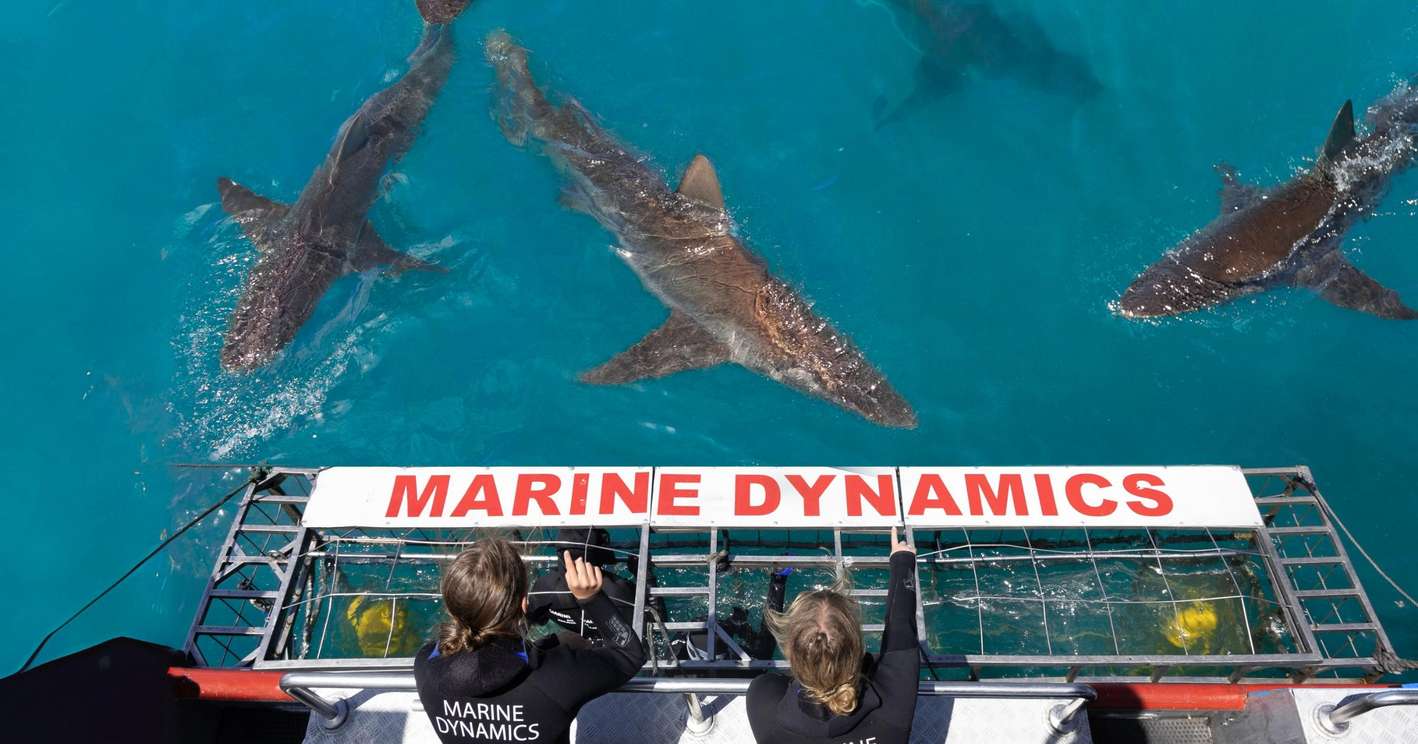
For what you are really after, it comes closer than you might think. The cage sits at the surface with your head and shoulders above the water, so you look straight down at sharks passing below.
Dive gear, a 5 mm wetsuit in every size, mask, snorkel and weight belt are all supplied, so all you bring is a swimsuit and towel.
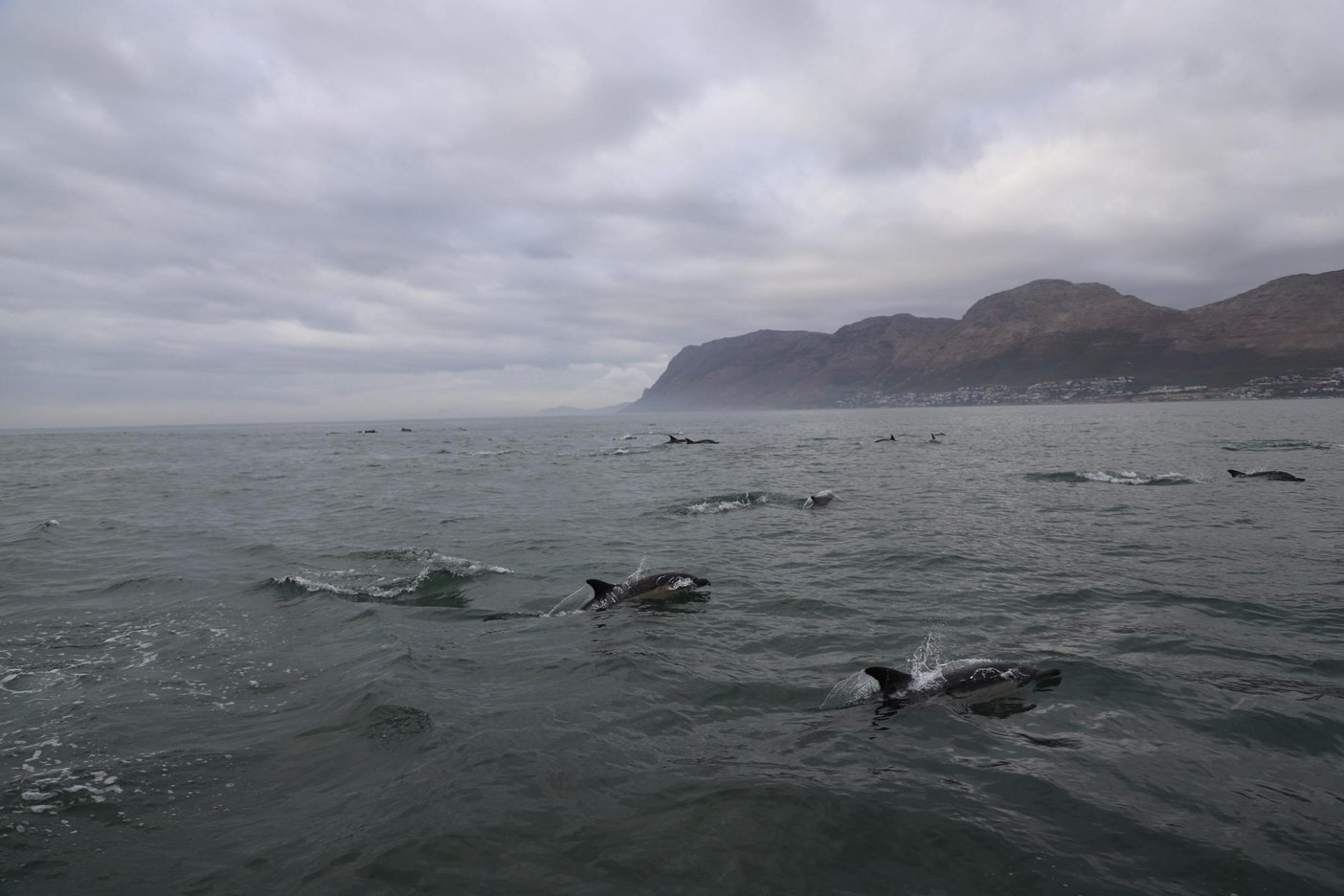
Tea, coffee and rusks greet you on arrival, and snacks, fruit and refreshments run through the trip. The crew talks you through the wildlife like a safari drive, with views of the 65,000-strong seal colony on Seal Island when conditions allow.
It suits certified divers and confident beginners who want a tight, affordable half-day with the biggest species False Bay still delivers, mostly bronze whaler and sevengill sharks. One thing worth knowing: time slots are confirmed only the day before, so book your earliest free day.
no scuba certification needed in any cage
Green marks the lowest price. Prices per person.

65 000 seals live on this island
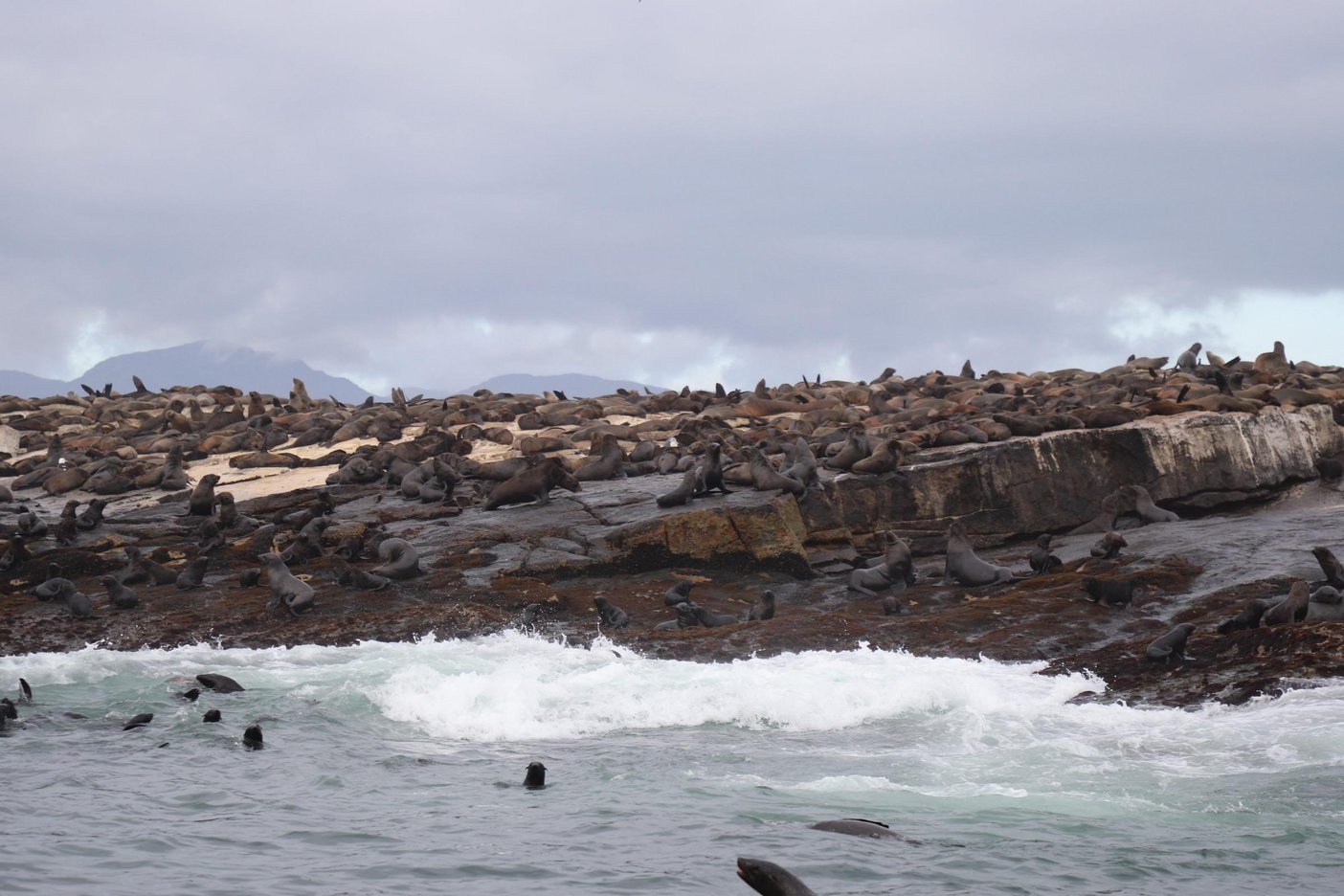
The seals come first. From Simon's Town the boat crosses False Bay to Seal Island, home to a Cape fur seal colony of about 65,000 animals, and it is this concentration of prey that draws the sharks into these waters.
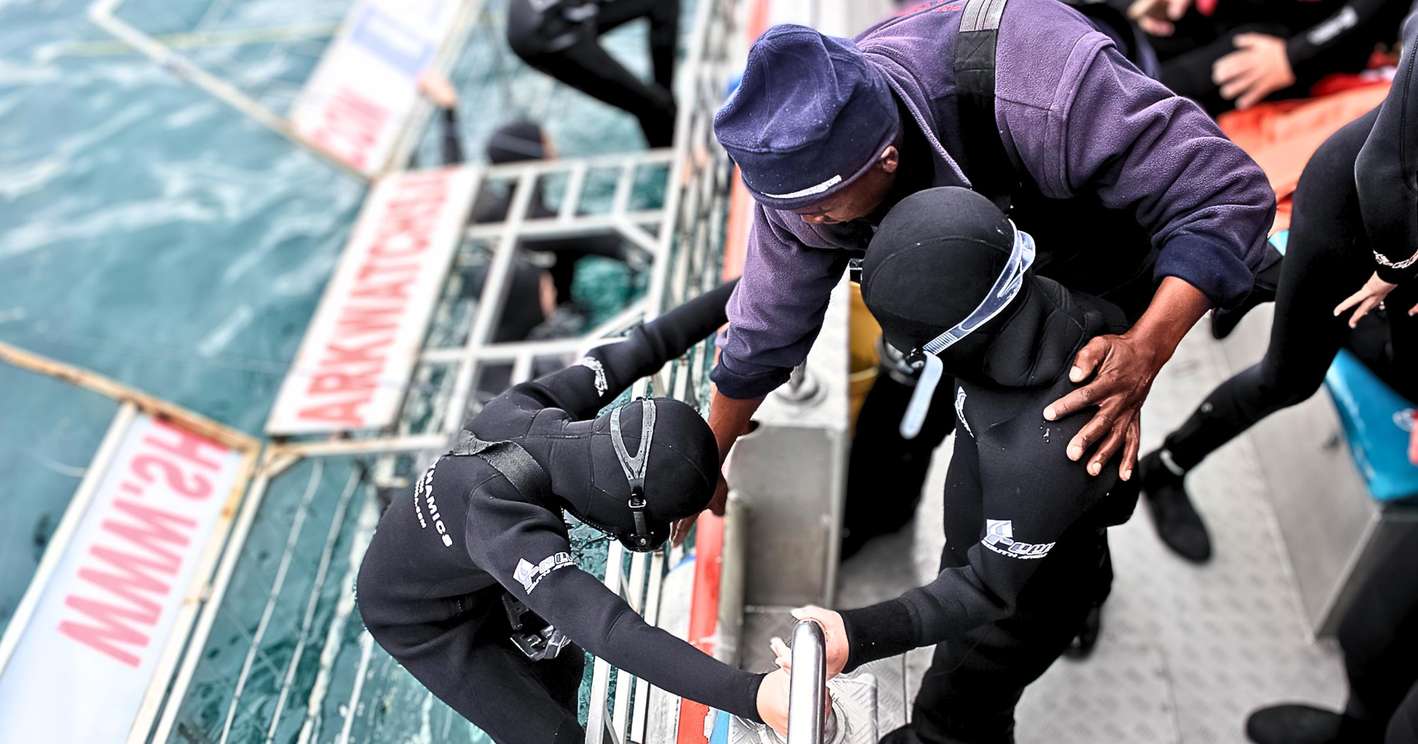
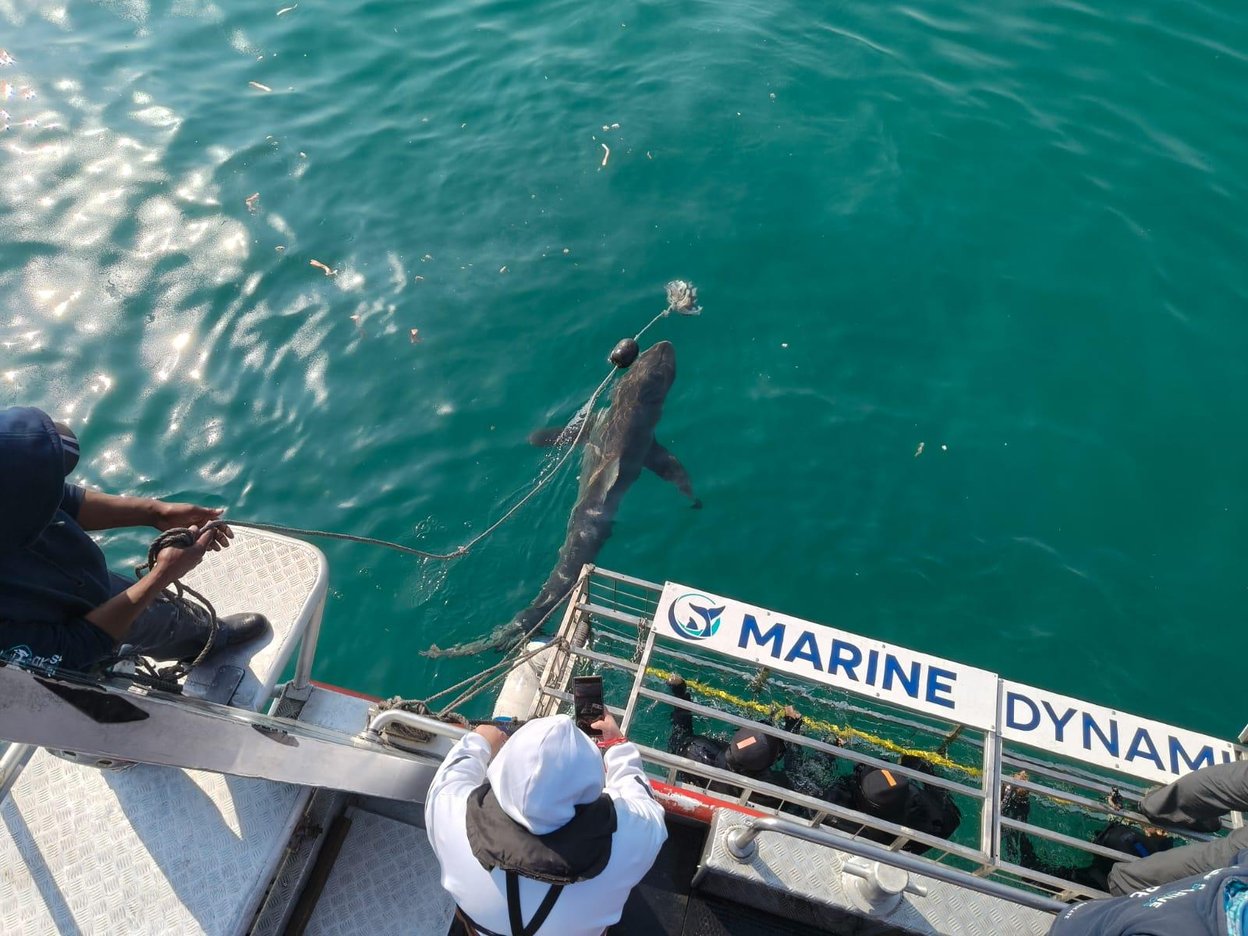
In the bay the crew anchors at the dive site, runs the safety briefing, and lowers the surface cage, which sits fixed to the boat just above the waterline.
Your turn in the cage lasts around 20 minutes, with the option of a second dive. Between rotations you watch from the deck, where sharks, dolphins, penguins and seabirds are all clearly visible without getting wet. Tea, coffee and rusks greet you on arrival, and snacks, fresh fruit and refreshments flow on board throughout.
soup and a hot shower after the dive
Tons of cage time, so many sharks, Seal Island stop, plus an unforgettable dolphin megapod!
Best experience of our few days in Cape Town, late January 2025. We saw dolphins, seals and 10-15 copper sharks. Team was amazing. Highly recommended 👏👍
I saw exactly what I came for, the sharks. Very professional outfit, everything well organized by knowledgeable, friendly staff.
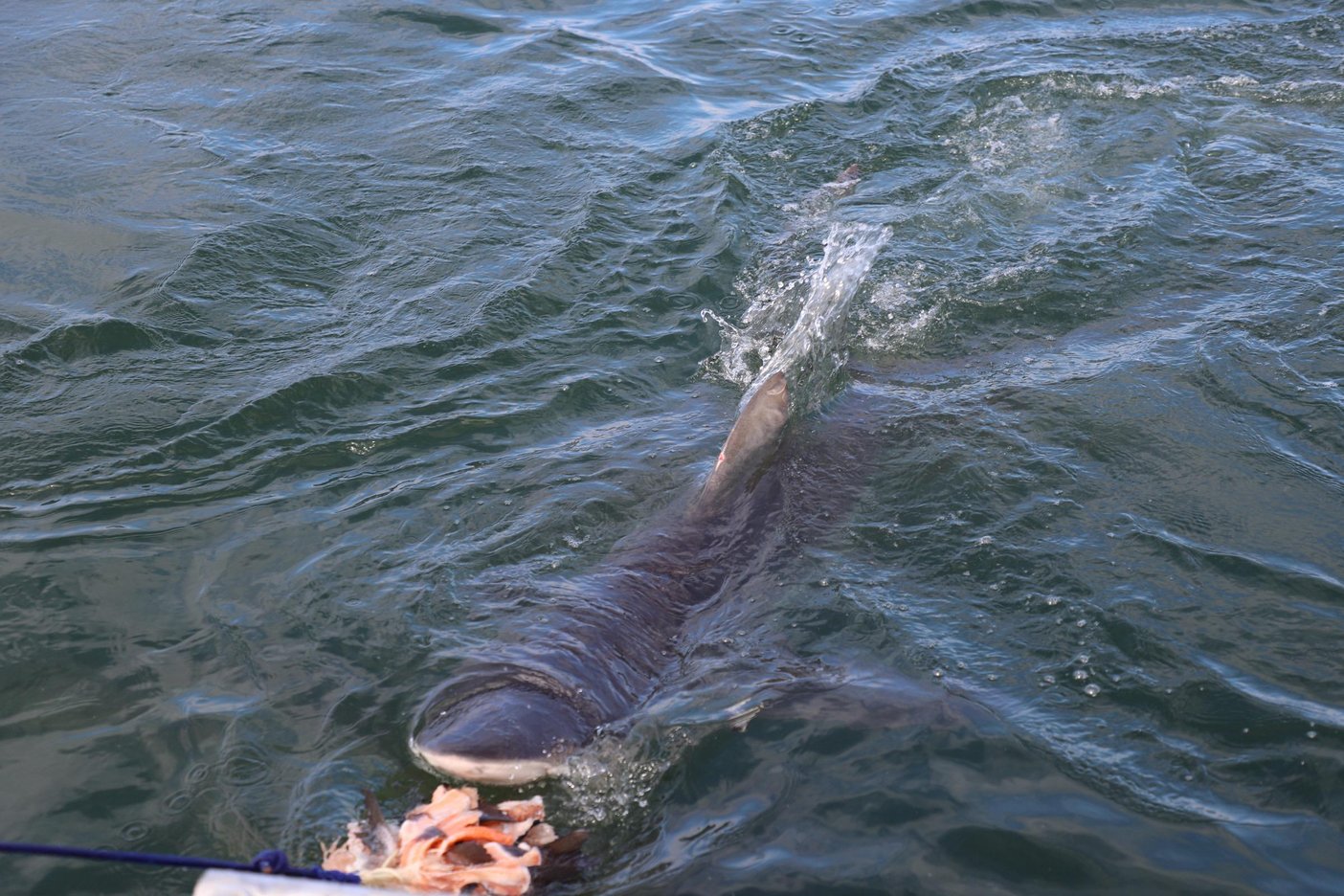
Saw 2 bronze sharks, around 500 dolphins and thousands of seals. Great crew with lots of patience. A unique experience.
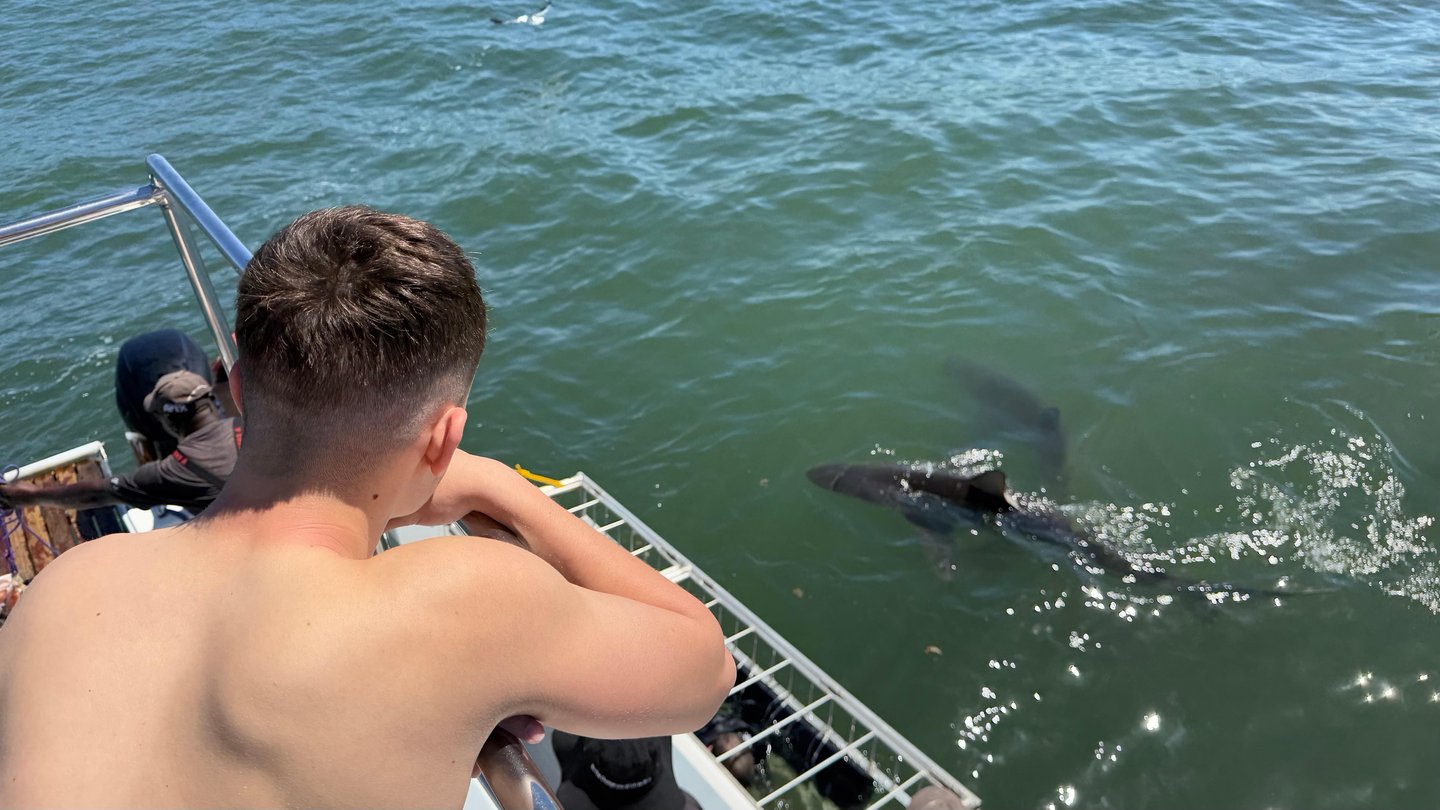
Awesome trip, very small group. Saw dolphins, seals, hammerheads, penguins and bronze sharks, highly recommend it.
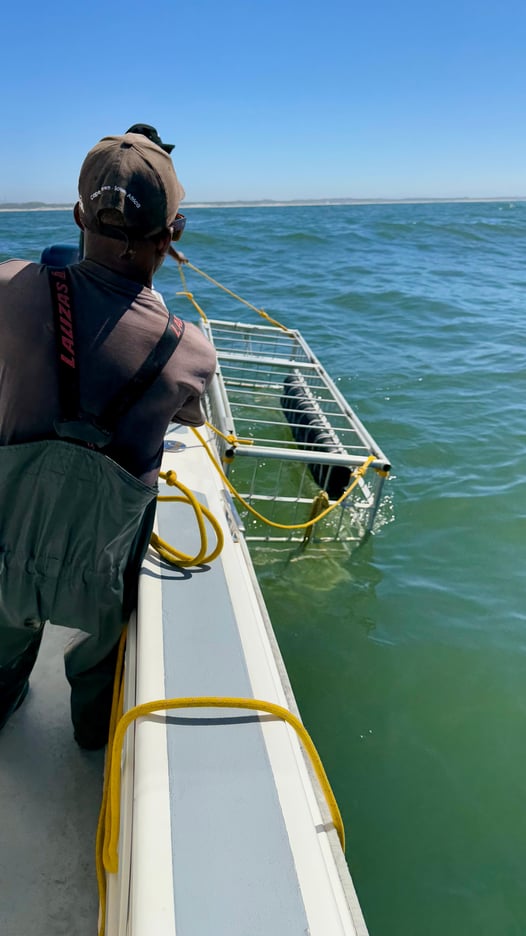
Super relaxed, small group of seven on the boat. Everything perfectly organized, crew helps at every step, snacks while you wait, more shark time. Bring warm clothes!
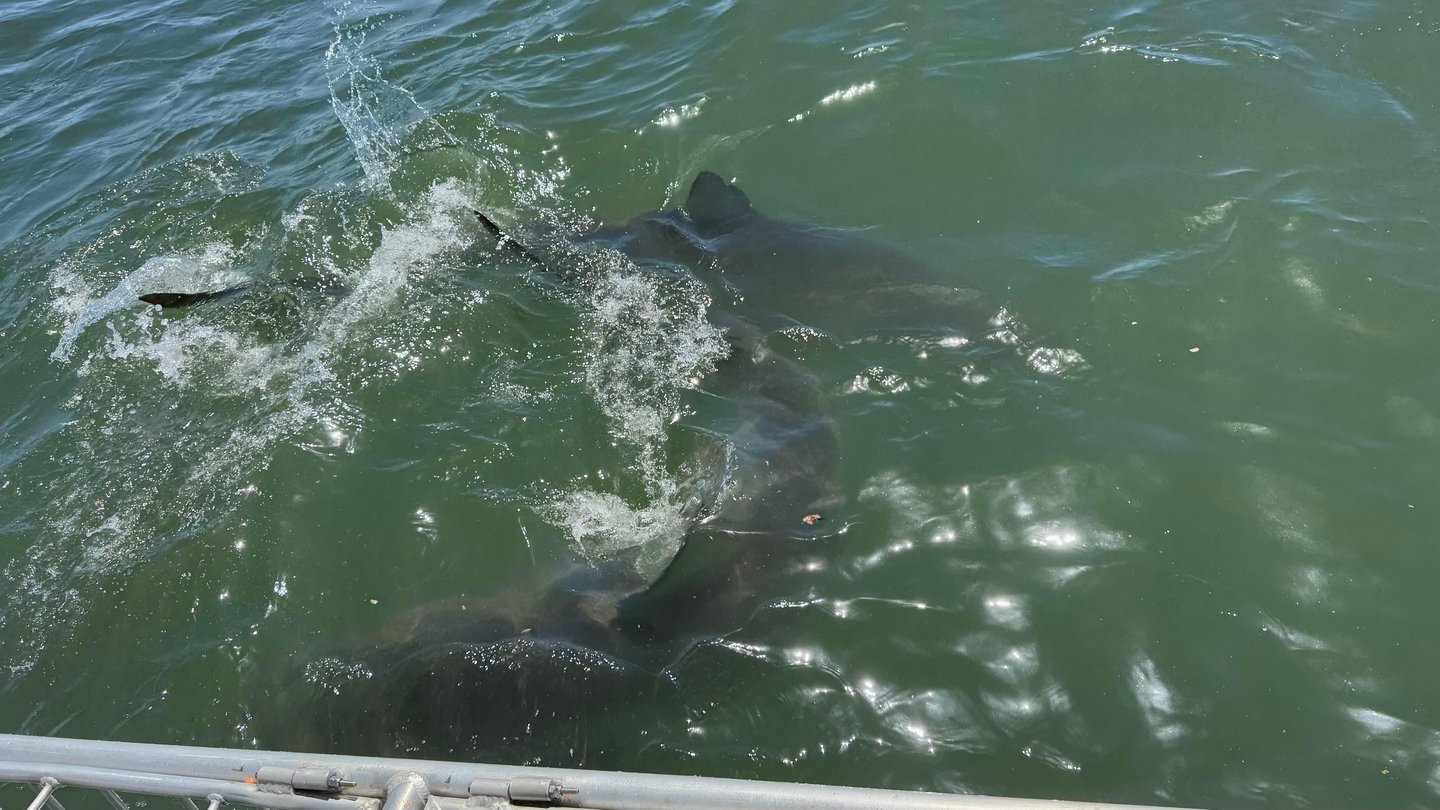
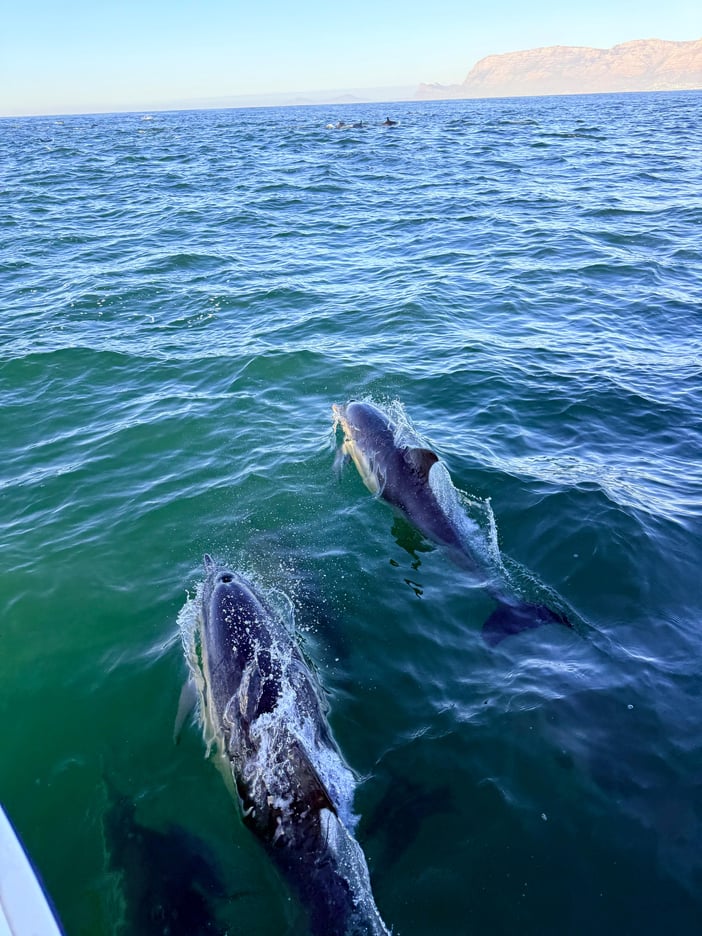
Well organized, though only 1-2 sharks showed up briefly, that's nature. But a huge pod of 1000+ dolphins was one of my life's best moments. Free snacks, drinks, lovely crew!
Most reviewers praise the crew as professional, warm and knowledgeable, saying they felt reassured throughout.
Many travelers found thousands of dolphins, seals and copper sharks alongside the sharks they booked for.
Several reviewers wanted more time in the cage once their turn ended, hoping for a second rotation.
morning seas are calmer than midday
Book for the first free day of your trip, not the last. Times are only confirmed the afternoon before, so an early slot leaves room to move if the sea says no.
On most tours you pick between self-drive to the meeting point and a hotel pickup option. The recommended Simon's Town dive runs as one meeting-point option, 45 minutes from the city center.
Once you have paid, the operator emails your confirmation and the pickup or meeting details. Cancellation stays free up to 24 hours before departure.
Self-drive guests meet at the operator's office in Kleinbaai or at the harbor in Simon's Town, depending on the tour. Arrive with time in hand for check-in and the safety briefing.
Wear your swimsuit under your clothes, pack a towel, sunscreen and a warm jacket for the deck, and take motion sickness tablets ahead of time. Morning seas run calmer and clearer than afternoon ones.
wetsuits, boots and hoods are all supplied, in every size
South African law prohibits anyone from diving outside the cage on white shark trips, and no operator here may take you free-diving without a special permit. The cage is not a marketing choice. It is the legal condition under which these tours run at all.
Bronze whaler and sevengill sharks are the sharks you are most likely to see on these dives, since great white appearances have grown irregular in False Bay and Gansbaai. Expect dolphins, seals and stingrays as well, and treat a great white as the exception.
Sea conditions decide the schedule, not a fixed timetable. Exact departure times are confirmed the day before, so keep your whole day free. Morning launches give the calmest water and clearest visibility before the afternoon wind builds.
The boat anchors in open water at the chum line, where swell can cause real nausea. Take motion sickness medication the night before and again about an hour before departure, since pills only work once absorbed. Crews help seasick guests aboard with seating and hydration.
Food is covered on these trips. The Gansbaai tours include breakfast or lunch on arrival, snacks and drinks on board, and hot soup with bread after the dive. The Simon's Town trip includes snack sandwiches, fruit and cold drinks.
If you decide against the water once you are out there, stay on the boat. Sharks, seals and dolphins are clearly visible from the deck, and the crew will not pressure you into the cage.
All four tours let you cancel up to 24 hours in advance for a full refund. If wind or swell stops the boat from launching, you can reschedule for another day or take the refund instead.
Sharks are wild animals, and no tour guarantees a sighting. Some operators hand out a return voucher or a free place on another trip if the water stays empty. Book your dive early in your stay so a weather day never costs you the experience.
Pack light and let the boat do the rest:
Simon's Town lies about 45 minutes from central Cape Town, so the Cape Town: Shark Cage Dive runs as a short half-day trip with no transfers included. Gansbaai is roughly 2.5 hours each way, and tours there offer hotel pickup or a meeting point in Kleinbaai.
You do not need a scuba certification or any diving experience to enter the cage on any of these tours. The surface cages float at the waterline, so you breathe normally with your head above water or hold your breath as sharks pass.
Never reach a camera outside the cage bars. A compact action camera on a wrist lanyard works well, and a small dome port pushed between the bars steadies the shot while keeping the metal out of the frame.
no certification needed for the cage
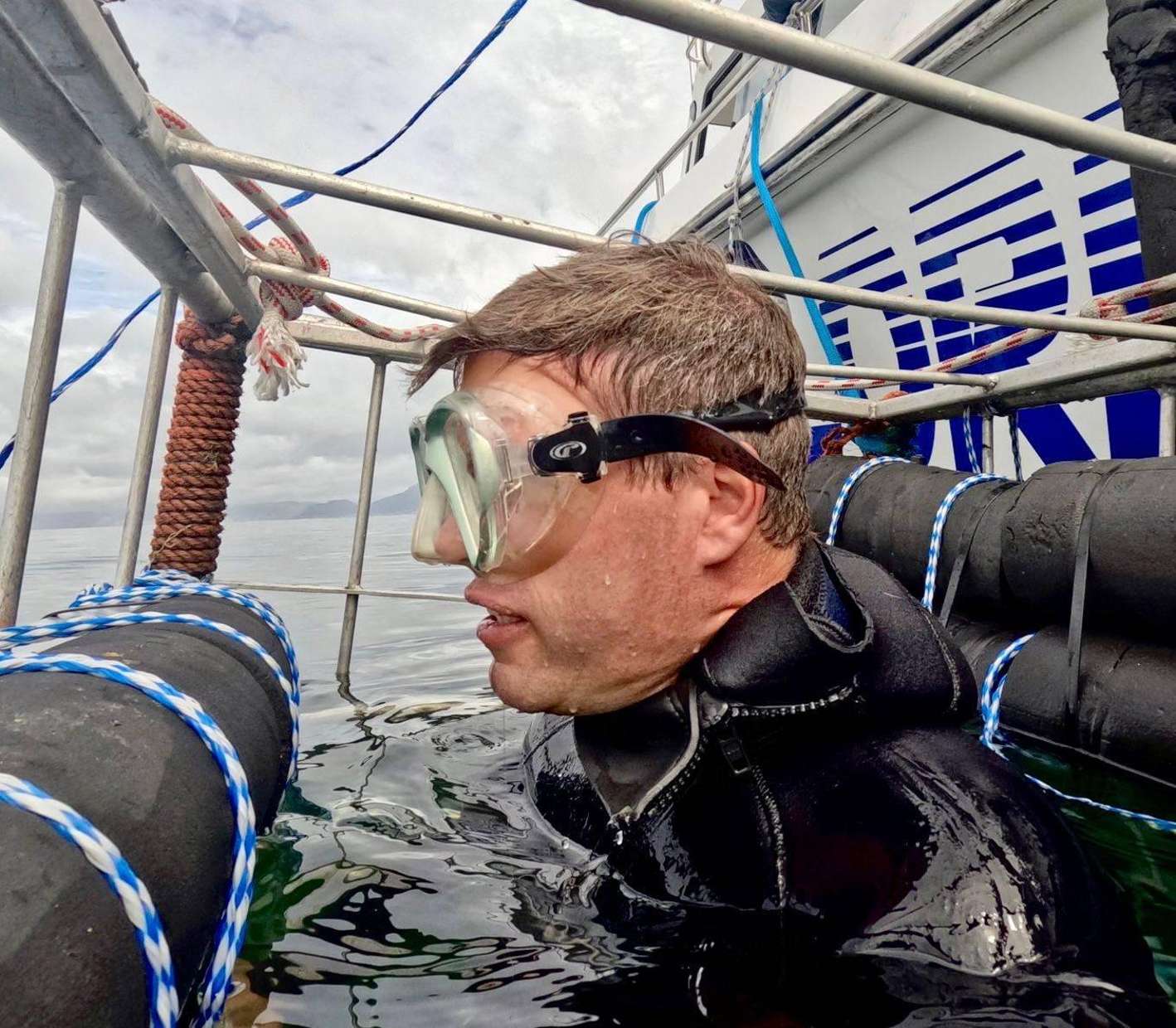
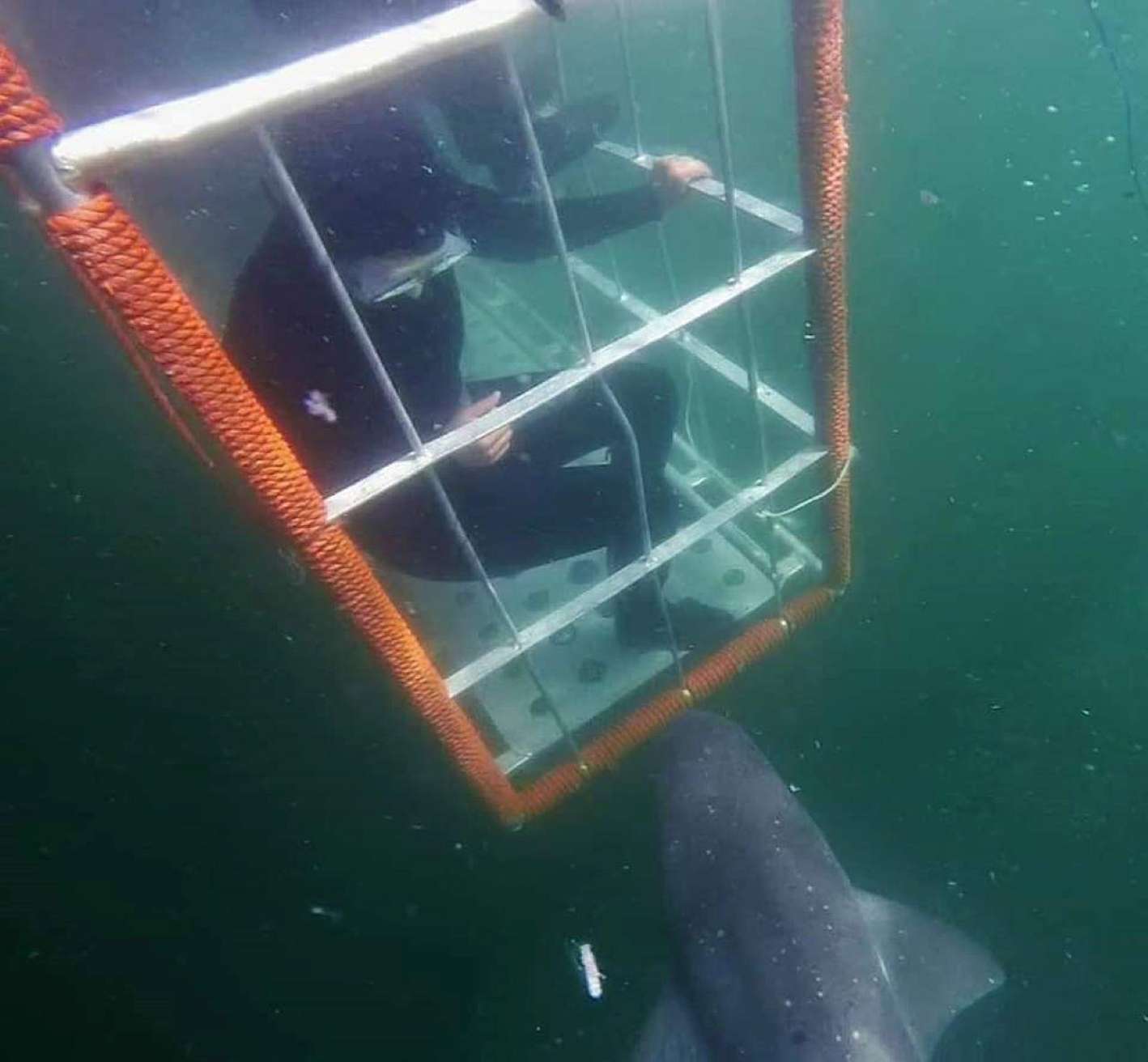
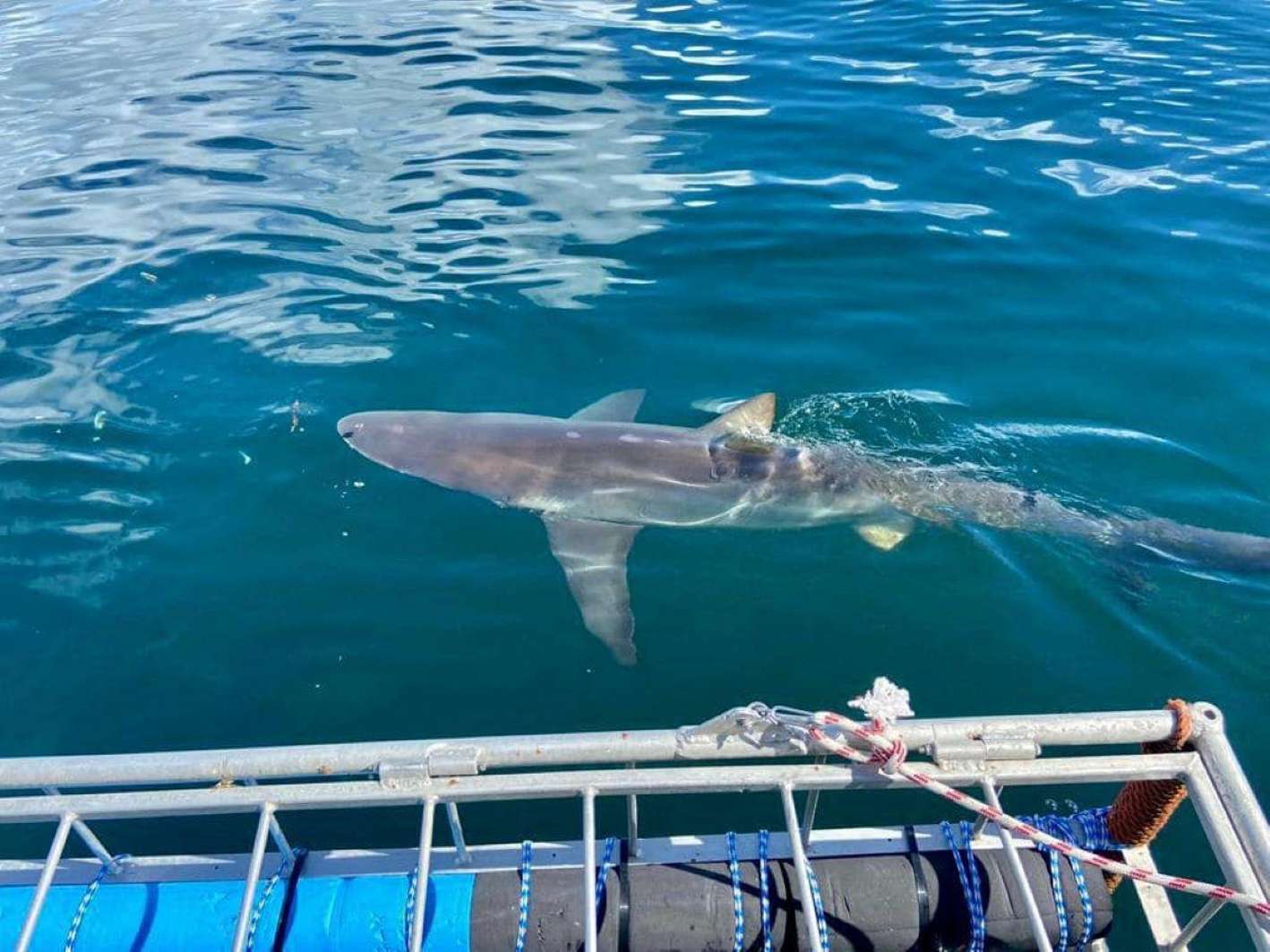

breath-hold in the cage, no tanks
Every legal great white dive in South Africa happens inside a cage. What follows settles which of the four trips here gives you the closest look, and what the day really asks of you.
Permit law forbids any diver to leave the cage around white sharks, so no legal cage-free great white dive exists anywhere in South Africa.
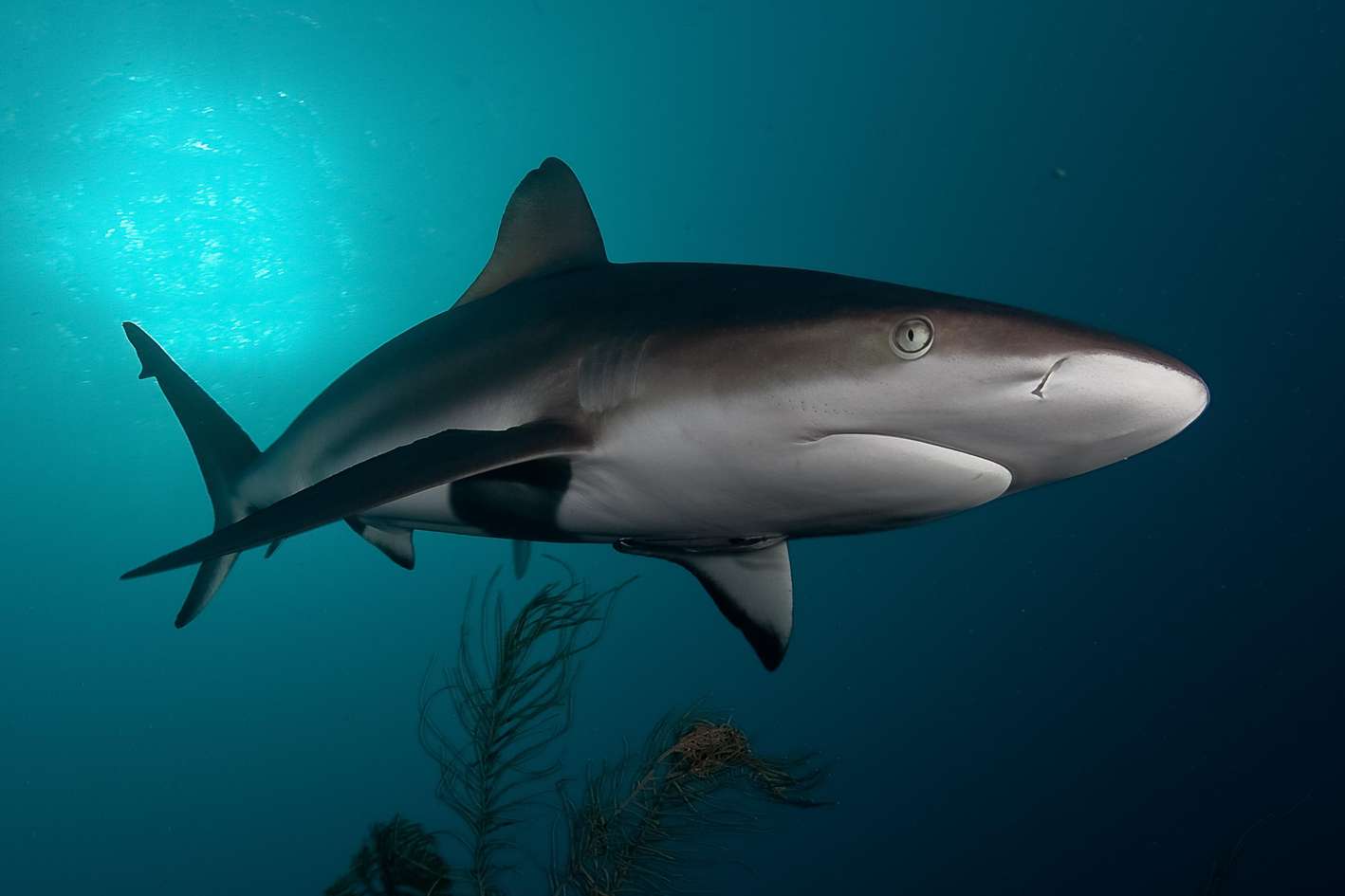
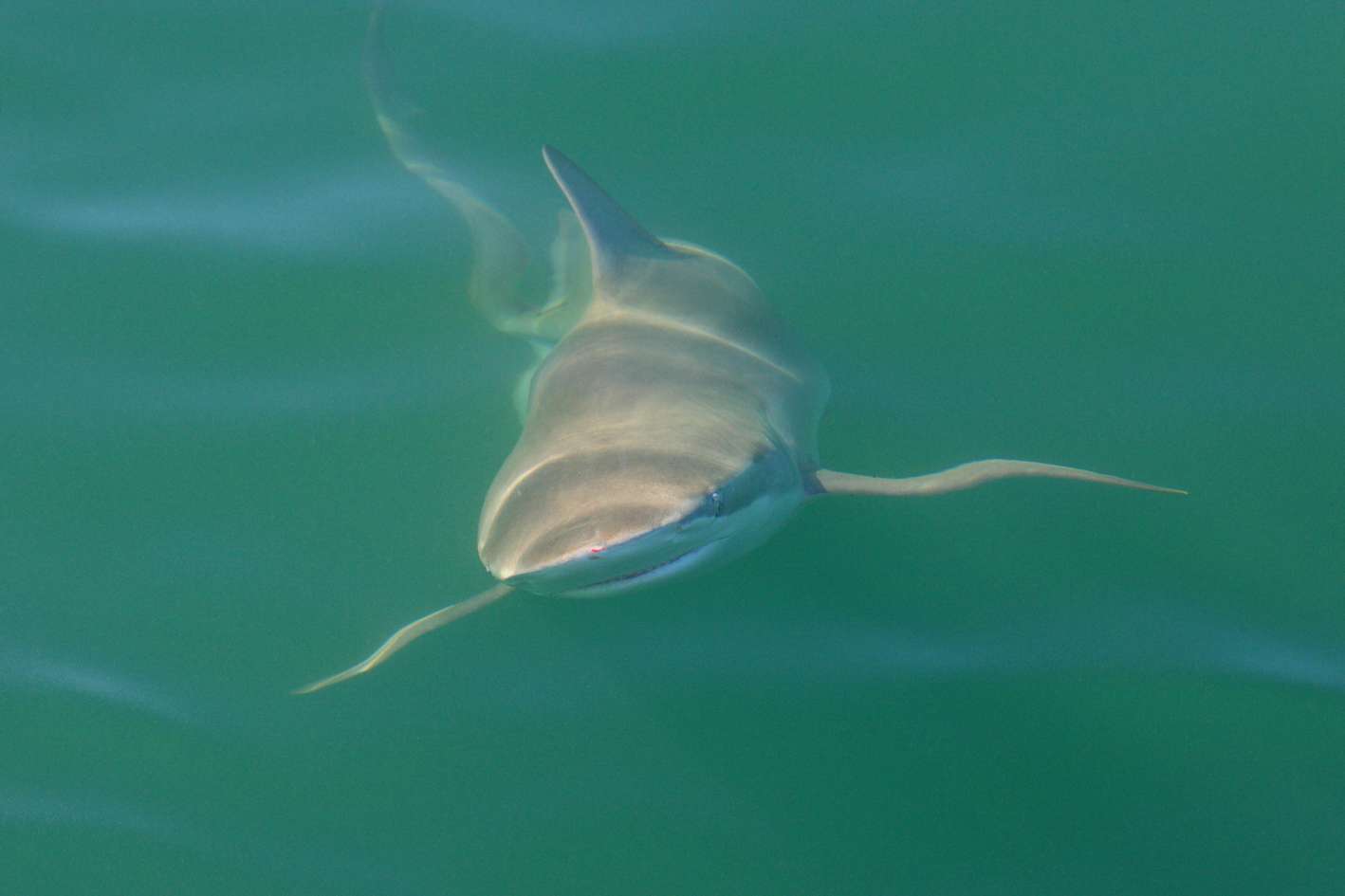
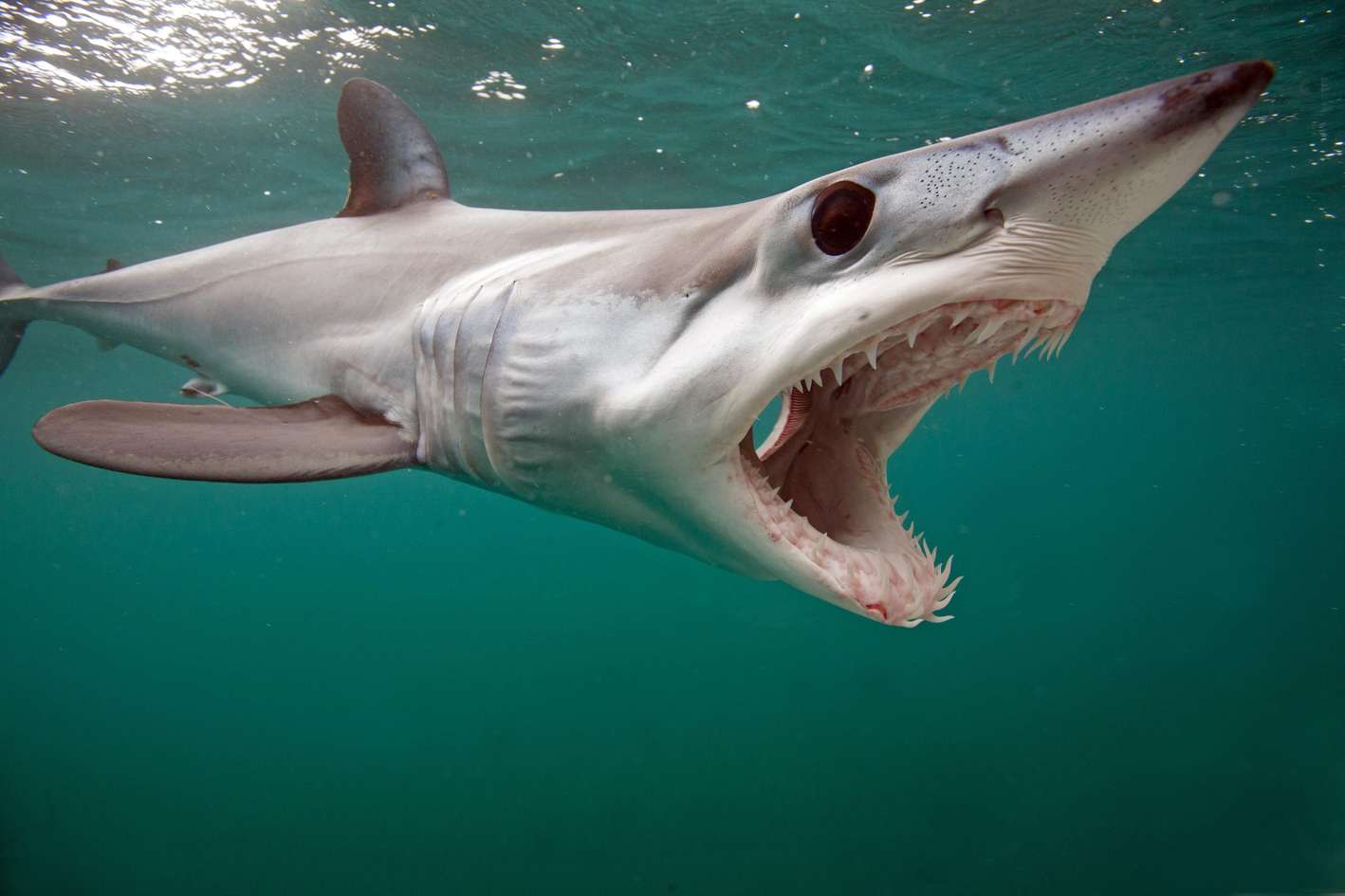
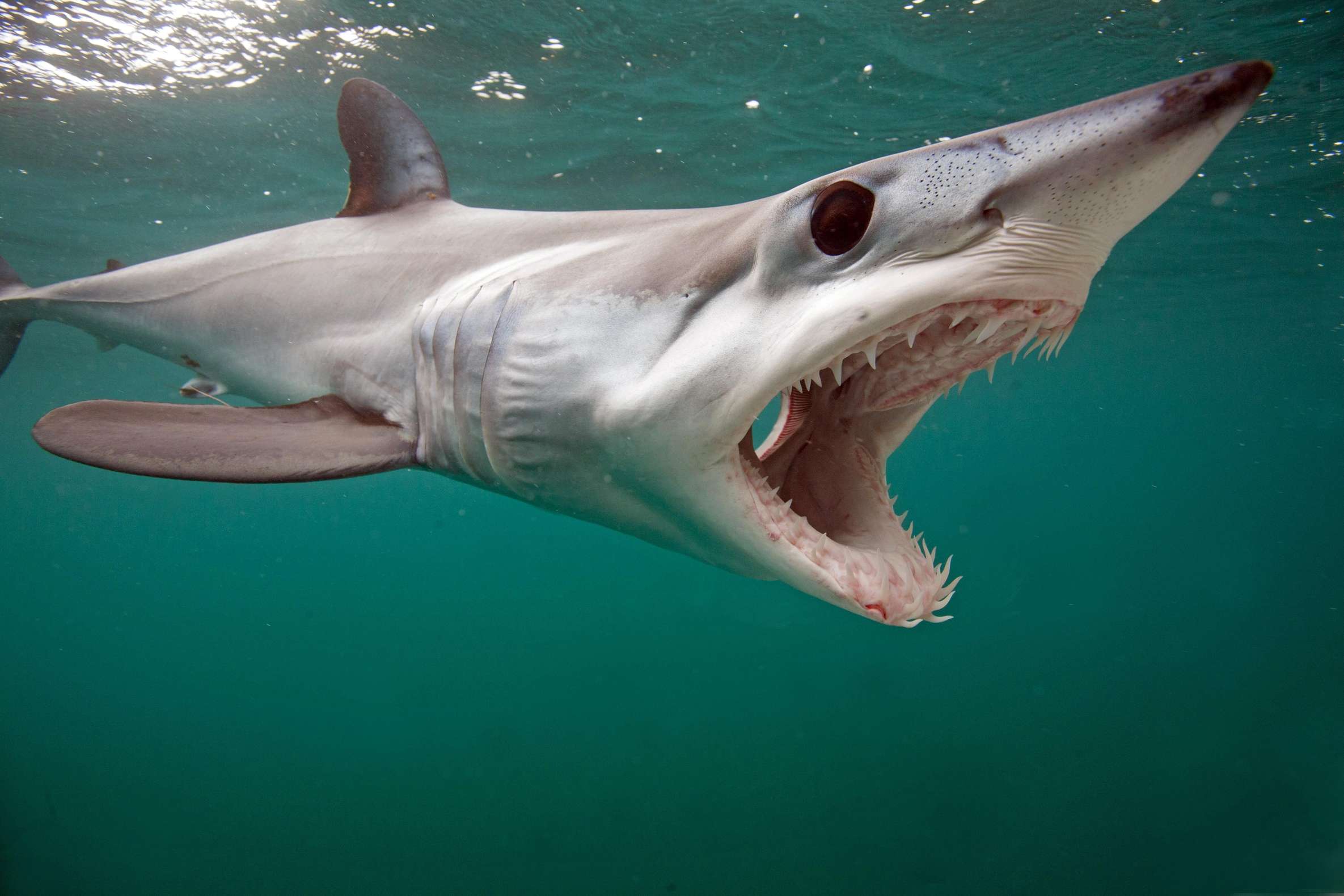
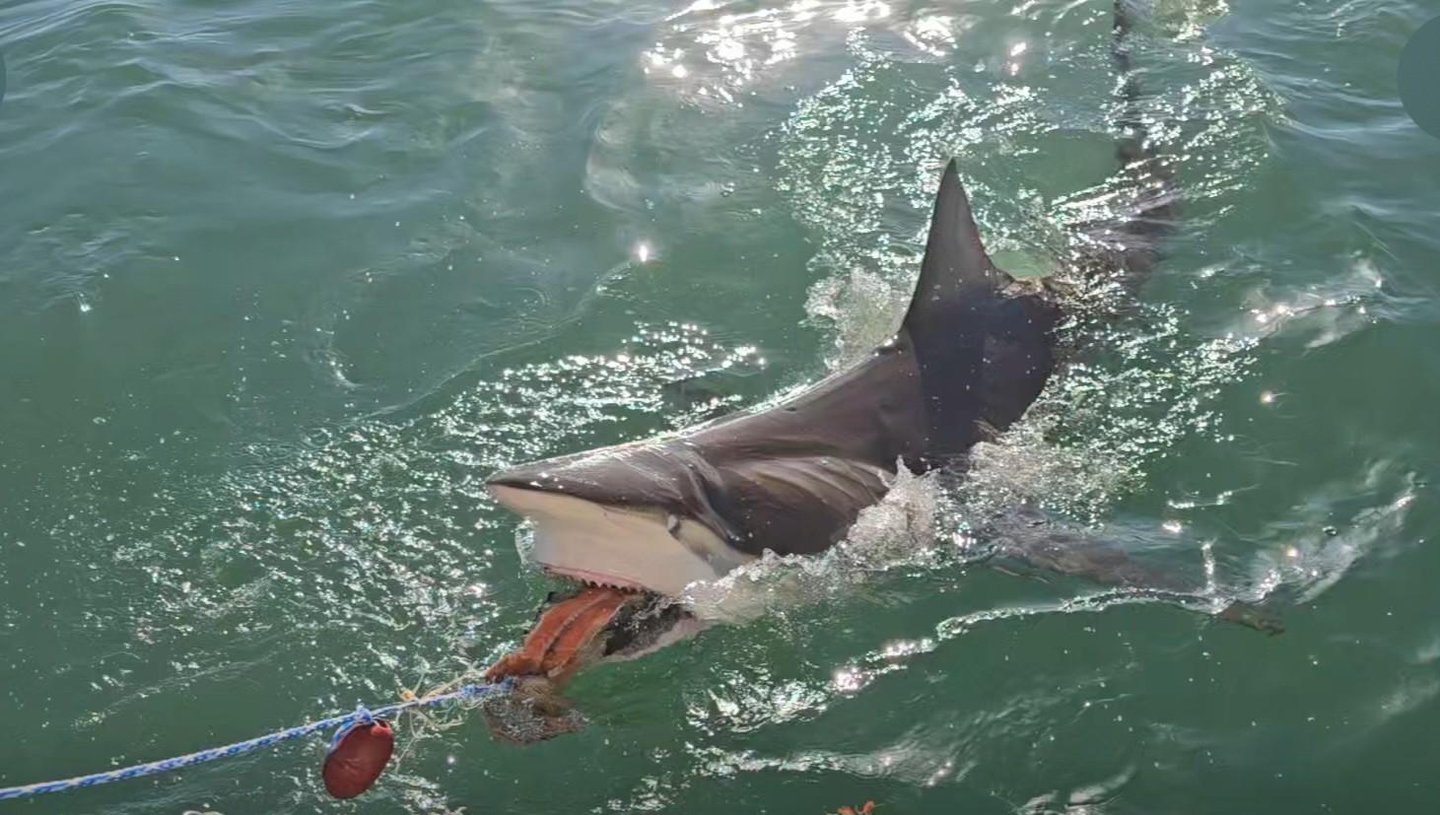
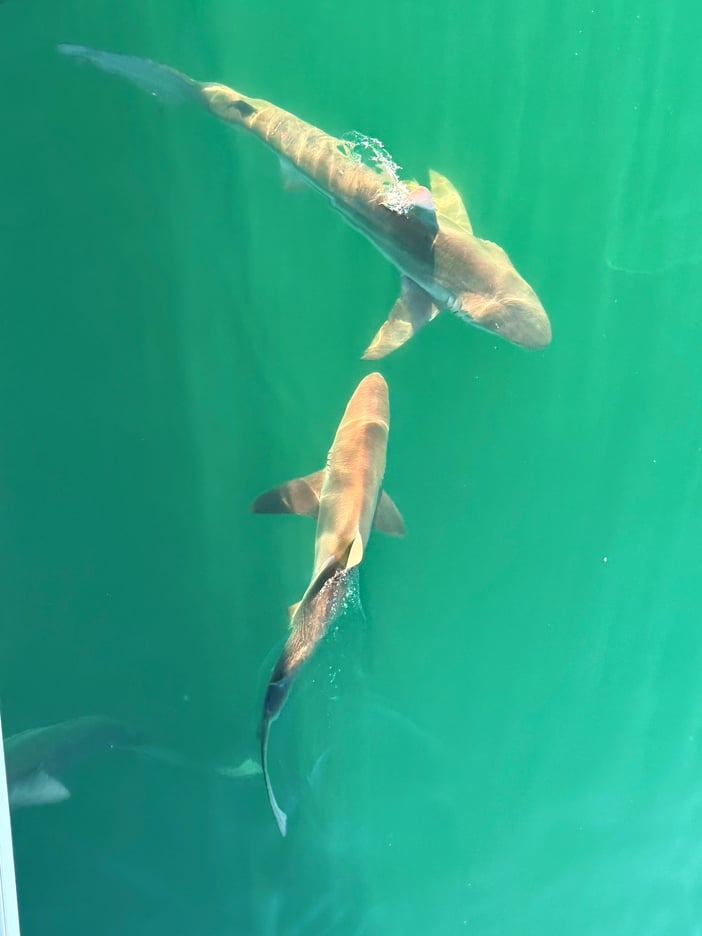
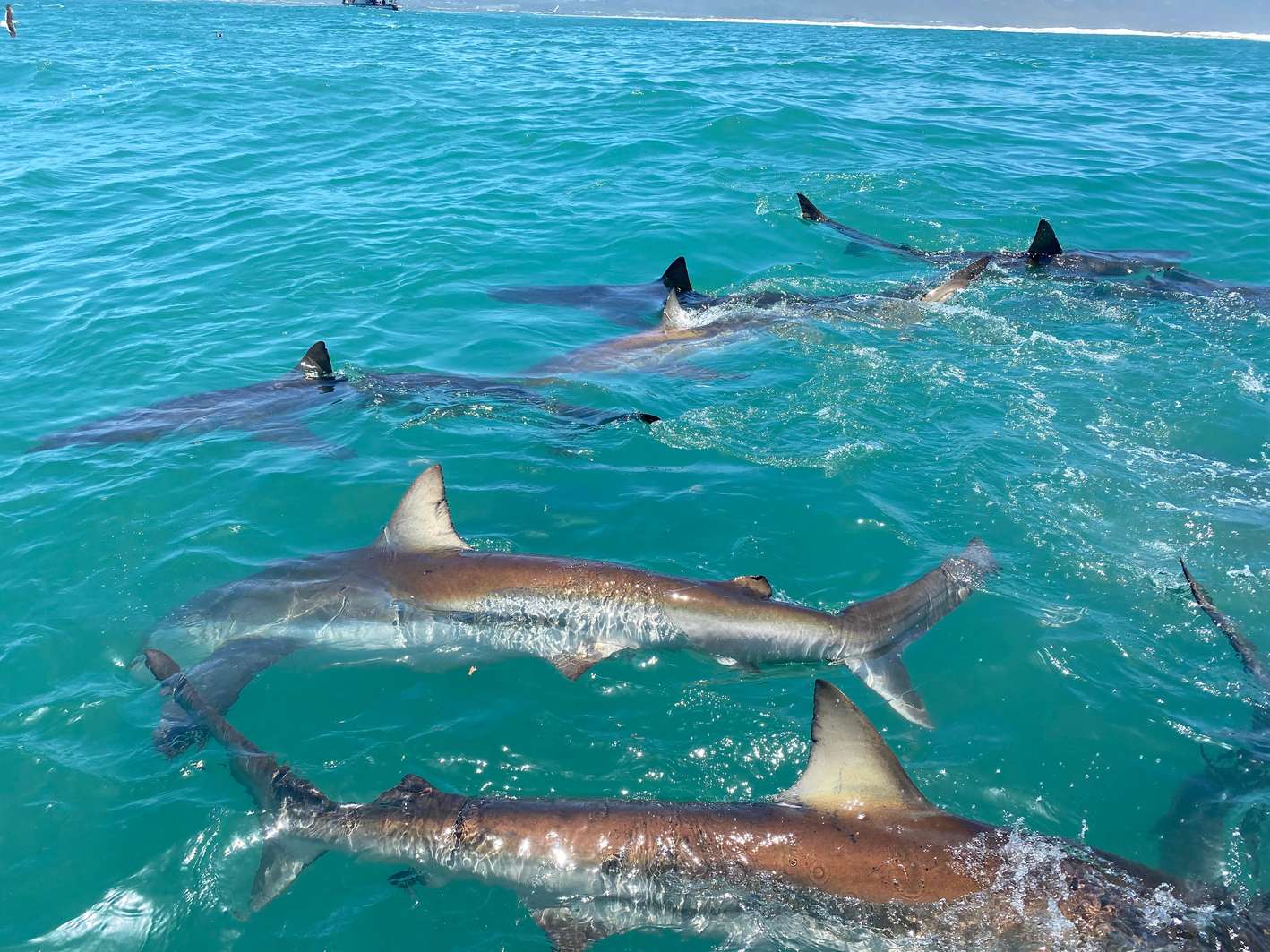
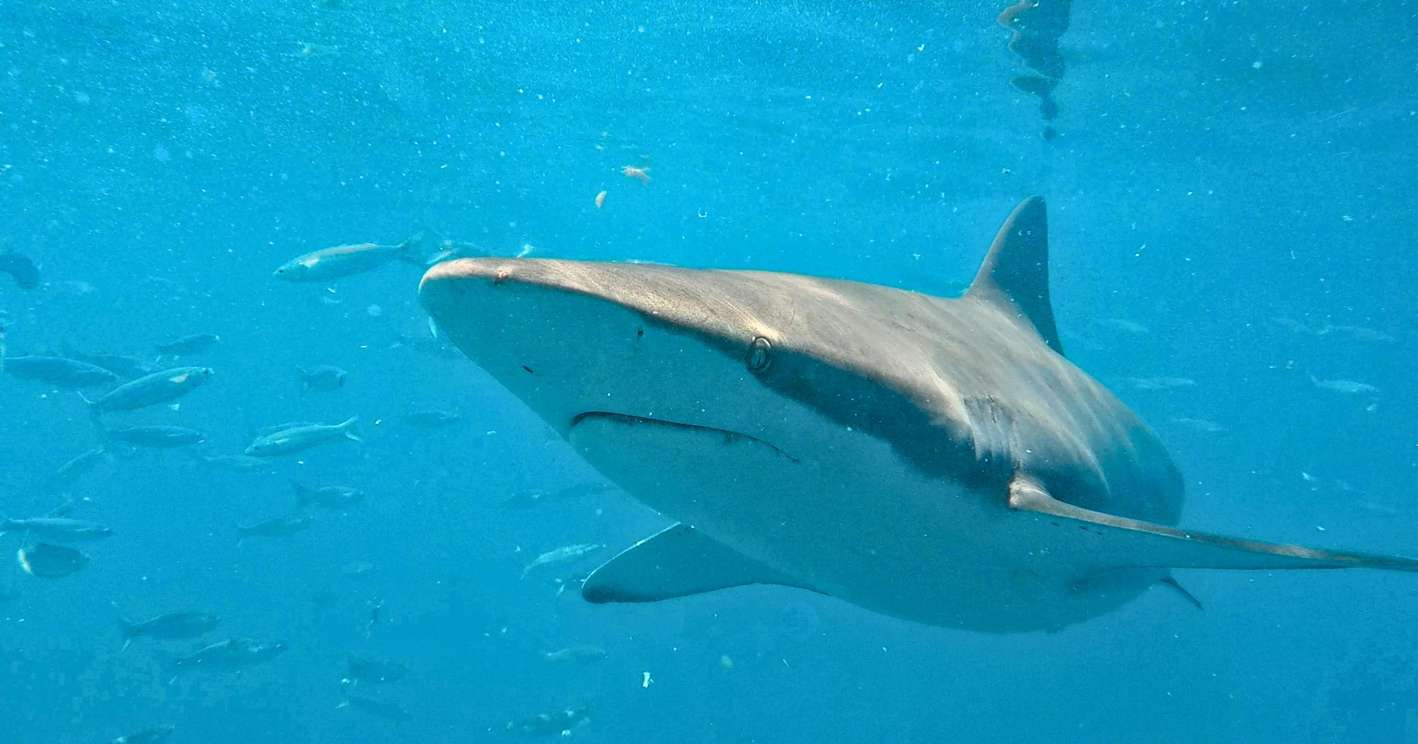
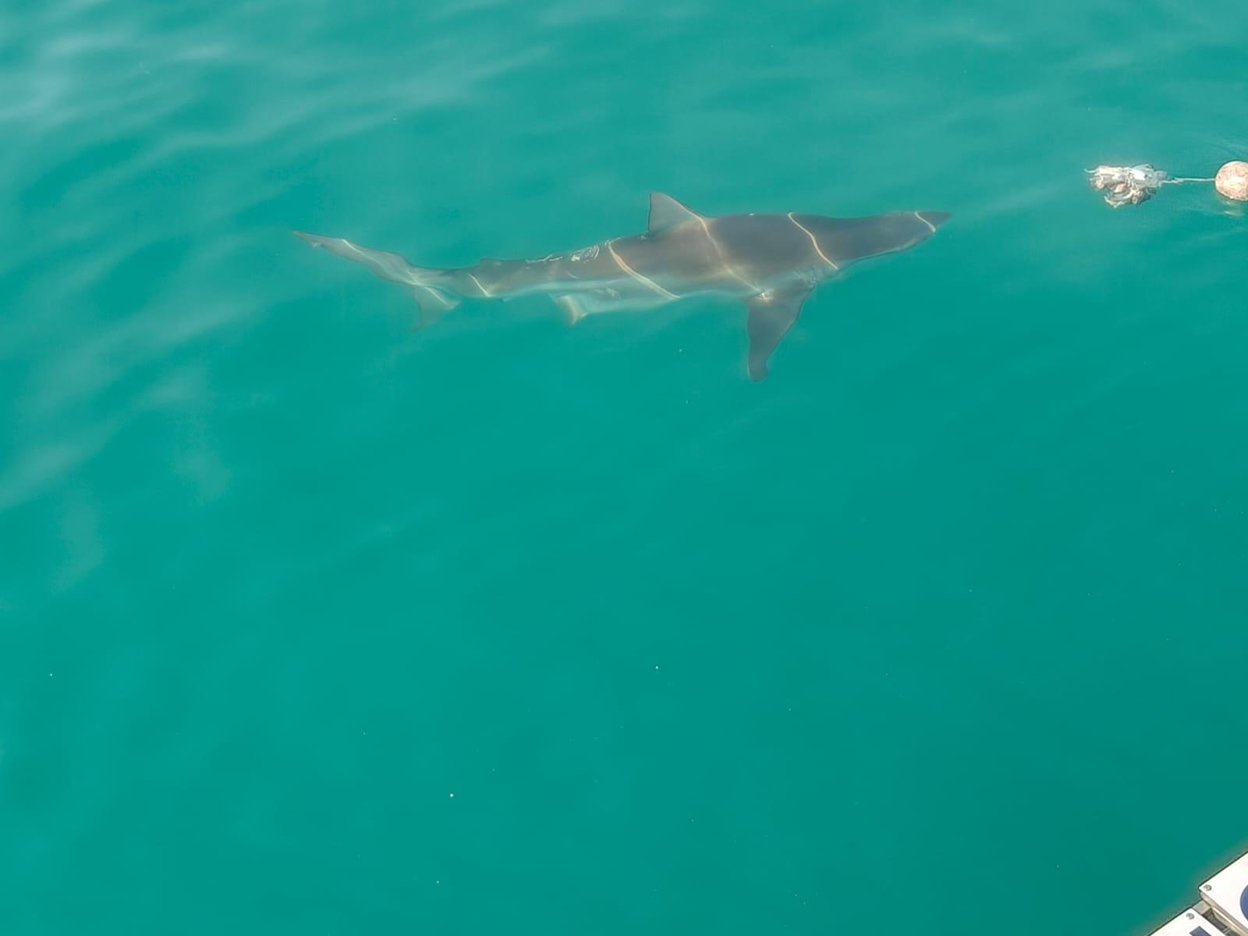
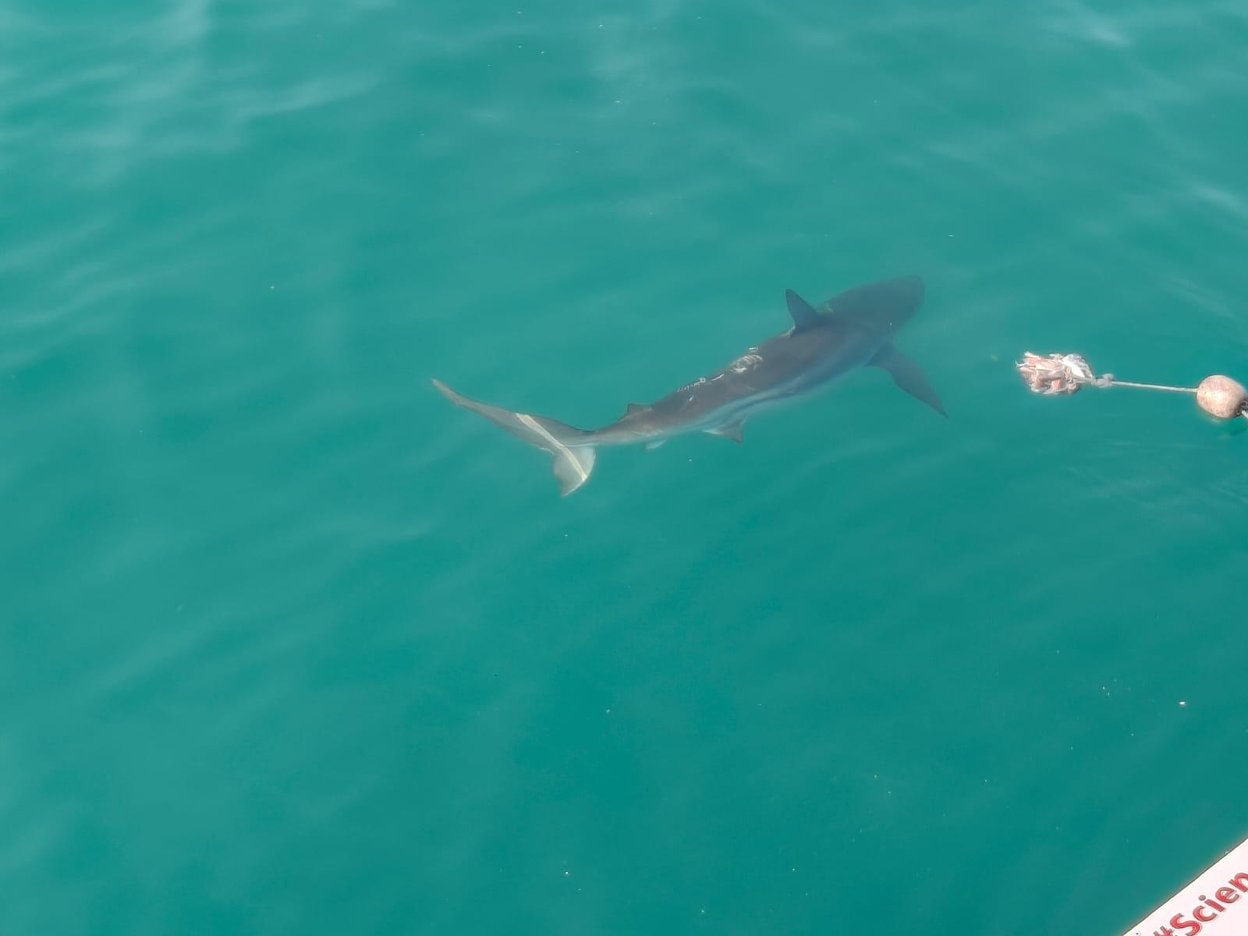
Bronze whaler sharks, not great whites, are the species you will most likely meet; False Bay summer trips regularly count 10 to 20 of them.
The skipper makes the weather call the afternoon before, so keep a spare day open when you book.
The water off Simon's Town is flat and glassy at seven in the morning, and a fin cuts the surface fifty metres from the boat. That fin is why you came.
The honest answer to the question you searched is this: no. A South African white shark permit-holder is prohibited by law from taking anyone to free-dive with white sharks.
Crew and clients alike may not dive outside the cage, and luring a great white with bait or any other means without a permit is itself an offence. No operator can sell you the uncaged encounter legally.
What remains is what you are really weighing: an unobstructed look at a shark, some freedom in the water, the adrenaline, real behaviour. The cage rules on every trip sold here, but a surface cage keeps your head above water and your line of sight open.
The Cape Town: Shark Cage Dive, a three-hour trip from Simon's Town 45 minutes from the city, comes closest to what you came for. It runs a safari-style day in False Bay and puts you eye to eye with the sharks from the waterline.
Great whites hold the highest counts of recorded unprovoked fatal attacks of any shark species. Those numbers sit behind the rule that every trip here runs a cage. The animals are powerful, unpredictable, and they can lash out with no provocation at all.
A great white reads the ocean through sensory organs that pick up the electric fields of every muscle contraction around it. A curious one may deliver an investigative test bite on something unfamiliar. By the time it works out that the shape is not food, the damage is often done.
Side by side, the trade is clear. Cage-free with a great white: no operator offers it, no permit allows it, and even experienced divers treat the animal as an active threat.
In a certified cage: a controlled activity where the main physical task is climbing a ladder in a swell, with sharks gliding close enough to count the scars.
The permit system allows no middle ground: no operator, crew member or client may leave the cage on a white shark trip, and the four tours sold here all operate under that rule.
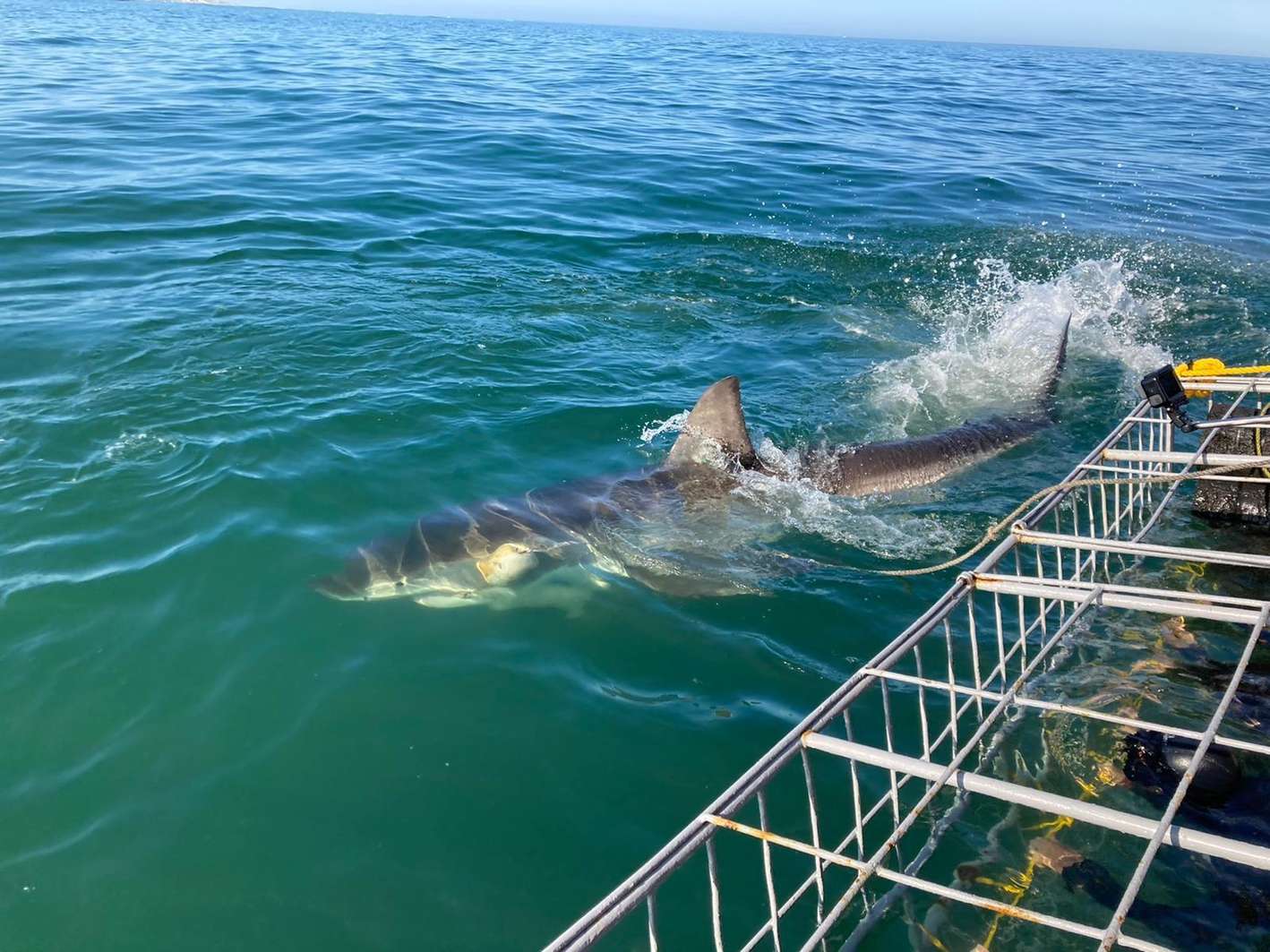
What the cage costs in freedom it gives back in proximity, since the sharks come to the boat on their own and pass within arm's reach of the bars.
Nobody can promise you a great white, and no operator here will. The honest framing is this: the day is worth booking if you judge it on the sharks that actually swim these waters now.
Cage trips succeed consistently with bronze whaler and sevengill sharks, often several at once, plus stingrays, seals and dolphins on the way out.
If a guaranteed great white is the only thing that will satisfy you, this is not your trip. If a large shark sliding past at arm's length is the point, it is.
There is a second answer hiding in the same question: you do not have to get wet at all. From the boat deck the sharks, dolphins and seals are just as clearly visible, and from above the surface you can watch how stealthily a shark arrives and vanishes around the hull.
Divers in the cage often say being underwater feels calmer and more peaceful than standing on the choppy deck. Both count as a sighting; pick your comfort on the day.
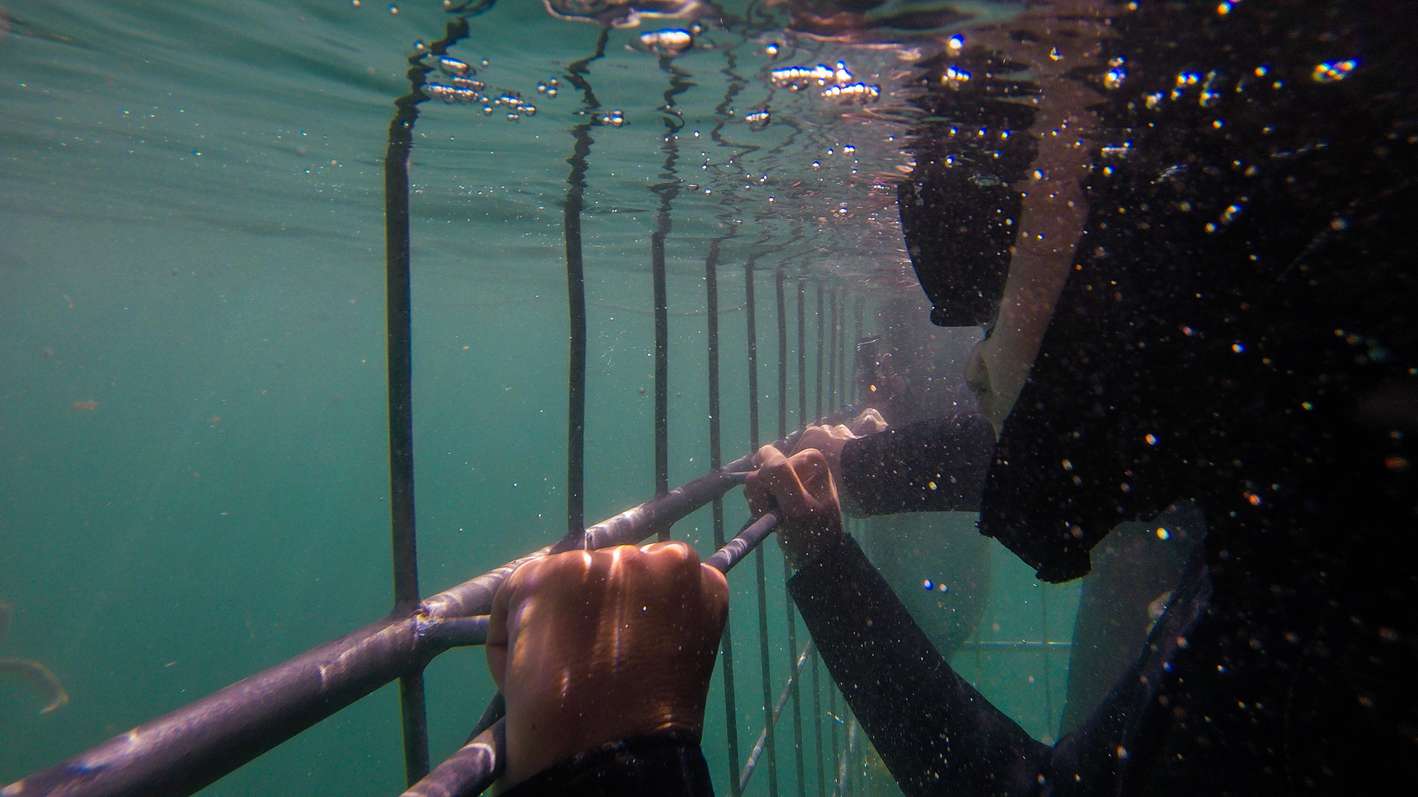
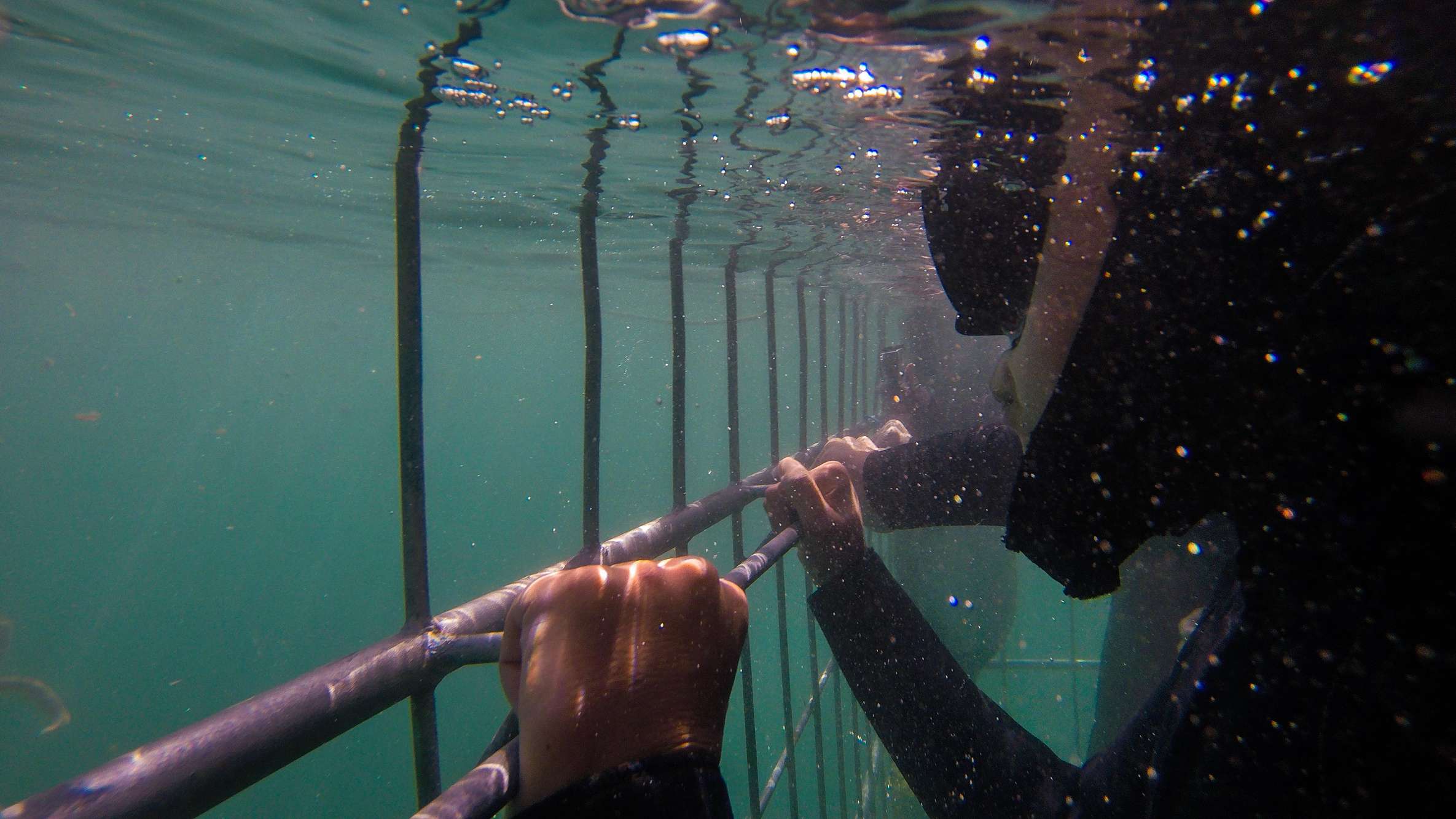
You drop in at the waterline, hold the interior bars, and duck under as the skipper calls it. Standard South African surface cages work on breath-hold or snorkel, no scuba tanks: you float, hold your breath as a shark passes, and come up.
Gansbaai operators run larger breath-hold cages that hold four or five divers at a time, so you go down in a rotation and watch the rest from the deck between turns.
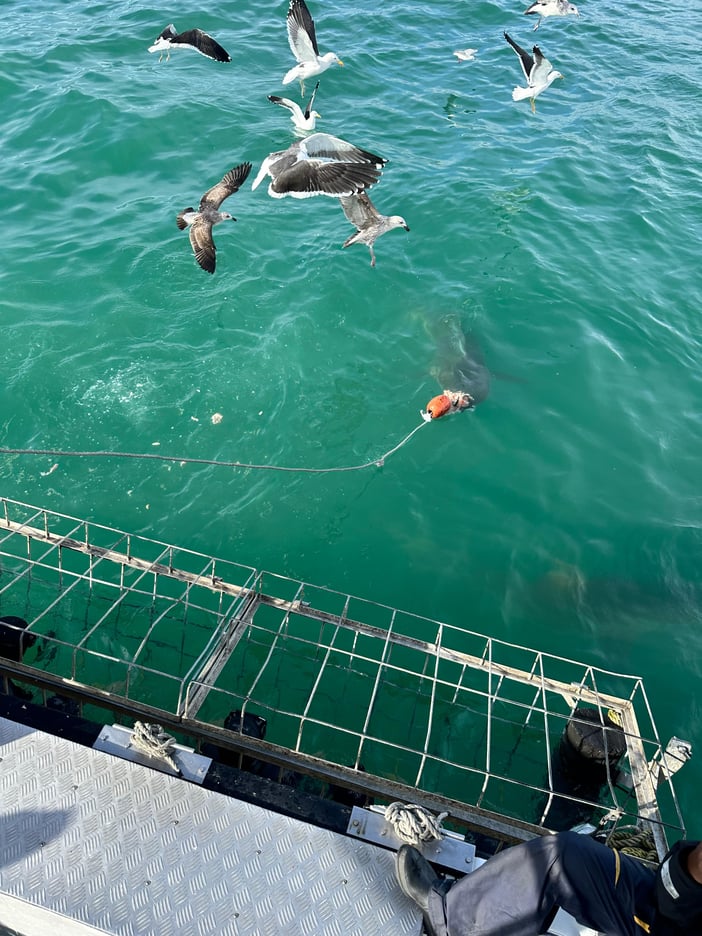
What you see is mostly bronze whaler sharks, the most-spotted species on these trips, with broadnose sevengills alongside and the occasional stingray, seal or dolphin in the frame.
On the Gansbaai trips, the setting does half the work. The channel between Dyer Island and Geyser Rock got the name Shark Alley for the density of sharks drawn there by the Cape fur seal colony.
The Cape Town: Gansbaai Eco-Friendly Shark Cage Diving Cruise runs out to that channel and pairs the dive with a visit to an African penguin and seabird sanctuary, so the day carries more than one species story.
Three launch towns matter here, and each suits a different priority. False Bay, from Simon's Town, sits about 45 minutes from central Cape Town, 90 in peak traffic. It is the easy-access choice, and its water delivers bronze whalers and sevengills.
Gansbaai, roughly two and a half hours away, is the stronger diving destination overall: more operators, higher shark concentrations, and the Dyer Island seal colony next door.
Mossel Bay, four hours east, currently gives the best odds of a great white, though the tours on sale here all launch from False Bay or Gansbaai. What that leaves you choosing between is drive time, cage size and how full the day runs.
The award-winning Cape Town: Shark Cage Diving in Simon's Town trades a shorter drive for smaller cages with fewer divers, an owner-run four-hour trip with snacks, hot drinks and wetsuits included. If proximity to the city matters most, that is your trip. If the richest day on the water matters more, go Gansbaai.
Winter, May to September, gives the clearest water of the year and inshore temperatures of 15 to 20 degrees, but winter storms push average peak waves high enough to cancel trips often. Summer brings calmer seas and thick crowds, and visibility drops to two metres or less.
Then the sharks add their own calendar. Great whites thin out in False Bay and Gansbaai in late summer, when most migrate east along the coast.
In False Bay the bronze whaler peak runs December through February, with operators regularly meeting groups of 10 to 20 sharks on a single trip. Winter water drops to 13 to 15 degrees with heavier swell, but the visibility is the year's best.
Orca activity keeps rewriting the map on top of all that. Killer whale predation emptied Gansbaai of white sharks for more than two and a half years, and sightings in False Bay have stayed irregular since.
So pick by appetite: clearest water and best odds per trip, go June to August and accept cancellations. Calm seas and steady bronze whalers, go mid-summer and accept murk.
The self-drive route to Gansbaai runs about 163 kilometres, two hours and 43 minutes without traffic: east on the N2 over Sir Lowry's Pass and Houwhoek Pass, then the R43 past Hermanus and Stanford. The roads are paved and in good condition throughout, and Hermanus and Stanford make the easiest coffee and bathroom stops.
If that sounds like too much road for a day that already starts early, hand over the keys.
The From Hermanus or Cape Town: Shark Cage Diving Experience runs a 4.5 to 8-hour day with hotel pickup and drop-off as a bookable option, a continental breakfast on arrival, and a marine biologist briefing before the boat leaves. Self-drivers without a transfer meet the operator at its office in Kleinbaai.
A pickup also buys back part of your day: with hotel collection the trip runs about eight hours door to door, while self-drivers on the meeting-point option keep it closer to four and a half.
One practical note: exact departure times are only confirmed the day before, because tides and weather set the schedule. Keep the whole day free; times only firm up the afternoon before.
The water sits between 12 and 20 degrees depending on season, cold enough that the wetsuit matters more than anything else in your bag.
Every operator here supplies it: 5 mm full wetsuits, neoprene booties, masks, hoods and weight belts, in sizes to fit everyone. Your swimsuit goes on underneath before you leave the hotel, because you change on board.
For the deck, pack warm layers: a windbreaker or fleece and a beanie, because the boat ride out is colder than the swim. The calendar changes what you dress for, warm water with big crowds or clear empty winter seas.
October: 5 out of 5 for how busy it gets. Tours get very busy as spring progresses and water temperatures hover around 16°C.
Tap a month to read it.
January: 5 out of 5 for sea water temperature. Average 20.3°C
Tap a month to read it.
Pick December to March for the warmest water and accept the crowds; June to August buys you the quietest boats and water cold enough to make the supplied hood welcome.
Seasickness is the other thing to beat before it starts. Take motion sickness medication the night before and again about an hour before boarding, since pills swallowed after the nausea begins often fail to absorb. And eat light: skip greasy or heavily spiced food before an early boat.
For photos, one trick from regulars: a small four-inch dome port fits between the cage bars and shoots the shark with no metal in frame.
The skipper, not a weather service, makes the call. Operators check wind, swell and harbour conditions the day before, and most confirm or cancel the departure the afternoon prior. Rain never cancels a trip, since the boats carry dry cabins; wind and swell do the cancelling.
If the trip is cancelled for weather before launch, you choose: a full refund or a new date. The same choice applies if the boat cannot get out of the harbour after you arrive, though on one operator's terms transport costs already paid stay with you, and transport on a rescheduled day comes free.
Two edges to know. If winds rise while the boat is already at sea and it turns back for safety, the remainder is not refunded.
And if the sea stays flat and the sharks never show, several operators hand over a return voucher or a free alternate-day trip; one operator's voucher is tied to your name and cannot be passed on.
| If this happens | What happens then |
|---|---|
| If weather cancels the trip | full refund or reschedule to another date, at your choice |
| If the skipper turns the boat back mid-voyage | no refund on the remainder of the trip |
| If you arrive but the boat cannot launch | rescheduling offered, transport on the new day free |
| If no sharks appear | a non-transferable return voucher or a free alternate-day trip, depending on the operator |
| If you cancel yourself | up to 24 hours in advance for a full refund |
None of that makes the day gamble-proof, but it means a cancelled morning costs you nothing except a rebooking. Book your earliest possible day and keep the next one loose.
South African rules leave little to operator whim. Every cage-diving vessel and cage must be certified safe by the maritime authority, cages must be built from aluminium or steel by a registered engineer's design, with smooth welds, no sharp edges, an access door at the top, and only one cage per boat.
Commercial operations hold a perfect human safety record against shark attacks, and sharks do not deliberately ram steel cages to reach the people inside.
The two incidents people quote are worth naming plainly. In 2005 a great white broke through the bars of a cage off South Africa, and in 2013 an eight-foot shark got its head inside a cage in Gansbaai.
Neither incident hurt the diver, and the accidents on record for these trips trace back to boat handling.
Inside the cage, your job is simple: stay entirely within the frame, hook a foot under the bottom rung against the swell, and never extend a hand or camera past the bars. You can step out at any point, cold or unsettled. And you need no scuba certification for any of it.
sharks do not deliberately ram steel cages; the two known cage contacts, in 2005 and 2013, injured no one inside properly certified cages
no certification or prior diving experience is required, and you can leave the cage whenever you want
boats have dry cabins; only wind and heavy swell stop a launch
So the picture settles: the steel around you is certified and simple, the animals behind it are wild and uninterested in the bars, and the only real skill required is holding your breath.
The bait never becomes a meal. South African permit law prohibits feeding great white sharks outright, so operators draw them in with a scent trail of fish-based chum and pull the bait away as a shark closes in. When the rules are followed, the animals learn that the boats produce nothing worth eating.
The permits themselves are capped. The number issued per area is limited on scientific advice, diving is restricted to designated waters near seal colonies, and touching, tagging or interfering with a shark is forbidden to crew and clients alike.
Research backs the setup. A 14-year study in Gansbaai found cage-diving operations do not appear to alter white shark behaviour or hold them at the site, and no evidence links the industry to higher risk for swimmers in Cape Town's inshore waters.
The better operations are also research engines: the Gansbaai conservation fee funds monitoring and seabird rehabilitation work.
Well organized, though only 1-2 sharks showed up briefly, that's nature. But a huge pod of 1000+ dolphins was one of my life's best moments. Free snacks, drinks, lovely crew!
That is the standard to look for when you book: a biologist on board, a briefing that names the species honestly, and money that funds research as well as seats.
The drive to Gansbaai doubles as a coastline tour if you give it the time. Stony Point Penguin Colony in Betty's Bay lies about 99 minutes from Cape Town by the coast road, and African penguins crowd the rocks there, watched from elevated boardwalks.
Hermanus lies another 51 kilometres east, where a cliff path traces the bay for whale watching between June and November. The last 44 kilometres bring you to Gansbaai and its seabird sanctuary.
In winter the two boat trips can share a day. Full-day combination tours run from mid-June to mid-November, pairing cage diving in Gansbaai with southern right whale watching off Hermanus, a 45-minute drive apart.
August and September give the strongest overlap: whales at their peak while the shark boats are still quiet, before crowds build in October.
The eco cruise from Gansbaai already folds the penguin and seabird sanctuary into its day, so if your schedule is tight, that single booking covers the conservation story alongside the dive.
Cage-free great white diving does not exist legally in South Africa, and the cage is closer than you fear. For a short, sharp day near the city, the Cape Town: Shark Cage Dive from Simon's Town is the one. Gansbaai gives the richest day, Simon's Town the smallest cages.
Book with a spare day, take the pills early, and watch the bronze whalers come.
no scuba cert needed
Straight answers on cage-free shark diving in South Africa, and what to book instead.
Cape Town2026Not with great whites on a commercial trip. Permit conditions forbid operators, crew and clients from free-diving outside the cage, so every white shark trip on sale here uses a tethered cage. The cage is what makes the encounter legal and survivable.
Great whites lead all shark species in recorded unprovoked fatal attacks, and a curious shark may deliver a test bite to an unfamiliar object. By the time it realizes you are not food, the injuries can be catastrophic. Even experienced divers treat a great white as an active threat.
The cages are certified by the South African Maritime Safety Authority and must be built from aluminium, stainless steel or galvanized steel by a registered engineer. Commercial operations hold a perfect human safety record against shark attacks, and every accident on record has come from the boat, never a shark.
No. Every cage dive on this page runs at the surface, where you hold your breath or use a snorkel as sharks pass. No certification or diving experience is required, and the cage usually sits just above or below the waterline.
Barely. You float at the waterline while bronze whalers and sevengill sharks glide past at arm's length, and the metal frame gives your eye somewhere to anchor when a shark turns. A small dome port fitted between the bars gets you photos with the bars out of frame.
Bronze whaler sharks are the most spotted species on Western Cape tours, with sevengill sharks close behind. Great white sightings in False Bay and Gansbaai have grown irregular in recent years, so the honest expectation is bronze whalers, seals and dolphins rather than a guaranteed great white.
Twice on record. A shark broke through cage bars off South Africa in 2005, and an eight-foot great white pushed its head into a Gansbaai cage in 2013. Both involved older cage designs, and the certified cages used today have top-access doors, smooth welding and mesh that keep limbs and sharks where they belong.
Yes, and many people do. The deck view is often just as clear as the underwater one, and from above the surface you can watch how stealthily a shark appears and vanishes around the boat. On the Simon's Town dive, staying dry is simply an option the crew will respect.
The Cape Town: Shark Cage Dive runs from Simon's Town, 45 minutes from the city center, in species-rich False Bay. It lasts about 3 hours and needs no diving experience, so it is the quickest way from the city to eye-level with a wild shark.
The trips on this page range from a Gansbaai day with breakfast, lunch and transfers to a short 3-hour False Bay dive. Prices appear on the tour cards above, and all four allow cancellation up to 24 hours ahead for a full refund.
free-dive trips need a permit, so expect cages
How the main launch points compare, from drive times to the sharks each one is known for.
The Cape Town cage trips, what they include and how they fit into a city itinerary.
Why Gansbaai draws divers from around the world, and which boats run from Kleinbaai Harbour.

Whether the boats leave from Hermanus itself or you drive the last stretch to Gansbaai.
Sea conditions, sighting odds and how a Mossel Bay trip fits a Garden Route drive.
KwaZulu-Natal options, from the launch points to the shark species you meet off the south coast.
Accident history, cage construction rules and how skippers judge the sea before launch.
How chumming rules work and what the research says about the effect on sharks.
Age limits, swimming ability and what to pack, so nothing stops the booking.
Sighting odds by season and what the day actually delivers for what it takes.
Month by month wind, swell and water clarity, so you pick dates that work.
Where great whites still appear, and what to expect on a day when they don't.
no scuba certification needed
Dive False Bay's shark waters from a cage fixed at the surface, 45 minutes from Cape Town, with free cancellation up to 24 hours before.