
- 1
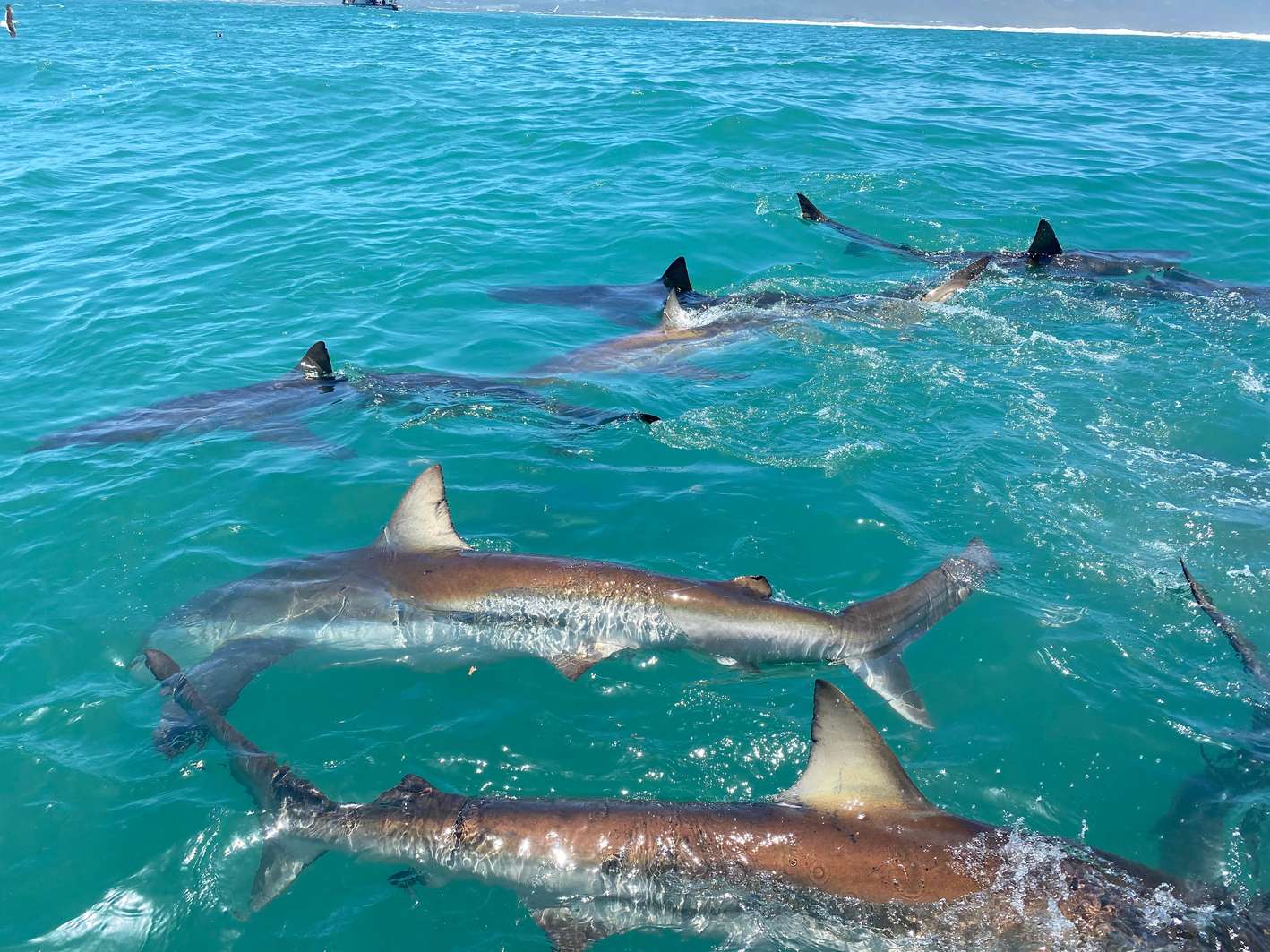
Go for the bronze whalers, not the great whites: expect copper sharks within a couple of feet of the bars.
- 2
Simon's Town is a 3 to 4 hour day from Cape Town; Gansbaai takes 8 to 10 hours with a 2.5 hour drive each way.
- 3
Take motion sickness pills one to two hours before launch, because swell at the anchorage is the most common complaint.
Rough seas cancel a large share of departures: boats launch from Gansbaai on only about 12 days a month in winter and around 20 in summer. Book your cage dive for your first morning in the region, then you still have spare days if the skipper calls off the trip, and you get a full refund or a new date.
Shark Cage Diving worth it - what the trips look like






Shark cage diving value - what your money and day actually buy
sharks on 99% of one operator's trips
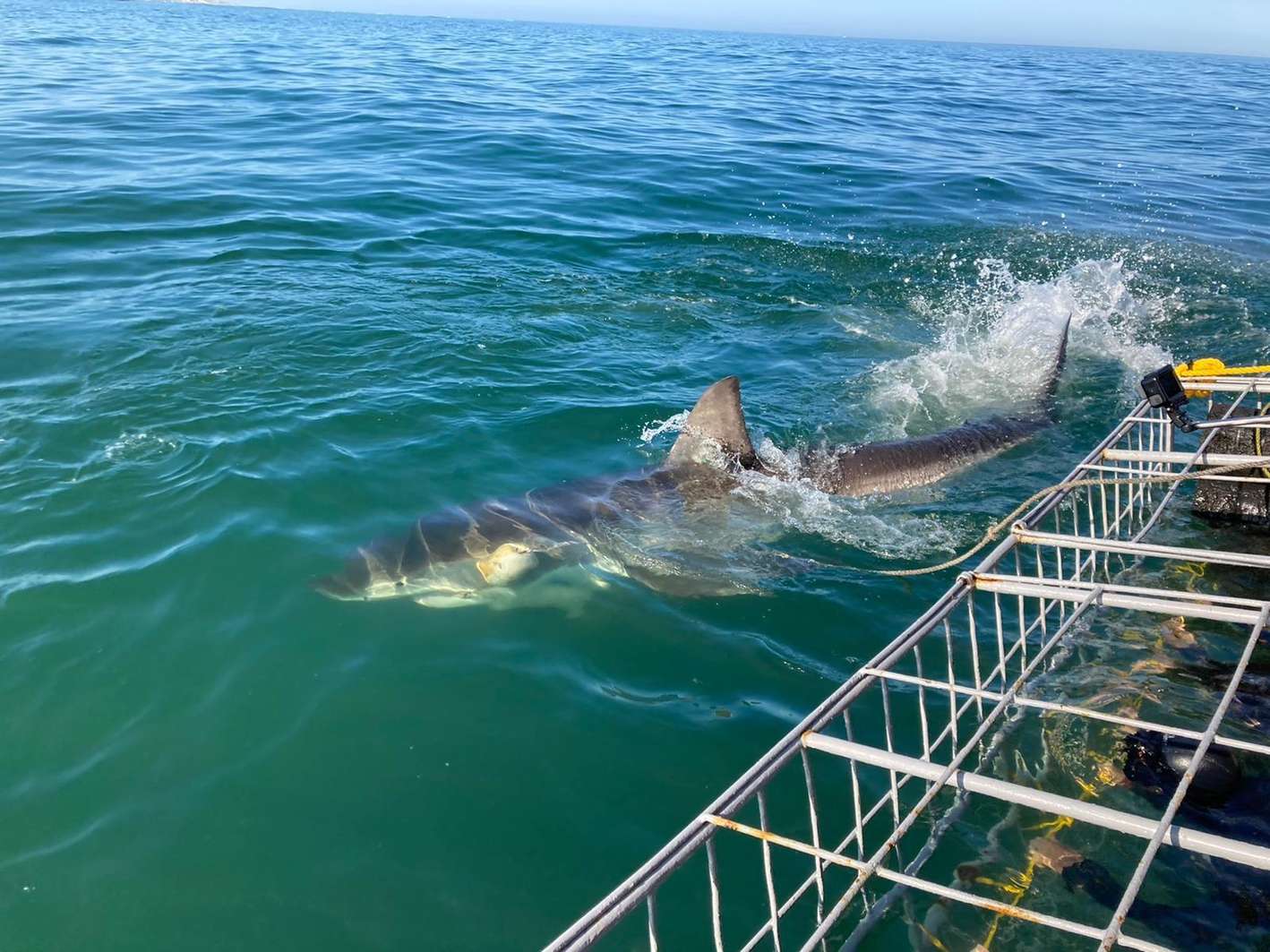
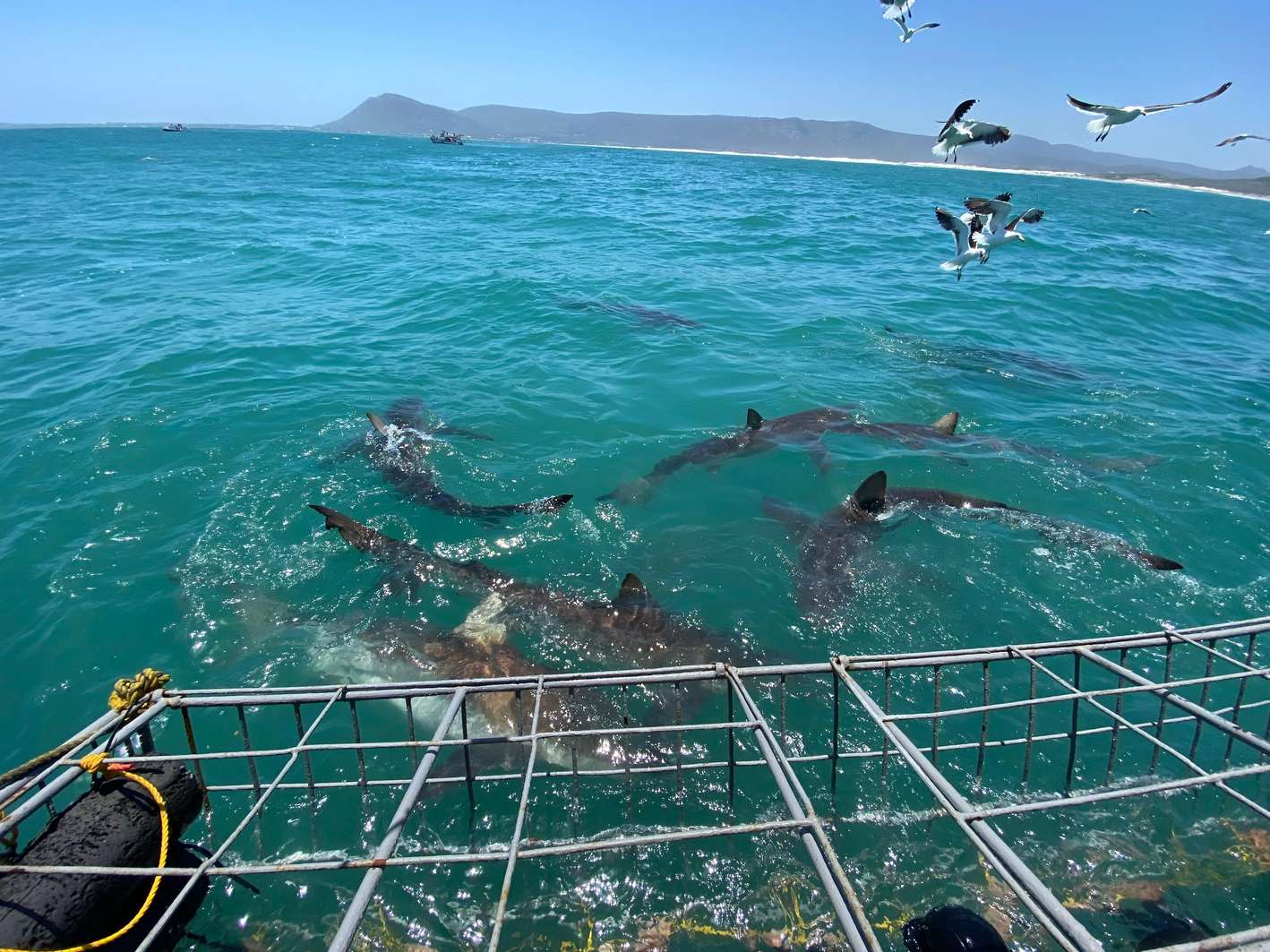
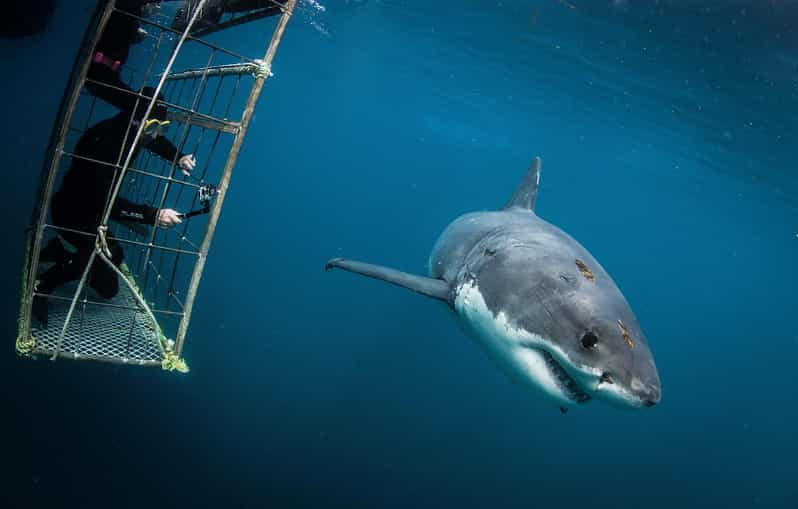
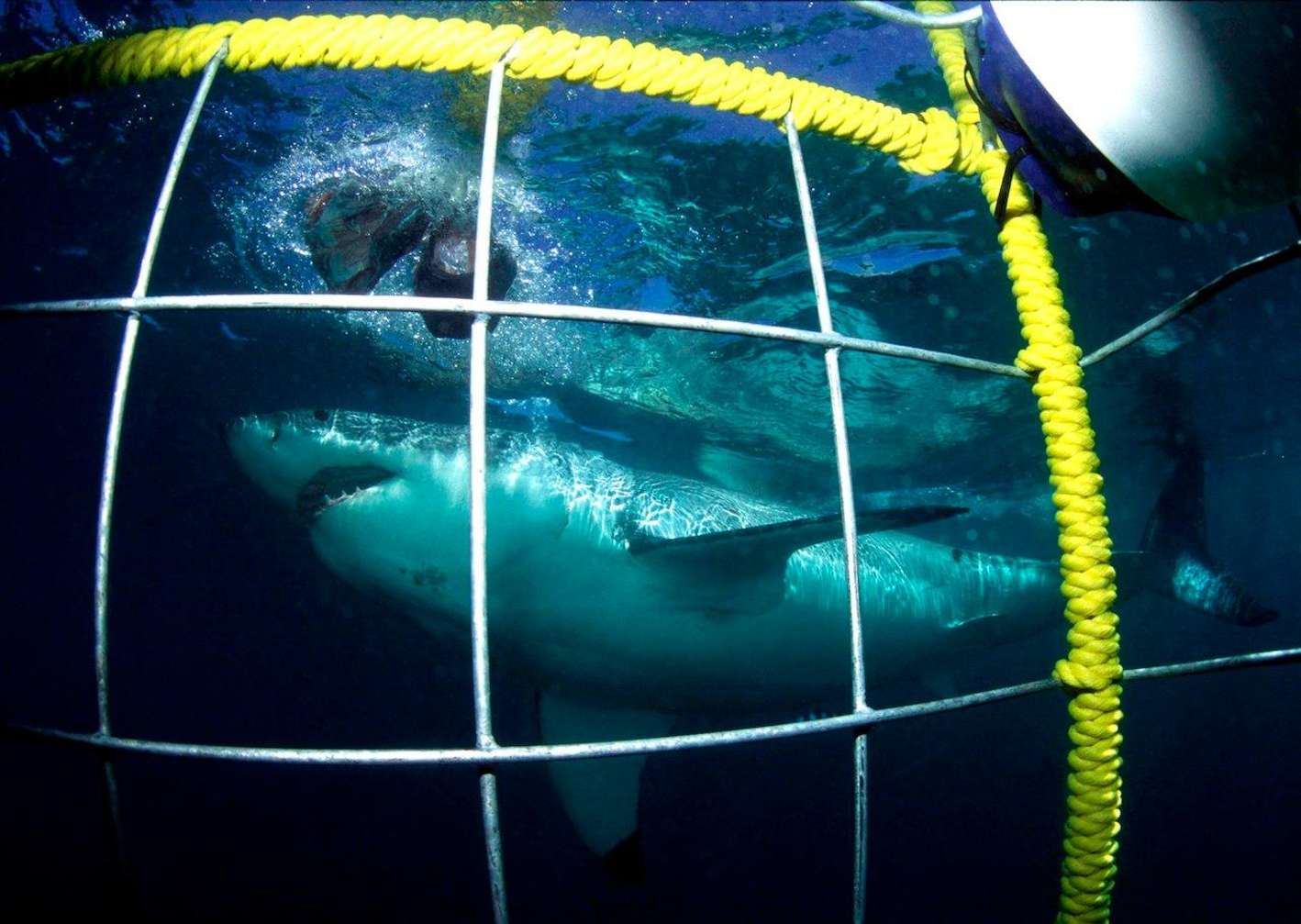
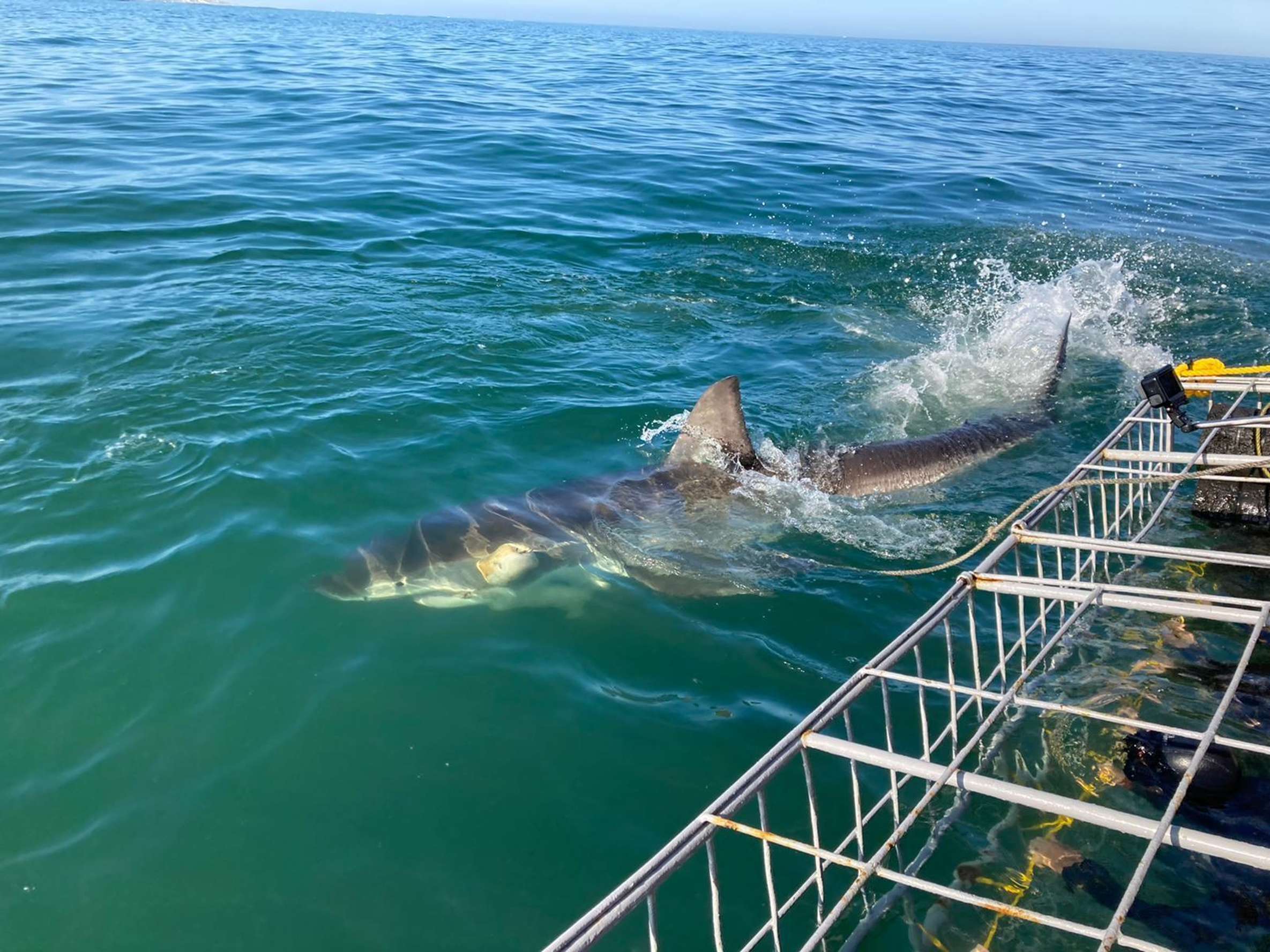
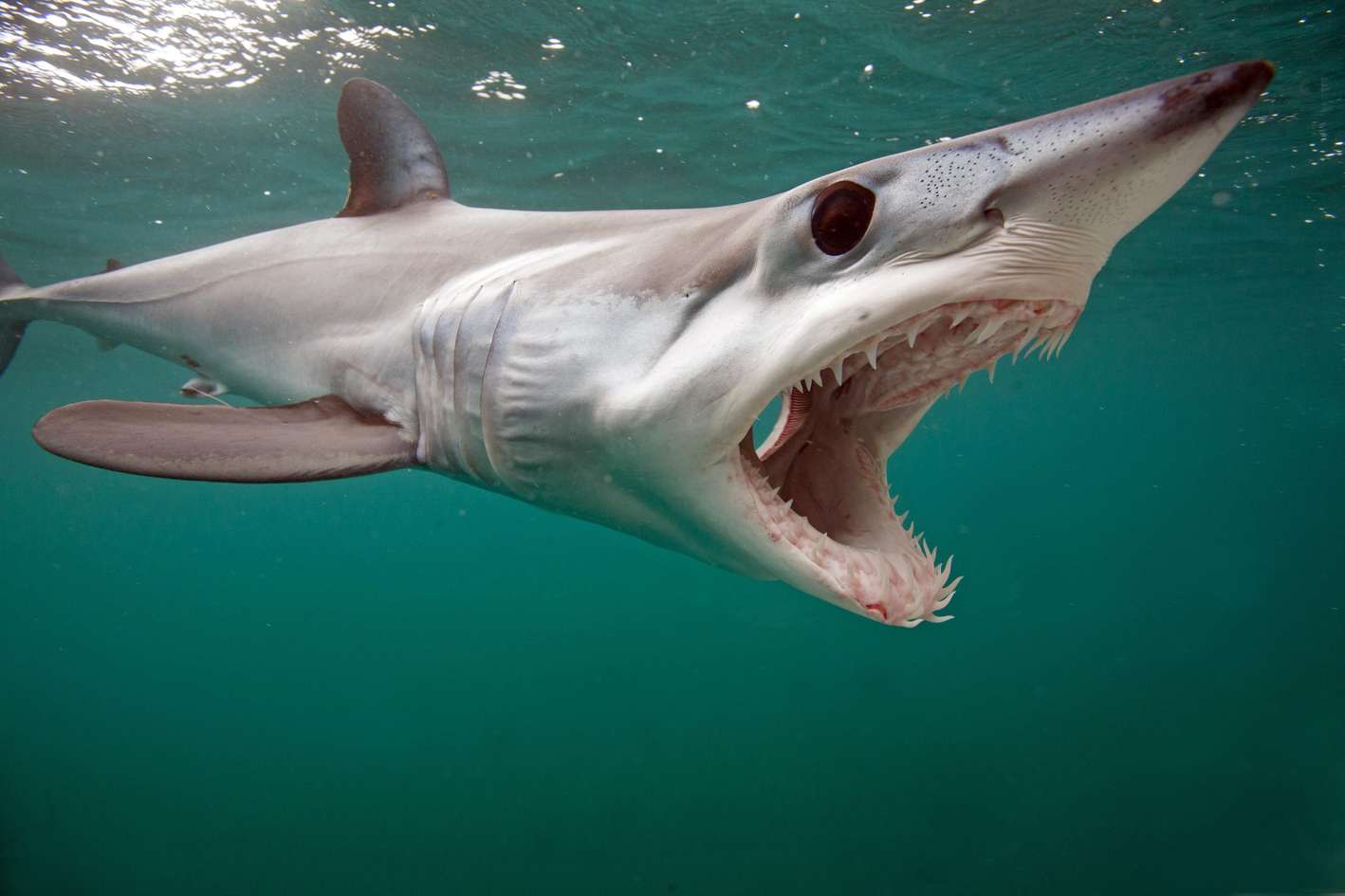
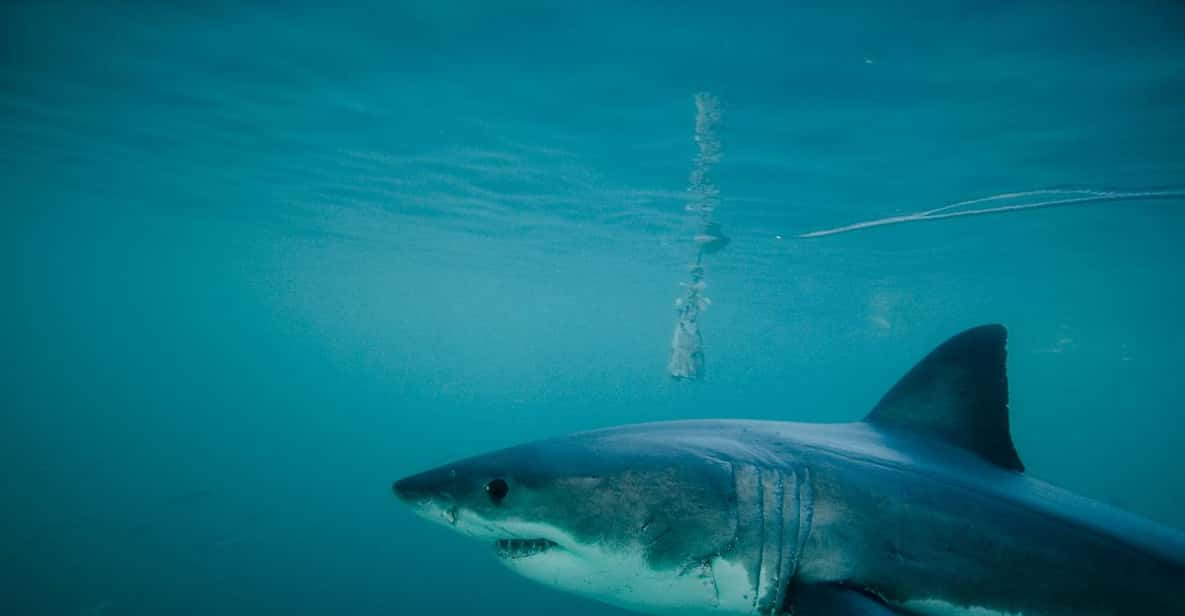
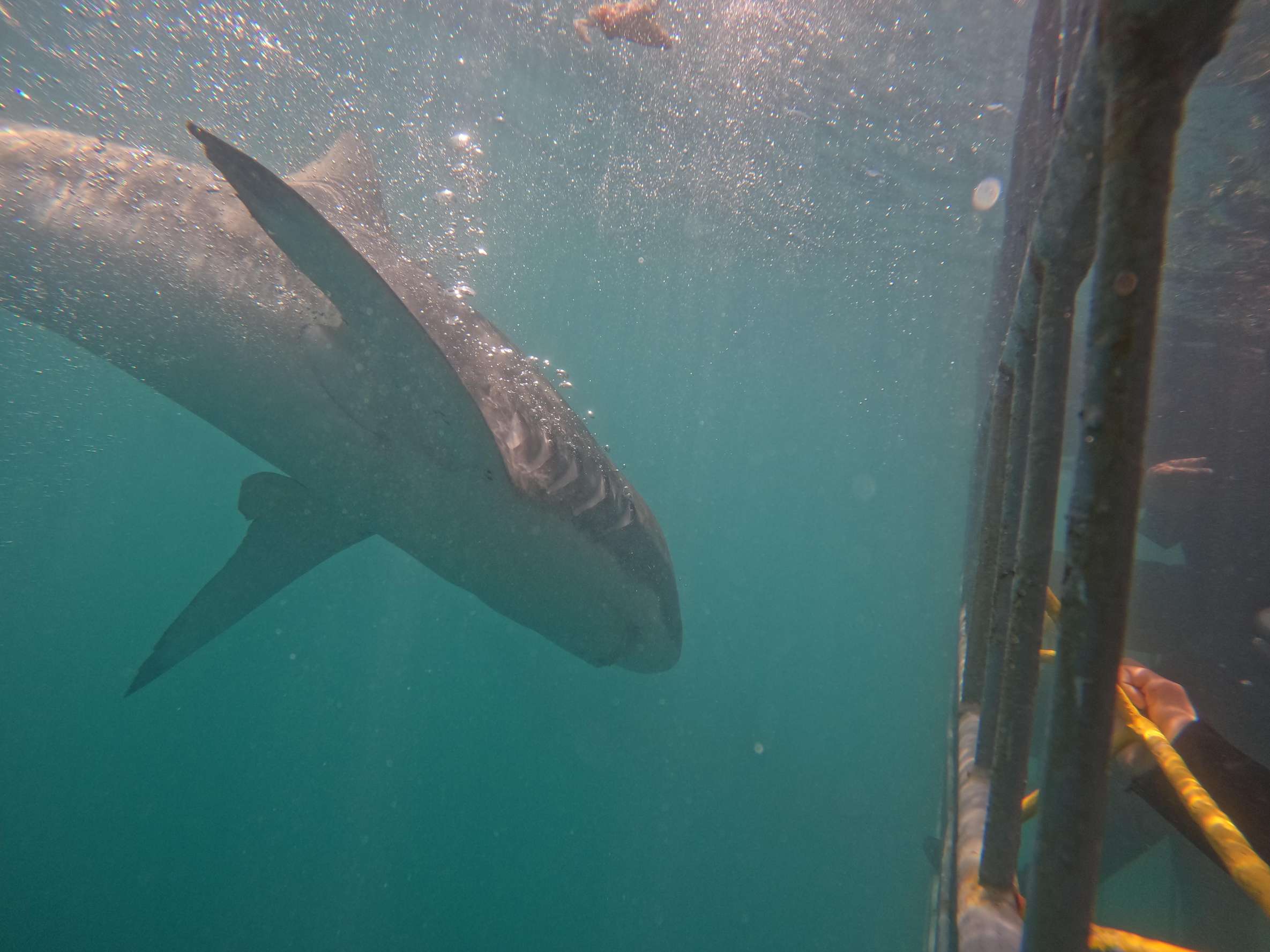
The boat noses up to the chum line and the engine cuts out. Within minutes a dark shape slides under the cage bars, close enough that the gaps between its teeth are visible from a few feet away. Even a smaller bronze whaler looks massive through the water at that range.
So is the trip worth it? On one condition, and it is a fair one: go for the sharks that are actually there. Cage diving near Cape Town delivers close encounters with bronze whalers and sevengills on a good number of trips, and no operator can guarantee a great white or any wild sighting.
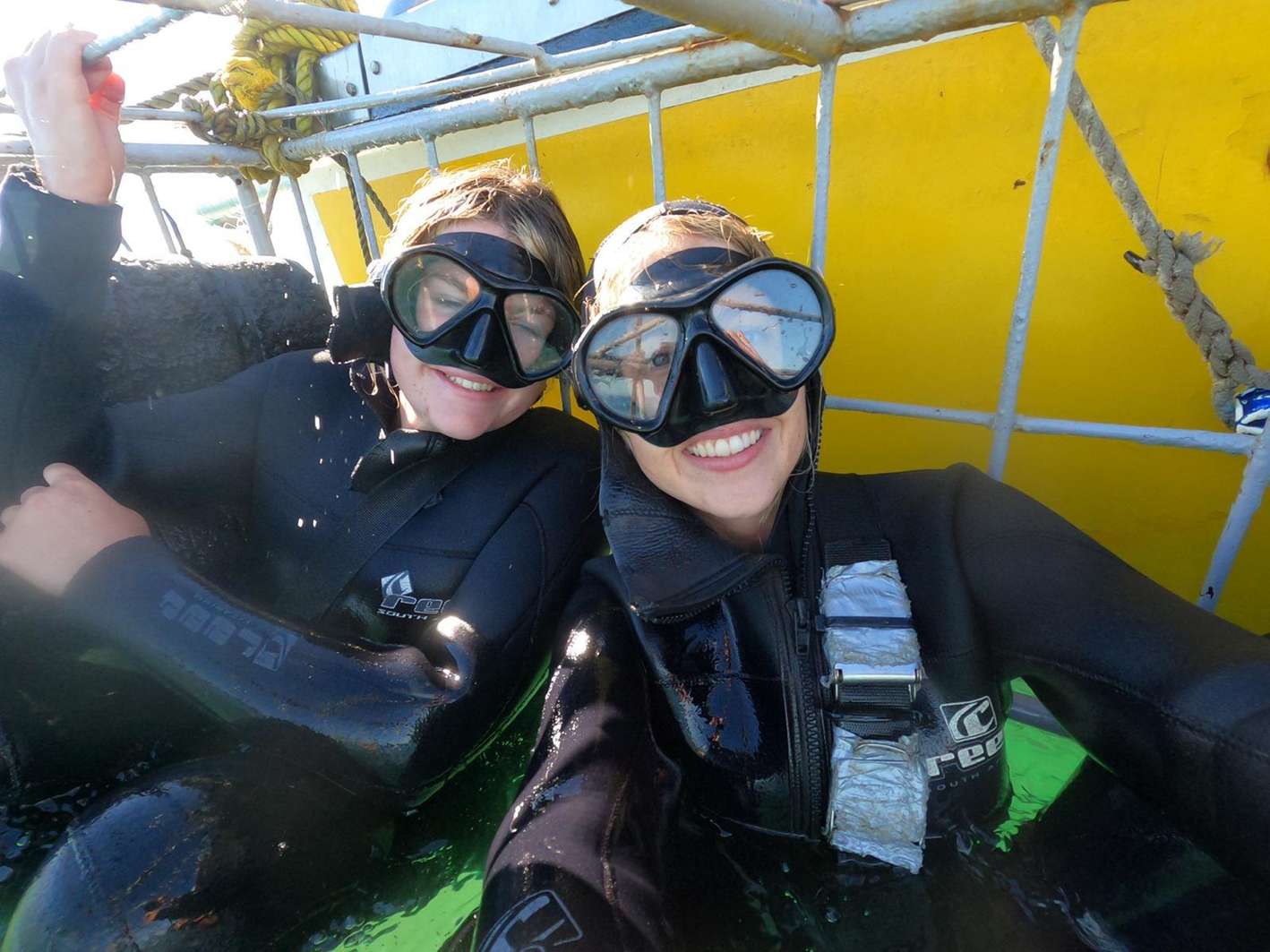
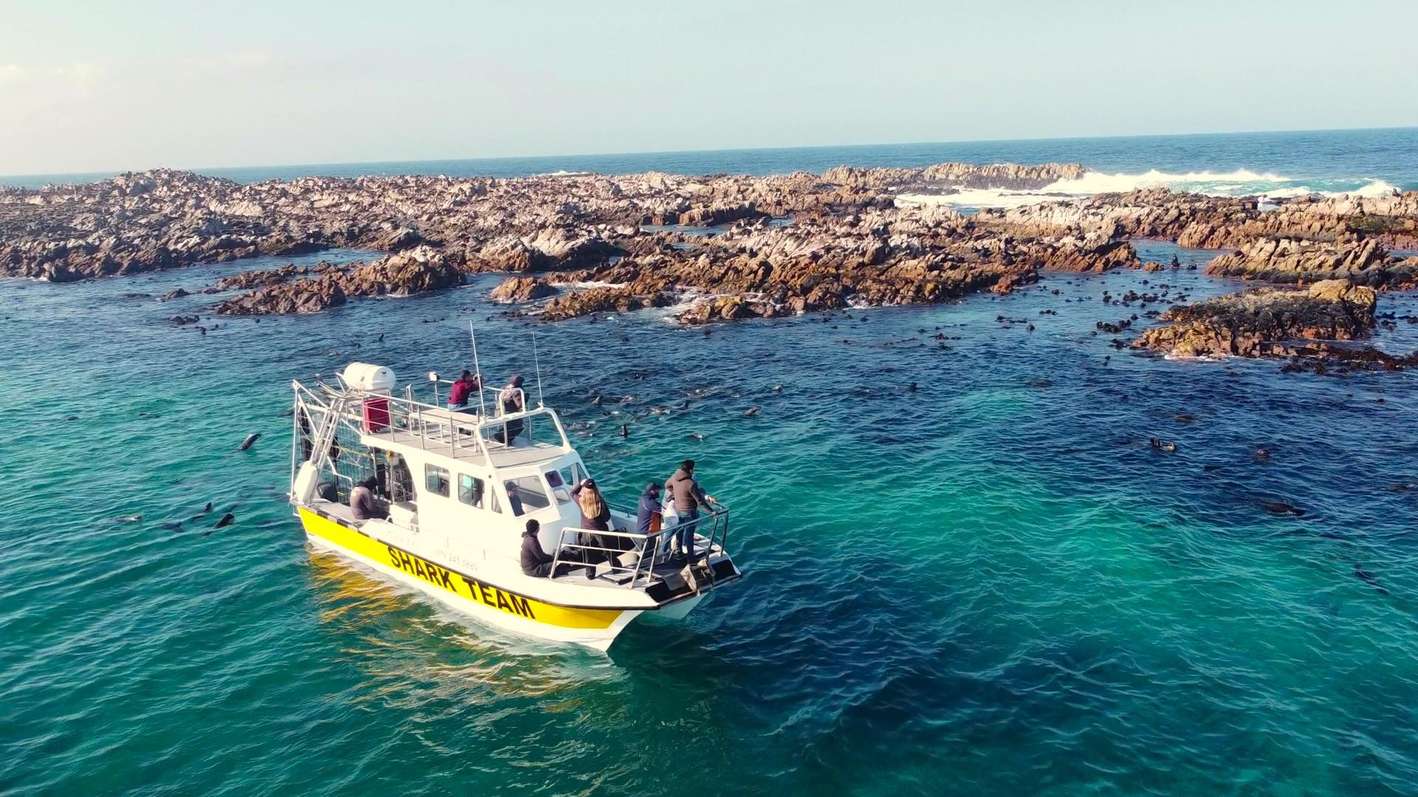
The day itself runs like clockwork. After a briefing and breakfast, the boat anchors, the cage goes in the water, and guests rotate through in groups of four to six. Each turn lasts 20 to 30 minutes, and most divers get a second go when conditions and shark activity allow.
Those numbers matter for planning. A 20 to 30 minute turn in near-freezing water is a real physical event, and the rest of the trip is deck time watching the same sharks from above. Plan the day around both, and the ticket earns its keep.
Which sharks you will really see - great whites versus bronze whalers
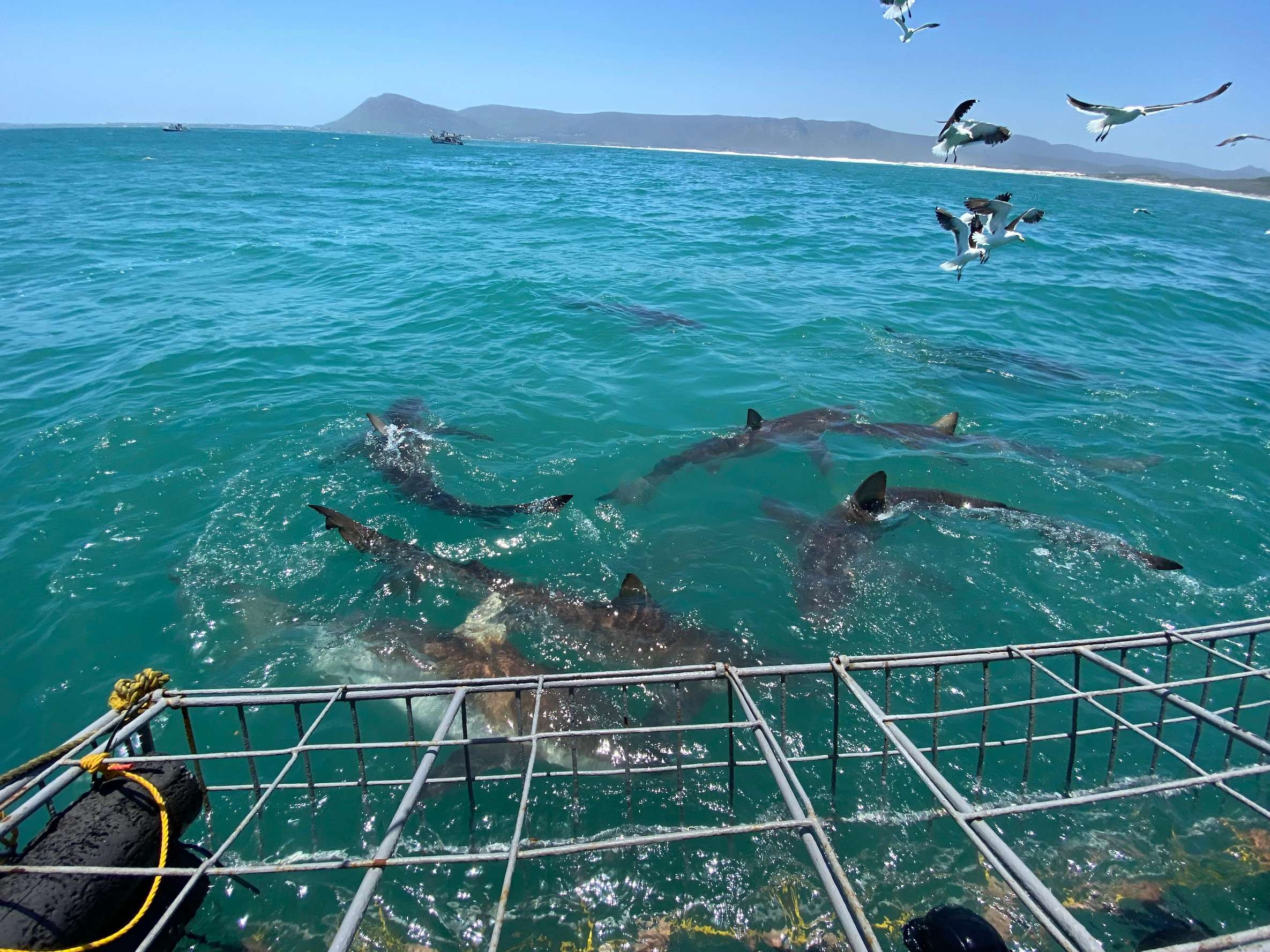
Here is the gap between the photos and the water: bronze whaler sharks are now the main event. They dominate cage diving encounters in Gansbaai and False Bay, alongside broadnose sevengill cowsharks.
One Gansbaai operator counted sharks from the boat on 99% of its own trips in the 2026 season; that tally counts any shark sighted at all, deck or cage, and it is that operator's record, not a promise every boat and every species can match.
The reason is a story worth knowing before you book. Orcas began preying on great whites off Gansbaai in 2017, and the big sharks fled. Bronze whalers, which great whites used to eat, surged in the gap. In 2025, Gansbaai operators saw their first full calendar year without a great white in over 30 years.
That does not mean an empty ocean. Trips still draw numerous bronze whalers, plus stingrays, seals and dolphins, and the sharks often come within a couple of feet of the bars out of plain curiosity.
Bronze whalers now dominate every Cape launch site, and they come just as close to the cage
No operator guarantees sightings of any wild shark, ever
Operators shifted their itineraries to bronze whalers years ago, and encounters are consistent
Book the trip expecting copper sharks at arm's length and you will leave happy. Book it for Jaws and you have set yourself the one disappointment the ocean can reliably deliver.
False Bay or Gansbaai - comparing the two main launch sites
The choice comes down to how much of your holiday the day may take. Gansbaai is the stronger shark destination overall, with more operators, higher shark concentrations and the Dyer Island seal colony. The drive takes about 2.5 hours each way from Cape Town, so the whole commitment runs 8 to 10 hours.
Simon's Town in False Bay trades scale for convenience. The pier sits about 45 minutes from the city centre, the whole day runs 3 to 4 hours, and no long transfer is needed.
Bronze whalers and sevengills are the primary species here too. On a summer day from December to February, False Bay boats regularly find groups of 10 to 20 bronze whalers.
For the short format, the trip to lead with is the Cape Town: Award-Winning Shark Cage Diving in Simon's Town, a 4 hour owner-run cage dive near Boulders Beach and Cape Point with wetsuits, masks and booties plus snacks on board.
False Bay, Gansbaai or Mossel Bay
| False Bay (Simon's Town) | Gansbaai | Mossel Bay | |
|---|---|---|---|
| Drive from Cape Town | 45 to 53 minutes | 2 to 2.5 hours | about 4 to 4.5 hours |
| Full trip commitment | 3 to 4 hours | 8 to 10 hours | around 4 hours |
| Main species | bronze whalers, sevengills | bronze whalers, sevengills | great whites plus bronze whalers |
| Great white odds | near zero through 2024 and 2025 | none logged in 2025, sporadic since | most consistent in South Africa |
| Extra appeal | Seal Island's 65 000 fur seals | Dyer Island seal colony, more operators | furthest to reach |
- Drive from Cape Town
- 45 to 53 minutes
- Full trip commitment
- 3 to 4 hours
- Main species
- bronze whalers, sevengills
- Great white odds
- near zero through 2024 and 2025
- Extra appeal
- Seal Island's 65 000 fur seals
- Drive from Cape Town
- 2 to 2.5 hours
- Full trip commitment
- 8 to 10 hours
- Main species
- bronze whalers, sevengills
- Great white odds
- none logged in 2025, sporadic since
- Extra appeal
- Dyer Island seal colony, more operators
- Drive from Cape Town
- about 4 to 4.5 hours
- Full trip commitment
- around 4 hours
- Main species
- great whites plus bronze whalers
- Great white odds
- most consistent in South Africa
- Extra appeal
- furthest to reach
If a great white is the whole reason for going, Mossel Bay is the long shot worth taking, a four-hour drive east and the one Cape site where they appear most consistently. Most travelers do better choosing a site for the day it gives them.
Getting to Gansbaai from Cape Town - drive times, transfers and the early start
The road to Kleinbaai Harbour is an easy one: east on the N2 over Sir Lowry's Pass and Houwhoek Pass, then the R43 past Hermanus and Stanford. Paved the whole way, about 2 hours 45 minutes and 163 km without traffic. Hermanus and Stanford make the natural stops for fuel, coffee and bathrooms.
Self-driving or booking a transfer is a genuine toss-up. Most pickups run smoothly, though one traveler reported a late one, so the surest arrangement is a tour that owns the whole day.
The Cape Town: Shark Cage Diving Tour (with Breakfast & Lunch) takes the problem away entirely, with air-conditioned hotel transfers to a full 8-hour Gansbaai day and breakfast on arrival.
Whichever way you go, the start is early. Skippers wait on the marine forecast, so departure times firm up only the afternoon before, and collection times land around 4 pm the day prior. Keep the day open in case the sea has other plans, and leave nothing booked tight after it.
Best time of year for visibility and calm seas in Gansbaai and False Bay
The seasons trade visibility against cancellations, and it helps to know which one you are buying. Winter, from May to September, is when the water is clearest: Gansbaai visibility averages 3 to 6 metres and can reach 15 in calm conditions, against 2 metres or less in summer.
The price is swell. Winter storms push the biggest waves of the year at both launch sites.
Summer brings calmer surface water in Gansbaai and the highest bronze whaler counts in False Bay, but southeasterly winds stir up sand and plankton, and the crowds arrive with them. In Gansbaai the windiest stretch runs July into August.
October sees crowds pick up again as spring warming begins, though underwater visibility becomes more variable.
Tap a month to read it.
July has low visitor numbers and frequent winter storms, though diving windows between cold fronts provide peak underwater visibility.
Tap a month to read it.
July has low visitor numbers and frequent winter storms, though diving windows between cold fronts provide peak underwater visibility.
Tap a month to read it.
August offers high underwater clarity and active marine life despite cold air, rougher seas, and quiet tour bookings.
Tap a month to read it.
January is a busy summer month with warm weather and frequent southeasterly winds that bring murky water and reduced underwater visibility.
Tap a month to read it.
What those figures decide is simple. Winter buys you water you can see through and fewer people on the boat, at the cost of rougher seas and more cancelled launches; summer buys a calmer surface, denser crowds and murkier water.
In either season, take the earliest boat of the day: seas are calmest first thing, before the wind builds, and clearer water plus a smoother anchorage usually comes with livelier shark activity.
Book the earliest day of your stay too, so a weather cancellation has room to move to another date.
Boat crowding and how many real minutes you get with the sharks
The worry is sharing one cage with a boatload of strangers, and the honest answer is that rotations are the system.
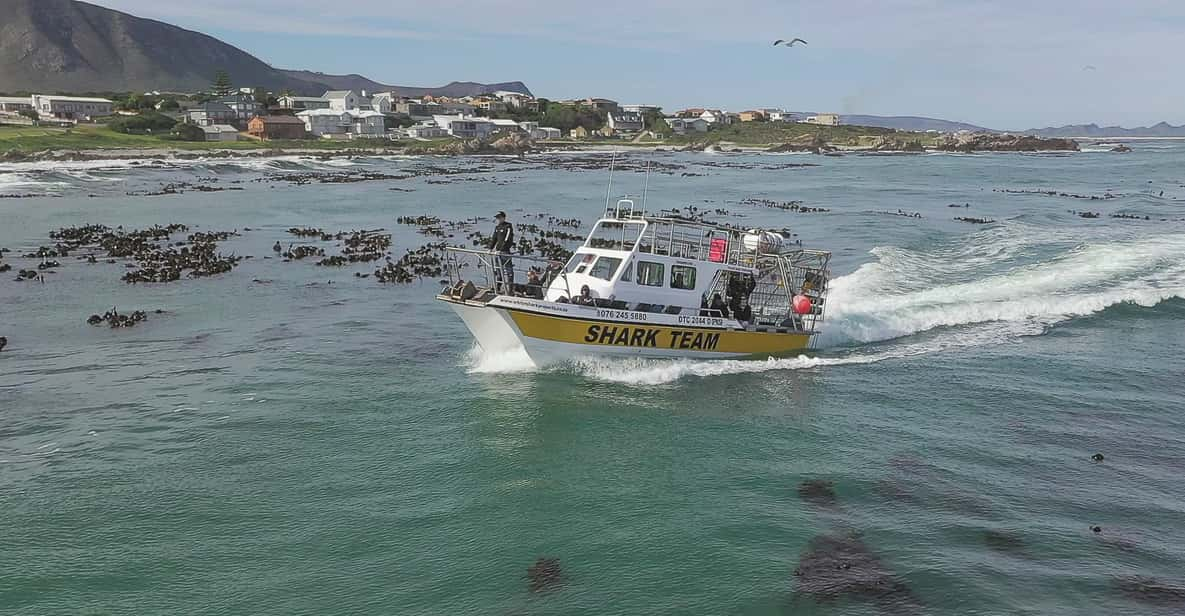
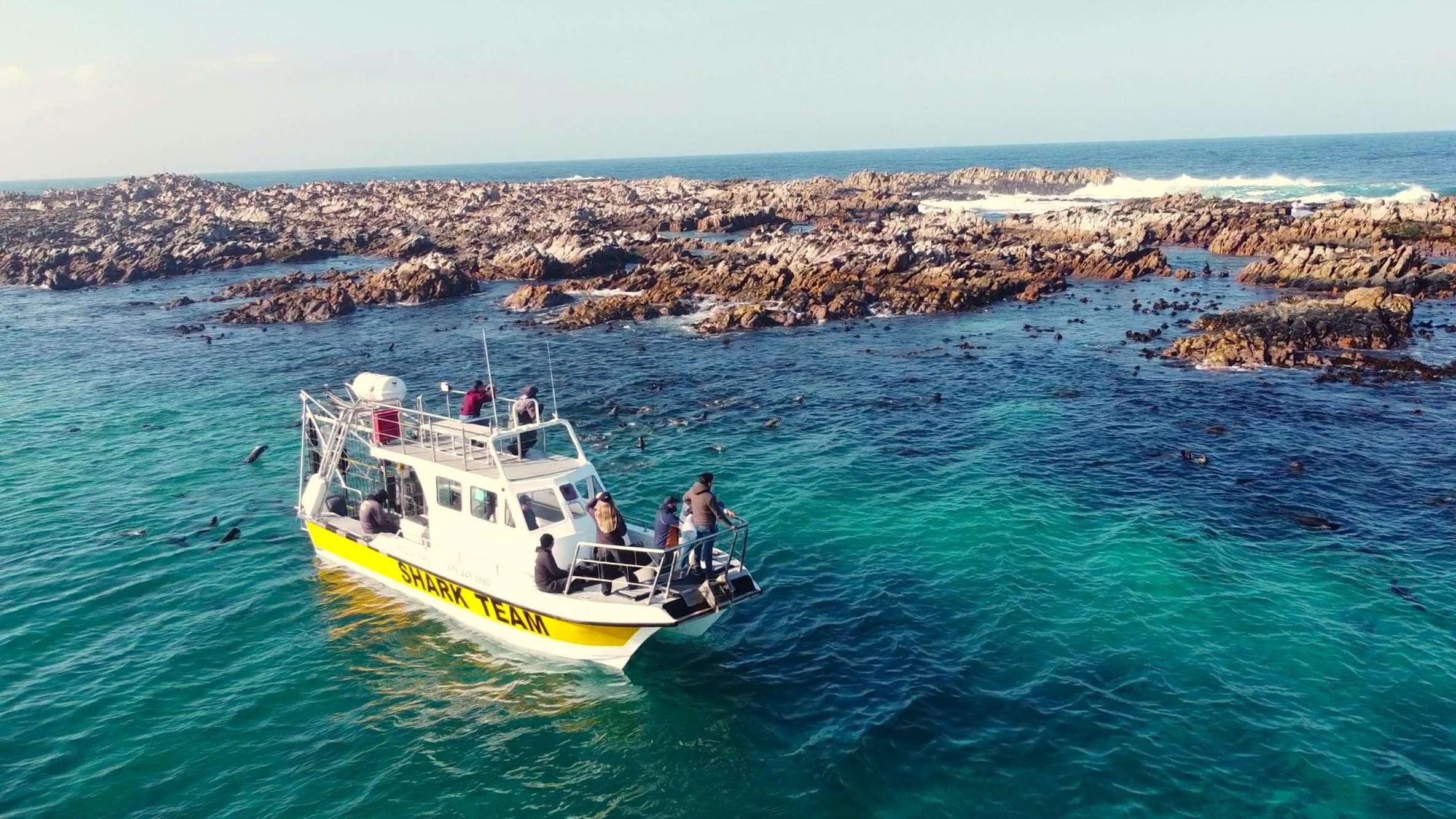
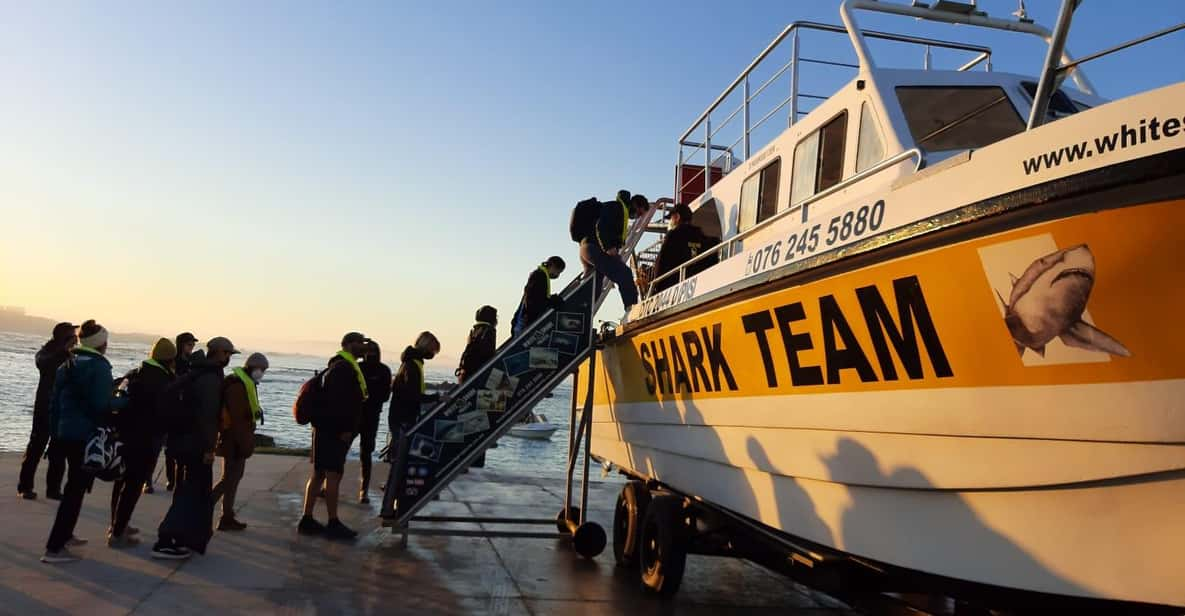
Cages take four to six divers at a time, Simon's Town boats run smaller cages with fewer people, and Gansbaai operators use big vessels where a stable catamaran and a high top deck actually improve the viewing for everyone waiting.
Crowding matters less than timing. The mistake first-timers make is volunteering for the very first rotation, which means sitting in the cage before any sharks have arrived at the boat. Regulars skip the first rotation, watch from the deck where the action is, and then go in once sharks are working the chum line.
What nobody tells you
Early turns often spend their 20 minutes waiting before sharks reach the boat
You will see where the sharks are circling and enter into a live show
If sharks only turn up late, most crews will slot you back in when there is room
Hook a foot under the bottom rung or grip the handrails so the swell does not toss you around
Do that, and a busy boat stops mattering. Your water time lands when the water is actually full of sharks.

Cold water, wetsuits and beating seasickness at the anchorage
The water runs from a summery 18 to 21 degrees down to 14 or 15 in winter, which reads as cold every month of the year.
It does not stop anyone, because operators supply thick 5 mm or 7 mm full wetsuits with booties, and some add hoods and boots as standard. A swimsuit underneath is all you need in the cage; a warm jacket, fleece and beanie are what you want on deck.
Seasickness causes more complaints on these trips than the sharks do. The rough swell while the boat sits anchored is to blame, so take motion sickness tablets one to two hours before launch. Once nausea starts, the stomach stops absorbing pills and nothing works.
And if you are the unlucky one anyway, the crew has seen it all. They will point you to hydration, rest or a better seat, and nobody gets pressured into the water while dizzy. You can sit out a dive at any point, no questions.
Surface viewing from the deck versus going into the cage
Staying dry is a real option on every boat, and when summer visibility drops below a couple of metres, the deck can beat the cage. From an elevated vantage you see a shark's whole shape and movement, and you watch how stealthily these animals appear and vanish around the hull.
10/10. Nina, Jason and Ernest were welcoming, explained everything and answered our questions. Saw 10-12 sharks, including rarer 7 gills! Lindy was super responsive beforehand. Highly recommend.
Every operator welcomes guests who prefer to stay dry, and the upper deck gives the widest sightlines over the chum line. Sharks, dolphins, seals and penguins are all visible from it.
The cage has its own argument, though. Once you are in and holding the rails, the surge on your body stops, and submerging to watch a shark pass feels calmer than standing on a choppy deck.
The best move is to try both: watch the first rotation from up top, then claim your slot with a clearer idea of where the sharks are running.
Safety, age limits and who can go in the cage without scuba certification
The record answers the fear directly: commercial operators in South Africa hold a perfect human safety record against shark attacks, and sharks do not ram steel cages.
Every vessel and cage must be certified safe by the maritime authority, cages are engineer-certified steel with no sharp edges, and any accidents on record came from boats, not sharks.
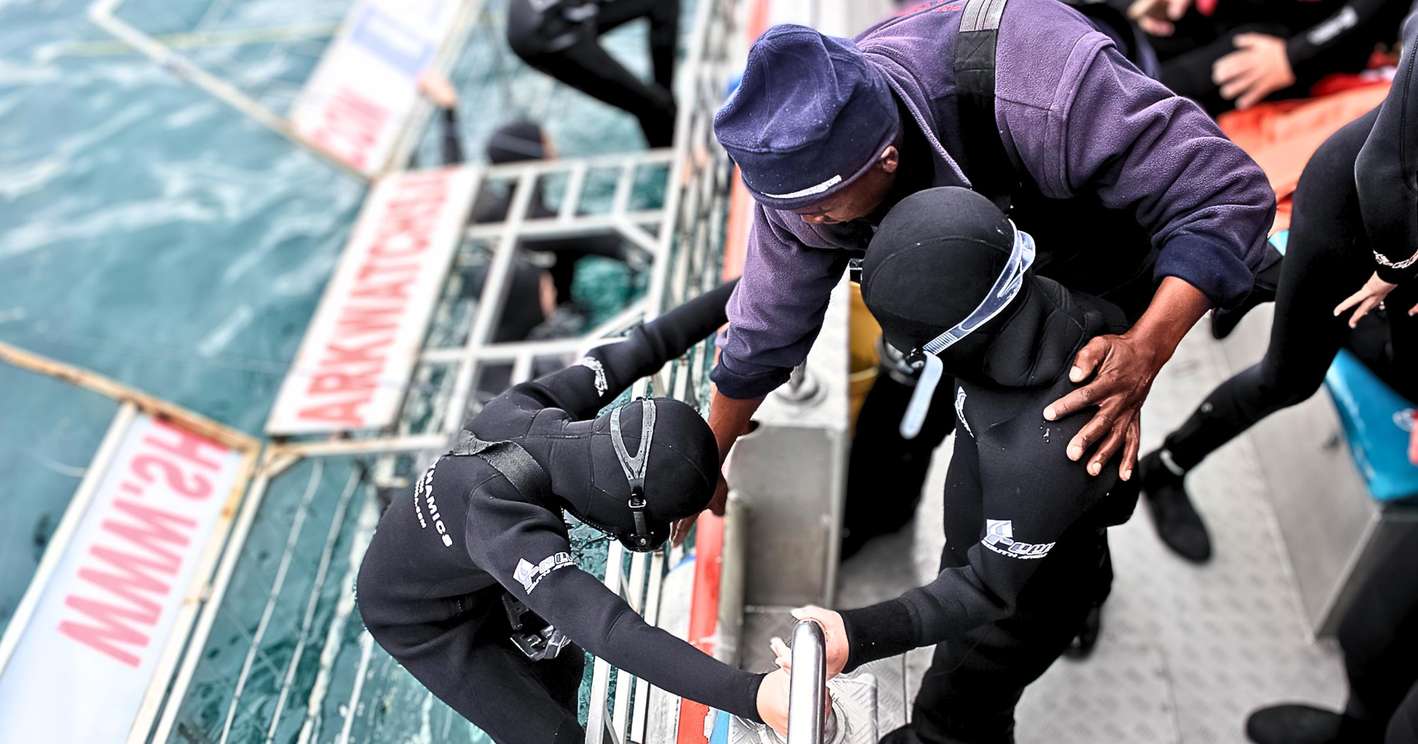
No scuba certification and no diving experience are needed anywhere. Surface cages work on breath-holds or snorkels, with some operators running surface-supplied air lines, so the only physical demand is climbing up and down the ladder in a swell.
No law sets the age rules; each operator decides them. Cage entry typically starts between 7 and 12 years old, one operator takes only children 12 and up, and younger children ride along as deck viewers.
Boats generally welcome children from 5 or 6, and children aged 9 to 14 do well in the cage if they are confident in water.
Water comfort matters more than swim fitness. The cage holds you at the surface and you can stand or kneel on its floor, but swell tugs at anyone in open water, and a beginner without basic water confidence can panic.
Cold or nerves are never a trap either: you can step out of the cage at any moment.
Zero-sighting policies and what happens when weather cancels the trip
The ocean gets a vote, so know the rules before you pay. Weather cancellations are the clean case: when the skipper calls off a launch, and the call usually comes the afternoon before, guests get a full refund or a new date.
Tours can also be cancelled up to 24 hours in advance for a full refund.
Zero sharks is a softer outcome. A trip counts as successful the moment a shark is sighted from the boat, cage or no cage. When nothing appears, some operators hand out a non-transferable return voucher, and others let guests join another trip free on an alternate day.
What happens if the day changes
| If this happens | What happens then |
|---|---|
| Weather cancels the launch before departure | A full refund or a rescheduled date |
| No shark activity during the trip | A non-transferable return voucher from one operator, a free alternate-day trip from another |
| Strong winds rise while the boat is at sea | The boat returns for safety, and refunds are not given |
| Transport booked separately and the launch fails | Transport costs stay payable, though the rescheduled day travels free |
The two cases that sting are mid-trip wind and paid transport, so the plays are simple. Book the earliest day of your stay, arrange transport through the tour where you can, and read a zero-shark policy as part of the price rather than a surprise.
What shark tour prices include and the extra costs to budget for
A good ticket covers more of the day than people expect. Breakfast on arrival, snacks and drinks on board, a light lunch or hot soup and bread after the dive, and all the diving gear are standard at the established Gansbaai operators.
The cheapest ticket is often the most expensive by the end: gear rental, meals and a rental car with fuel add up fast when a tour leaves them out.
The usual extras are photo and video packages, tips for the crew at the same 10% as restaurants, and any drinks beyond what the boat pours. Many operators hire GoPros on board if you did not bring one.
For the fullest bundle, the Cape Town: Gansbaai Eco-Friendly Shark Cage Diving Cruise takes some beating: round-trip transport from Cape Town if you take that option, all dive equipment, breakfast or lunch on arrival, snacks and drinks on board, a post-dive light lunch, and a visit to the African Penguin and Seabird Sanctuary folded in.
One caution travels with it: a compulsory conservation fee sits on top of the ticket, so carry a little extra cash for the harbour.
Tally those line items before comparing anything, and the difference between tickets usually tells you exactly what each day includes.
Combining shark cage diving with southern right whale watching
For a trip built in winter, Gansbaai hands you two headline animals in one week. Combination tours run the whole migration season from mid-June to mid-November, pairing a Gansbaai cage dive with boat-based southern right whale watching in Hermanus, only a 45-minute drive apart.
August and September are the sweet spot. Whale sightings peak, cage diving crowds are still quiet to moderate, and the October rush has not arrived. One full day covers both coasts of the experience: sharks at the chum line one morning, whales in Walker Bay the next.
The winter water brings a third bonus. June through August is when great white sharks are most likely to breach at Seal Island in False Bay, hunting young seals at first light. Breaches happen around sunrise, before the sharks disperse inshore for the summer, so it is an early-alarm excursion rather than a midday one.
A winter itinerary, then, reads like this: cage dive and whales across two days, plus a dawn on Seal Island if the breach is the shot you want. Pack the warm layers twice over. It is the version of this trip that gives the most back for the flights.
Worth it, with the right expectations
Shark cage diving in the Cape is worth it for anyone open to bronze whalers and sevengills, which now come within feet of the cage on most trips.
It is not for anyone who books only for a great white, since those sightings are rare. Choose Simon's Town for a short day, Gansbaai for the strongest all-round operation.
What to know before you book a shark cage dive
Gansbaai sits about 2.5 hours from Cape Town along the N2 over Sir Lowry's Pass, and the roads are paved all the way. Hermanus and Stanford make easy stops for fuel, coffee and bathrooms. Simon's Town is far closer, roughly 45 minutes from the city centre.
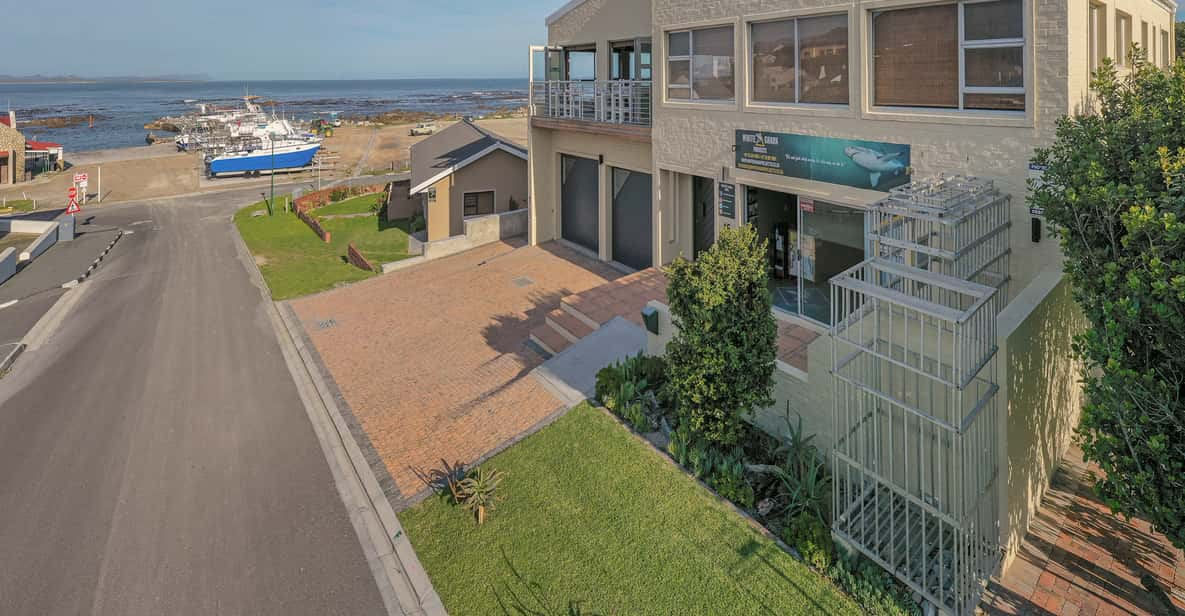
Several tours include door-to-door hotel transport in Cape Town, so a rental car is not required. Self-driving works too, and you meet the crew at their office or at the Kleinbaai slipway. Confirm which option you booked, since the meeting-point versions cost less and put the driving on you.
Every dive on this page supplies the full kit: a 5 mm or 7 mm wetsuit, mask, boots and hood, with sizes to fit everyone. Bring only a swimsuit to wear under your clothes and warm layers for the deck. There is no gear rental bill waiting at the harbour.
You will not go hungry on these trips. Most start with breakfast or a continental buffet on arrival, keep snacks, fruit and drinks going on board, and serve a light lunch or hot soup and bread once the boat is back. Eat light and low-fat beforehand to help your stomach.
A few things sit outside the ticket. Photo or video packages cost extra on some tours, tipping the crew follows the usual 10% South African custom, and sea sickness tablets are yours to bring. Some Gansbaai operators also add a compulsory conservation fee on top of the fare.
The skipper, not a fixed rule, decides whether the boat launches, usually confirming the afternoon before. Winter swell cancels more Gansbaai departures, about 18 days in 30 from April to October, against roughly 10 in 30 during summer. Book the earliest day of your stay so a reschedule still fits your trip.
Cancel up to 24 hours ahead for a full refund on these tours. If rough sea stops the launch, you choose a full refund or another date, and transport is often rebooked free. One limit worth knowing: if winds force the boat home mid-trip, no refund applies.
Sharks are wild, so no operator can promise a sighting. What softens the risk is the policy: one Gansbaai operator hands you a return voucher when there is no shark activity, and another lets you join a later trip on an alternate day at no charge. A shark glimpsed from the deck already counts as a successful day for some crews.
“Everything ran perfectly, punctual pickup, breakfast and briefing in Gansbaai.”
Is a shark cage dive really worth it? Your questions answered
Is shark cage diving in Cape Town worth it?
It is, if you go with the right expectations. Bronze whaler and broadnose sevengill sharks are now the main species seen on trips from Cape Town, and seeing a great white is no longer something you can count on.
The day on the water, the deck views and the close encounters with the sharks that show up still make it a solid spend for most travelers.
Will I see a great white shark?
Probably not. Great white sightings in False Bay and Gansbaai have become rare after orcas displaced the sharks, and in 2025 one Gansbaai operator went a full calendar year without a single sighting. Set your hopes on bronze whalers, which show up regularly, and treat a great white as a bonus.
Which sharks am I realistically going to see?
In Gansbaai, expect bronze whalers, also called copper sharks, with sevengill sharks also reported. In False Bay, sevengills and bronze whalers are the reliable species. One Gansbaai operator recorded a 99% shark sighting success rate during its 2026 season, so sharks themselves are very likely, just rarely great whites.
Is it better to dive from Simon's Town or Gansbaai?
Simon's Town is about 45 minutes from Cape Town and the whole trip takes around 3 to 4 hours. Gansbaai needs a 2 to 2.5 hour drive each way and 8 to 10 hours of your day.
If time is short, Simon's Town gives you the cage dive without giving up the whole day; if you want the fullest operation, Gansbaai delivers more.
Do I need to know how to swim?
No certification or diving experience is needed, and you stay at the surface with your head and shoulders above water. Some basic comfort in choppy water helps, since swell can pull at you against the cage. You hold your breath on cue or use a snorkel, and anyone can stay dry on the deck instead.
What if I stay out of the cage?
Surface viewing from the boat deck can be just as clear as being inside the cage, and on low-visibility days it is often clearer. From above you watch the whole shape and approach of each shark. Plenty of guests stay dry and still count the trip as a success.
How do I avoid ruining the day with seasickness?
Rough swell while the boat is anchored is the most common complaint on these tours. Start motion sickness tablets the night before, take another dose about an hour before boarding, and keep your pre-trip meal light and low fat. Greasy or spicy food before an early launch makes nausea far more likely.
What does a lower ticket price hide?
Trips that skip transport, gear or meals can cost more once you add a rental car, fuel and photo packages. Crew tips follow the usual 10% restaurant standard. Check what is bundled in before comparing rates, since a fuller package often works out cheaper for the day.
What happens if no sharks appear?
Some operators offer a return voucher or a free place on another trip when a tour sees no shark activity. Weather cancellations get a full refund or a new date. Operators cannot guarantee sightings of wild sharks, so pick one with a fair no-sighting policy before you book.