- 1
The boat reaches Seal Island in about 10 minutes, and the whole trip takes roughly 4 hours from check-in to return.
- 2
Winter, from May to August, brings the most great white activity and the clearest water.
- 3
Take seasickness tablets the night before and again before boarding, even though the bay is sheltered.
What divers said after their shark cage diving trip in Mossel Bay
Most reviewers praised their guide by name, saying he shared local knowledge and looked after them all day.
Several travelers found the safari lodge stay as memorable as the diving, even when the white shark never showed.
A few reviewers wished they had more time for photos, with one guide turning the van around just for them.
 ★★★★★
Definitely the best experience of our late January 2025 Cape Town days.
Jasmin · Germany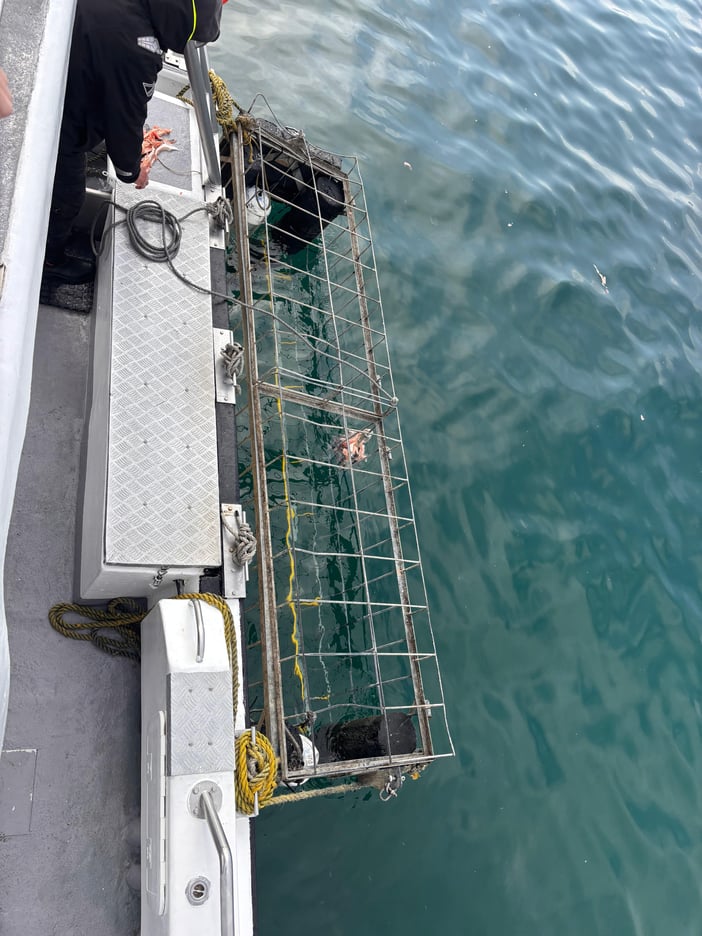 ★★★★★
Amazing day seeing white sharks and a playful seal! Great service, all equipment provided, friendly crew, plus a warm shower and soup afterward. Our driver got us back to Cape Town safely.
Brenda · United States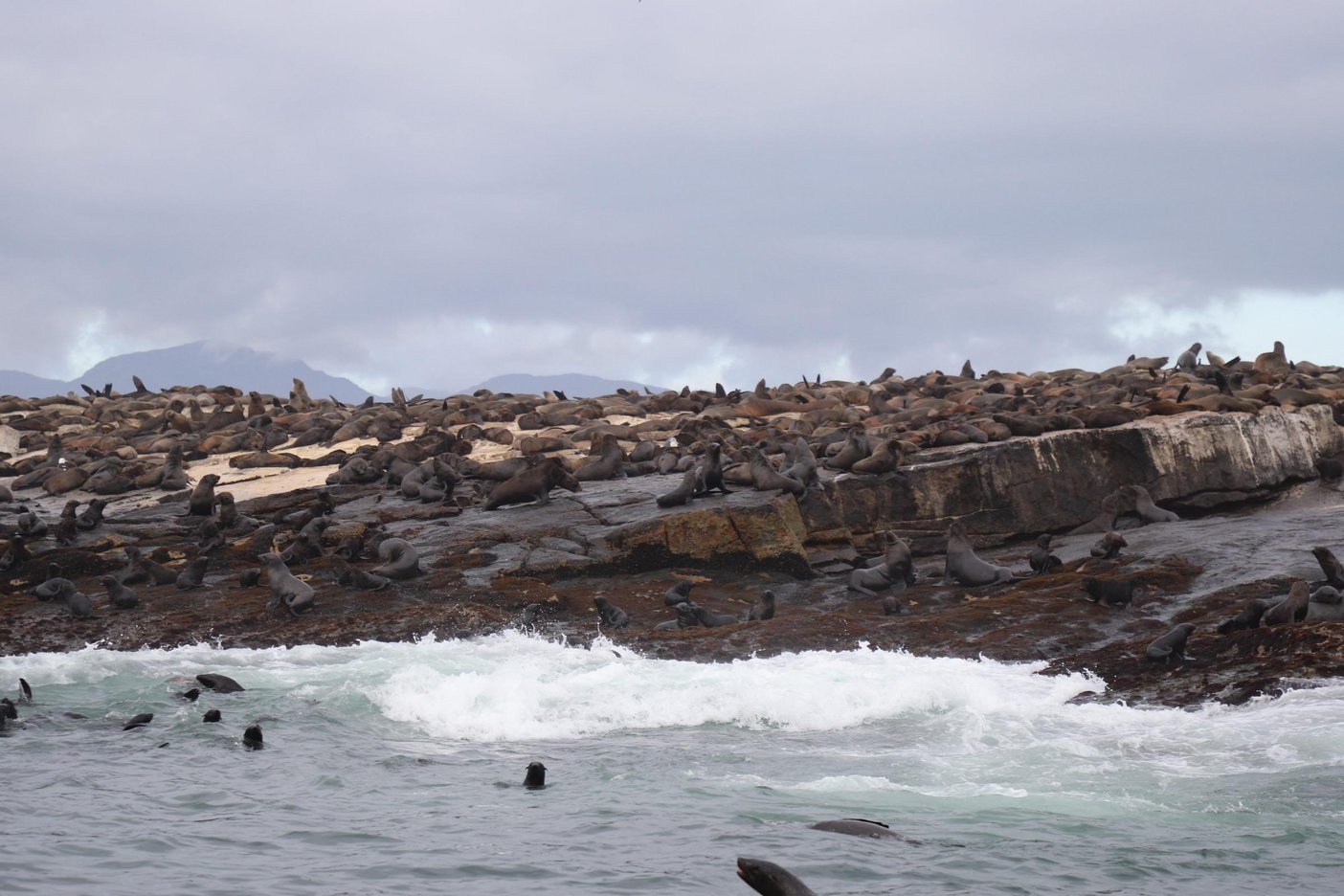 ★★★★★
Fantastic trip! Loads of cage time with so many sharks. The Seal Island stop was cool, we saw other animals too, and being surrounded by a megapod of dolphins is unforgettable.
Brooklyn · United States ★★★★★
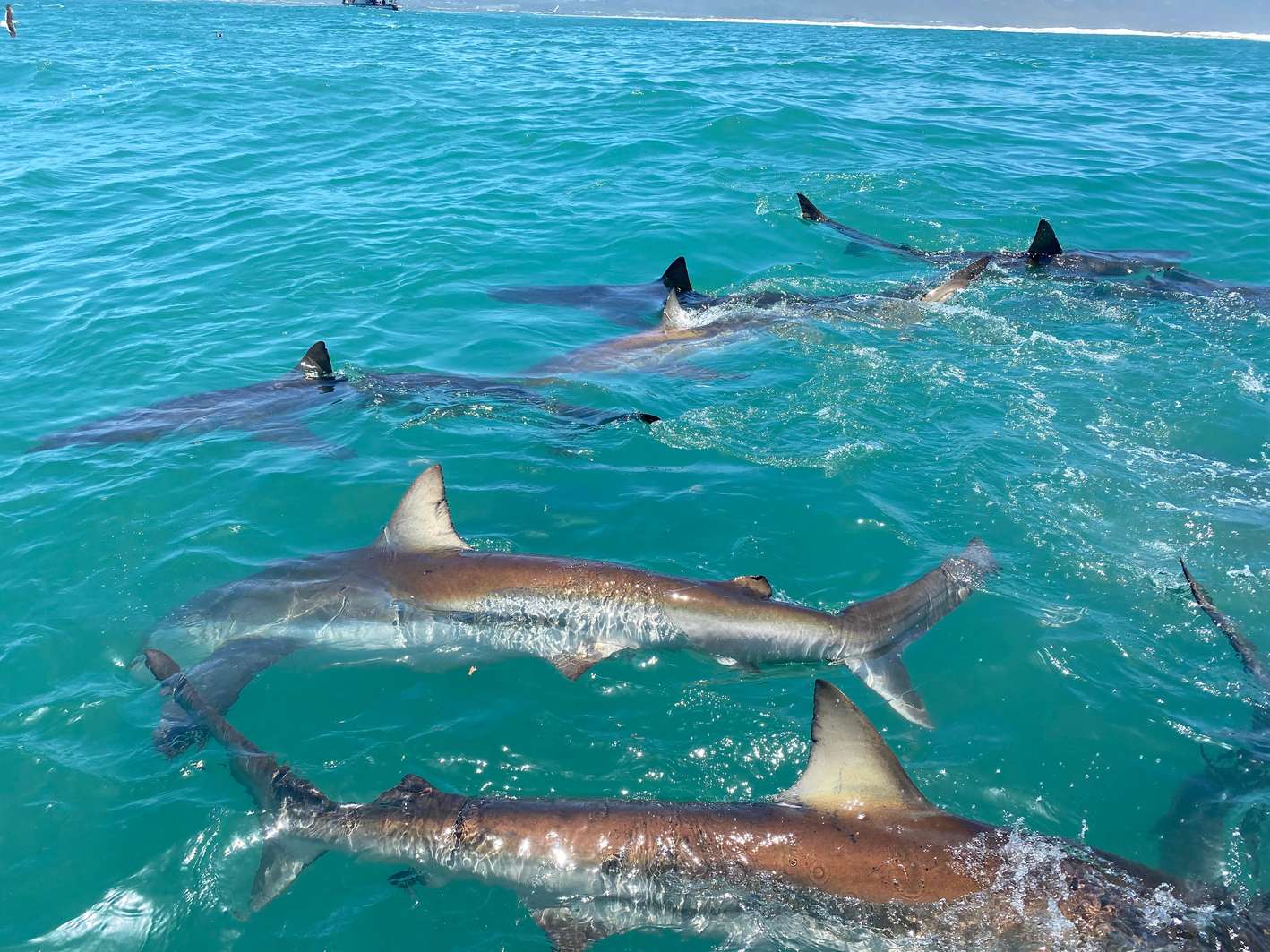
Everything was excellent. The cage dive searching for a white shark was unbelievable, we saw hammerheads instead. Our guide Rameez was outstanding. Highly memorable experience.
A traveler · Greece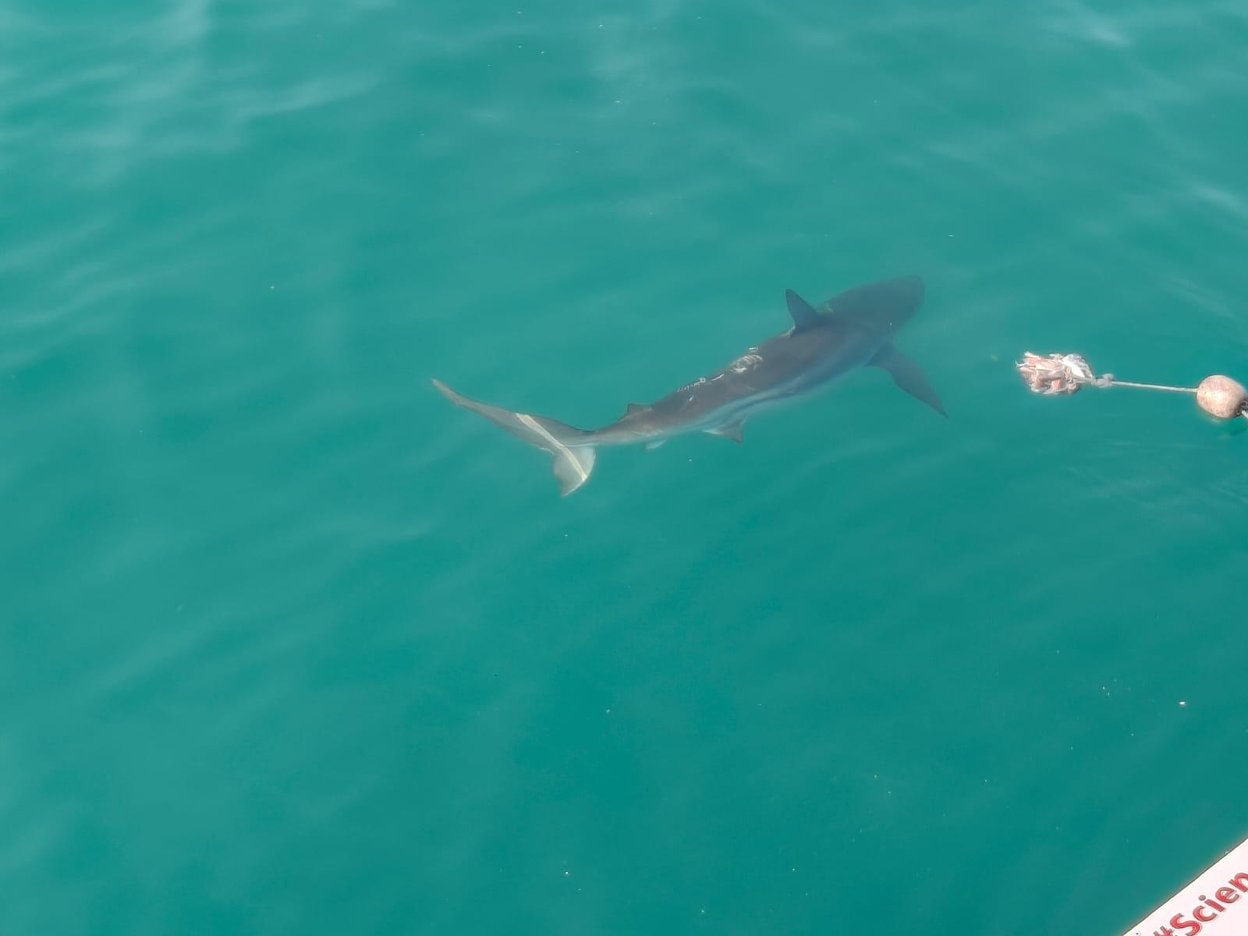 ★★★★★
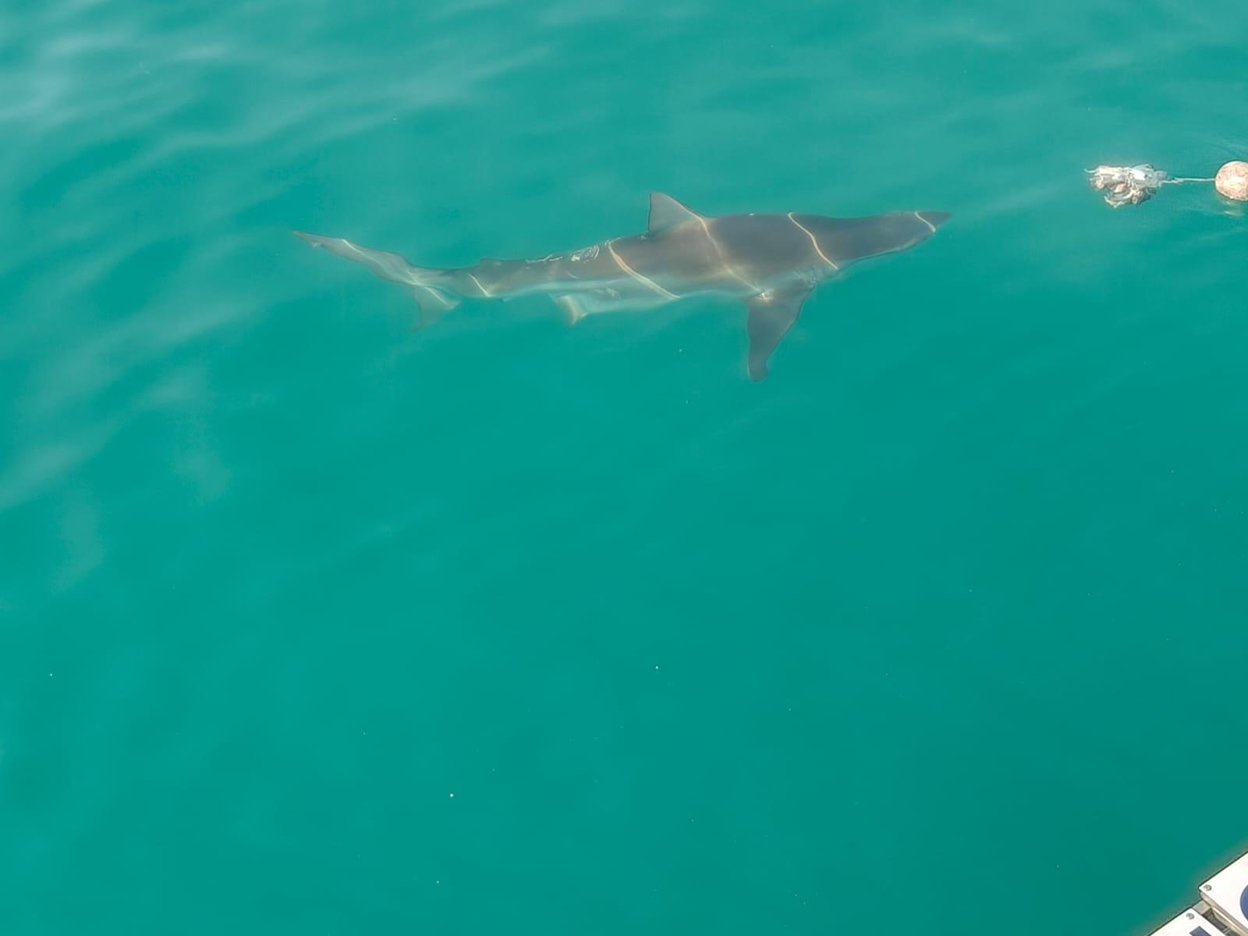
Loved watching the 'Bronzies' from the cage and deck. The crew knew their marine life and explained it well.
Hamish · United Kingdom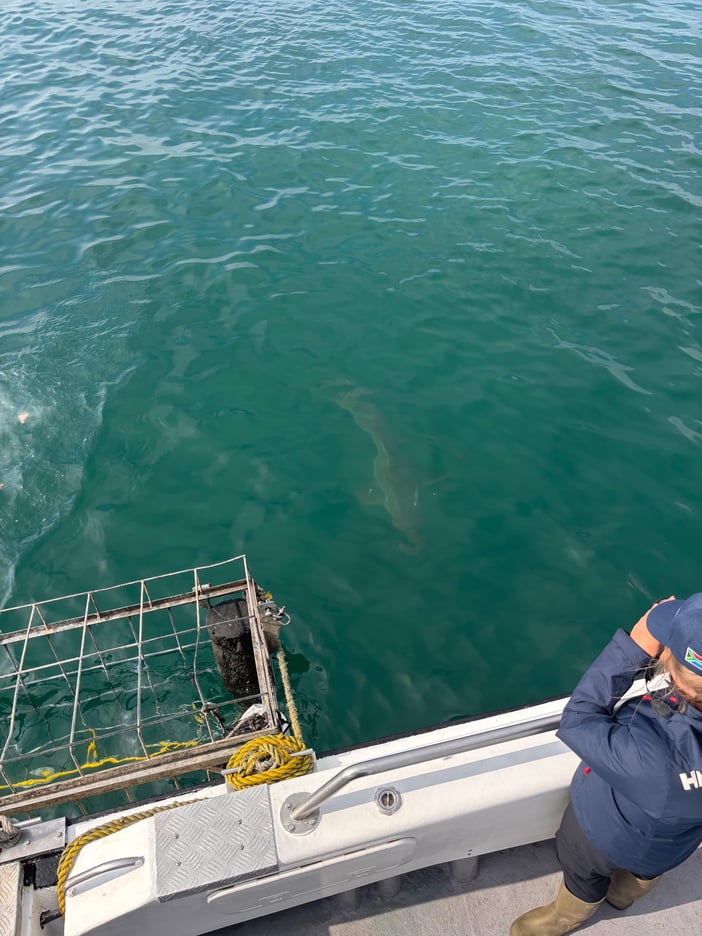 ★★★★★
A true once-in-a-lifetime experience. Staff and setup were flawless, with qualified marine biologists explaining shark behaviour. My wife, our 19-year-old son and I were blown away.
A traveler · United Kingdom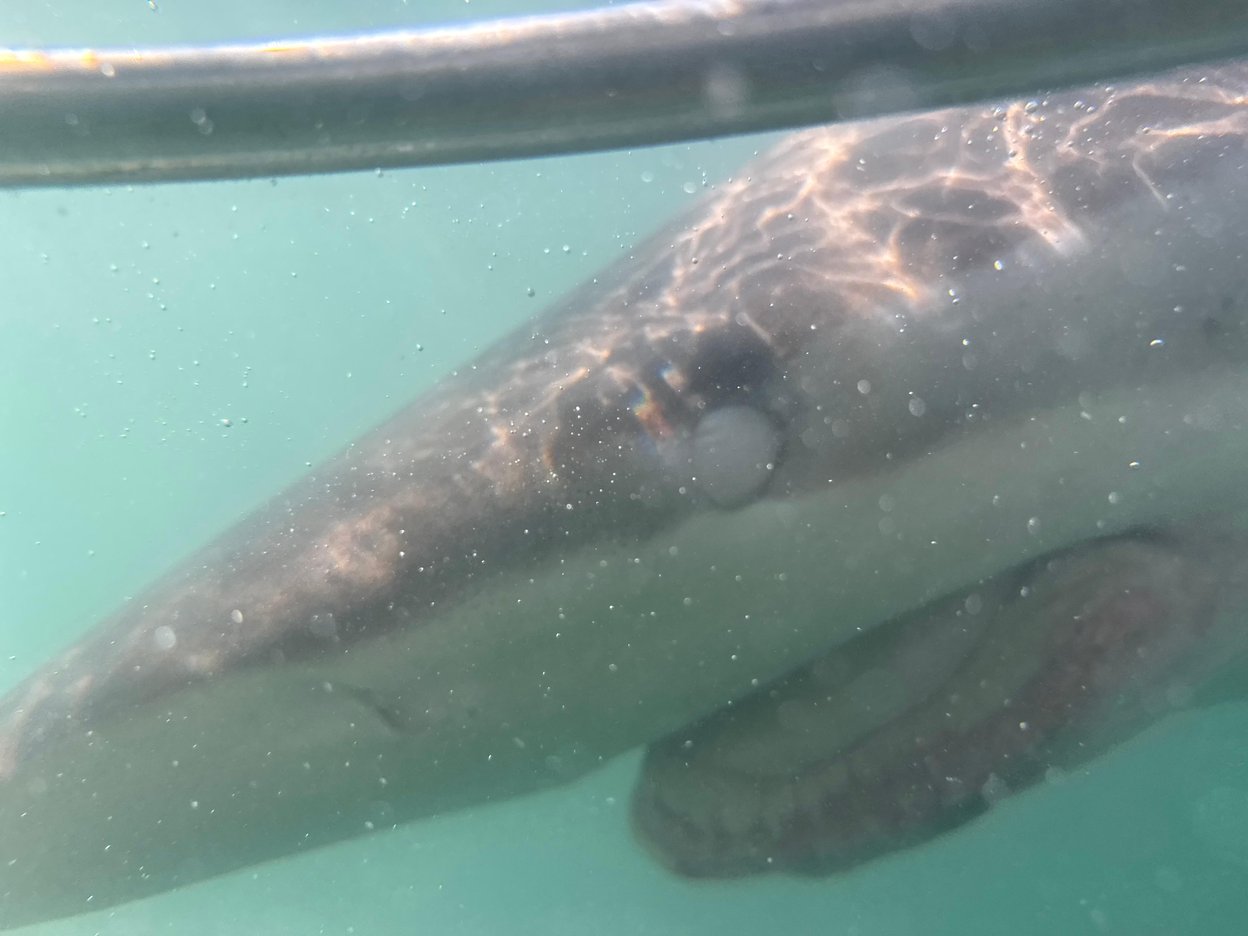 ★★★★★
Definitely the best experience of our late January 2025 Cape Town days. We saw dolphins, seals and 10-15 copper sharks. Amazing team. Strongly recommended 👏👍
Robin · Germany
Why Mossel Bay gives South Africa its most reliable great white encounters
Seal Island sits barely 800 metres off the Mossel Bay shore, and it holds a permanent breeding colony of 4,000 to 5,000 Cape fur seals.
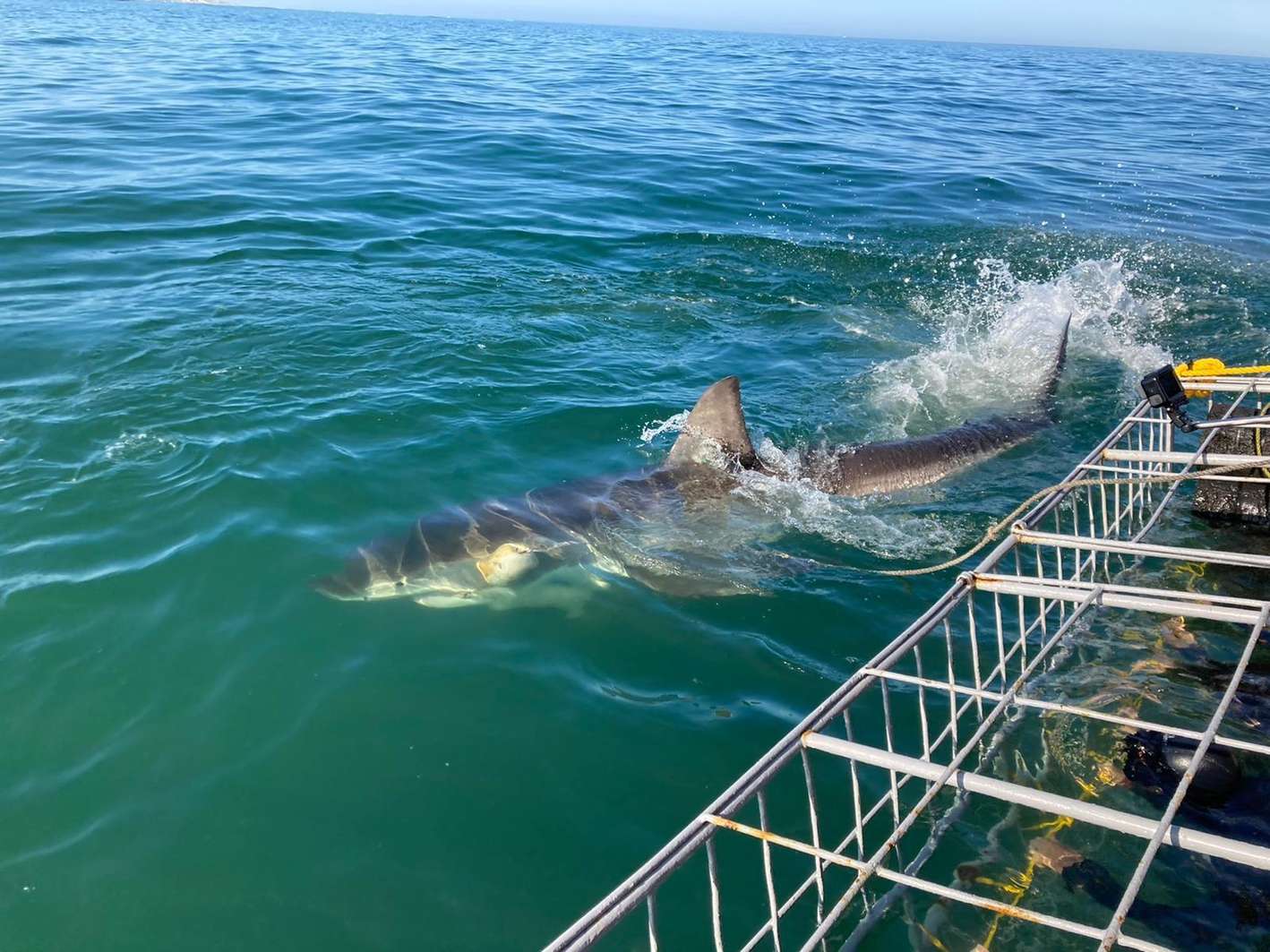
Great white sharks hunt those seals, and they have kept doing it here long after orcas pushed the great whites out of False Bay and Gansbaai. Of all the launch sites on the coast, this bay now gives you the best odds in the country of meeting a great white.
The 84% sighting rate here is the local operator's own historical record across its trips, peaking near 90% in winter, so any single visit carries a real chance of a quiet day.
That said, the odds sit with you more strongly than anywhere else on the coast.
The bay itself does the rest: sheltered water keeps the ride smooth, the dive site sits near the shore, and the sea runs 3 to 5 degrees warmer than Gansbaai all year. Even travelers who normally turn green on open water manage the crossing here.
Gansbaai still earns its name for variety, with more operators and a wider spread of marine life. But if the great white is the animal you came for, Mossel Bay is where the odds sit in your favour.
Best time of year for shark cage diving in Mossel Bay
The season revolves around the seals. Pups are born on the island in November and December, and they stay on the rocks through summer while the great whites hunt fish along inshore reefs and river mouths.
Come winter, those young seals head offshore for their first foraging trips, and sharks of three metres and more patrol the island for them. Great white activity concentrates between April and November, with the peak in the cooler months.
October is one of the busiest months with high broadnose sevengill activity and steady great white encounters.
Tap a month to read it.
January brings busy summer crowds with warm water and bronze whaler shark activity around the island.
Tap a month to read it.
January brings busy summer crowds with warm water and bronze whaler shark activity around the island.
Tap a month to read it.
October is one of the busiest months with high broadnose sevengill activity and steady great white encounters.
Tap a month to read it.
What the monthly picture means for your dates is simple. Winter and early spring give you the sharks and the clear water, since visibility averages 6 to 8 metres from May to August and can reach 15 metres on a calm day.
Summer brings busier boats and murkier water, sometimes down to 2 or 3 metres, though the tours run all year. Bronze whalers and the occasional sevengill or hammerhead fill in around the whites whenever you come.
One more point for planning: wind cancels a launch only 5 to 6 days a year on average, so whatever month you pick, the odds of the boat going out stand strongly in your favour.

Getting to Mossel Bay Harbour along the Garden Route
Mossel Bay sits at the western start of the Garden Route, right on the N2, so the dive slots into an eastbound trip with no detour.
From George the harbour is a 43-minute drive, from Knysna about an hour and a half. Coming from Cape Town takes about four and a half hours eastbound across the Overberg.
That geography decides how you book it. Most self-drivers put Mossel Bay down as a first-night stop, or as a morning stop on the way through: dive in the morning, when wind and swell are gentler, then continue east the same day or the next.
The whole excursion spends 2 to 3 hours at sea, so an early start still leaves the afternoon for the road.
The harbour itself is reached off the N2 via Louis Fourie Drive and Church Street. Follow the signs for the harbour, and you arrive at the slipway where the boats launch.
What happens on a shark cage diving day in Mossel Bay
The day runs on a simple clock. You arrive at the harbour 30 to 60 minutes before launch for check-in, coffee and a safety briefing, then the boat pulls out.
In winter the run to Seal Island takes about 10 minutes; in summer, when the crew sometimes heads to the far side of the bay where sharks gather, it stretches to 20 or 30 minutes.
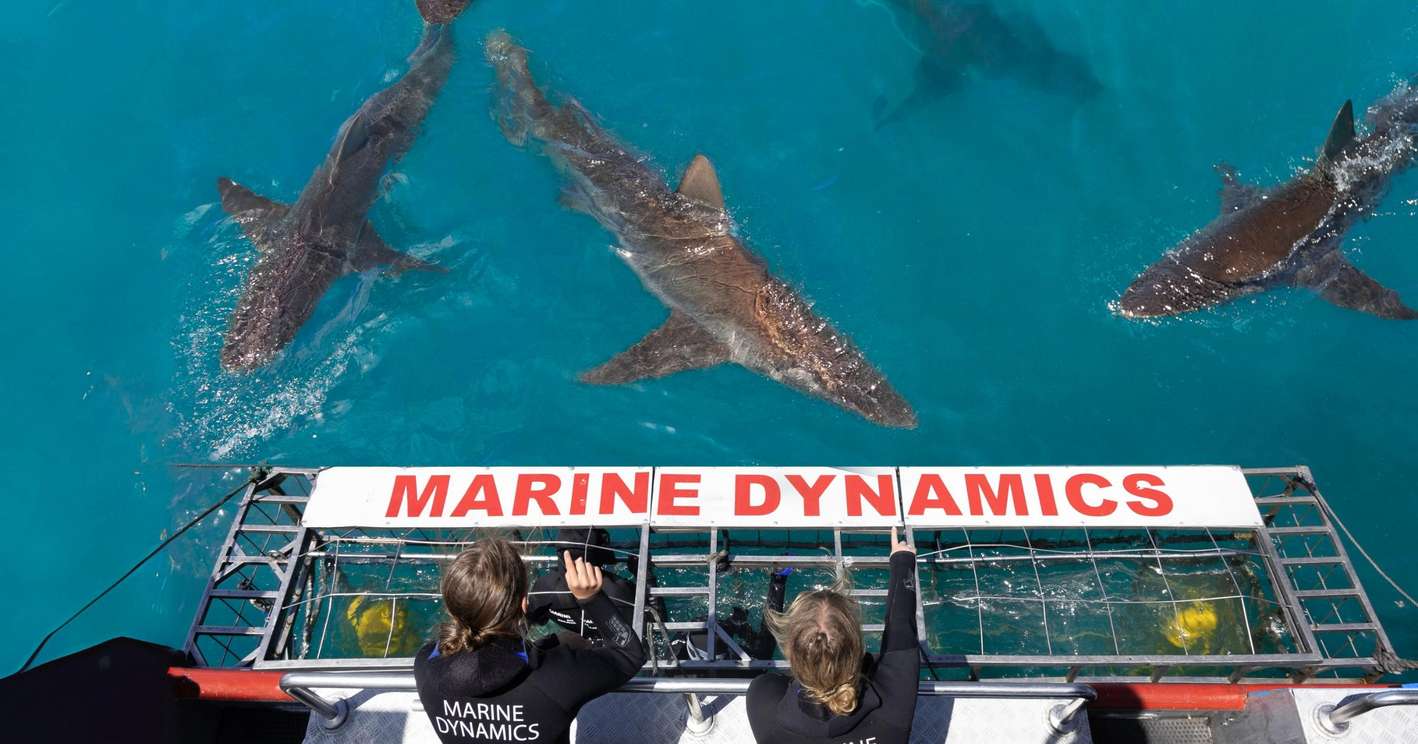
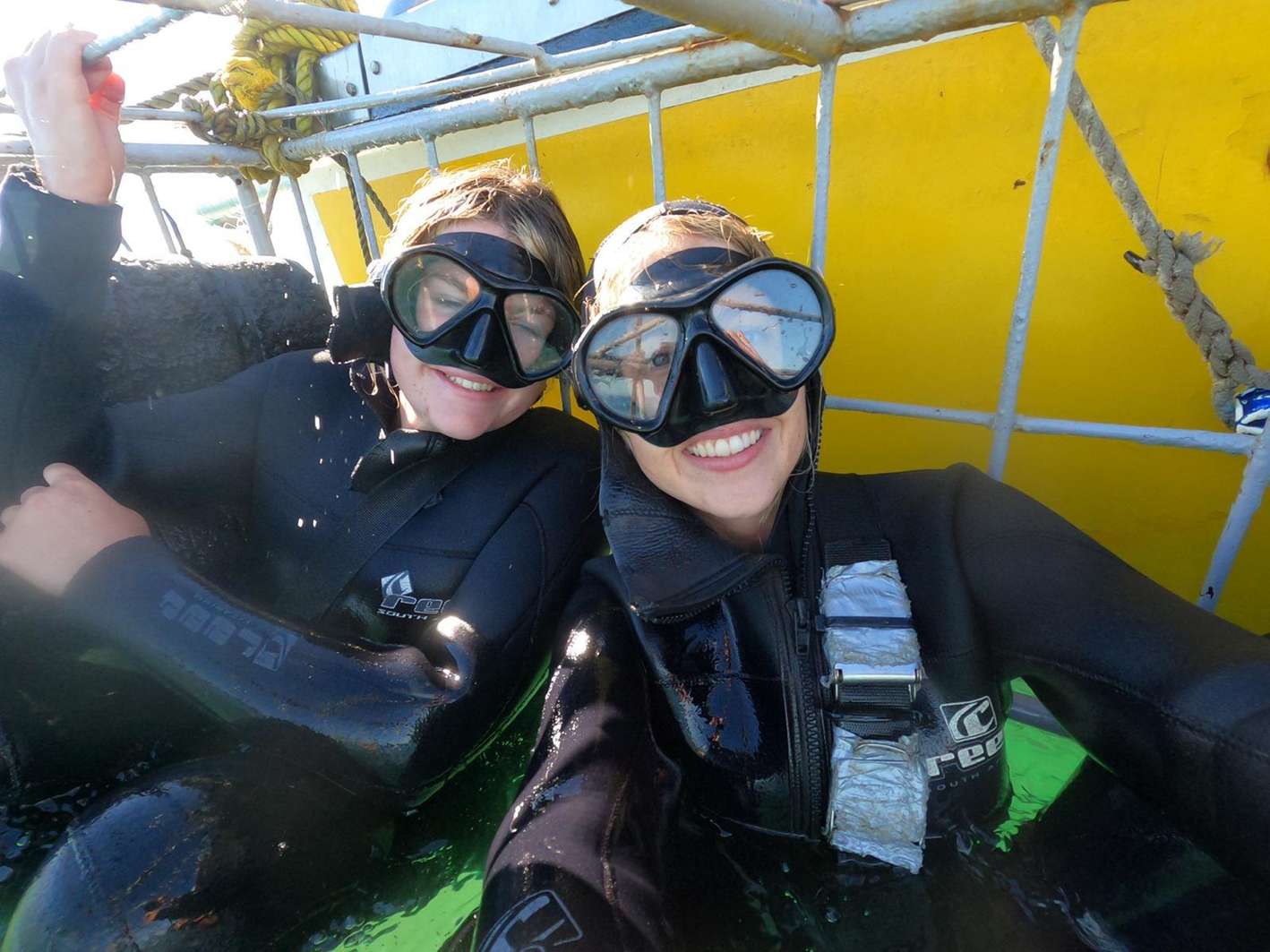
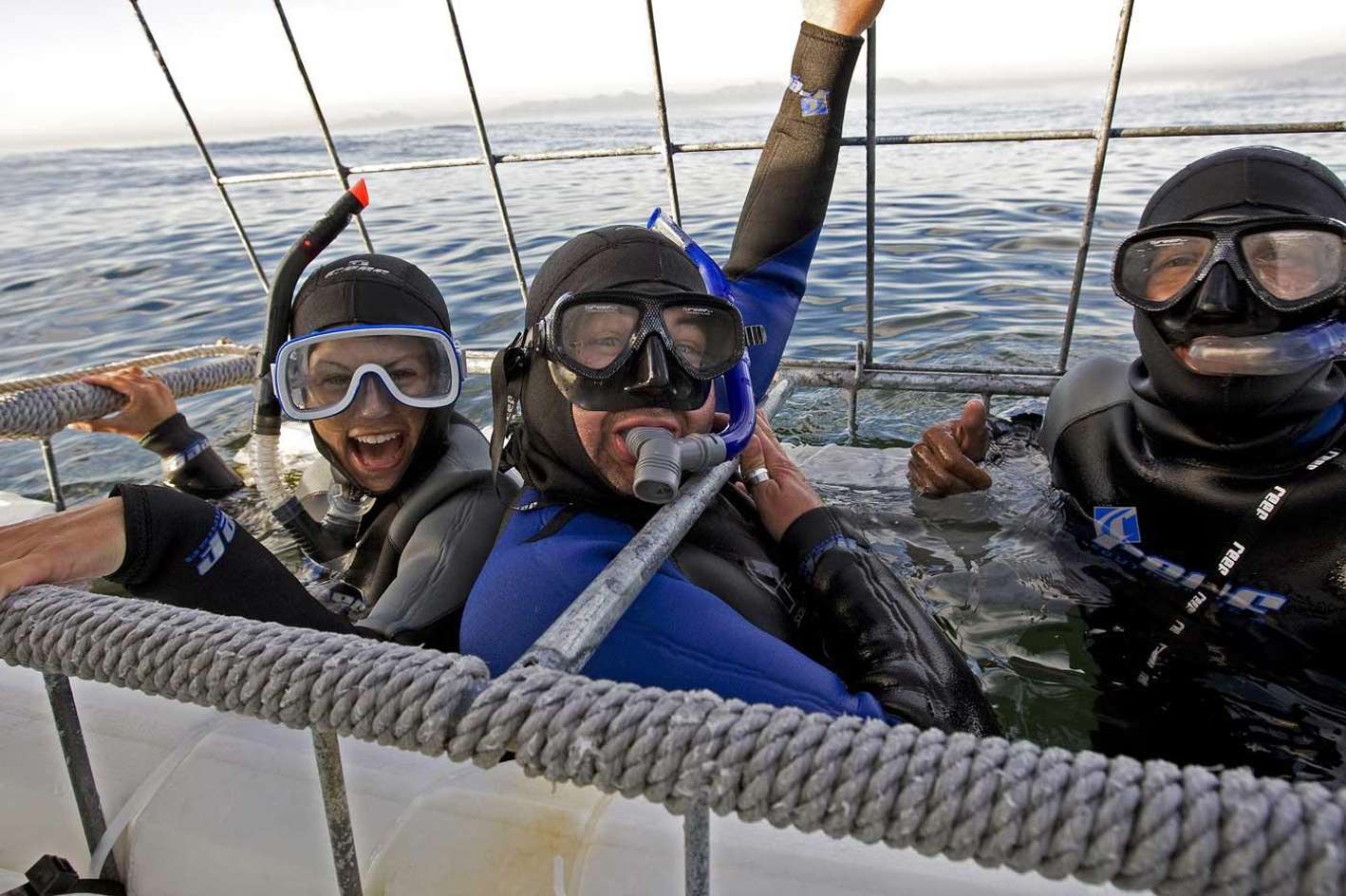
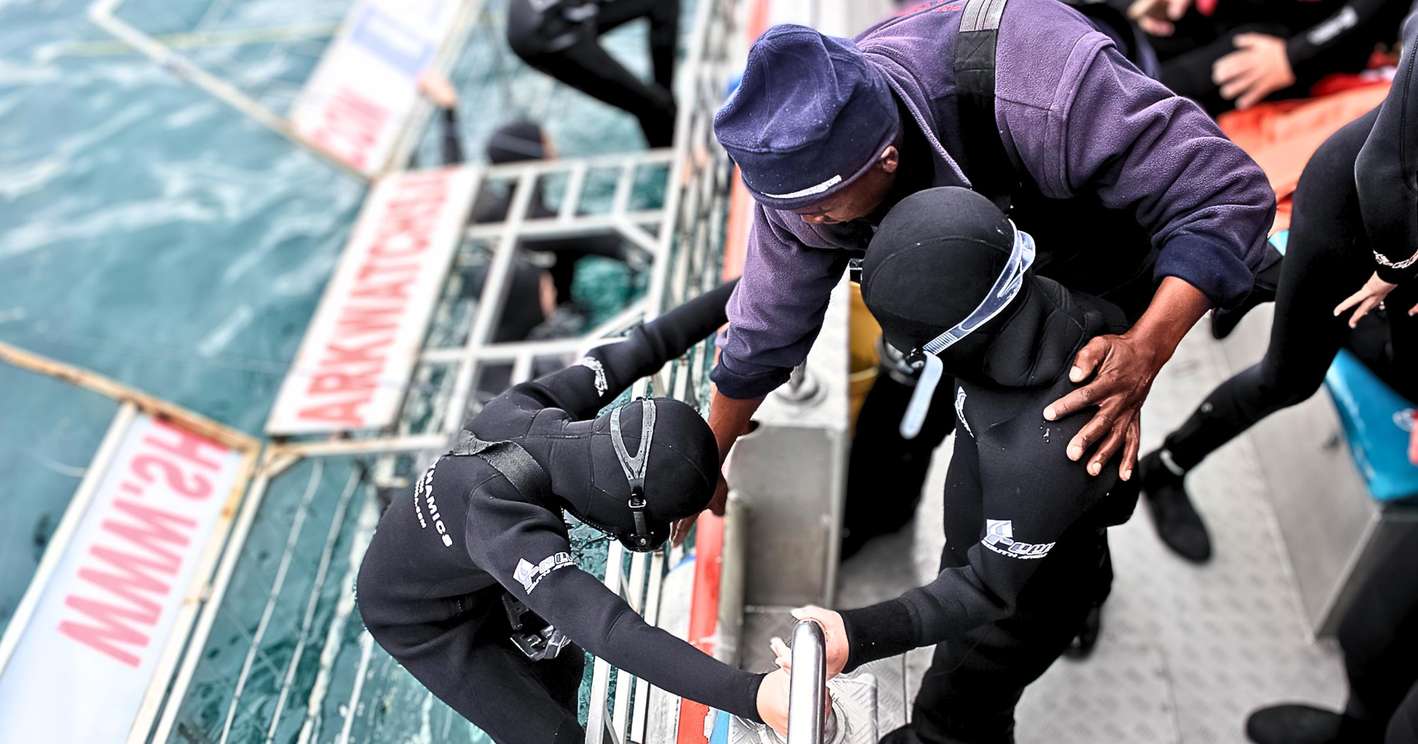
At the anchor site the crew sets a scent line, and the cage goes in at the surface. Divers in Mossel Bay hold their breath on cue as sharks pass, so there is no scuba gear and nothing to learn.
Rotations run about 20 minutes each, in small groups, while everyone else watches from the deck. Seals, stingrays and dolphins show up around the boat on most trips, and whales pass by from June to November.
Count on about 4 hours from check-in to return. Snacks, fresh fruit and drinks come on board, and there is time to warm up and eat again at the harbour before the day moves on.
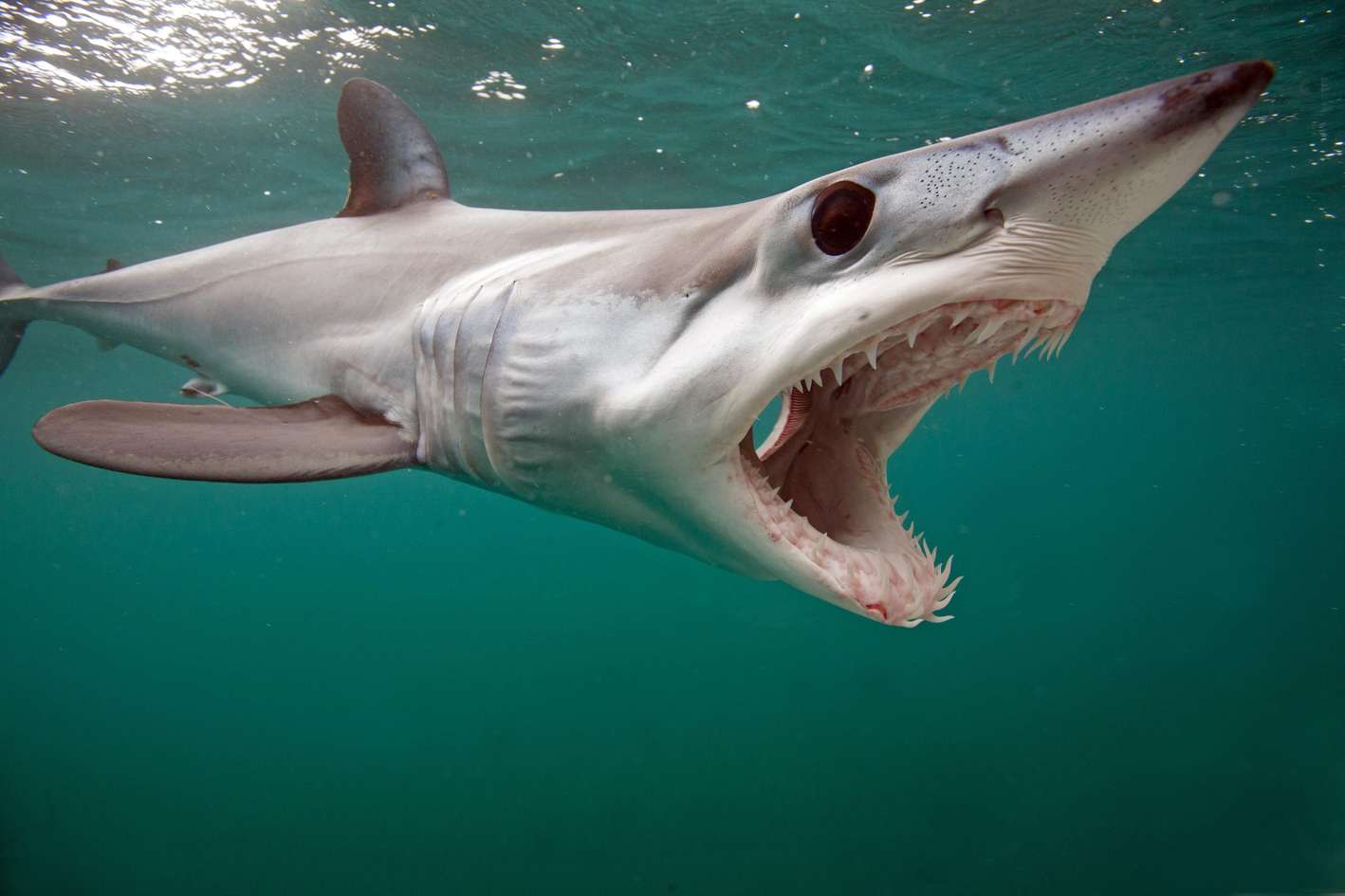
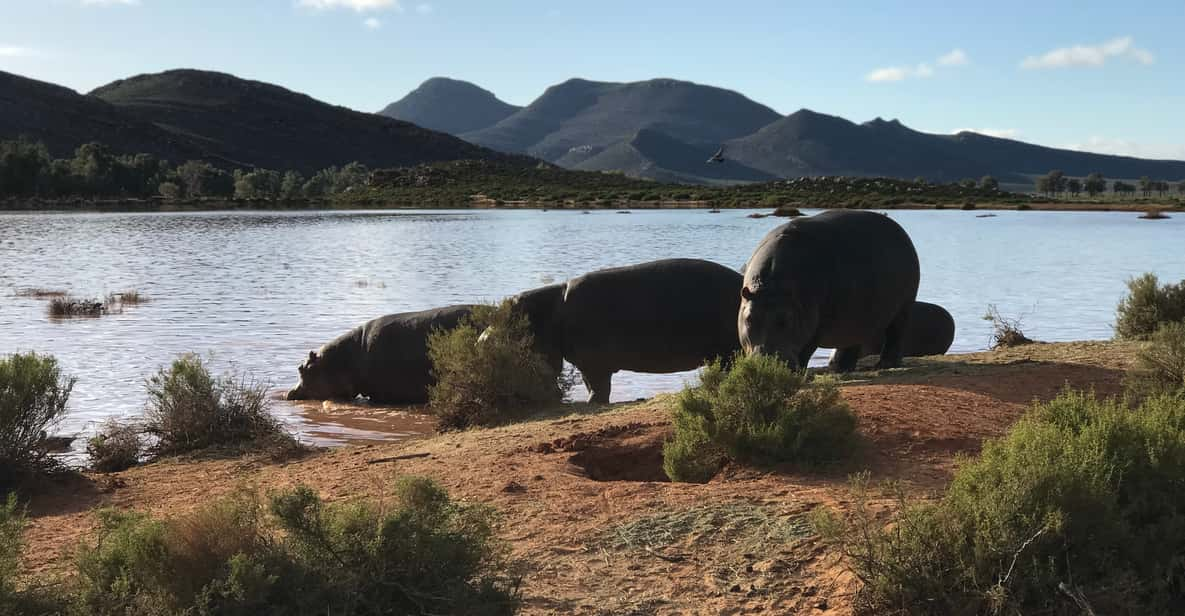
Cage dive or stay dry on the deck
The crew never pushes anyone into the water, and the deck earns its keep. Great whites in Mossel Bay are surface feeders, and the bait line brings them close to the boat, so passengers on deck watch the sharks swim and turn right alongside the hull.
Plenty of people book the cage expecting to be cold and end up spending half the morning on deck instead, because the view from above shows off how quietly a white shark appears and disappears.
If you do drop into the cage, know what it actually asks of you.
What first-timers don't know
You float at the surface and hold your breath on cue
No going underwater or equalising
You stay put in one spot, so weak swimming is no barrier
Cold or nerves are never a commitment
Plenty of visitors split the day: one rotation in the cage, the rest of the morning dry on deck with coffee in hand. Both count as seeing the sharks.
How safe is the cage and does it harm the sharks
Start with the cage itself. South African law allows shark cage diving only from vessels and cages certified safe by the maritime authority, and every cage must be designed and signed off by a registered engineer, built from steel with no sharp edges and an access door at the top.
Sharks do not ram or attempt to break into steel cages, and commercial operators have kept a perfect human safety record against shark attacks.
On the rare occasions something went wrong on cage trips, the boats were at fault, and no shark ever attacked a diver inside a certified cage.
The ethics question has an equally clear answer. South African regulations prohibit feeding the sharks, touching them or diving outside the cage, and operators attract them with scent trails of fish and oil instead.
Research over the years has found little lasting effect of tourism on white shark diet, movements or migration. The animals stay completely wild in open water.
Amazing day seeing white sharks and a playful seal! Great service, all equipment provided, friendly crew, plus a warm shower and soup afterward. Our driver got us back to Cape Town safely.
That attention runs through the whole trip, from the life jacket demonstration before boarding to the briefing on what the sea might do.
Choosing your shark diving tour on the Garden Route
Mossel Bay runs under a strict permit system, and only one licensed operator may dive this bay.
Use that as your yardstick anywhere on the coast: a permit and code of conduct, a crew with a skipper, paramedic and trained guides, and a properly built boat.
The Mossel Bay vessel is an 11.5-metre motor cat with a large viewing platform above an enclosed cabin, deck seating and toilets on board, and a surface cage for six divers. Bookings made through agents carry a small conservation fee on top of the base rate.
If you would rather have the dive and the road trip in one booking, the From Cape Town: 2-Day Garden Route Safari with Shark Diving does exactly that.
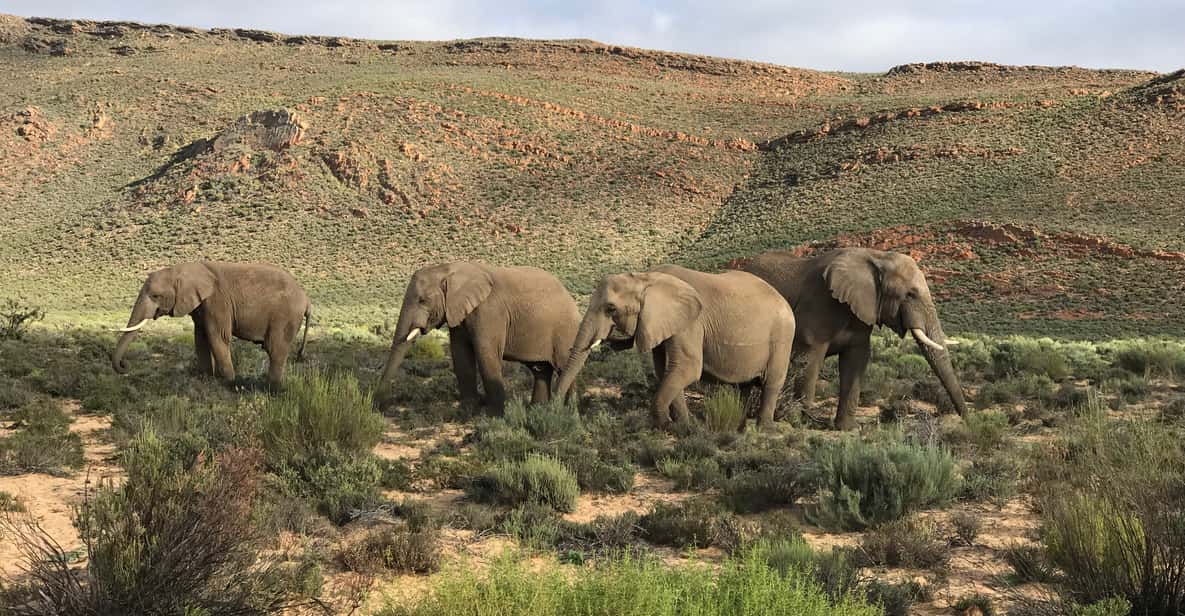
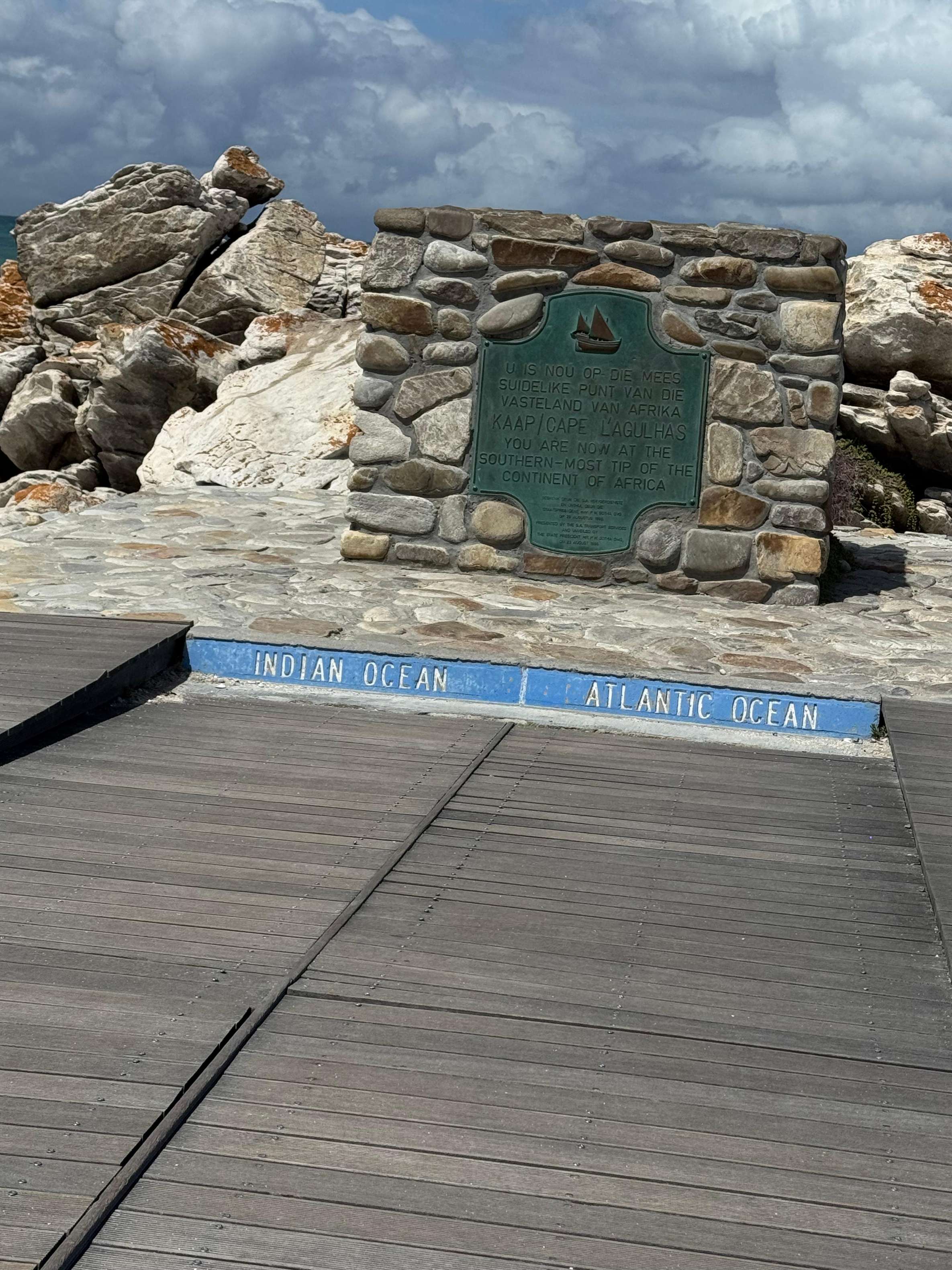
It carries you along the coast through Hermanus, stops at Cape Agulhas, the southernmost tip of Africa, puts you up in a 4-star bush lodge with dinner and breakfast, and builds the shark dive into the route. Game drives at the safari lodge cost extra.
- A guide with youLive tour guide
- Free cancellationCancel up to 24 hours in advance for a full refund
- Book now, pay laterReserve your place and pay closer to the date
- A small groupSmall group
- Hotel pickupPickup included, Check availability for details
- Your languageEnglish, Afrikaans
Free cancellation up to 24 hours ahead matters on a sea trip, because it lets you hold a date without betting the whole itinerary on the weather.
What to pack and what if the weather turns
Packing is light because the boat does the heavy work. A 5 mm wetsuit, hoodie and booties come with the trip, and you wear a swimsuit underneath; a rash vest adds a little insulation if you run cold.
For the deck, bring a warm windproof jacket and a beanie, because the boat ride feels colder than the water does.
If the weather turns
| If this happens | What happens then |
|---|---|
| The trip is cancelled before departure | You are notified and offered a rescheduled date or a full refund |
| The trip is cut short once at sea by sudden weather | No refund applies |
| You feel too seasick to dive | The crew looks after you and you can cancel your rotation at any time |
Take the seasickness medication seriously even in a sheltered bay. Open water and offshore swell can turn choppy, and nausea stops people entering the cage. A tablet the night before and another roughly an hour before boarding works far better than waiting for symptoms, and a light, low-fat breakfast helps too.
Swimwear goes on under your clothes before boarding, and photo identification comes with you to the harbour. Sunscreen, a hat and sunglasses cover the hours on deck.
What else to do around Mossel Bay Harbour
The harbour sits in the middle of town, so the hours around the tide fill themselves. Within 400 metres stands the Bartolomeu Dias Museum Complex, where the maritime museum keeps a full-size replica of Dias's caravel along with the Shell Museum and the historic Post Office Tree.
Santos Beach lies a 5- to 10-minute walk west, its sheltered water good for a swim after the cold Atlantic.
- 1Byneskranskophistoric place11 min driveDirections
- 2Hydra Baysight16 min driveDirections
- 3Danger Point Lighthousehistoric place22 min driveDirections
- 4Clydesight25 min driveDirections
The quayside keeps you fed. Braai tables open along the waterfront, Kaai 4 among them, grilling over the coals with the boats in view. If the morning left you hungry for more of the island, the same waterfront sells Seal Island boat trips, snorkeling outings and fishing charters.
Time it right and the day reads like this: dive early while the sea is calm, soup and something warm back at the harbour, then the museum, the beach and a late lunch by the water before you point the car east.
What to know before you book a Mossel Bay shark dive
Plan the dive for the morning of a one-night stop in Mossel Bay, then drive on east the same day or the next. The whole excursion takes about 4 hours from check-in, with 2 to 3 of those spent at sea. Book the earliest day of your stay so a weather reschedule still has room.
Seal Island sits about 2 km offshore, a 10-minute run from the harbour. In summer the boat sometimes heads to the far side of the bay, which stretches the ride to 20 or 30 minutes. Either way you avoid the long open-water transits of other launch towns.
Divers hold their breath at the surface as sharks pass, so no scuba gear or certification comes into it. You rotate in groups of about six, with roughly 20 minutes in the water per turn. The rest of the group watches from the deck, where surface-feeding whites swim close to the boat.
Wear your swimsuit under your clothes and pack the following:
- Towel
- Warm wind- or waterproof jacket
- Sunscreen, hat and sunglasses
- Camera
- Photo identification
- Seasickness tablets, taken before departure
Take motion sickness tablets the night before and again about an hour before boarding, since the first hint of nausea can stop pills from absorbing. The sheltered bay helps, but the anchorage can still chop up. Crews help seasick guests with hydration, rest and a better seat.
Strong wind and heavy swell cancel trips here; rain does not. The sheltered bay keeps cancellations to about 5 or 6 days a year, and the skipper makes the call on sea conditions.
If a trip is cancelled before launch you get a full refund or a new date, though a trip cut short at sea is not refunded.
The operator provides 5 mm wetsuits, hoodies and booties, so extra thermal layers inside the cage are optional. A rash vest adds insulation if you run cold. For the boat ride, bring a windbreaker, a fleece and a beanie.
The local operator reports an 84% annual success rate for shark sightings, rising to about 90% from May to August, when young seal pups first enter open water and draw large whites. In summer the sharks hunt inshore, so the boat may move to the far side of the bay.
Expect more than sharks. Seal Island holds a breeding colony of over 4,000 Cape fur seals about 800 metres offshore, and trips often add stingrays, dolphins and seabirds. Whales show up from June to November.
The harbour puts you close to an easy half day: the Bartolomeu Dias Museum Complex with its caravel replica sits within 400 metres, Santos Beach is a short walk west, and quayside tables serve grilled food by the water. Arrive 30 to 60 minutes early for check-in, coffee and the safety briefing.
The Garden Route's easy shark day
This suits the road-tripper who wants great white odds on their side without giving up a day of their route: a sheltered bay, a ten-minute boat run and a dive that fits a first-night stop.
If you want broader marine wildlife, a bigger choice of operators or a launch closer to Cape Town, Gansbaai or False Bay will suit you better.
Shark cage diving in Mossel Bay - FAQ
Do I need scuba certification or diving experience to enter the cage?+
No certification and no prior diving experience are needed. The cages in Mossel Bay sit at the surface and you breathe by holding your breath as sharks pass, so scuba equipment never comes into it.
Which sharks will I see at Seal Island in Mossel Bay?+
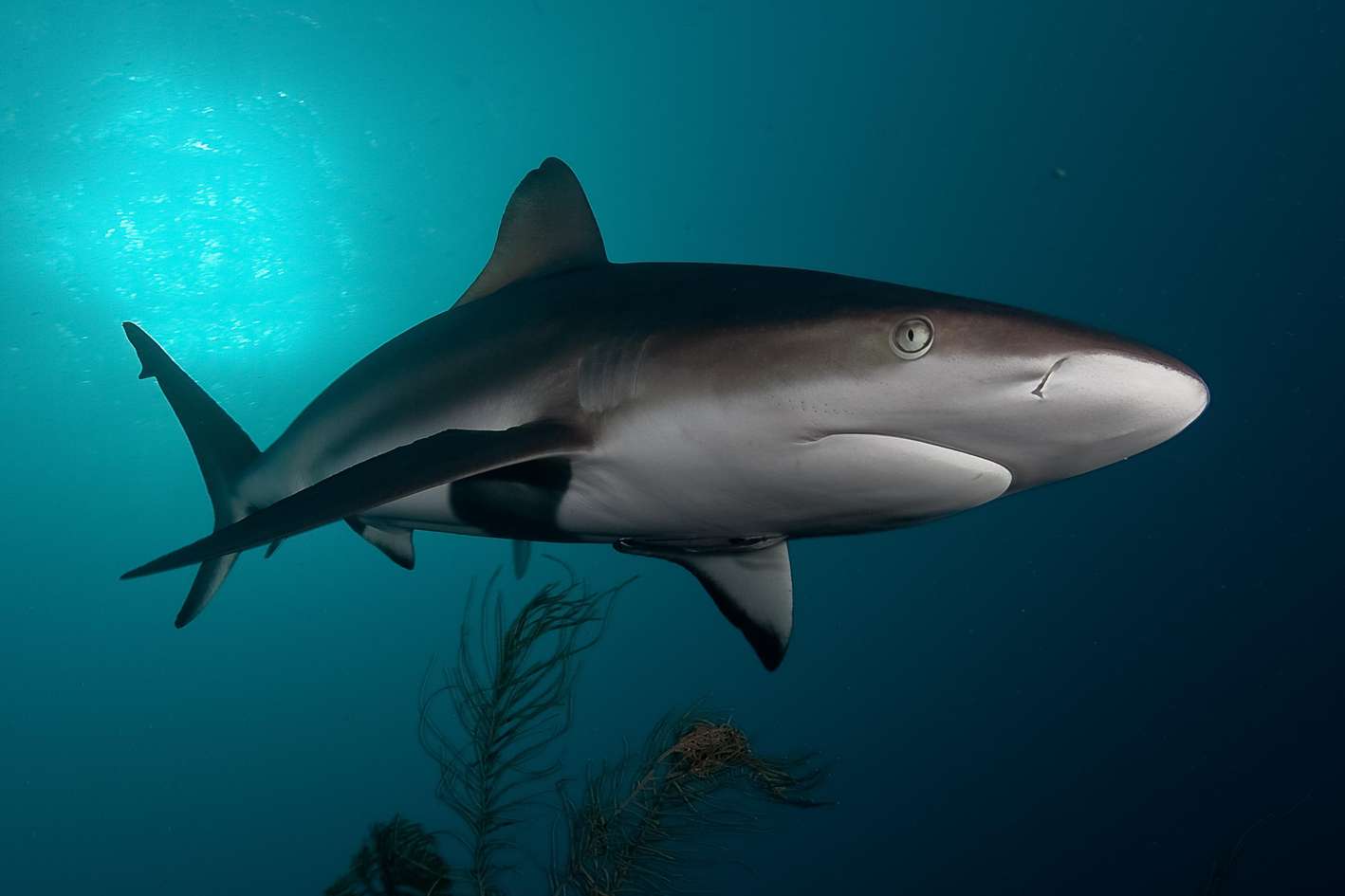
Great whites and bronze whaler (copper) sharks are the species you are most likely to encounter, with occasional broadnose sevengills and hammerheads. Great whites appear through the year, most heavily from April to November, and bronze whalers stay around in every season.
How long is the boat ride out to the dive site?+
About 10 minutes from Mossel Bay Harbour, covering roughly 2 km to Seal Island. In the summer months, boats sometimes head to the far side of the bay where sharks gather, which stretches the ride to 20 or 30 minutes.
Can I see sharks if I stay on the boat?+
Yes. Great whites in Mossel Bay feed at the surface, so they swim close to the boat and passengers on deck get clear views. The surface bait line draws the sharks right alongside.
Is Mossel Bay or Gansbaai better for seeing great white sharks?+
Mossel Bay has become the more reliable spot for great white sightings, while Gansbaai trips now mostly encounter bronze whalers. Mossel Bay also runs year-round without a strong seasonal peak, and its water runs 3 to 5 degrees warmer.
How rough is the sea, and will I get seasick?+
The bay is sheltered, so conditions stay calmer than at open-ocean launch sites and the ride out is short and smooth. Take seasickness medication before departure all the same, since the water at the anchor point can still move.
Is the seal colony at Seal Island active all year?+
The island holds a permanent breeding colony of over 4,000 Cape fur seals about 800 meters offshore, which keeps sharks patrolling nearby. Pups are born in November and December, and predatory activity peaks in winter when the young seals first head into open water.
What other marine life might turn up during the trip?+
Seals, stingrays and dolphins are frequent companions on cage trips, and whales appear between June and November.
How do the boats attract sharks, and is it harmful to them?+
Operators use fish-based scent trails to draw sharks close, and feeding them is against the rules in Mossel Bay. Sharks are not fed on these trips, and research shows scent-only chumming does not change their natural feeding habits.
Are there extra fees on top of the tour price?+
Bookings made through tour agents carry an additional conservation fee added to the base rate. Book directly with the operator and the rate you see covers the trip.
How does a Mossel Bay dive fit into a Garden Route road trip?+
Mossel Bay sits right on the N2 at the western start of the Garden Route, so a morning dive needs no detour. Plan it as a first-night stop or an early stop on the way east, since morning winds and swell stay gentle.