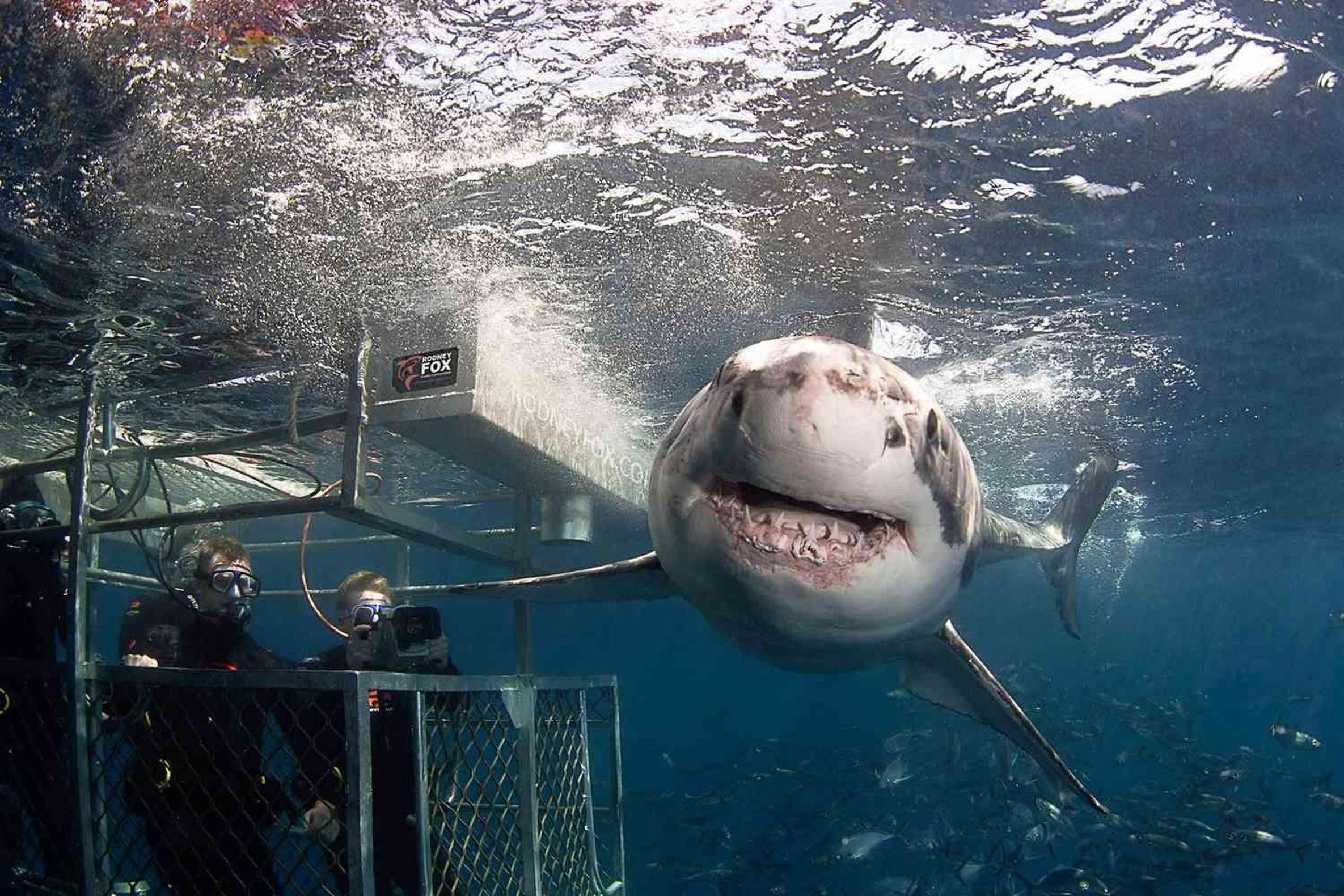
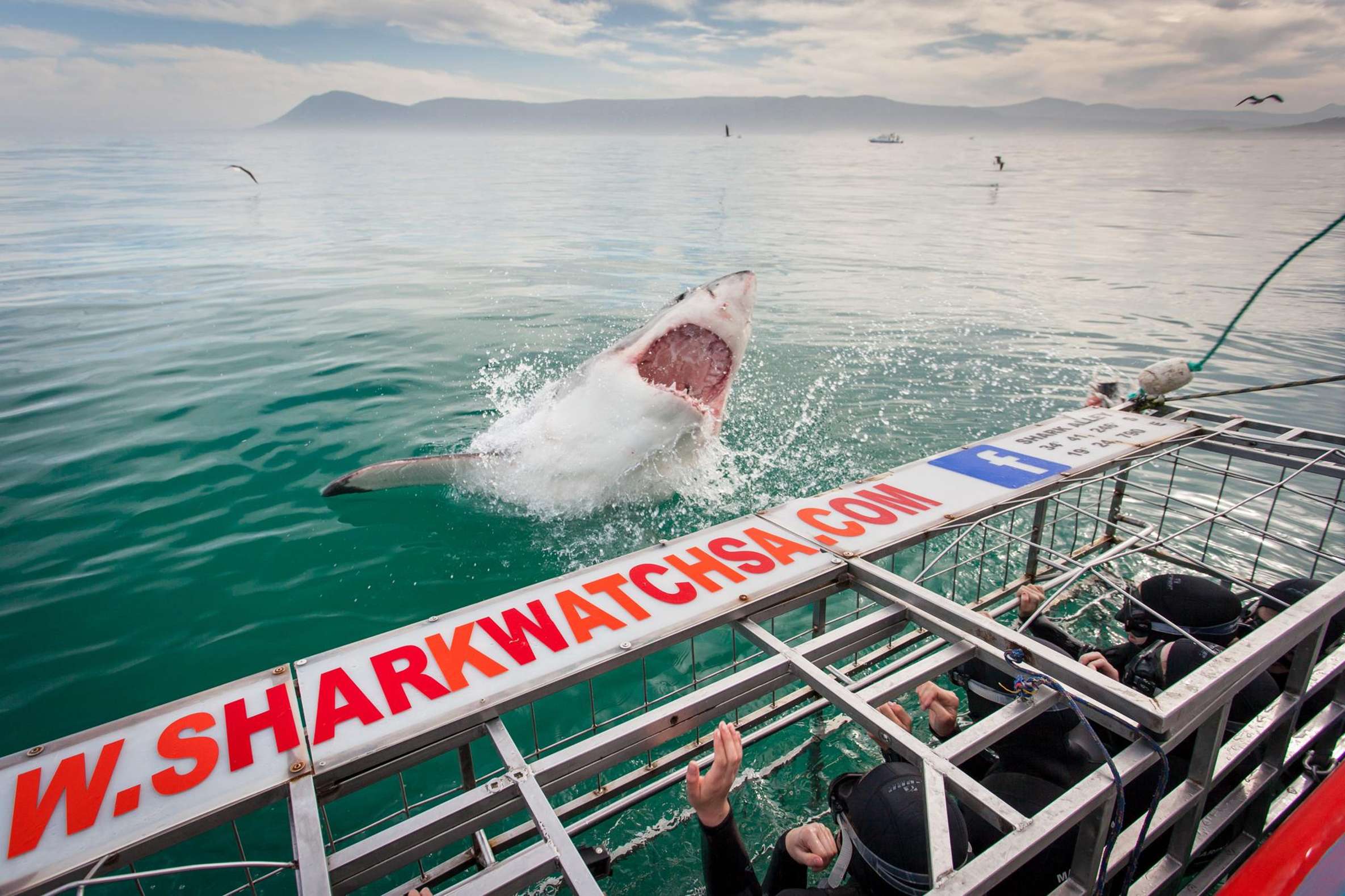
Where Can You Go Great White Shark Cage Diving in South Africa
Seals, steel cages & marine biologists
Come face to face with the ocean's most famous predator. Book a cage dive with a marine biologist on board, wetsuits and all gear included, and go where the great whites still hunt. Pick your launch site and reserve your spot.
Your quick start to cage diving with the great whites
no scuba cert needed, just hold your breath at the surface
A great white cage dive comes in two shapes: a half-day or full-day boat trip out of Gansbaai, or a longer itinerary that folds the dive into a Garden Route safari. The deciding difference is time. If the cage is the whole point of your day, pick a direct trip; if you want lions and elephants around it, take the two-day version.
No certificationYou do not need scuba training or previous diving experience to enter a cage anywhere in South Africa.
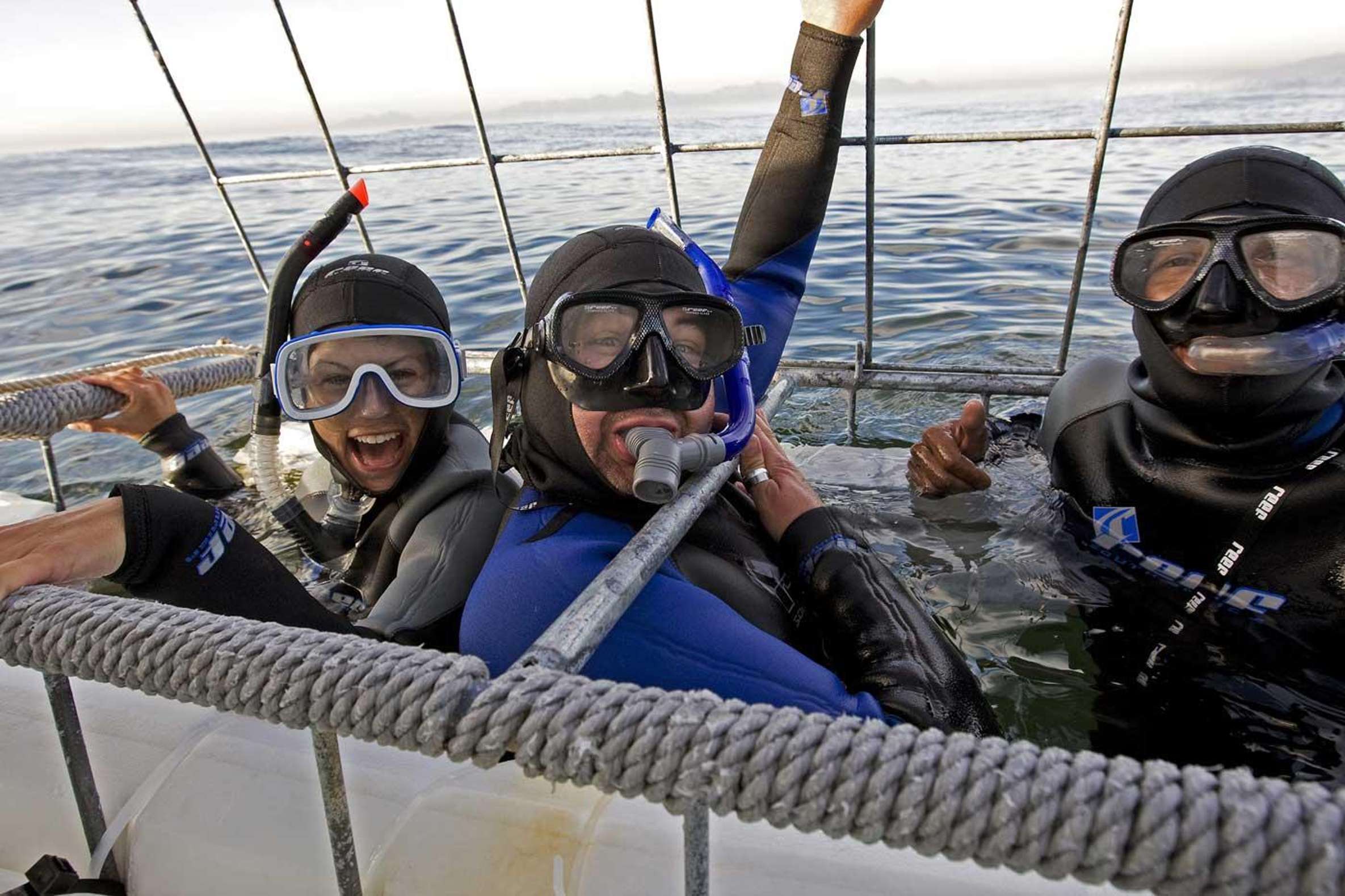
SwimmingSurface cages suit beginners, but basic comfort in choppy water matters, since swell pulls at you while you hold your position in the cage.
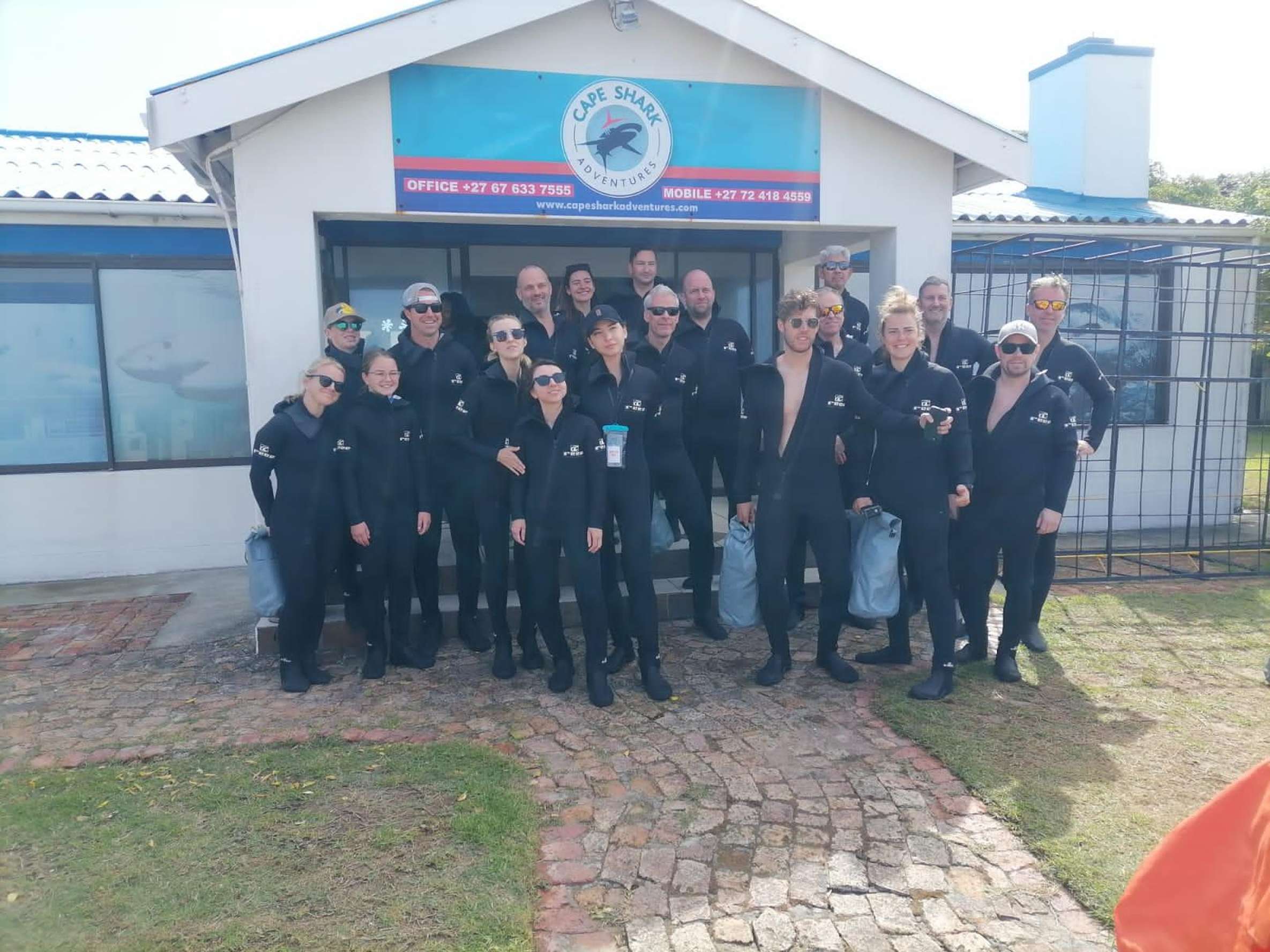
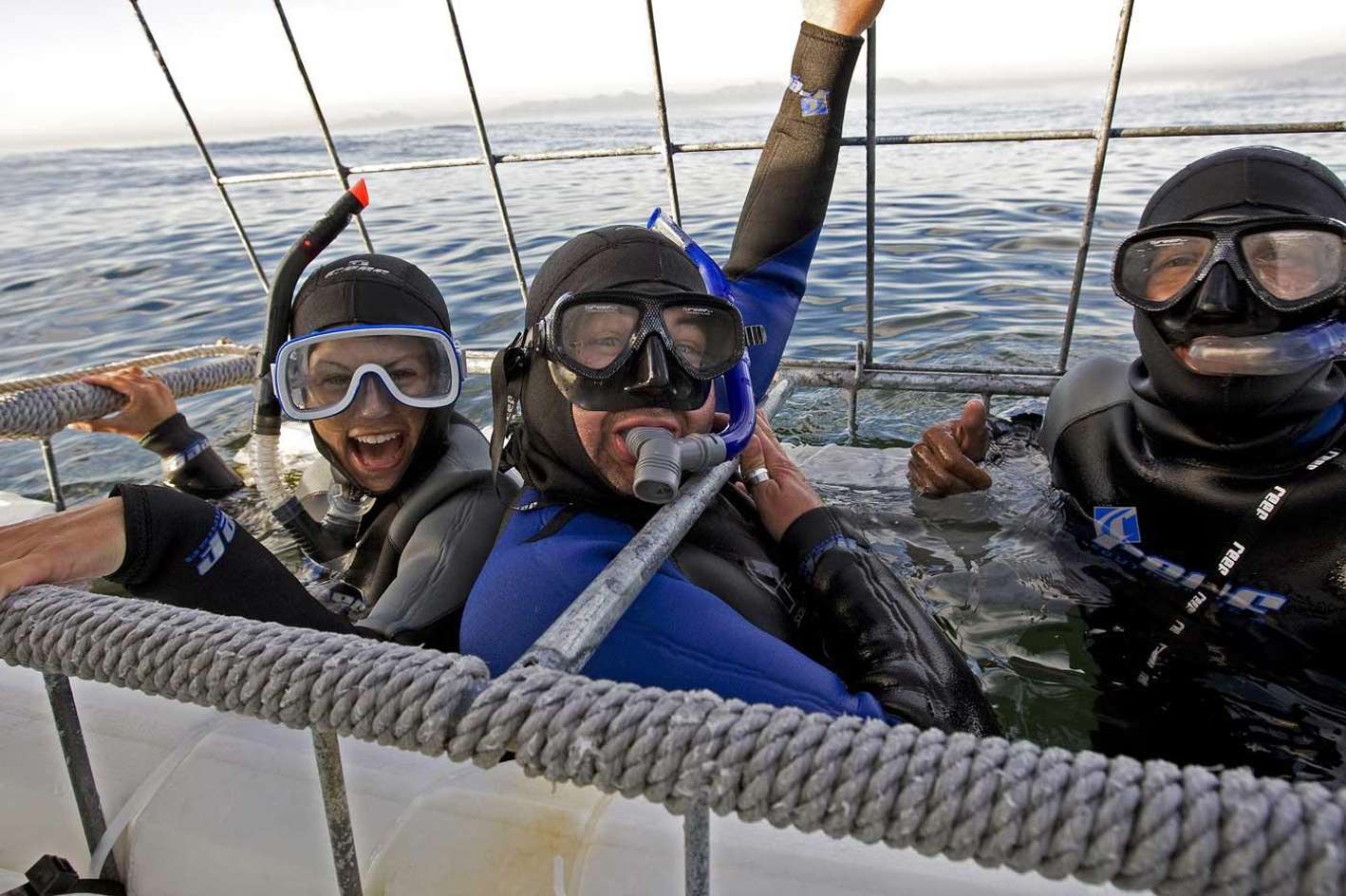
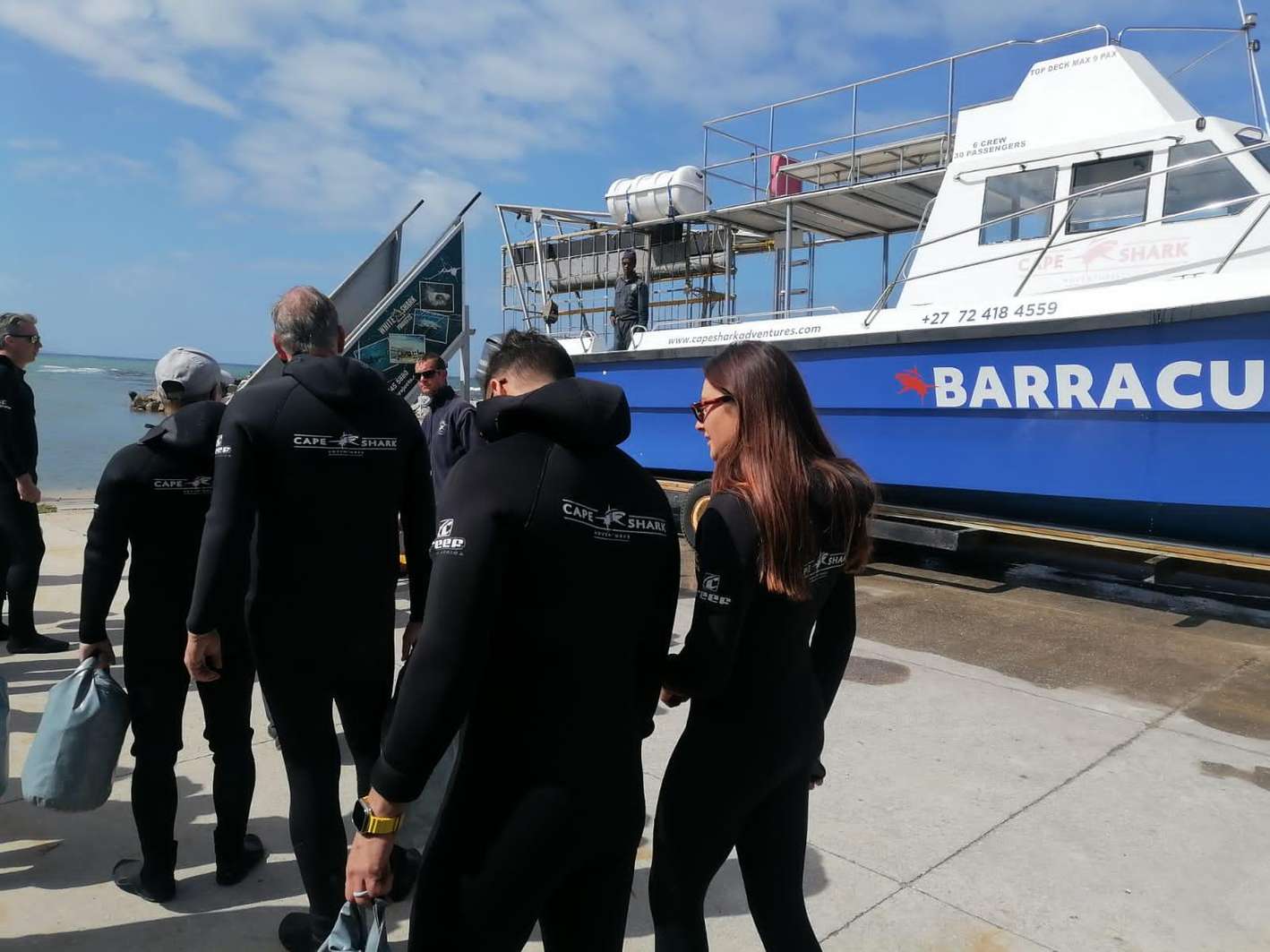
WetsuitsOperators supply 5 mm or 7 mm full wetsuits, hoods, and booties; you bring swimwear and warm layers for the deck.
Departure timesSkippers confirm launches the day before based on wind and swell, so keep your day flexible and book the earliest day of your stay where you can.
Getting thereGansbaai is about two to two and a half hours' drive from Cape Town, with pickup options from your hotel on most tours.
SeasonTrips run year-round, but strong winter swell between April and October cancels roughly a third of Gansbaai launch days, so build in a spare day.
RefundsIf weather cancels your trip, you get a full refund or an alternative date; tours can be cancelled up to 24 hours ahead.
SightingsGreat white sightings are rare in False Bay and Gansbaai right now, and bronze whaler sharks are the main species most trips encounter.
SeasicknessTake motion sickness tablets the night before and again about an hour before boarding, and eat a light, low-fat breakfast.
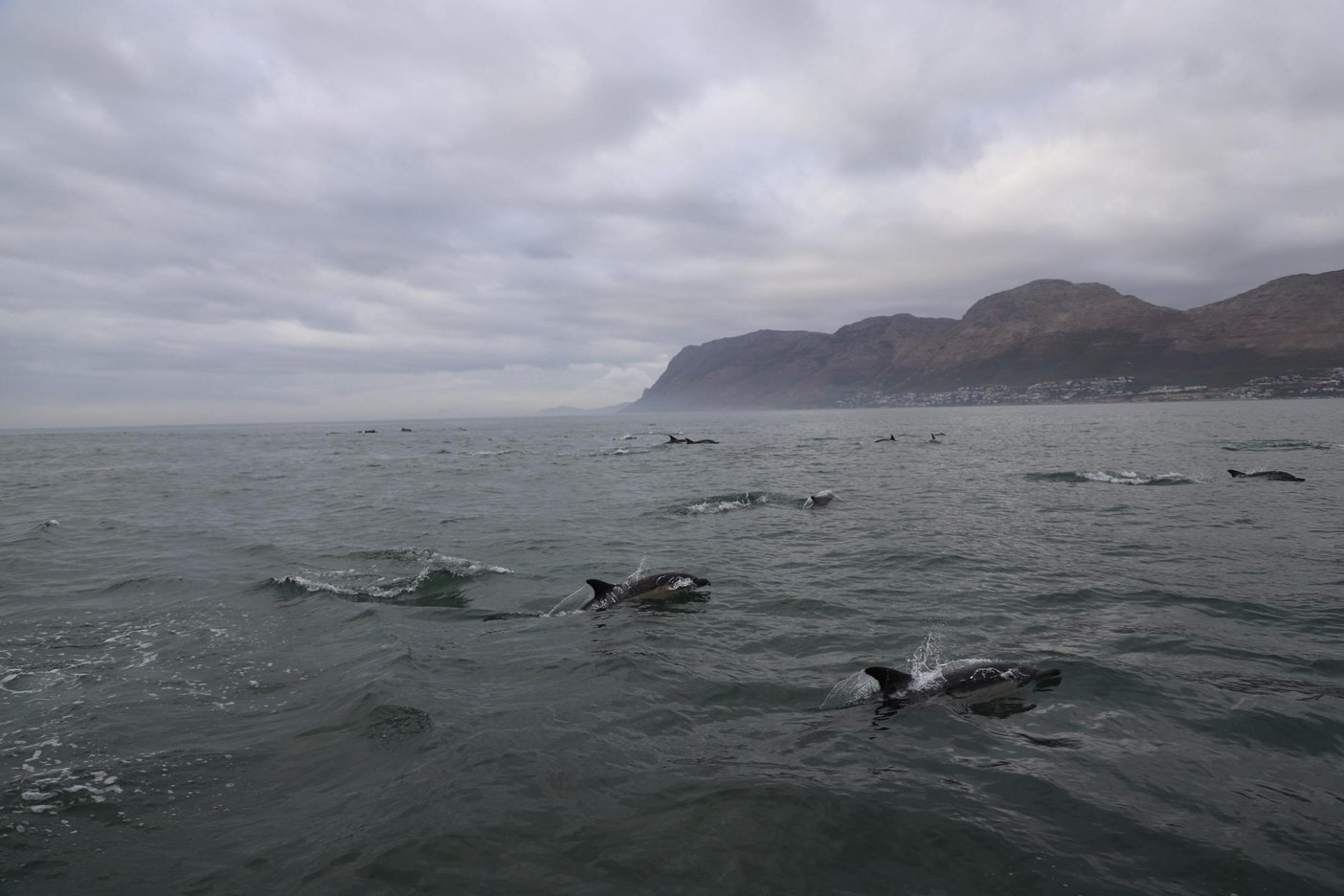
WildlifeDolphins, seals, African penguins, and, in winter, southern right whales appear on most boat trips alongside the sharks.
importantThere is no fixed swell limit that closes shark cage diving with great whites across South Africa; each skipper judges wind, swell and harbour conditions on the day and can cancel even a booked trip at short notice.
Book an early departure, keep a spare day in your itinerary, and expect a full refund or a free reschedule if the sea keeps the boat in port.
Compare shark cage diving tours for great whites
seasickness tablets strongly advised
Best value
4.5 - 8 hours·English, Afrikaans
4.7(903)
From Hermanus or Cape Town: Shark Cage Diving Experience
Rated 4.7 by more than 900 divers, with breakfast, lunch, hot showers and a dive certificate all included.
Shark cage diving with great whites - what the day looks like
bronze whalers travel in groups, great whites alone
about 3.5 h
Great whites are the prize here, but a good day on the water rarely depends on them alone.
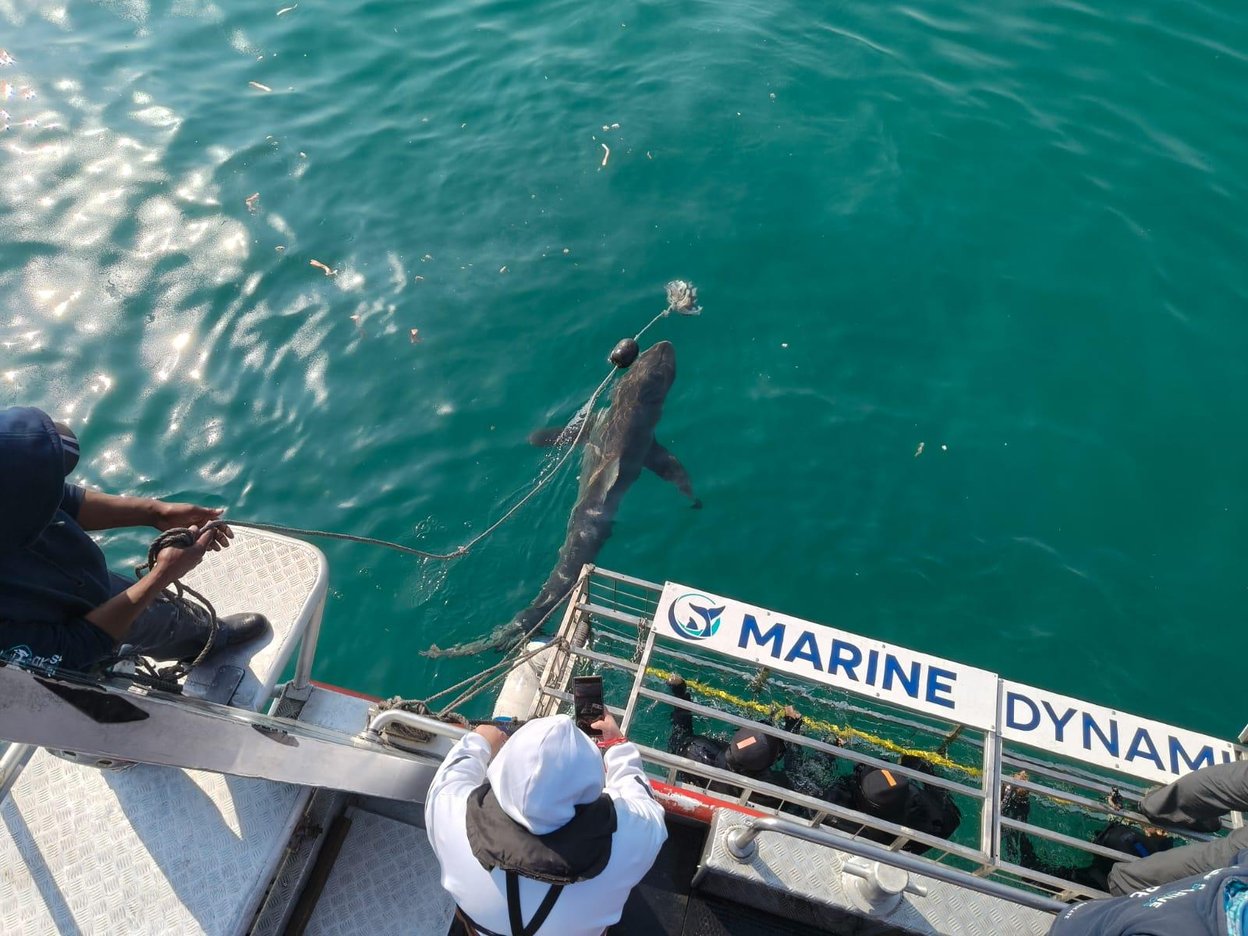
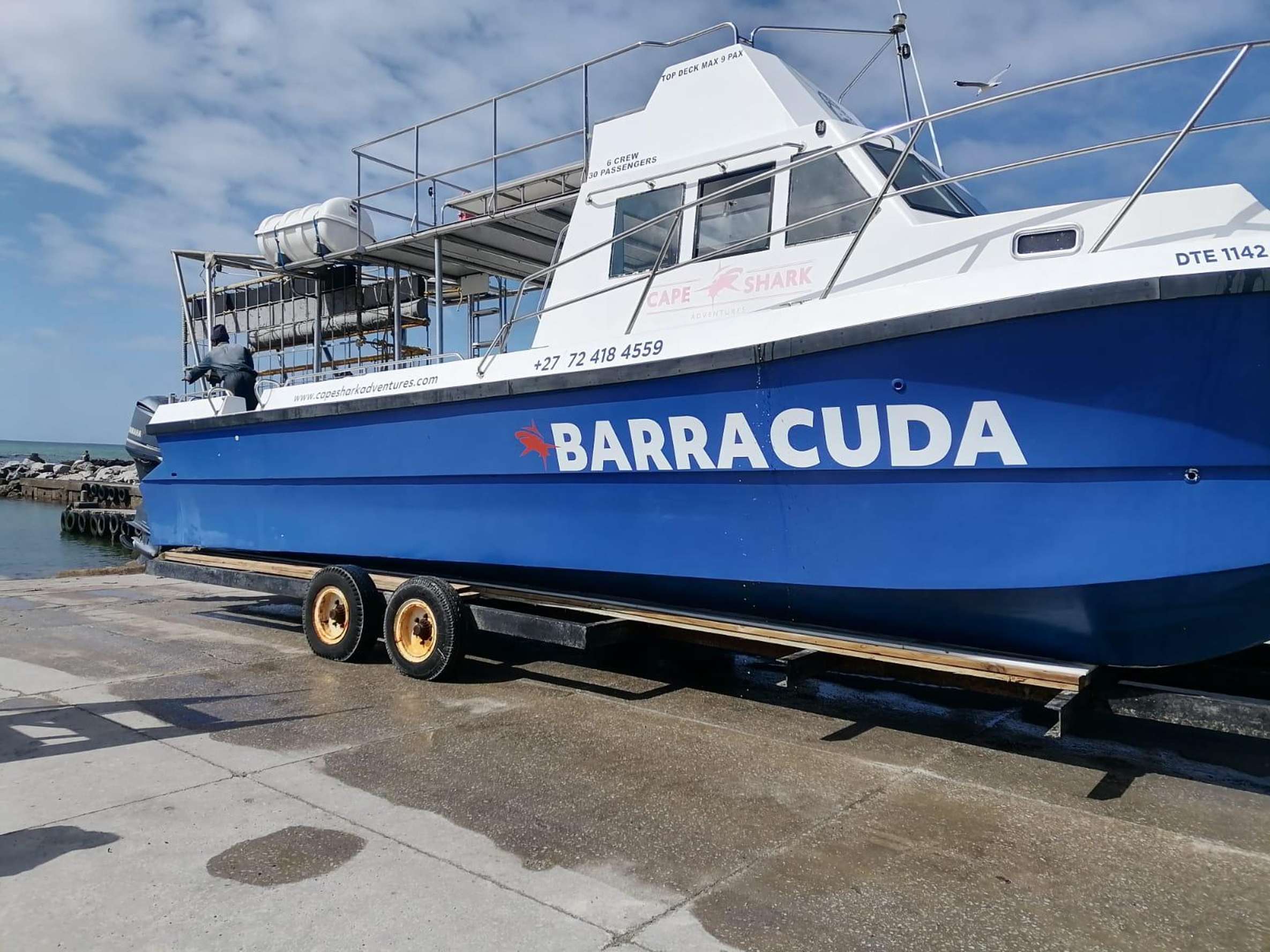
Most trips out of Gansbaai run as a full loop: transfer from Cape Town, coffee and a briefing at the harbour, a short boat ride past seals and dolphins, then timed turns in the cage while the rest of the group watches from the deck.
What you get is bigger than one shark. Bronze whalers, sevengills, fur seals, penguins and dolphins all show up on these waters, and a marine biologist stays with you the whole trip, naming each animal and logging what it does. The moments below walk the day in order.
Stop 1Refreshments and the briefing· about 40 minYou arrive, get light refreshments, then sit down with the crew for a safety briefing on the equipment, cage procedures and how sharks are attracted without feeding them.Stop 2The boat ride out· 20 minA 15 to 20 minute ride along the Gansbaai coastline. Dolphins, seals and seabirds turn up often on this leg, so keep a camera out.Stop 3Your turn in the cage· about 90 minGroups of 4 to 6 enter the cage in timed rotations while everyone else watches from the deck. You wear a wetsuit and mask, and no diving experience is needed.Stop 4Deck viewing and the ride home· about 50 minBetween rotations the deck gives a clear view of sharks at the surface. Afterwards, the biologist explains each shark's sex, size and markings before the boat heads back.
Included
Safety briefing and equipmentLight refreshmentsBoat ride to the diving siteShark cage diving experienceHotel pickup and drop off
Not included
Gratuities
Side by side - how the tours for great whites stack up
gansbaai sits about 2.5 hours from cape town
Green marks the lowest price. Prices per person.
Tour
Price
Duration
Pickup
Languages
Best for
Our pick
From Cape Town: Gans Bay Great White Shark Cage Diving
5.0★ (3)
from $285per person
4 hours
yes
English
travelers set on a great white, since Gansbaai tours sell out first
mossel bay runs 3 to 5 degrees warmer than gansbaai
1. Pick your launch site and date
Decide between Gansbaai, about 2.5 hours from Cape Town, and Mossel Bay, roughly 4.5 hours east. Choose a morning slot: seas are calmest early, before wind and swell build in the afternoon.
Pro tipGansbaai has the most operators and departure choices; Mossel Bay currently gives you the best odds of a great white.
Common mistakeBooking a midday slot to sleep in. Afternoon winds churn the water and cut visibility.
2. Choose the transport option
Most tours list two options: a meeting point in Gansbaai or Kleinbaai, or hotel pickup and drop-off from Cape Town. Pickup days run longer, around 8 to 10 hours, because of the drive each way.
Pro tipIf you drive yourself, take the N2 over Sir Lowry's Pass and the R43 past Hermanus. Stanford and Hermanus make the best coffee and bathroom stops.
Common mistakeChoosing pickup without checking that your hotel falls inside the collection area. On one tour, guests outside it meet at a city hotel at 6 am.
3. Pay and watch for the operator
After payment you get a confirmation, then the operator contacts you with details. On some Gansbaai trips the exact pickup time is only fixed the afternoon before, once the crew has checked tides and the sea forecast.
RecommendedKeep your phone on and check email the day before your trip. That message carries your final start time.
Pro tipWeather calls are made by the skipper the day before. If the sea turns, you get a full refund or a new date.
4. Read the voucher and check who can dive
Your voucher shows the meeting point, check-in time and what to bring. Bring a passport or ID, swimwear, a towel and warm layers for the deck. Wetsuit, mask, boots and hood come with the boat.
ImportantAge rules differ by operator. One Gansbaai tour keeps children under 12 out of the cage, and children under 5 cannot board at all.
ImportantOne Gansbaai tour charges a compulsory conservation fee on top of the ticket, and one Cape Town tour lists diving fees paid separately.
5. Prepare the night before
Eat a light, bland dinner and skip greasy or spicy food. Take seasickness tablets the evening before and again an hour before boarding, since the open water can get choppy once the boat anchors.
RecommendedPack your bag the night before: swimwear under your clothes, warm jacket, hat and sunscreen.
Pro tipCancel up to 24 hours ahead for a full refund if your plans change, so book the date now and sort the rest later.
What to know before your dive with the great whites
take stugeron 90 min before boarding
Can stop the dayGood to knowGood news
01
ChoosingWhat it is, who it suits, when to go
4
The drive
Self-driving from central Cape Town to Gansbaai takes about 2.5 hours without traffic, along the N2 over Sir Lowry's Pass and Houwhoek Pass, then the R43 past Hermanus and Stanford. The roads are paved and in good condition, and Hermanus and Stanford make the easiest stops for coffee or bathrooms.
Diving experience
No diving experience or scuba certification is needed. The cages are surface cages, so you breathe naturally while submerged or hold your breath as sharks pass. You do need comfort in choppy water, though, because entering an ocean cage without basic swimming ability can cause panic when the swell pulls at you.
Cage rotations
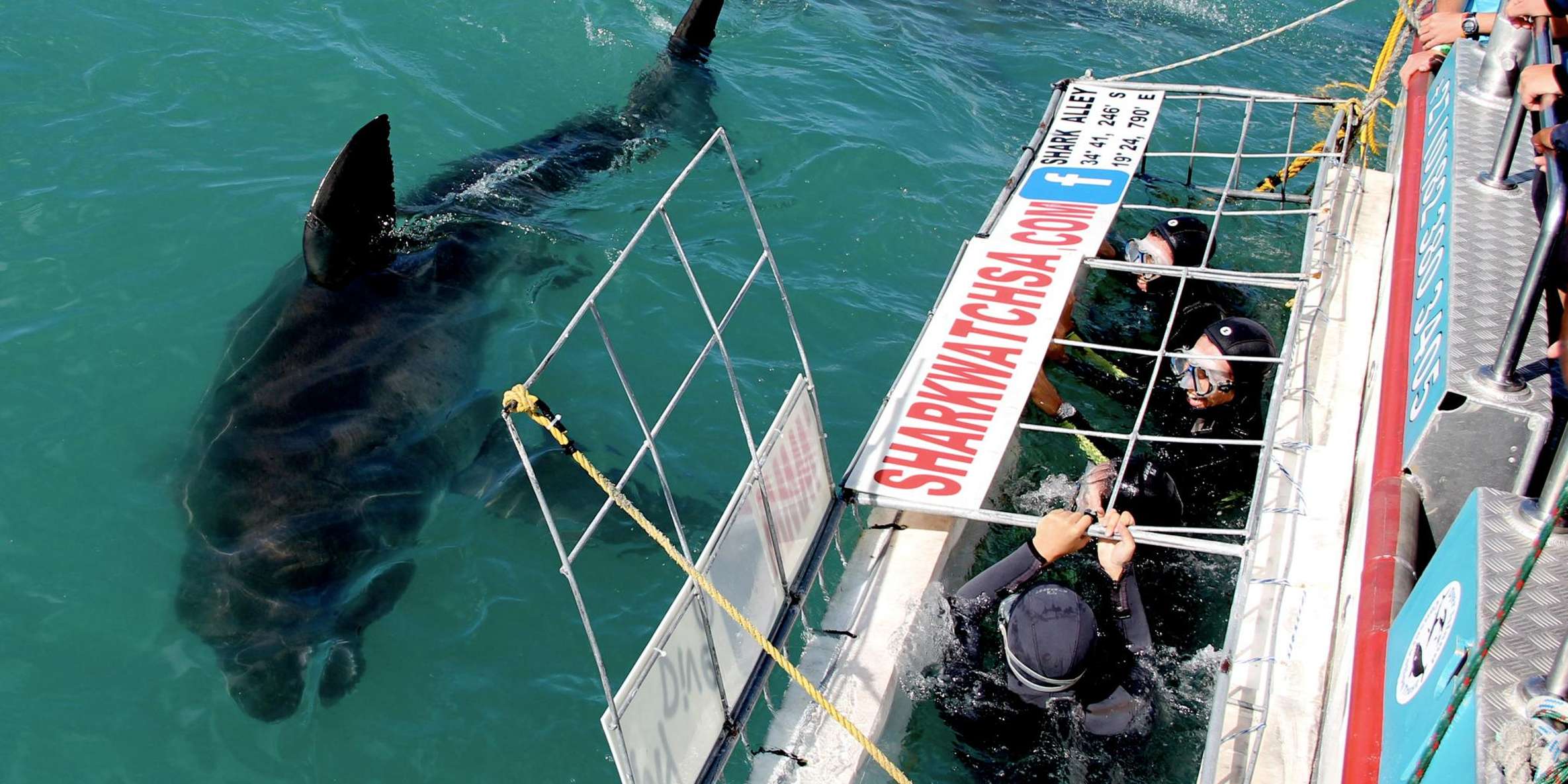
Guests go into the cage in timed groups of 4 to 6 at a time, with each turn lasting 20 to 30 minutes. A boat carrying around 20 passengers usually gets at least two full rotations for everyone. While you wait your turn, you watch from the viewing deck.
Seasickness
The boats anchor in open swells, and that motion is what gets people. If you are prone to it, take oral tablets the night before and again about an hour before boarding, since medication works best before symptoms start. Some tours strongly recommend bringing your own tablets.
02
BookingHow far ahead, and what happens if plans change
1
Weather callsCan stop the day
The skipper decides the afternoon before whether conditions allow a launch, based on wind and swell, and can cancel on short notice. If weather cancels your trip, most tours offer an alternative date or a full refund. No cage diving experience is required, but the sea decides the day.
03
Before you goPapers, health, what to bring
2
Included food
Breakfast or a continental breakfast comes with most tours on arrival, and on board you get snacks, fresh fruit, chocolates, and hot or cold drinks. After the dive, most operators serve a light lunch, often hot soup and bread, so you warm up before the drive back.
Wetsuit
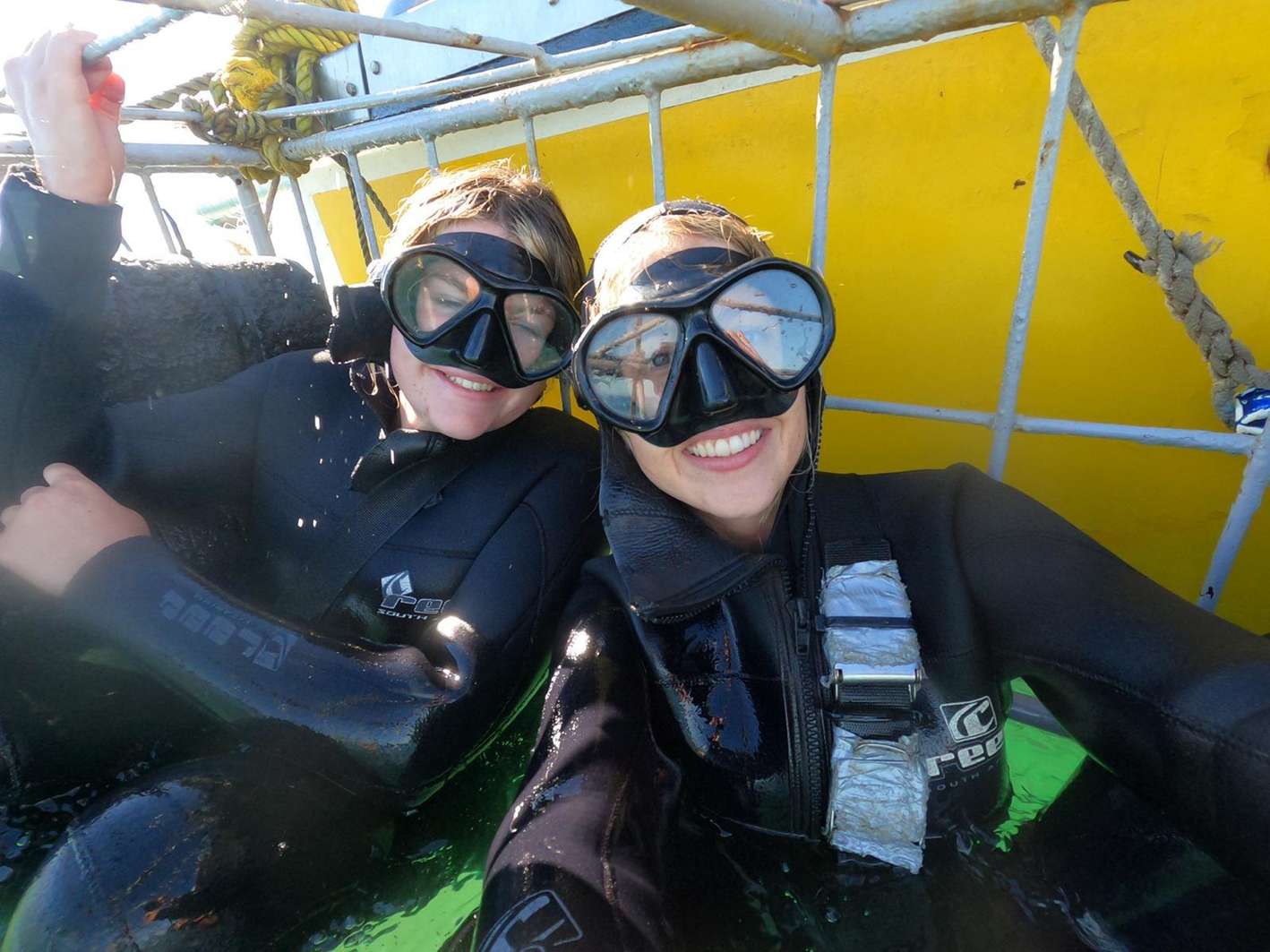
The water runs about 12°C to 20°C, so operators supply thick 5 mm full wetsuits, plus booties, hoods, and masks; one Gansbaai operator even offers 7 mm suits. Bring only a swimsuit, a towel, and warm layers for the boat deck.
04
On the dayWhere to be, when, and how you get there
1
Pickup
Several tours include hotel pickup and drop-off in Cape Town, while the Gansbaai option with a marine biologist briefing collects you from your hotel or from a meeting point in Kleinbaai. On the transfer tour, pickup times are confirmed only the afternoon before, at 4 pm the day prior.
05
During the tourWhat is expected of you
3
Deck viewing
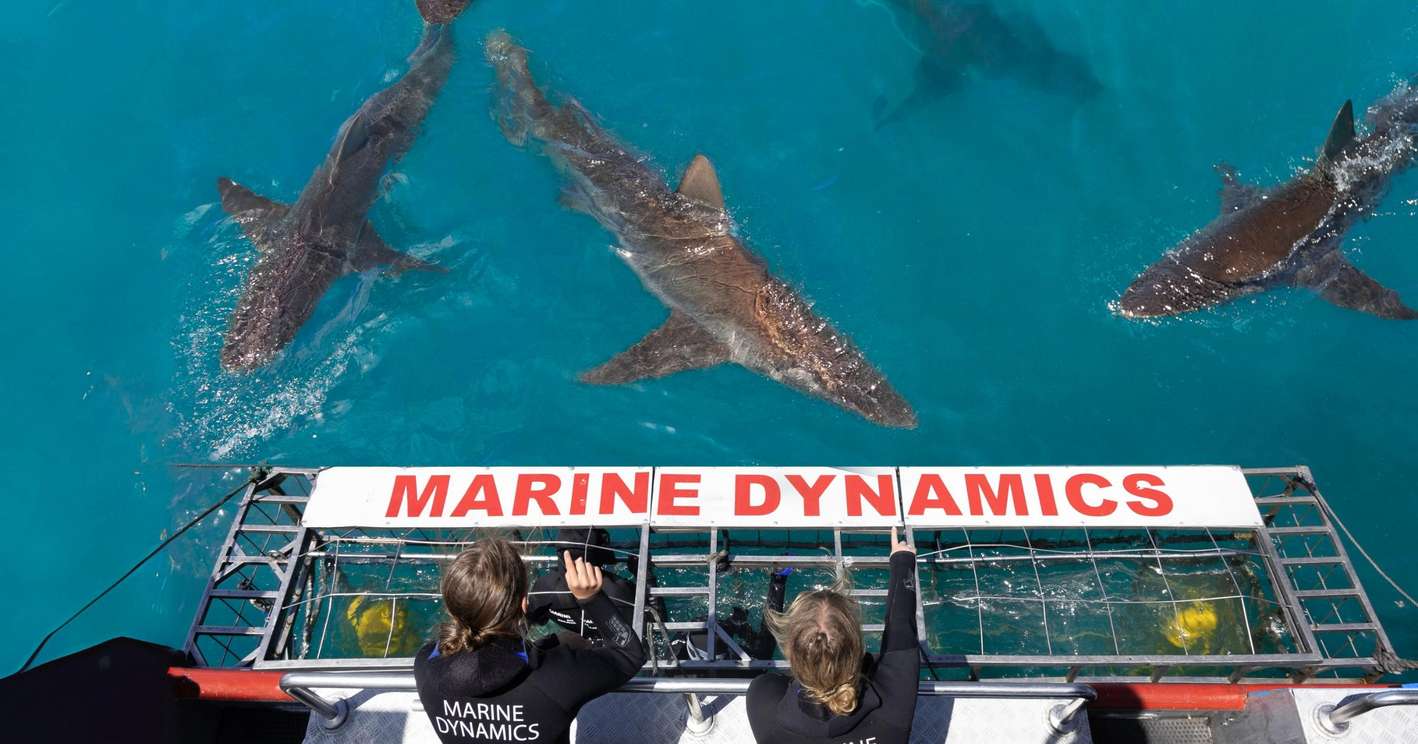
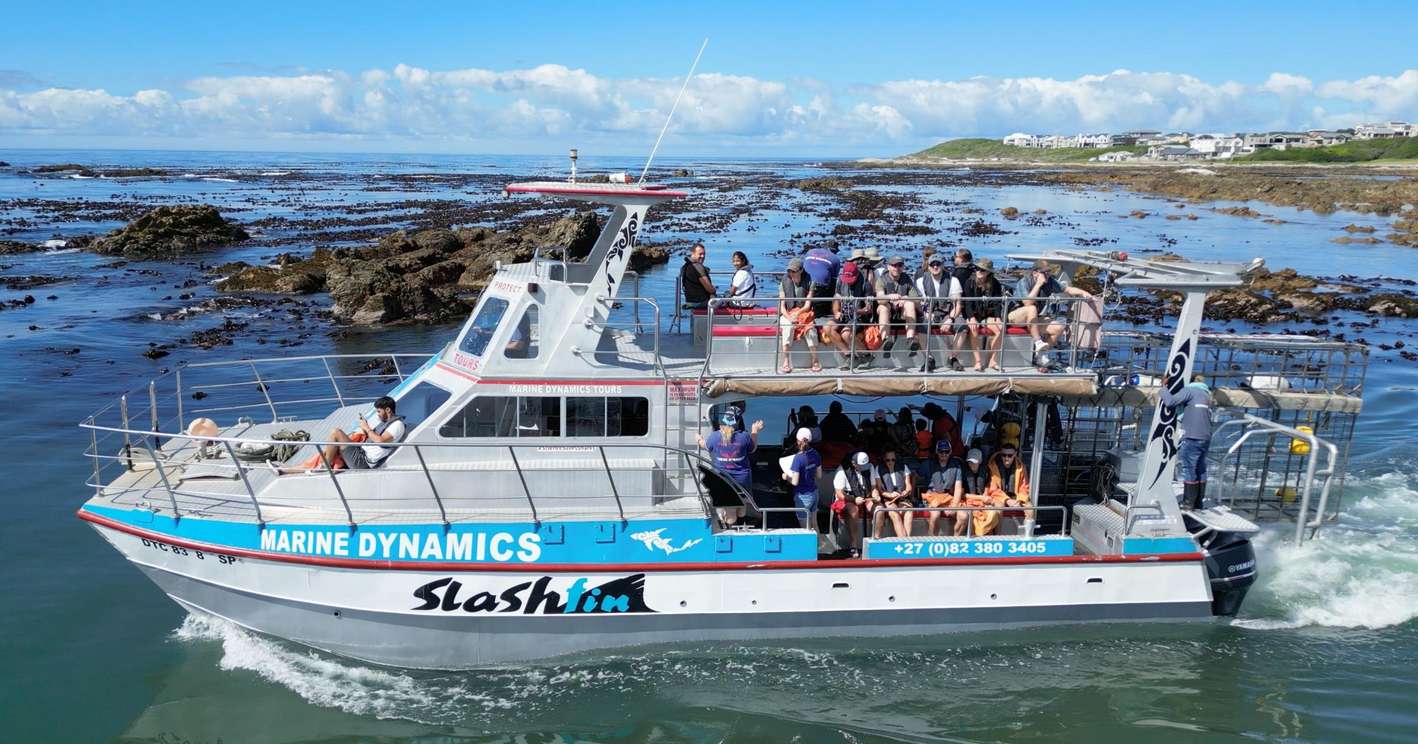
You do not have to get in the water to see the sharks well. Watching from the boat deck gives clear sightlines of approaching sharks, and many guests find it just as rewarding. The larger boats have an upper deck with wide views over the water.
Onboard rulesCan stop the day
No smoking, alcohol, or drugs are allowed on board, and feeding or touching marine life is prohibited. Inside the cage, keep your hands, feet, and camera inside the bars at all times, and hold the interior handrails to steady yourself. Children under 5 are not permitted on the boat, and under-12s are barred on one tour.
Extra costs
Tips are not included and follow the same 10% standard as restaurants. Photos and video from an onboard photographer cost extra and are bought after the trip, and some tours price diving fees or safari game drives separately. Alcohol on one boat is available to purchase.
Great whites cage diving in South Africa - where to go
seal colonies draw the sharks in
The great whites have shifted east: Mossel Bay now logs the most sightings, while Gansbaai runs mostly bronze whalers. Which harbour you book, and which month, decides what your day in the cage holds.
Gans Bay· 33.92° S, 18.42° E
If you only remember three things
1
Mossel Bay gives the best odds of a great white and sits 4 to 4.5 hours from Cape Town, so plan an overnight stop.
2
No shark is guaranteed: in 2025 Gansbaai operators went a whole year without a single great white, so a buffer day and bronze whalers come with the deal.
3
Wetsuit, mask, boots and hood are all supplied; you bring a swimsuit, warm deck layers and seasickness tablets started the night before.
Where great whites now show up in South Africa
The map in most people's heads is out of date. False Bay and Gansbaai built South Africa's white shark reputation, and boats still launch from Simon's Town pier and Kleinbaai harbour every week.
The sharks have drifted east, though. Pods of orcas that hunt them moved along the Cape coast, sightings collapsed, and Mossel Bay now holds the most consistent great white sightings in the country.
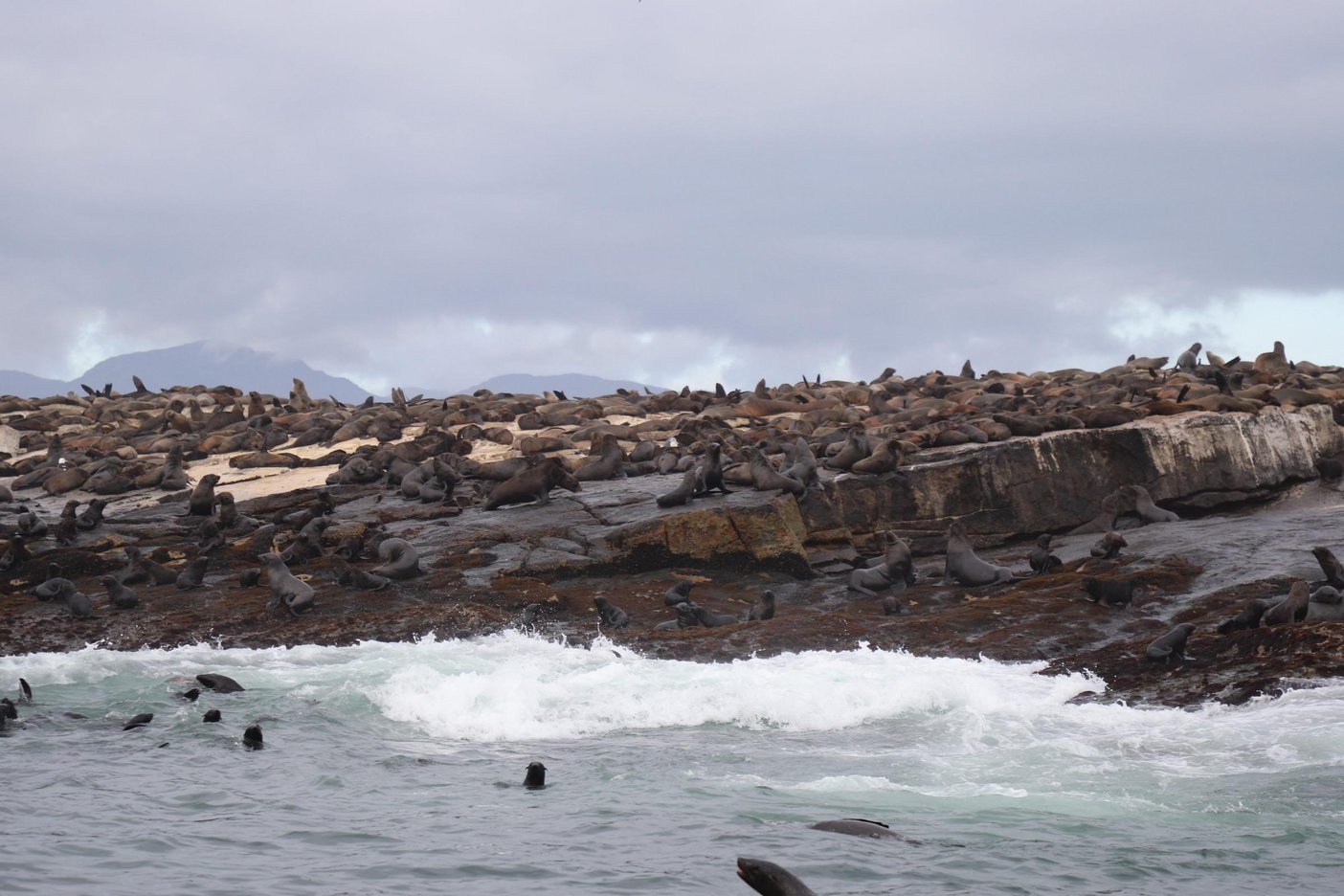
Gansbaai still earns its place as the hub: the most operators, the widest choice of boats and the Dyer Island seal colony just offshore. Its cage dives now meet bronze whaler sharks on most days; a great white shows up now and then, if the season is kind.
Mossel Bay runs a single licensed commercial operator, which keeps groups small, and resident juvenile whites patrol Seal Island there all year.
Read the map as a set of odds, and book to the bay with the best ones. False Bay sits closest to Cape Town but records close to zero great white sightings now.
If great whites are the species you came for, Mossel Bay is the harbour that matters, with Gansbaai as the easier and cheaper fallback.
Tour for this
From Cape Town: Shark Cage Diving and Viewing5.0★ (1) · 8 hours · Free cancellation
Honesty first: a great white is never guaranteed. In 2025, Gansbaai's cage diving operators recorded their first full year without a single sighting, and False Bay has sat near zero for years. Boats still go out daily, and the day is built around what the water holds.
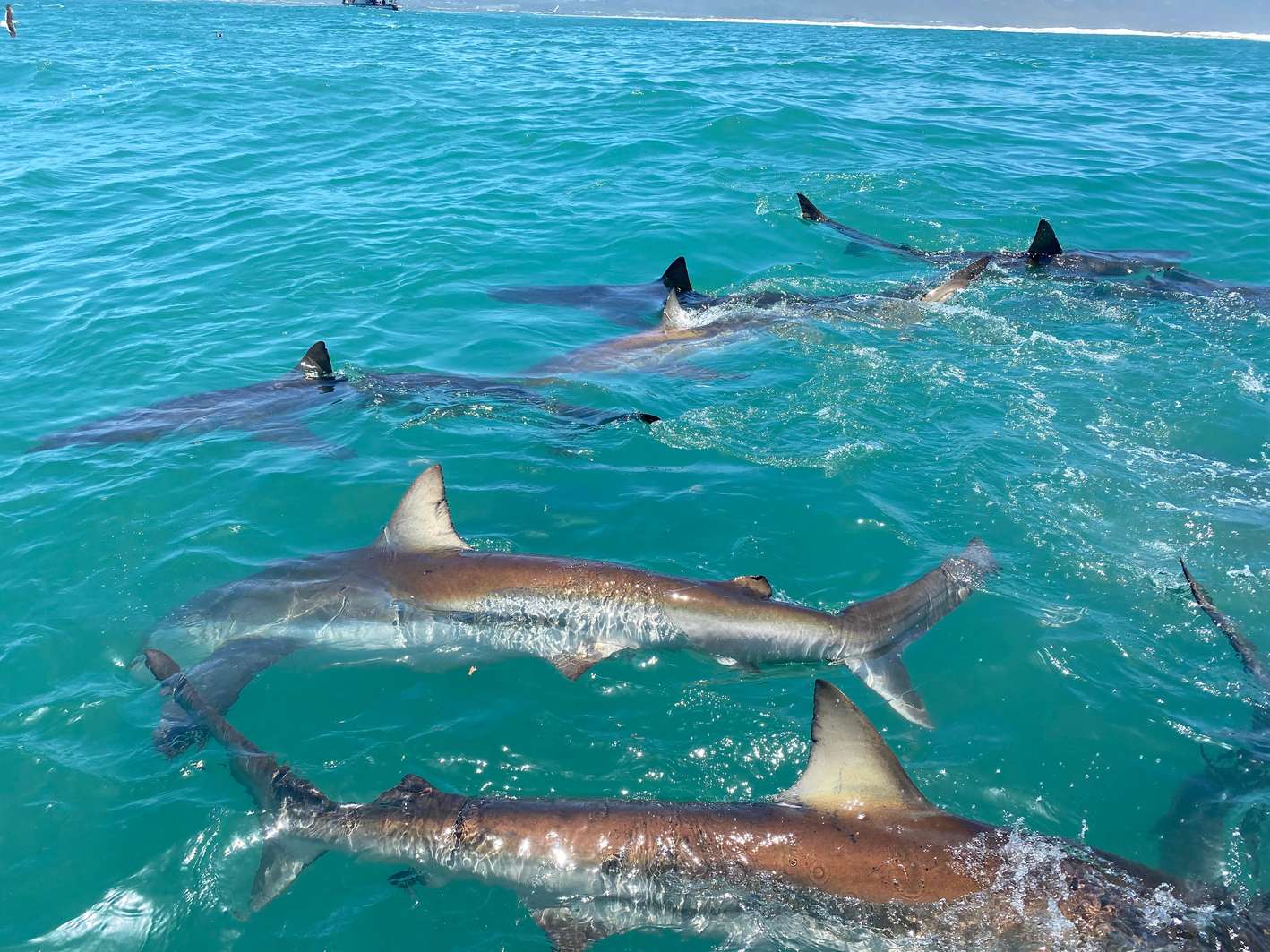
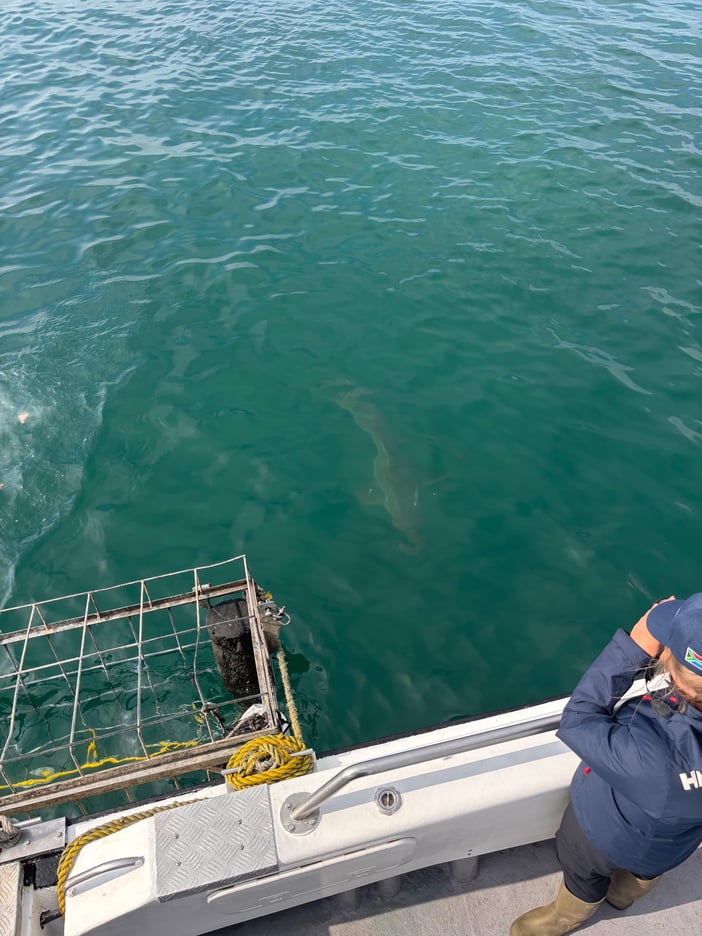
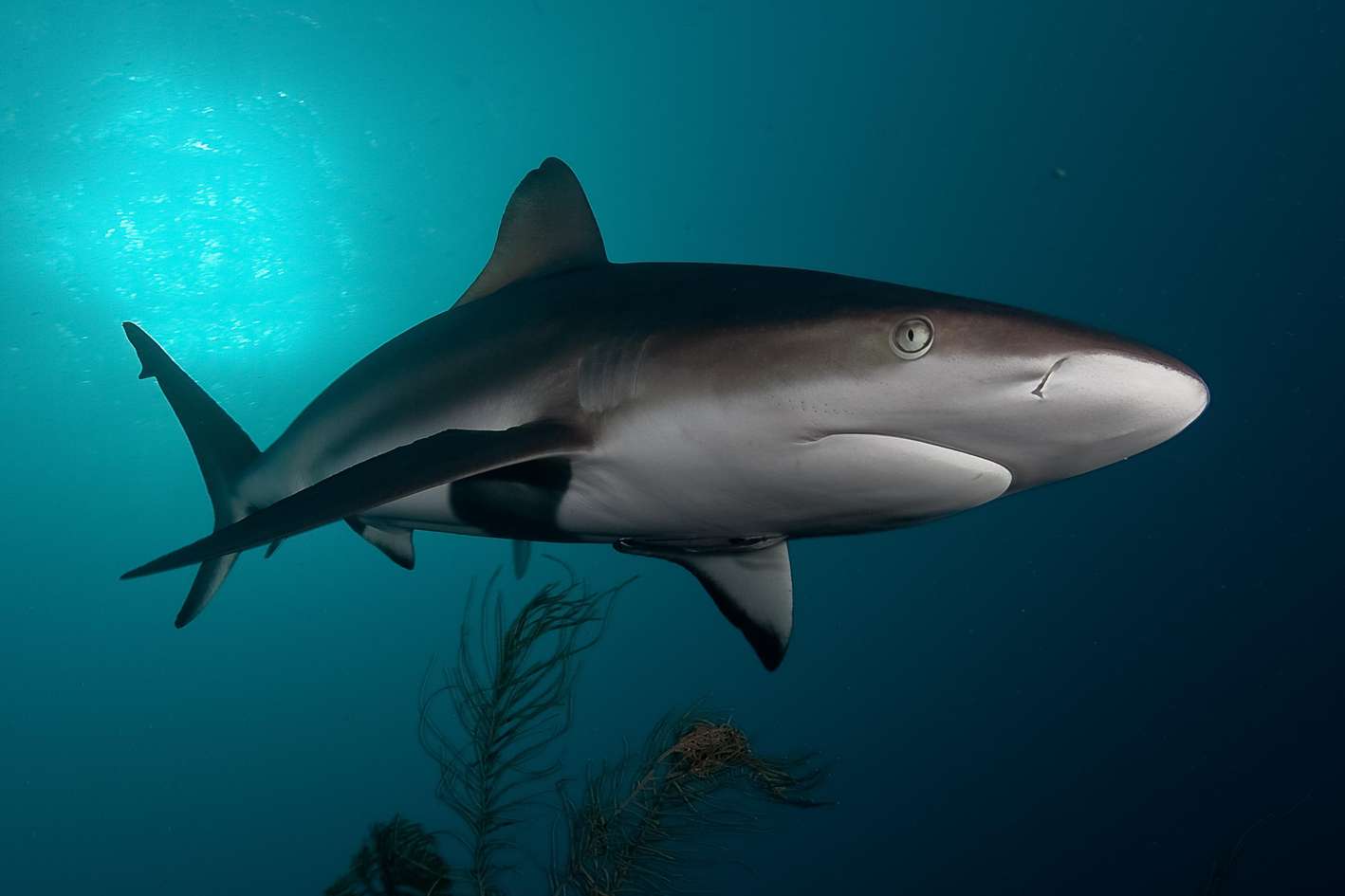
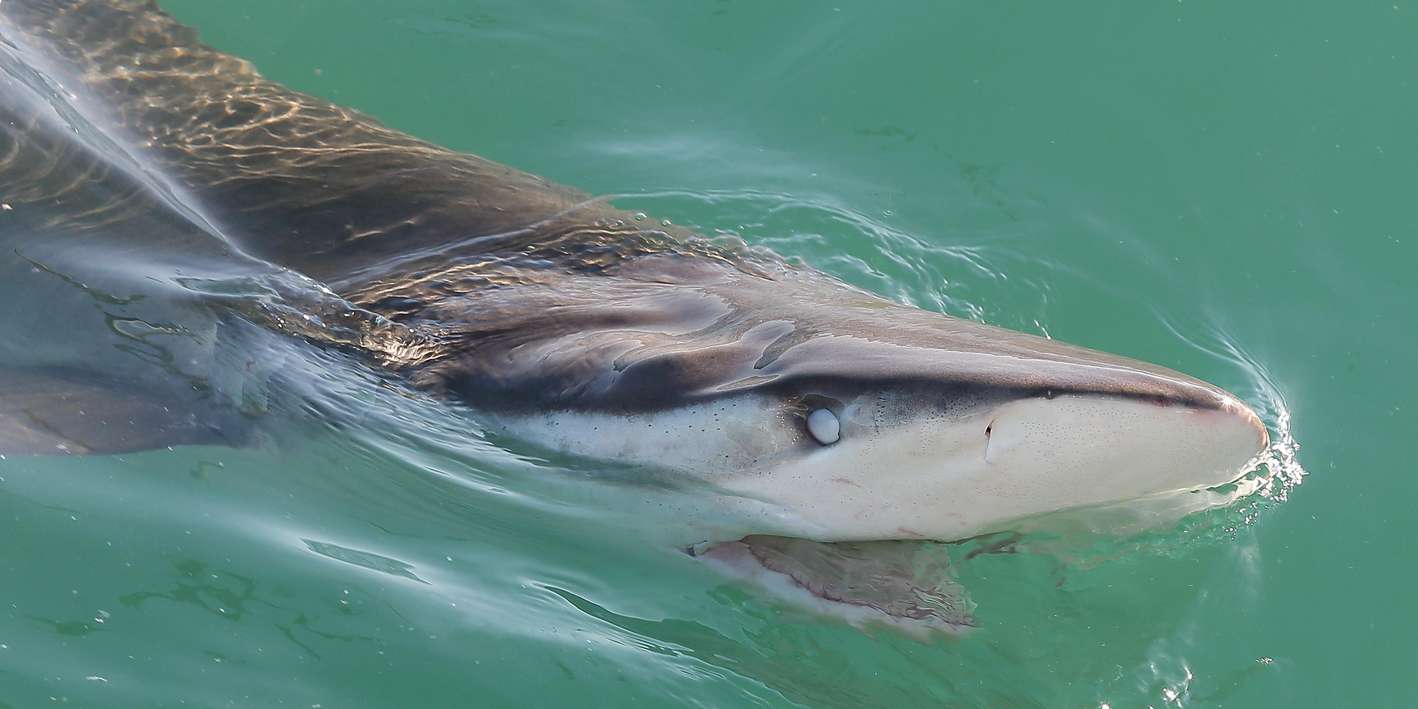
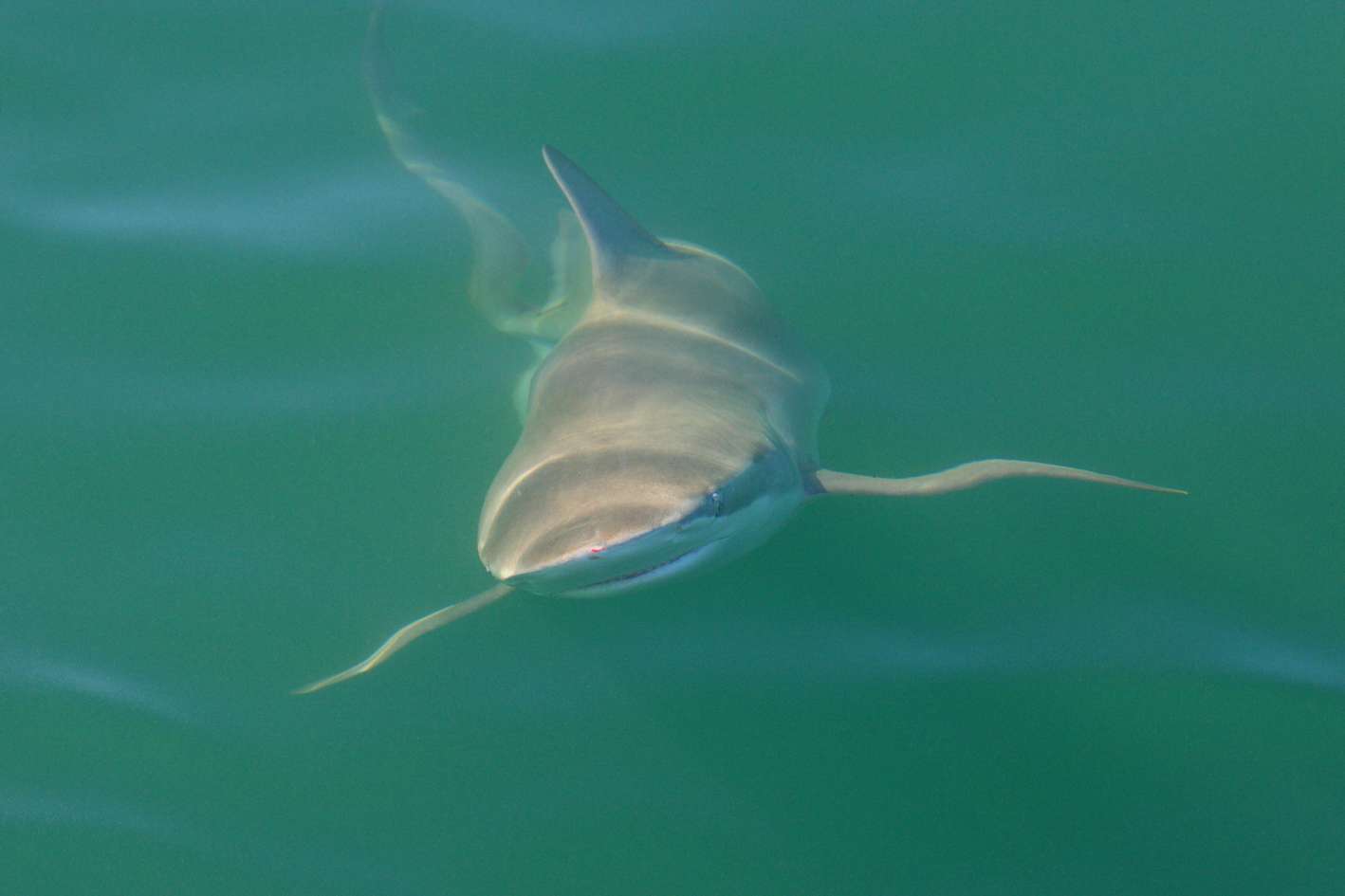
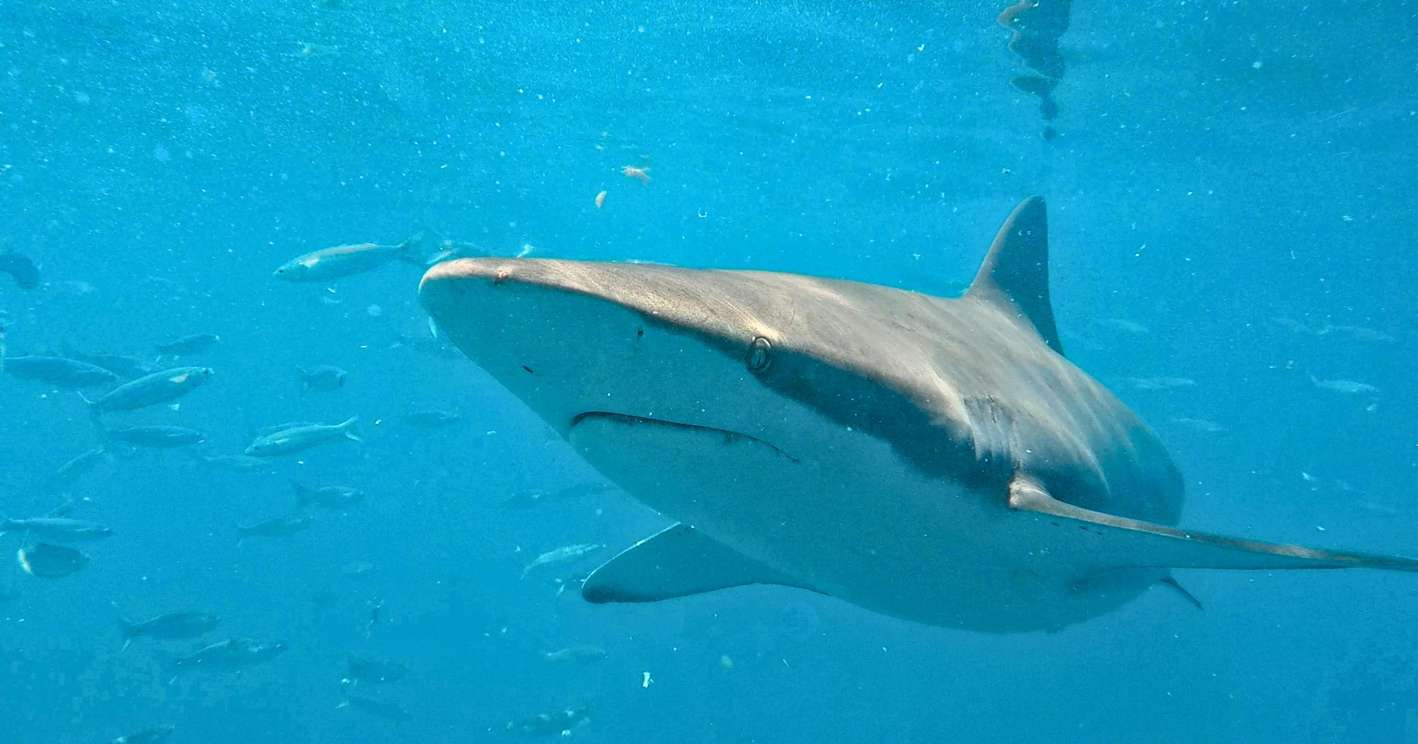
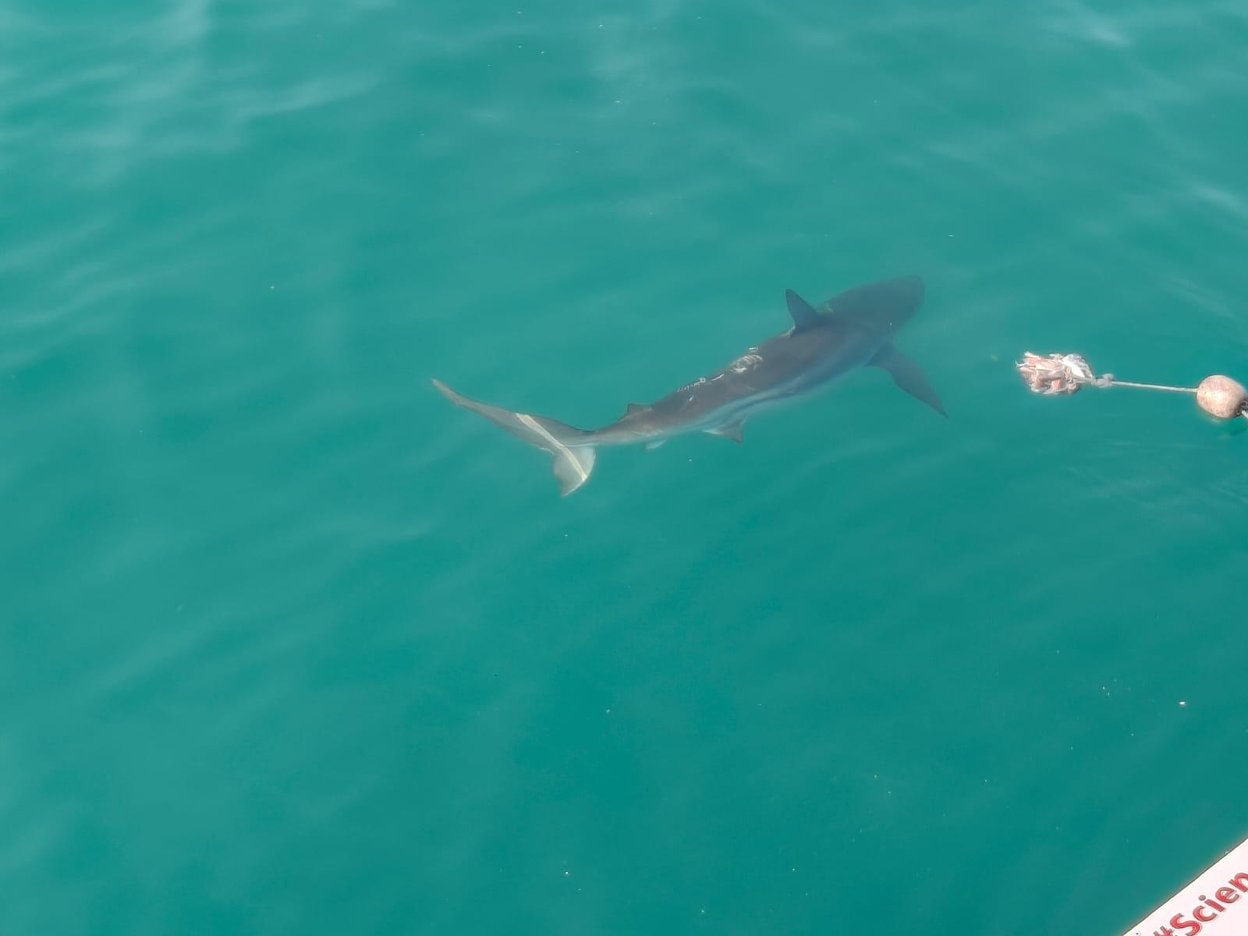
What it holds, reliably, is bronze whaler sharks, copper-coloured and arriving in schools, alongside sevengill cow sharks, seals, stingrays and dolphins.
People who go often say the trip earns itself anyway: the chum line draws sharks to within arm's reach of the cage, and the marine biologist on board reads the water for you all day.
What people get wrong about great white trips
MythYou can book a great white cage dive anywhere in South Africa
Reality
Durban runs no great white cage dives at all; the water off KwaZulu-Natal is too warm for the species
MythGreat whites appear on every trip
Reality
Sightings depend on season and migration, and some bays have gone a year or more without one
MythGreat whites are mindless killing machines
Reality
In person they are deliberate and curious, slowing down to look at the cage before moving on
Book with the species you will most likely see in mind, and treat a great white as the bonus it has become.
Gansbaai, False Bay or Mossel Bay for great whites
Three harbours, three trade-offs. Mossel Bay runs 3 to 5 degrees warmer than Gansbaai, with water that can clear to 10 to 20 metres in good conditions, and it is where the great whites are.
The cost is the drive: four to four and a half hours from Cape Town, which suits an overnight stop on the Garden Route.
Gansbaai sits about two and a half hours from the city, fields the most operators and keeps its boats running daily. False Bay launches from Simon's Town, only 45 minutes from central Cape Town, the easiest logistics of the three, with bronze whalers and sevengills as the working species.
Gansbaai, False Bay and Mossel Bay side by side
Gansbaai
False Bay (Simon's Town)
Mossel Bay
Drive from Cape Town
about 2.5 hours
about 45 minutes
4 to 4.5 hours
Great white odds
rare now, none recorded in 2025
close to zero
the most consistent in the country
Likely sharks
bronze whalers, sevengills
bronze whalers, sevengills
great whites, bronze whalers
Operators
many, larger boats
few
one licensed, small groups
Water
5 to 8 m visibility in summer
windy summer afternoons
3 to 5°C warmer, up to 10 to 20 m visibility
Gansbaai
Drive from Cape Town
about 2.5 hours
Great white odds
rare now, none recorded in 2025
Likely sharks
bronze whalers, sevengills
Operators
many, larger boats
Water
5 to 8 m visibility in summer
False Bay (Simon's Town)
Drive from Cape Town
about 45 minutes
Great white odds
close to zero
Likely sharks
bronze whalers, sevengills
Operators
few
Water
windy summer afternoons
Mossel Bay
Drive from Cape Town
4 to 4.5 hours
Great white odds
the most consistent in the country
Likely sharks
great whites, bronze whalers
Operators
one licensed, small groups
Water
3 to 5°C warmer, up to 10 to 20 m visibility
One honest note on those odds: Gansbaai's figure comes from boat logs, which show sightings fell below one per trip by 2018 and none came at all in 2025, while Mossel Bay's counts sightings per trip at its single licensed boat. That gap is the reason to pick your harbour first.
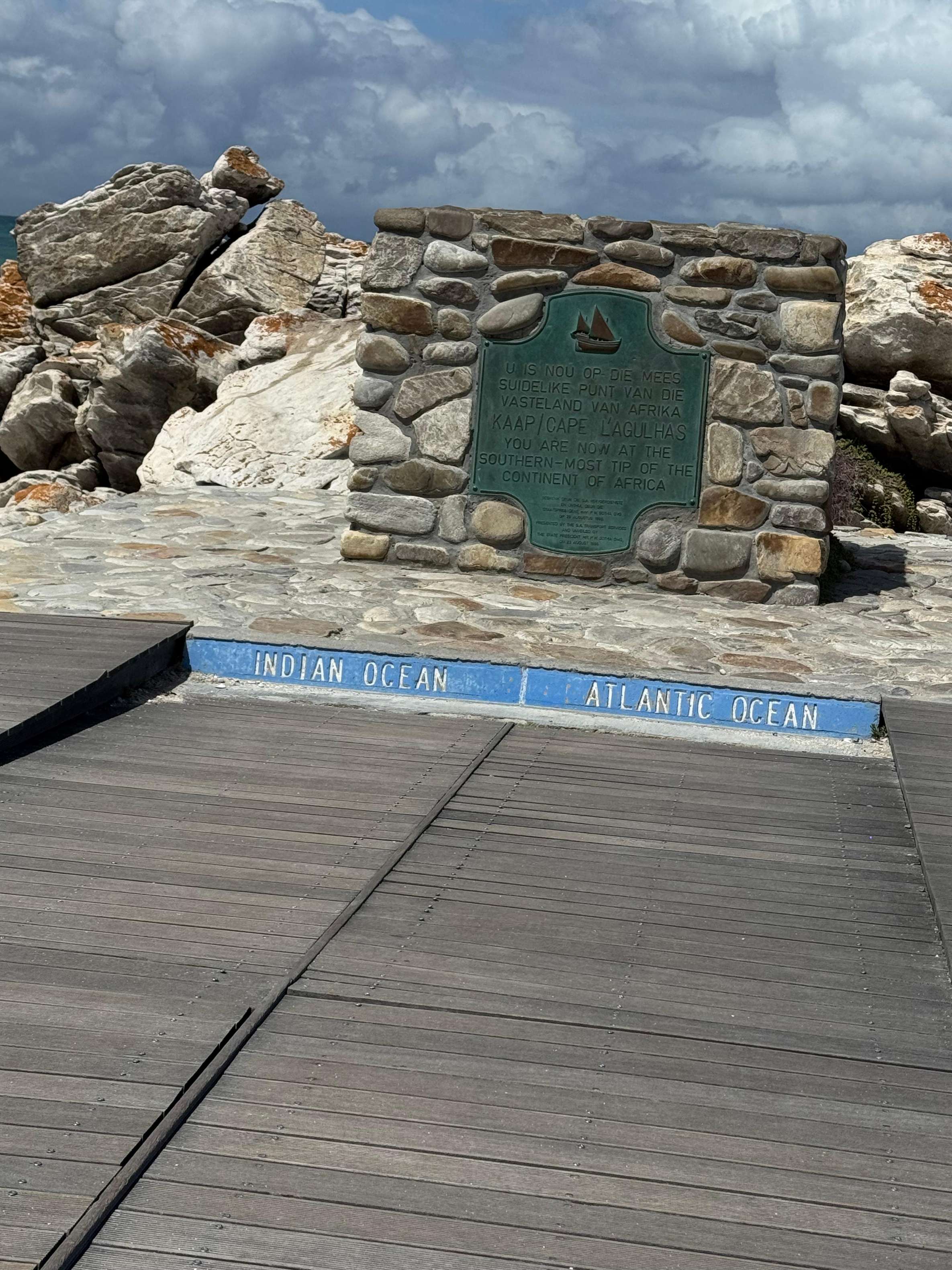
If the dive is part of a bigger Garden Route plan, the From Cape Town: 2-Day Garden Route Safari with Shark Diving combines a night in a 4-star bush lodge, a drive through Hermanus and a stop at Cape Agulhas. The shark diving ticket sits outside that package, so budget for it separately.
Tour for this
From Cape Town: 2-Day Garden Route Safari with Shark Diving5.0★ (3) · 2 days · Hotel pickup · Free cancellation
Best months to see great whites, and what the sea does
Winter, roughly May to September and peaking June to August, is when great whites show up in Mossel Bay in the highest numbers and when the water is clearest in the Western Cape.
It is also when the sea bites hardest: winter swells off Gansbaai cancel departures on roughly 18 days out of 30, leaving boats able to launch about 12 days a month. Summer flips it, cancellations drop to about 10 in 30 while sighting odds fall away.
The practical answer is a buffer day. If the dive anchors a short trip, give it two possible dates. Skippers make the call the afternoon before, based on wind, swell and the harbour entrance; no fixed swell height decides it for them.
Book a morning launch wherever possible. Coastal water is calmest early, before the south-easter picks up in the afternoon and stirs the visibility away.
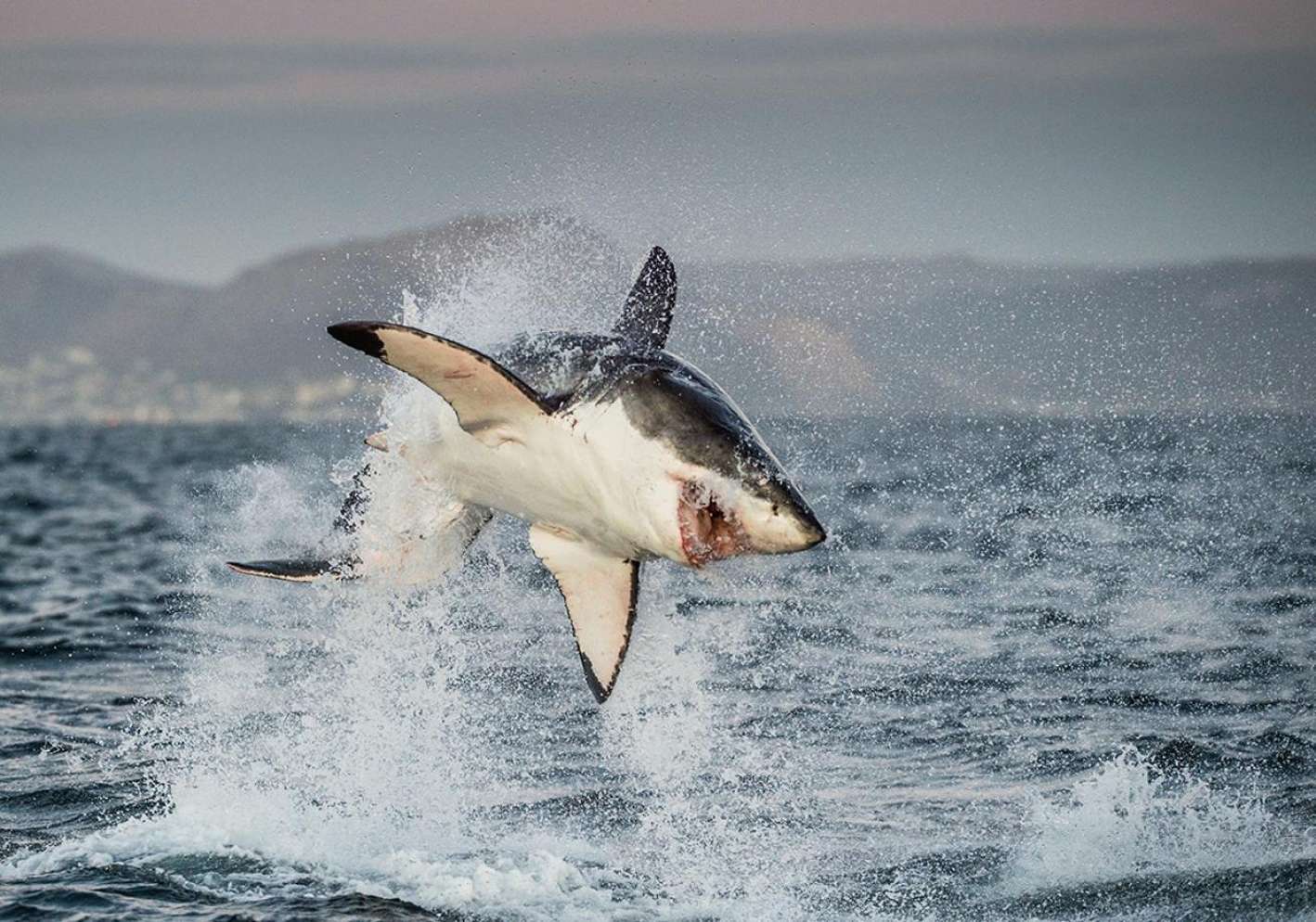
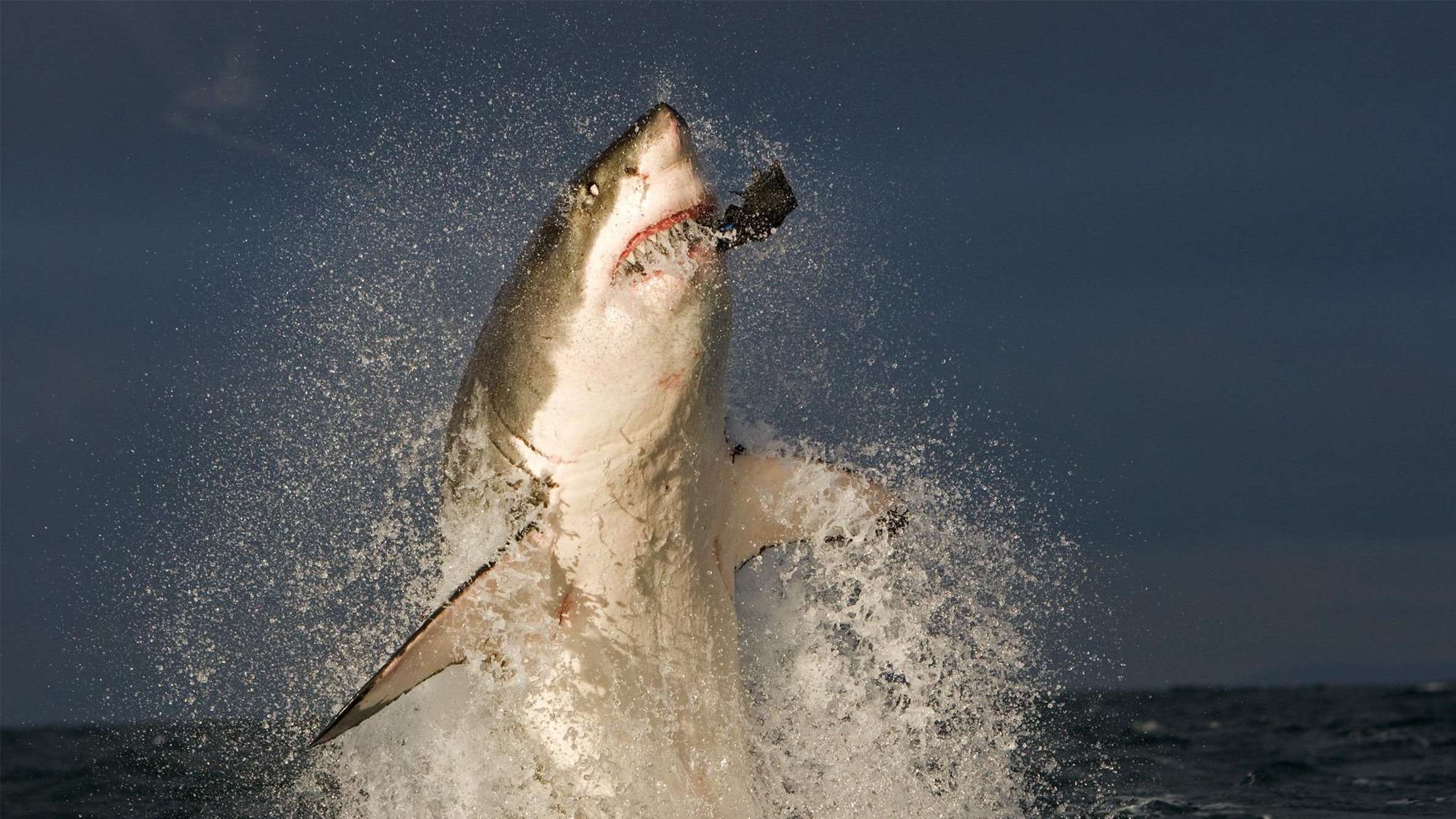
In False Bay, winter mornings around Seal Island are also when natural breaches happen at sunrise, as the young seals leave the island. Sunrise starts are cold and early; they are also the show.
Tour for this
From Cape Town: Gans Bay Great White Shark Cage Diving5.0★ (3) · 4 hours · Hotel pickup · Free cancellation
Two ways to cover the 163 kilometres between central Cape Town and the Gansbaai slipway. Self-driving takes about two hours and 43 minutes without traffic, east along the N2 over Sir Lowry's Pass and Houwhoek Pass, then the R43 past Hermanus and Stanford.
The road is paved and in good shape the whole way, and Hermanus and Stanford make the natural coffee and bathroom stops.
A transfer removes the early-morning driving altogether. The From Cape Town: Gans Bay Great White Shark Cage Diving tour collects you from your hotel, covers the briefing, gear and refreshments, and puts you on the water for a four-hour trip.
No train runs to Gansbaai, so it comes down to the car or the pickup. Take the car if you want to stop at Stony Point or Hermanus on the way and set your own pace; take the transfer if a dawn start and the N2 in the dark sound like work.
In peak season, congestion can stretch the drive to 90 minutes or more, so build in extra time either way.
Driving yourself
Rent a car for the driveCompare cars from the rental companies in one search, then pick yours.
The day runs to a rhythm that repeats on almost every boat. Check-in at the harbour, 30 to 60 minutes before launch, covers coffee, wetsuit fitting and a safety briefing that explains how the crew attracts sharks.
Then the short ride out, ten to twenty-five minutes to the diving grounds, and the anchor goes down at the chum line.
How a cage diving day unfolds
1
Check-in
30 to 60 minutes before launch
Coffee, wetsuit fitting and the safety briefing
2
The ride out
10 to 25 minutes to the shark grounds
Watch for seals, penguins and dolphins on the way
3
Cage rotations
Groups of 4 to 5 divers, 20 to 30 minutes each
A full boat gets at least two full turns each
4
Deck time
All day
The upper deck gives a clear view of sharks approaching the boat
5
Back on shore
Hot showers, soup and bread
Many operators finish with a light lunch
Rotations are the part first-timers don't expect: a full boat means waiting your turn, and the wait is no dead time. The deck view is genuinely good, and on the Cape Town: Gansbaai Eco-Friendly Shark Cage Diving Cruise a marine biologist stays with you all day, reading fins, scars and behaviour out loud.
Inside the cage you hold your breath on cue as a shark passes; some boats supply air from the surface instead.
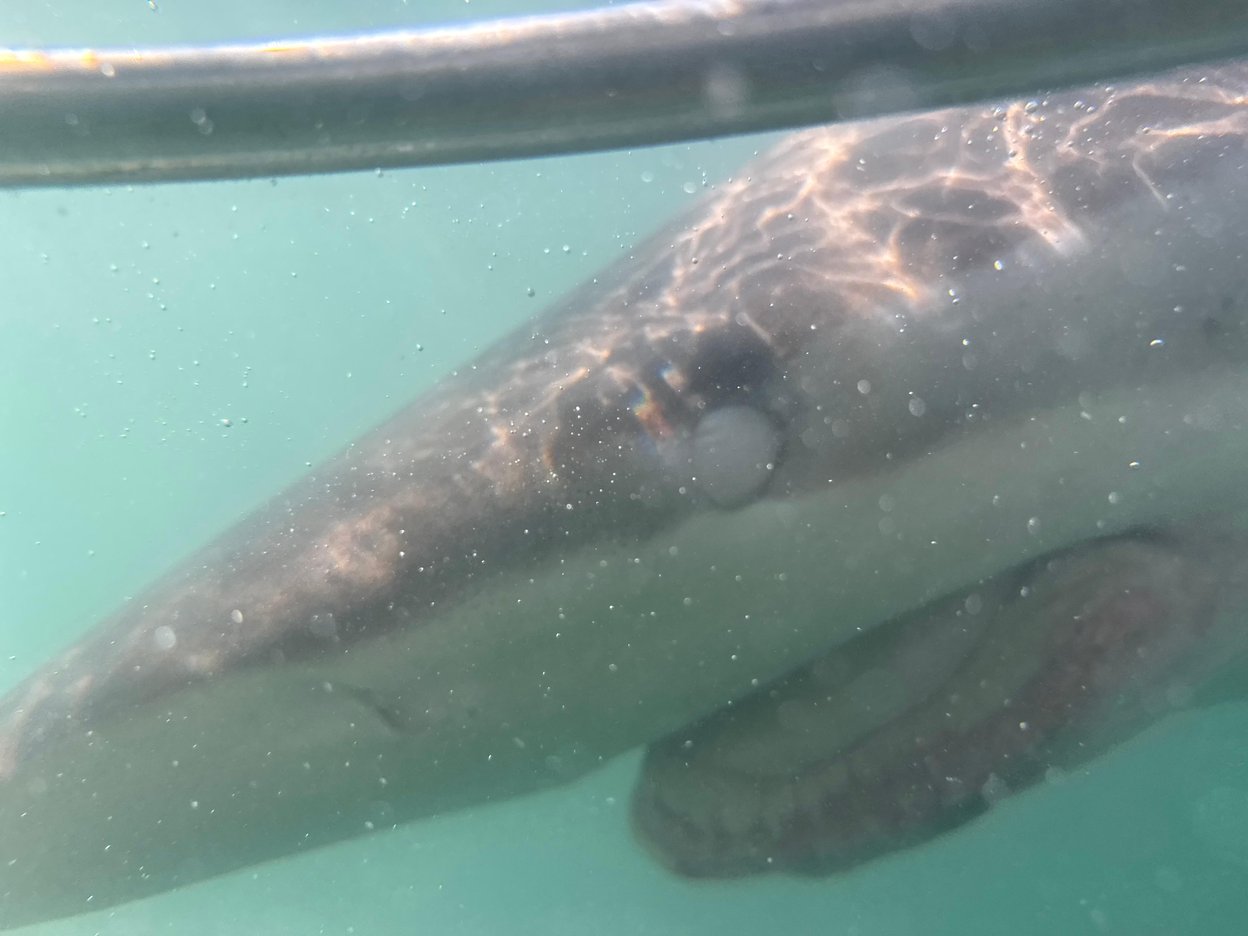
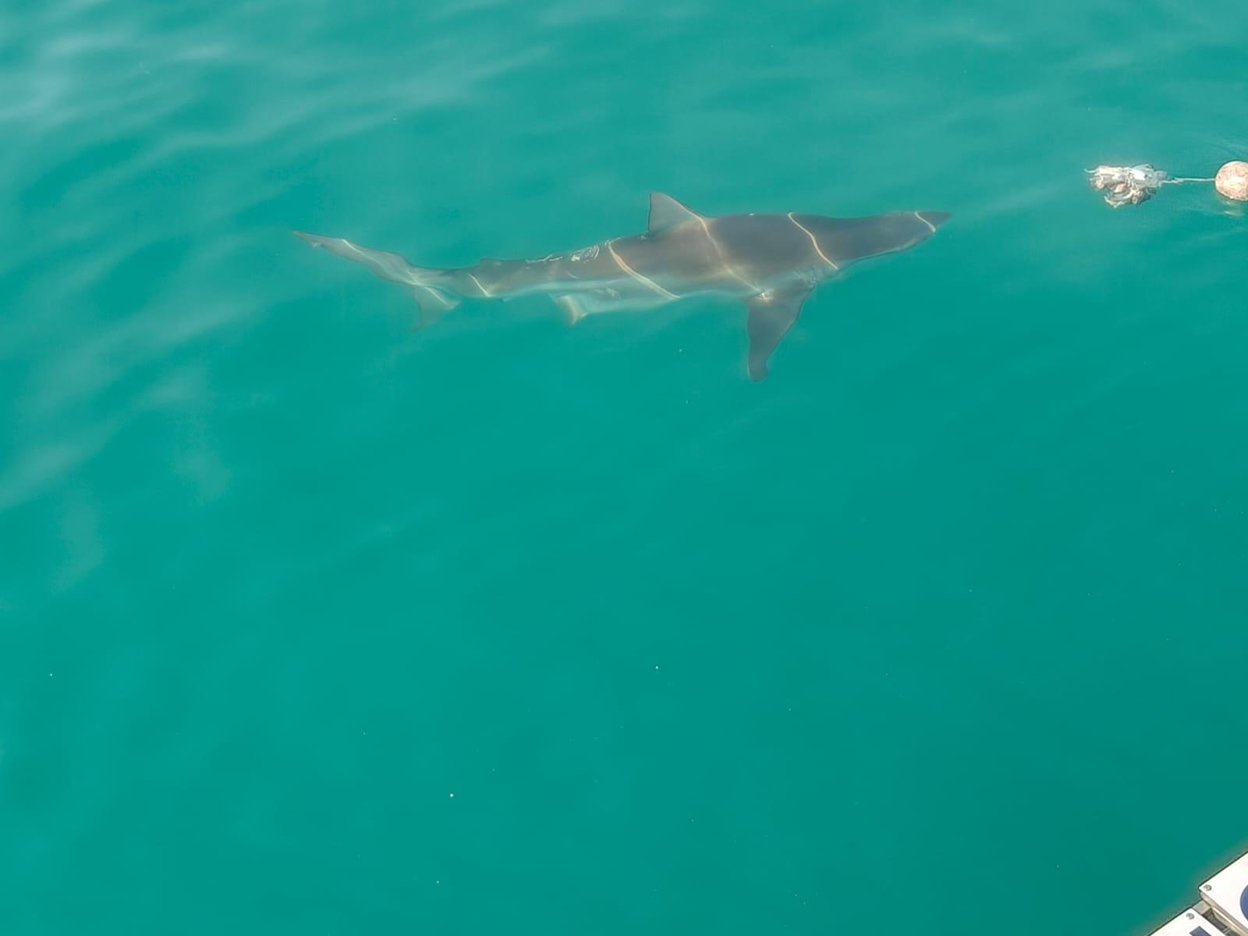
Great whites are hard to spot underwater until they are a few metres away, so the deck has its own value: from above, you can watch how stealthily they appear and vanish around the boat.
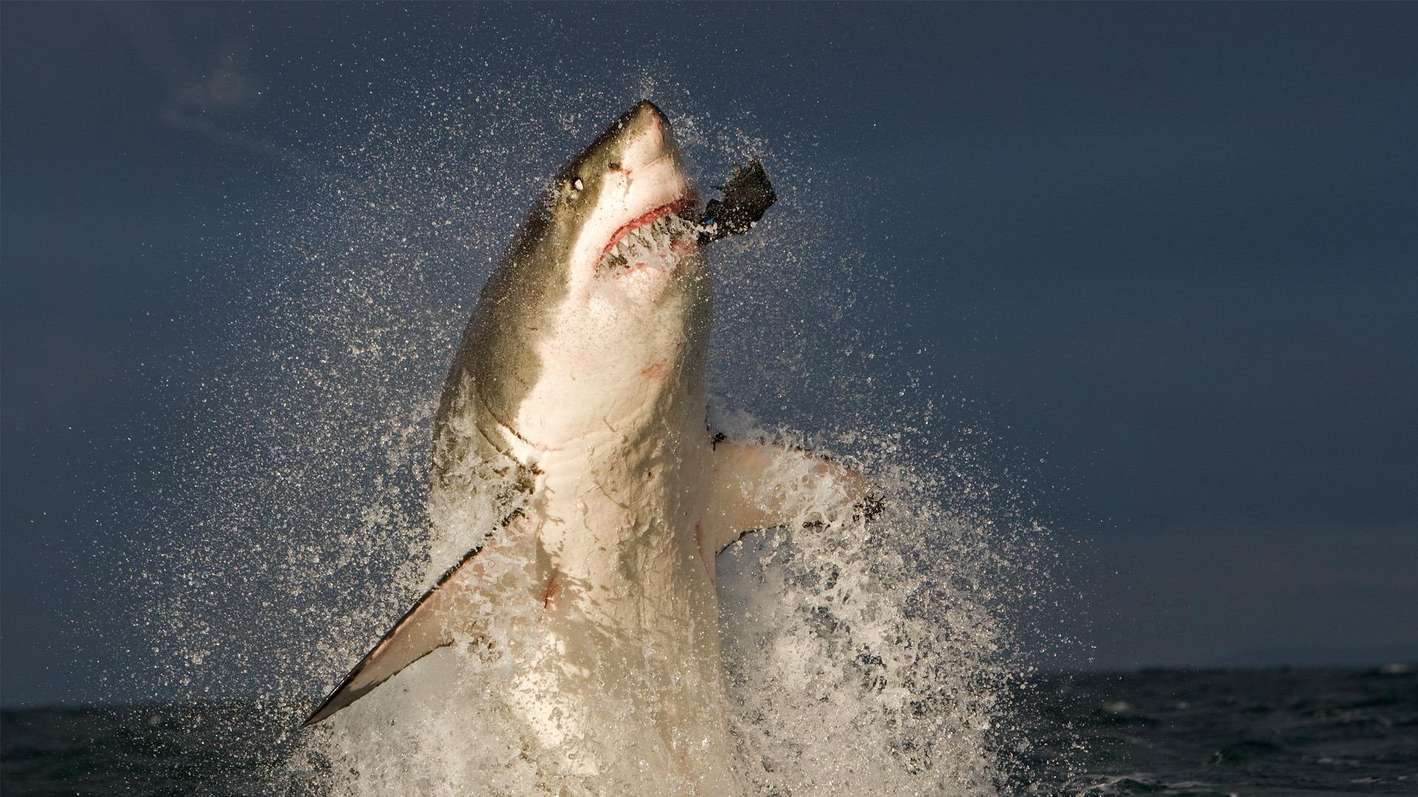
And prepare yourself for the sheer width of the animal. Photos undersell it; a big adult can bleed off the edges of your field of view.
Tour for this
From Cape Town: Great White or Bronze Whaler Shark Cage Dive5.0★ (2) · 6 - 8 hours · Free cancellation
Water of 14 to 16 degrees in winter and up to 21 in summer sounds hostile until you see the gear.
Every operator hands out thick 5 mm or 7 mm full wetsuits with booties, hoods and masks, so your own packing shrinks to a swimsuit worn under your clothes, plus warm layers for the deck: a windbreaker, a fleece, a beanie.
Two things separate a comfortable day from a rough one. Take seasickness tablets the night before and again about an hour before boarding; at the harbour is too late.
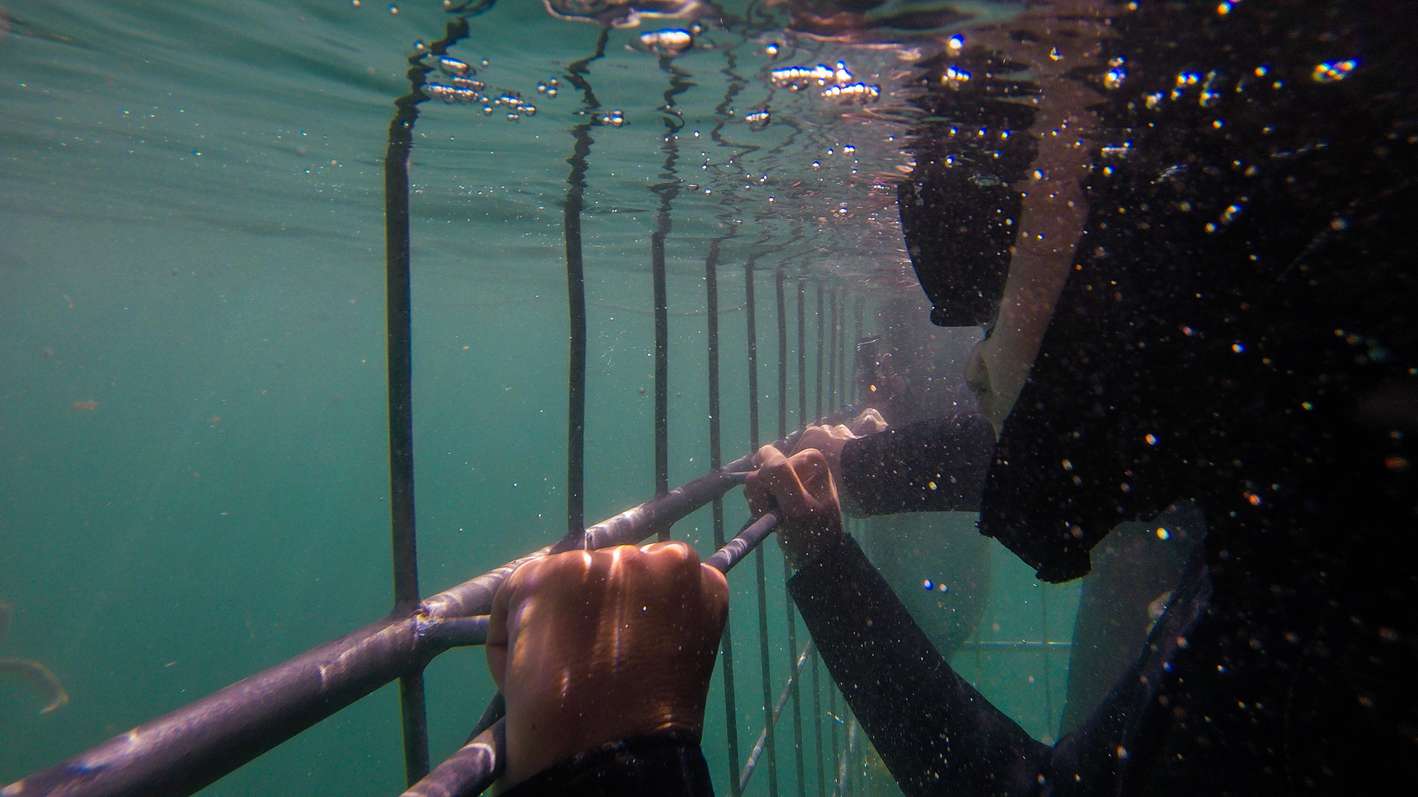
And secure the camera: a buoyant hand grip on a wrist lanyard, or a two-handed dive tray on a metal clip, never plastic. Hands, feet and cameras stay inside the bars at all times, even for a closer shot.
One thing nobody needs to plan around: periods. There is no evidence that menstruation changes how sharks behave around divers.
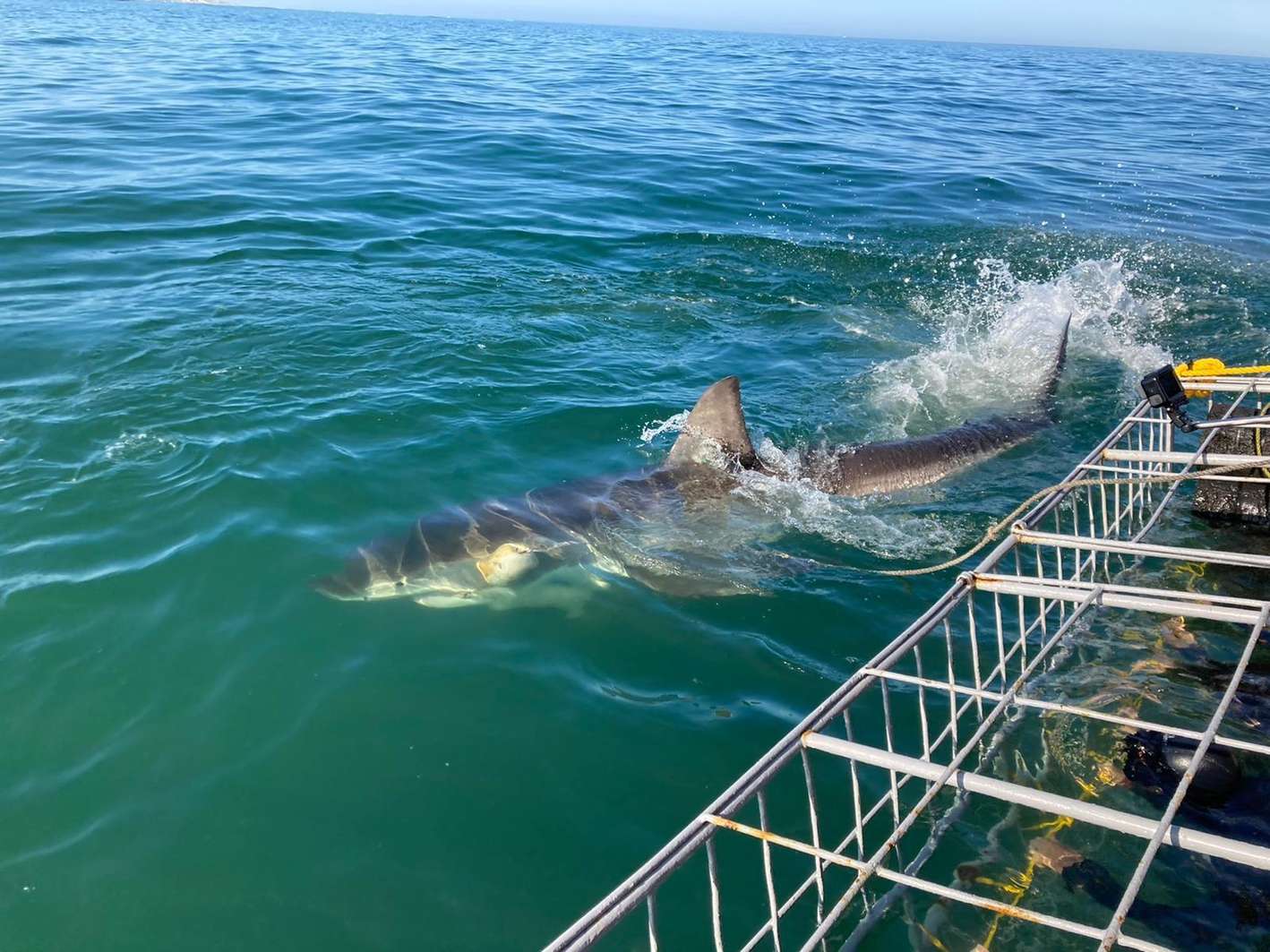
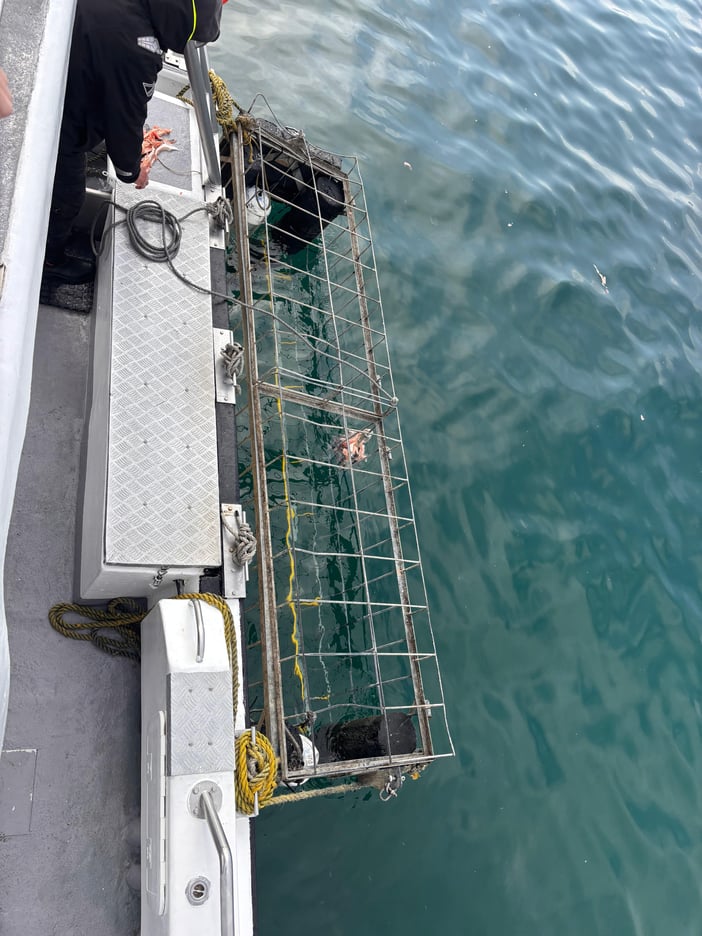
The cage is regulated harder than most people imagine. By South African law, vessels and cages must be certified safe by the maritime authority, cages are engineer-designed, built from steel or aluminium with no sharp edges, and each boat may carry only one.
Surface cage diving is a controlled activity, and the physical risk amounts to moving between the deck and the cage in a swell.
No one has been killed by a shark inside a commercial cage, and sharks do not ram steel to get at the people inside. Where incidents have happened in the industry, boat handling was the cause.
What first-timers never realize
You can leave the cage at any time
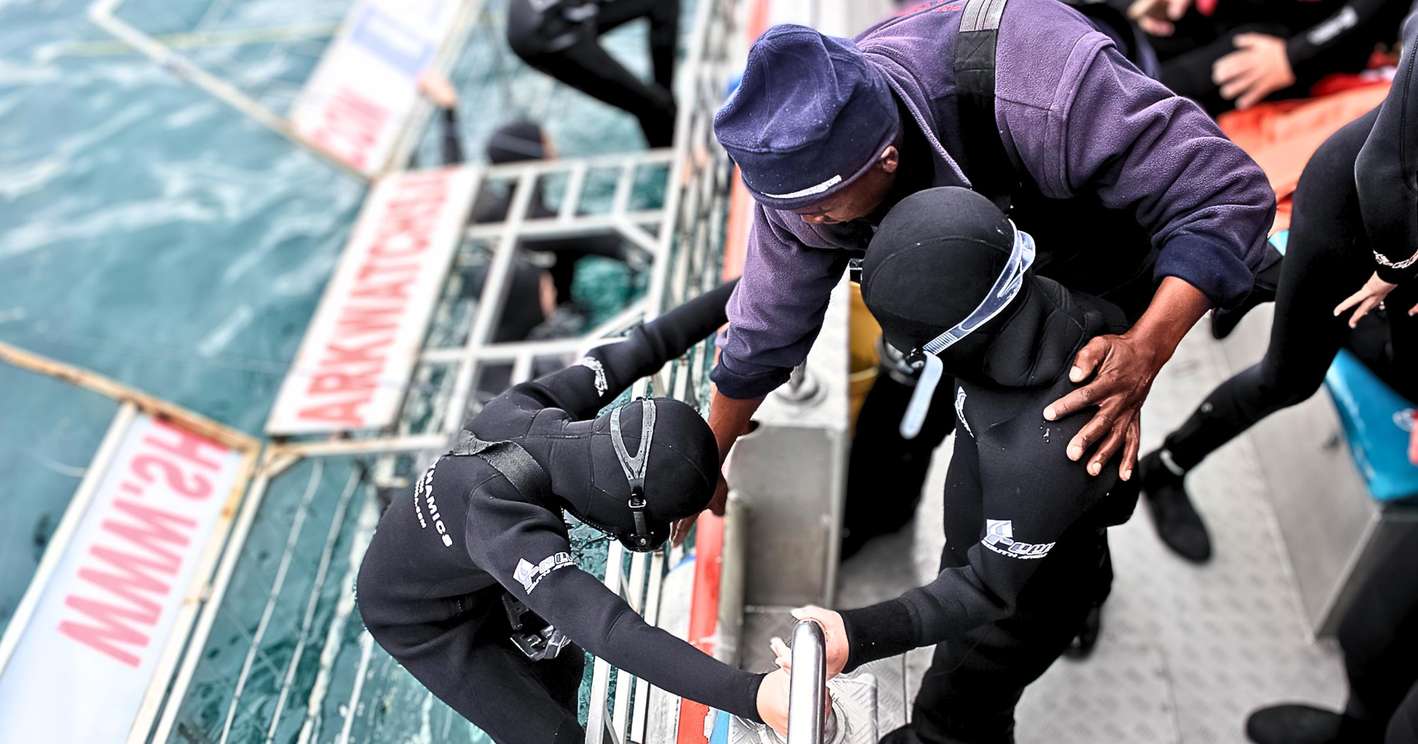
Cold, nerves or a queasy stomach are all good reasons, and the crew helps you up the ladder
One rule matters above the rest
Stay inside the bars, hands and camera included, even for a closer shot
A shark once got its head into a cage
A great white pushed its head into a Gansbaai cage in 2013; the diver was unharmed
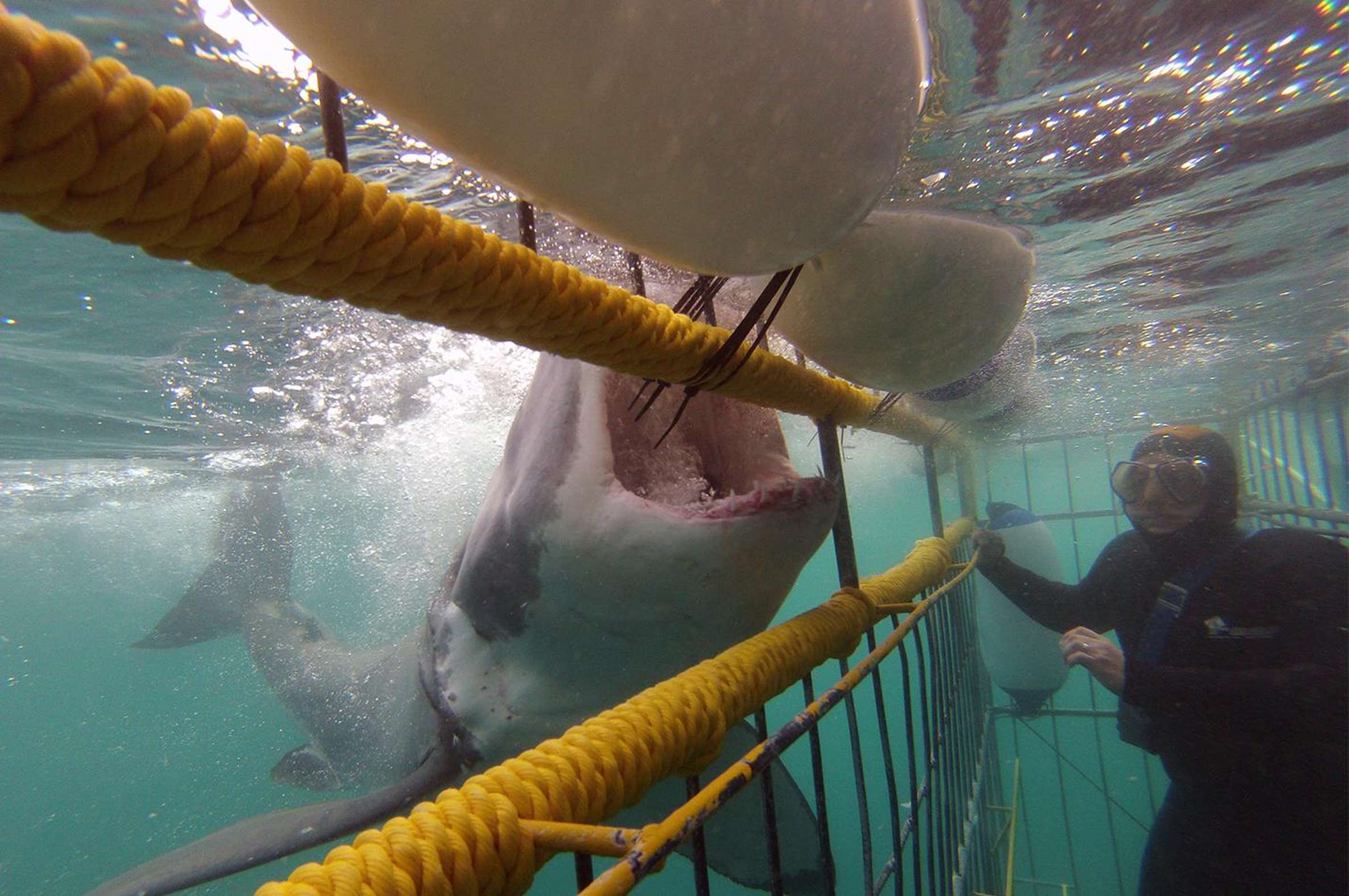
A great white did push its head into a Gansbaai cage in 2013, and the diver came out unharmed. That history explains the bar spacing, the welded handrails and the mesh over the lower half of the cage: each is an engineered answer to a real encounter.
No certification, no course, no logbook: entry into the cage needs none of it. Most South African cages are surface cages where you float at the waterline and hold your breath on cue, and a few supply air from the boat through a hose.
The one physical ask is the ladder: getting yourself up and down it in a swell.
Non-swimmers can join surface cage dives on some boats, though total inexperience plus choppy water is a bad combination, and one of the Cape Town tours is not suitable for non-swimmers.
Children are the other variable, because each operator sets its own limits: one allows only 12 and older into the cage, another takes younger kids on request if a parent comes along. Deck viewing generally starts around age 5 or 6.
If your group spans ages, check the cage rule for your specific tour before booking. It is the one requirement that can reshape the day.
Are great whites fed on these trips, and is it ethical
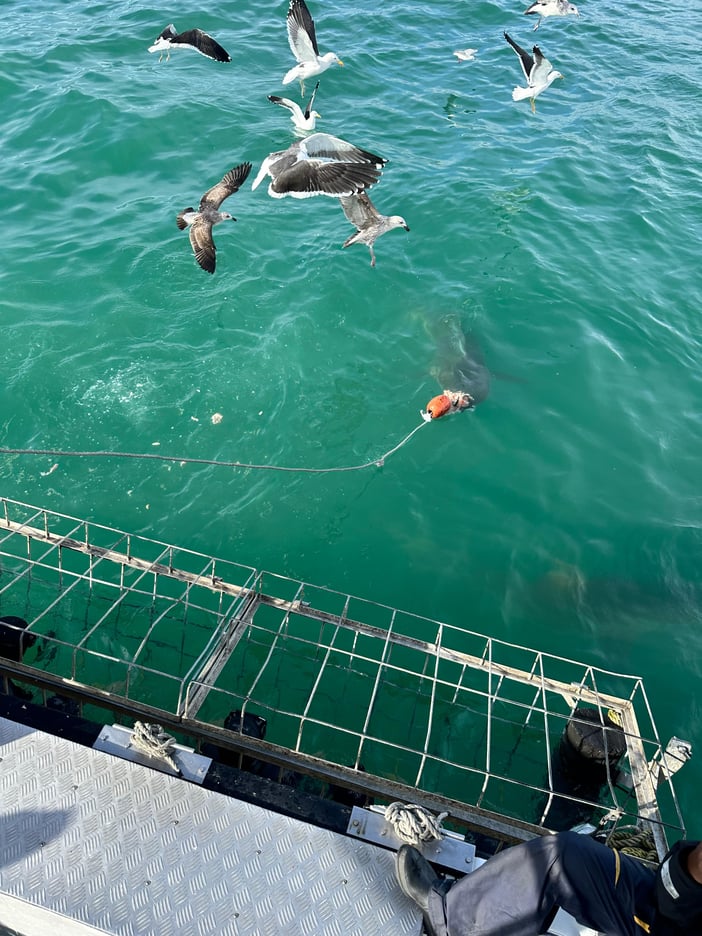
The permit system does the ethical heavy lifting. Great white cage diving permits are capped in number, feeding sharks is illegal, and boats attract them with scent trails of fish oil and offcuts instead, in designated areas only.
Research backs the system: a 14-year study in Gansbaai found that cage diving operators do not alter white shark behaviour or keep them hanging around, and studies find no link between non-feeding cage diving and added risk to ocean users.
The boats also fund the science. Onboard marine biologists record every shark's sex, size and markings into a research database, which is why the briefing teaches you to tell males from females and to recognize individuals by fin scars.
A traveler's note
Everything was well organized, staff friendly and knowledgeable. Felt safe the whole time and seeing sharks up close was incredible. Highly recommend this unique adventure!
When weather or absent great whites change the day
Booking anxiety dissolves once you know the terms. Skippers weigh wind, swell and the harbour entrance and confirm or cancel the afternoon before, so a cancelled trip rarely surprises you on the dock.
When weather cancels a launch, the standard terms are a full refund or a free change of date. Tours themselves allow cancellation up to 24 hours ahead for a full refund.
What happens when the day changes
If this happens
What happens then
Weather cancels the launch
A full refund or a new date, with the skipper deciding the afternoon before
Sudden wind turns the boat back mid-trip
No refund on some tours, since the trip ran; others rebook you free
No sharks appear
Some operators issue a return voucher or a free place on another day's trip
You need to cancel
Up to 24 hours ahead for a full refund
The no-sharks scenario is the one to read closely, and it is worth choosing an operator who hands back a return voucher or a free rebooking.
Two honest footnotes: transport costs can stay payable if the boat cannot launch after you arrive, and a trip cut short mid-voyage by a sudden sea change is refunded by some operators only.
Shark Alley got its name for a reason. The narrow channel between Dyer Island and Geyser Rock holds a dense population of great whites because Geyser Rock carries a large Cape fur seal colony, the sharks' preferred prey. In Mossel Bay, Seal Island keeps 3,000 to 5,000 seals and holds resident juvenile whites all year.
Stretch the trip along the coast and the day turns into an itinerary. Stony Point in Betty's Bay, about 99 minutes from Cape Town on the scenic route, has African penguins viewed from boardwalks.
Hermanus, another hour east, runs cliff-path whale watching from June to November, and the final 53 minutes bring you to Gansbaai, its seabird sanctuary and, 22 minutes on, the Danger Point Lighthouse.
Boats in both bays routinely add the rest of the Marine Big Five: seals, penguins, dolphins and, in winter and spring, southern right whales. A morning cage dive, an afternoon on the Hermanus cliff path and dinner in town makes a full coastal day.
Worth it, if you go for the ocean as well as the shark
Book with clear eyes. Mossel Bay in June to August is where great whites are most likely, Gansbaai is the easy launch from Cape Town with bronze whalers every day, and False Bay trades sighting odds for a 45-minute drive.
Winter gives the clearest water, summer the calmest launches, and cancelled trips end in a refund or a new date. Set your expectation at bronze whalers and let a great white be the reason the story gets told.
Go ifA great white is the whole point: Mossel Bay between June and August gives the best odds in the countryYou are happy to let bronze whalers, seals and dolphins carry a Gansbaai dayYou are driving the Garden Route anyway and can fold the dive into a two-day trip
Skip ifA guaranteed great white on a fixed one-day itinerary matters more than anything elseYou want open-water scuba with tiger sharks and hammerheads; that is Durban and Aliwal Shoal, outside the Western CapeYou cannot spare a buffer day in winter, when swells cancel roughly 18 of 30 departures from Gansbaai
Our pick to book
From Cape Town: Gans Bay Great White Shark Cage Diving5.0★ (3) · 4 hours · Hotel pickup · Free cancellation
Short answers to what readers ask most before booking a great white cage dive in South Africa.
Gans Bay2026
Bronze whalers circled the cage all morning, five at a time, and a seal popped up to watch. Pack a warm jacket for the deck.
Where can you see great white sharks on a cage dive right now?
Mossel Bay currently reports the most consistent great white sightings in South Africa. In False Bay and Gansbaai, the historic hotspots, great whites now appear only occasionally, with gaps of a year or more between encounters.
Will a great white shark cage diving tour guarantee a great white?
No operator guarantees a great white sighting, because these are wild animals moving with the seasons. In 2025, Gansbaai operators recorded their first full year without a single sighting in over 30 years of running trips.
What will I see in the cage if no great white shows up?
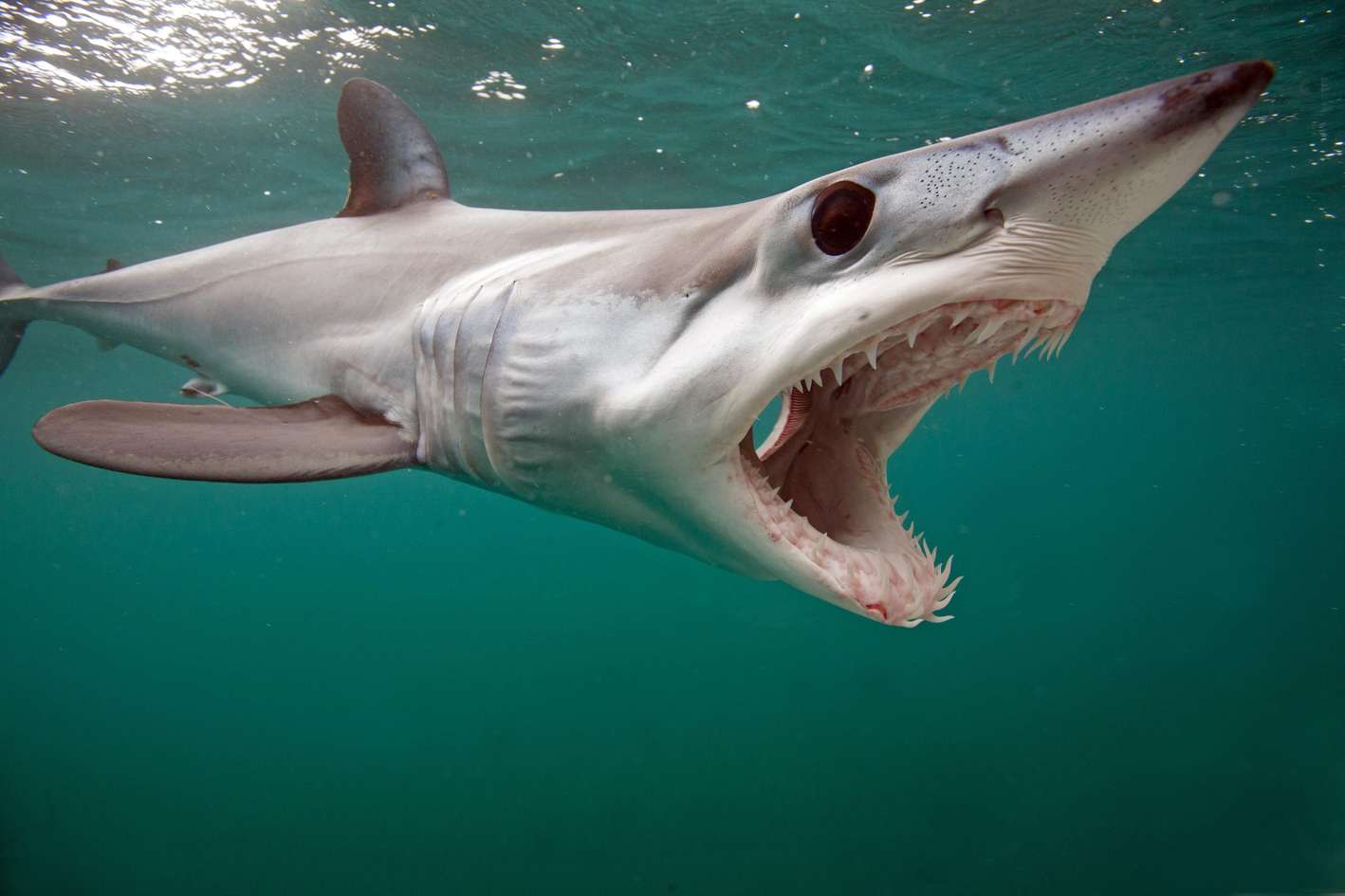
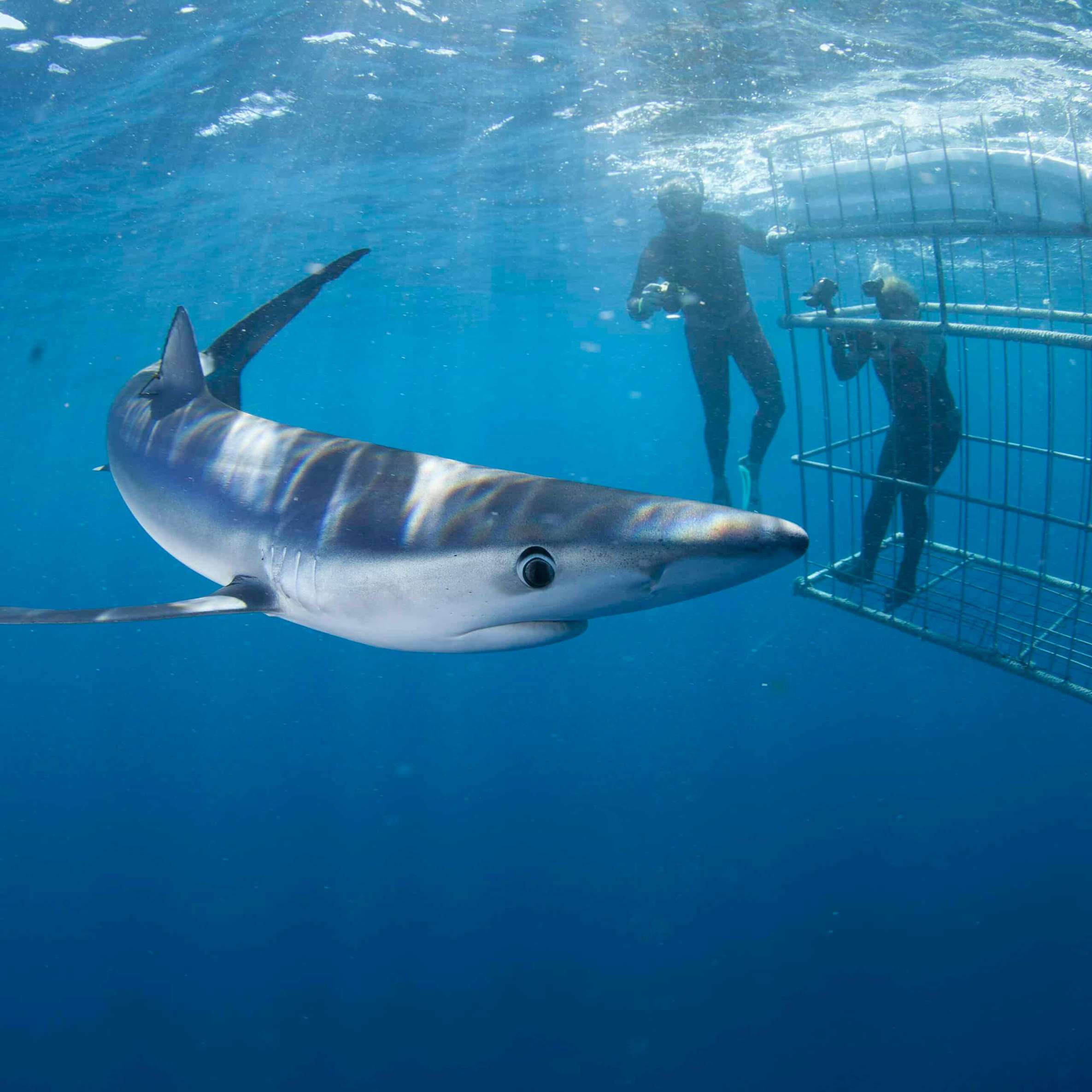
Bronze whaler sharks, also called copper sharks, are the main species seen on most trips now, and they often arrive in groups. Sevengill sharks, seals, stingrays, and dolphins round out the day on the water.
How big is a great white compared to the bronze whalers?
Bronze whalers usually run 2.5 to 3.3 meters, with the largest reaching about 4 meters. A mature great white is larger and typically shows up alone, and when one enters the area the bronze whalers often keep their distance.
Why did great white sightings drop around Cape Town and Gansbaai?
Orcas have preyed on white sharks near the coast, and the sharks left areas like False Bay and Gansbaai for eastern waters. Fewer prey fish, bycatch, and bather-protection nets have also reduced the population.
Do I need scuba certification or diving experience for a shark cage?
No. South African cage diving happens at the surface, so you hold your breath on cue or use a snorkel, and no certification or prior diving experience is required.
How safe is shark cage diving in South Africa?
Commercial operators have a perfect human safety record against shark attacks. Every vessel and cage must be certified safe by SAMSA, cages are built from steel or aluminium by a registered engineer, and each boat carries only one cage.
Is great white cage diving ethical?
The tours run under capped permits and strict rules: feeding sharks is banned, and boats draw them in with scent trails and a tethered bait line kept away from the cage. Research has found little lasting effect on the sharks' diet, movements, or migration.
What happens if no sharks appear on my dive?
Some operators cover this with a return voucher or a free spot on another trip. On one Gansbaai tour, guests get a non-transferable voucher tied to their name when the trip sees no shark activity, so ask how your operator handles it before you book.
Is a great white cage dive still worth booking in Gansbaai?
If a guaranteed great white is the whole point, Mossel Bay gives you better odds.
If you want a full day at sea with bronze whalers, sevengills, seals, and a marine biologist on board, the Gansbaai trips from Cape Town still deliver, and tours with surface viewing let you watch from the deck instead of the cage.
Guides to every launch site where the great whites gather