4 hours·English
5.0(3)
From Cape Town: Gans Bay Great White Shark Cage Diving
Free cancellationHotel pickup includedSafety briefing and equipment

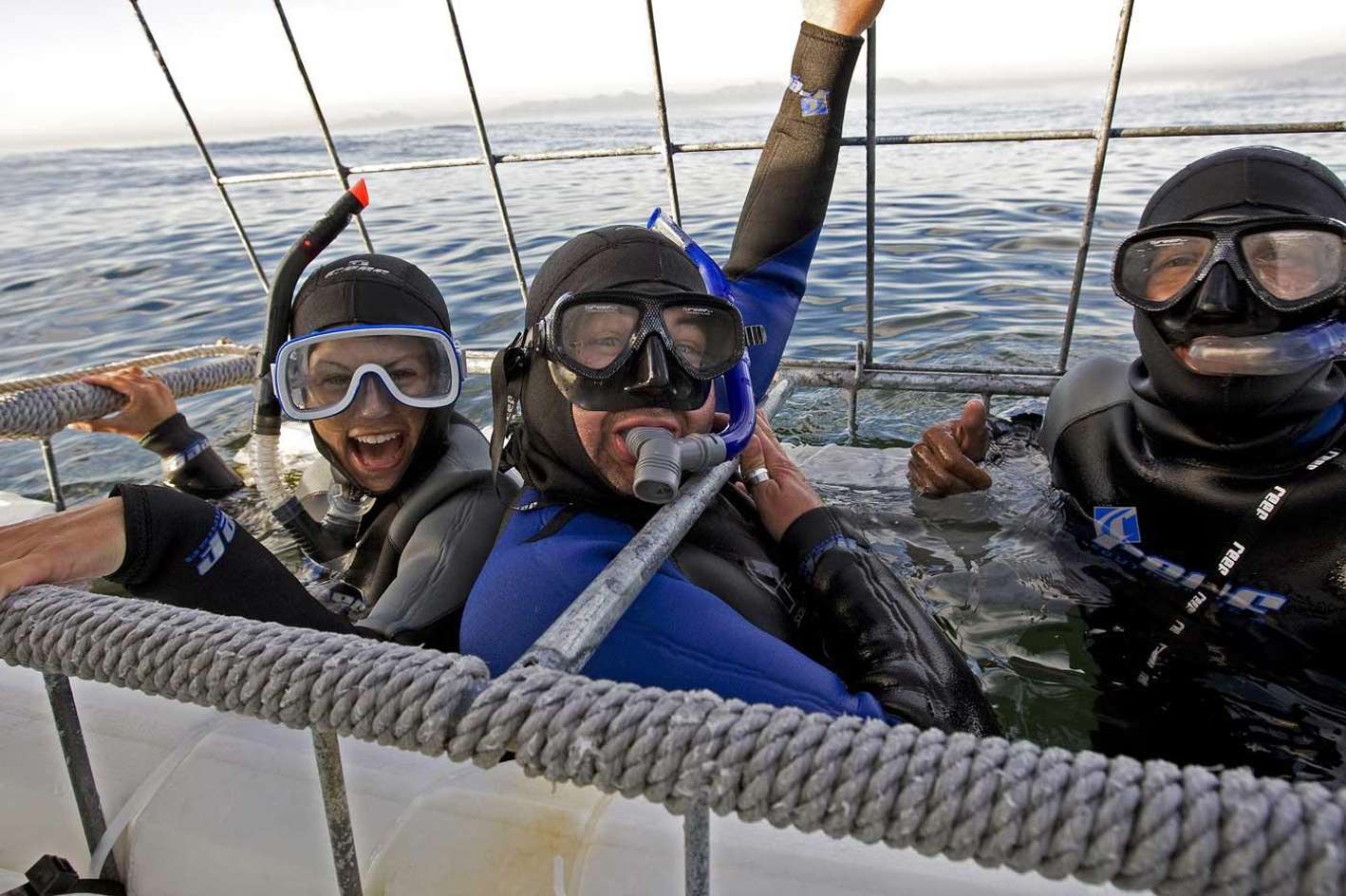
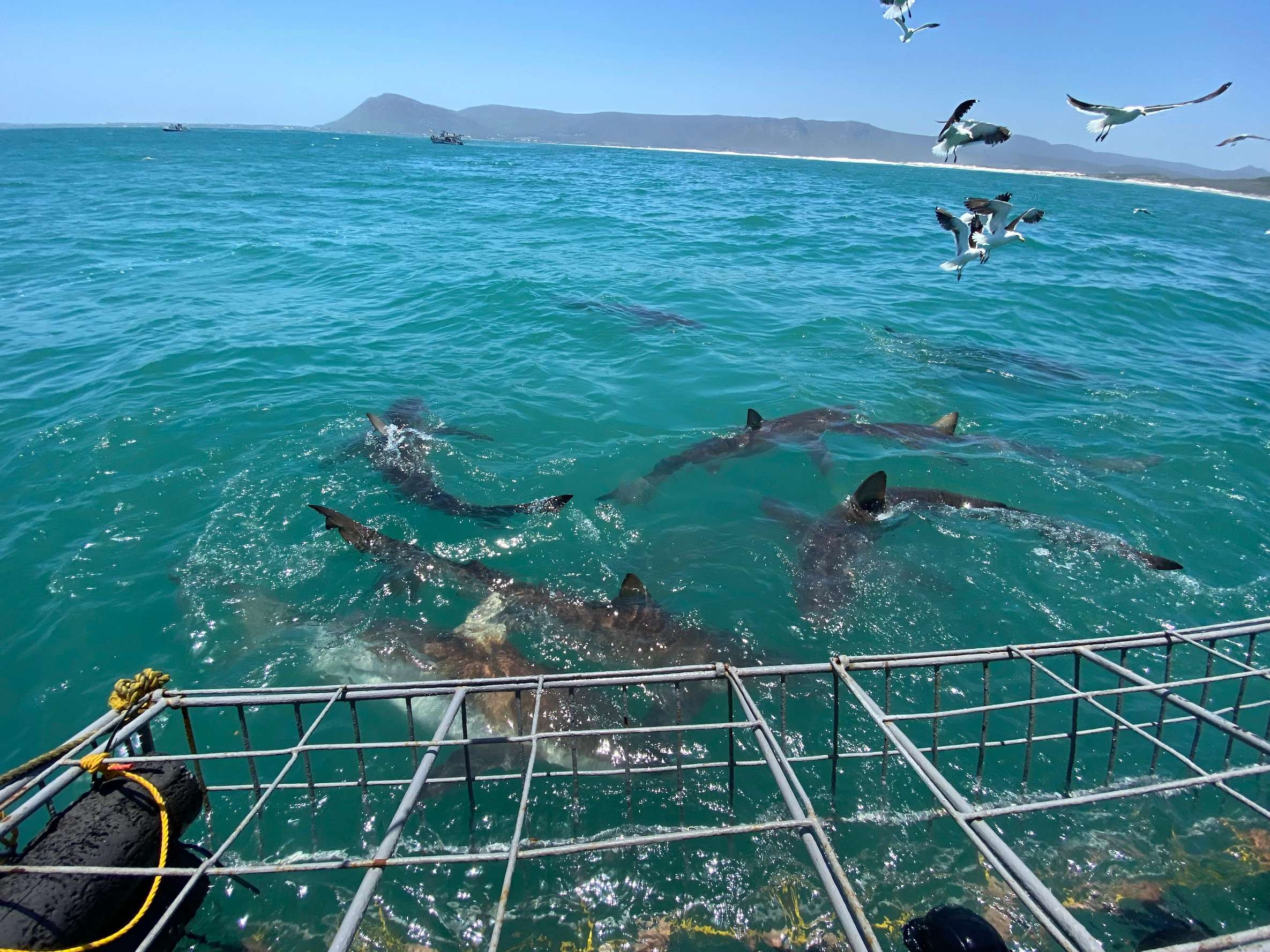
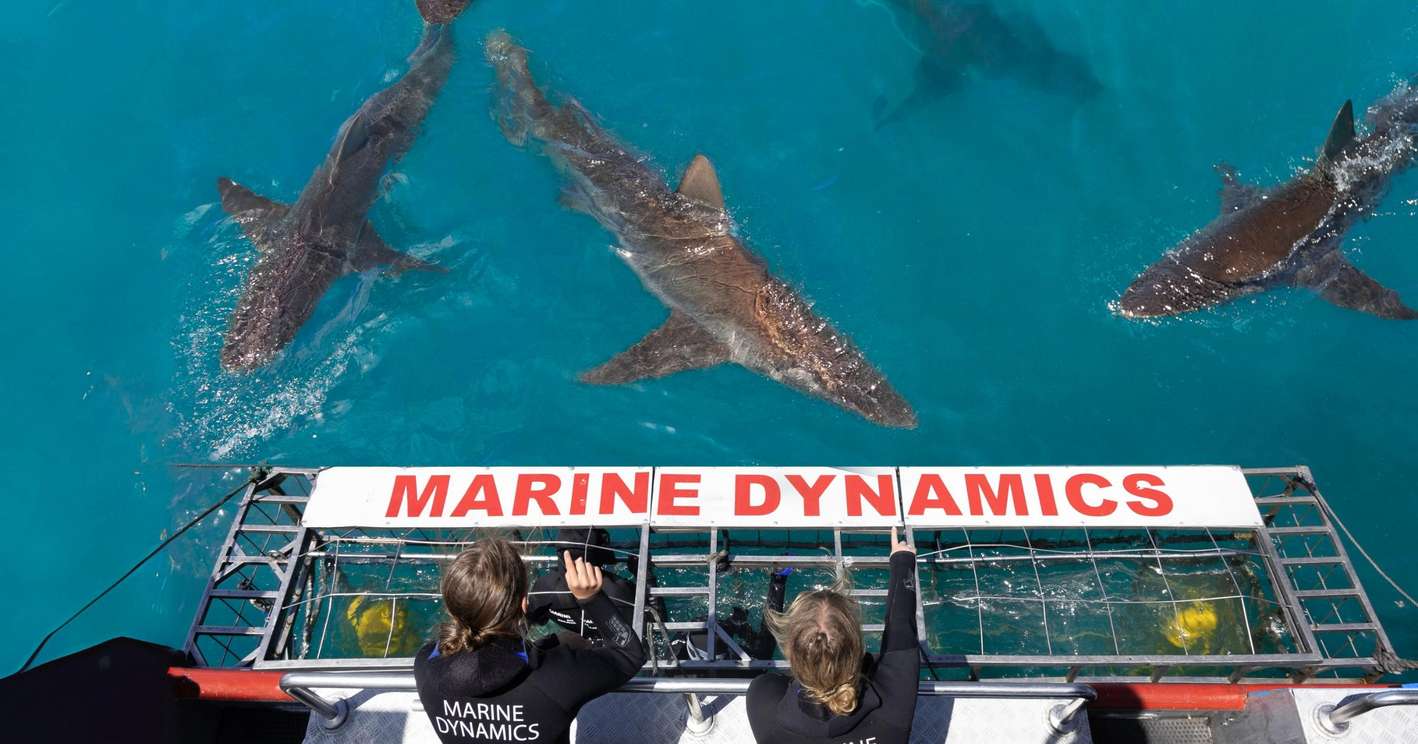
Book your shark cage dive with no scuba certification needed. Over 900 divers held their breath at the surface off Gansbaai, suited up in a 7 mm wetsuit the crew supplied, and watched bronze whalers glide past the bars. Check the age limits, pack a swimsuit and warm layers, and lock in your cage.
"Amazing time seeing white sharks and a playful seal! Friendly crew provided all the equipment, and afterwards a warm shower and soup. Even our driver got us back to Cape Town :)"




seasickness pills: the night before
No scuba licence, no swimming test, no diving logbook: South African cage diving turns out to have fewer barriers than almost any sea activity. Age, comfort in the water and a packed bag are all that stand between you and a cage.
No scuba certification or dive experience is needed anywhere in South Africa; the cages run on breath-hold or a simple snorkel or hookah line.
Cage entry typically sits between 8 and 12 years old by operator, while deck viewing takes children of any age on most boats.
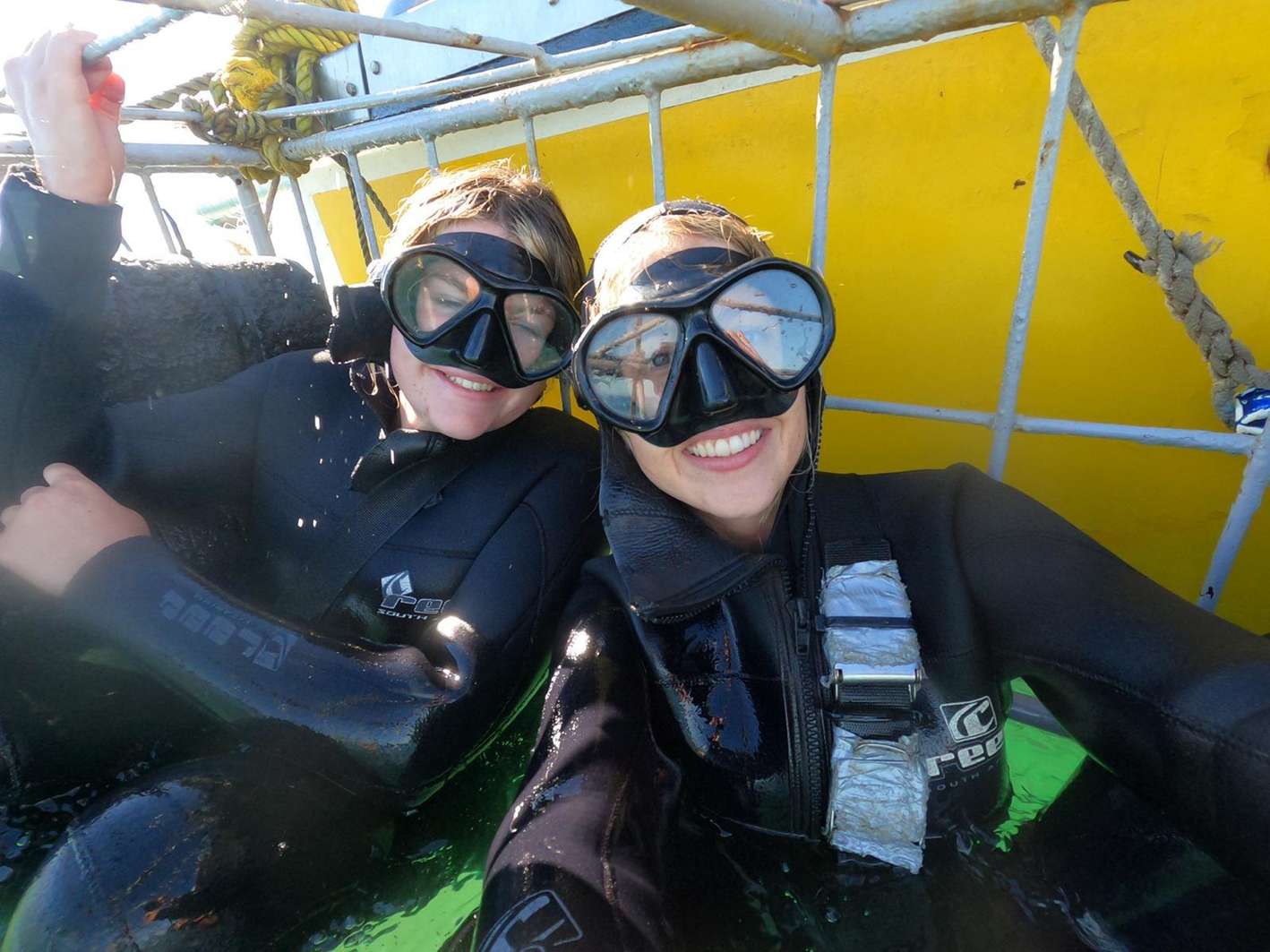
Every operator supplies a 5 mm or 7 mm wetsuit with hood, booties and mask, so the only clothing decision is the swimsuit worn under your clothes.
Take seasickness pills the night before and again at dawn; once nausea starts, nothing absorbs.
No operator can guarantee a great white, and Atlantic swell and wind are what cancel trips, with a full refund or free reschedule when they do.
Check the child policy on your chosen tour before booking, since age limits differ by operator and no legal minimum applies. If a child falls below the cage limit, deck viewing is usually allowed, and some operators welcome younger divers on request with a parent.
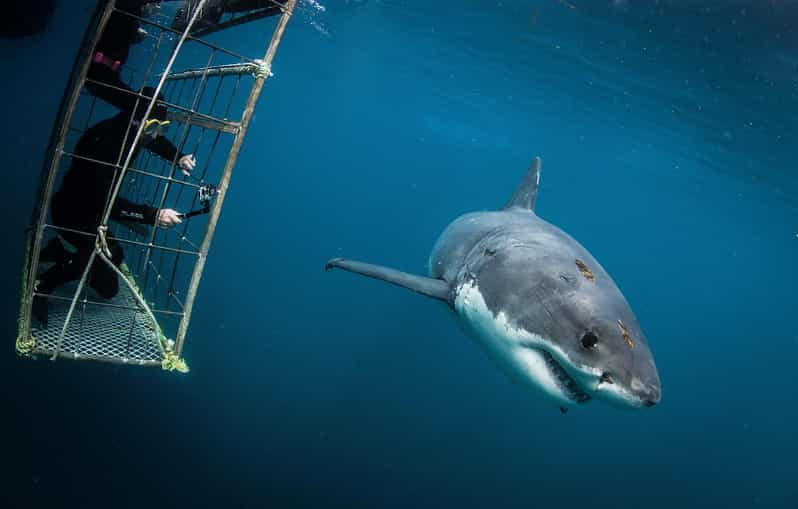
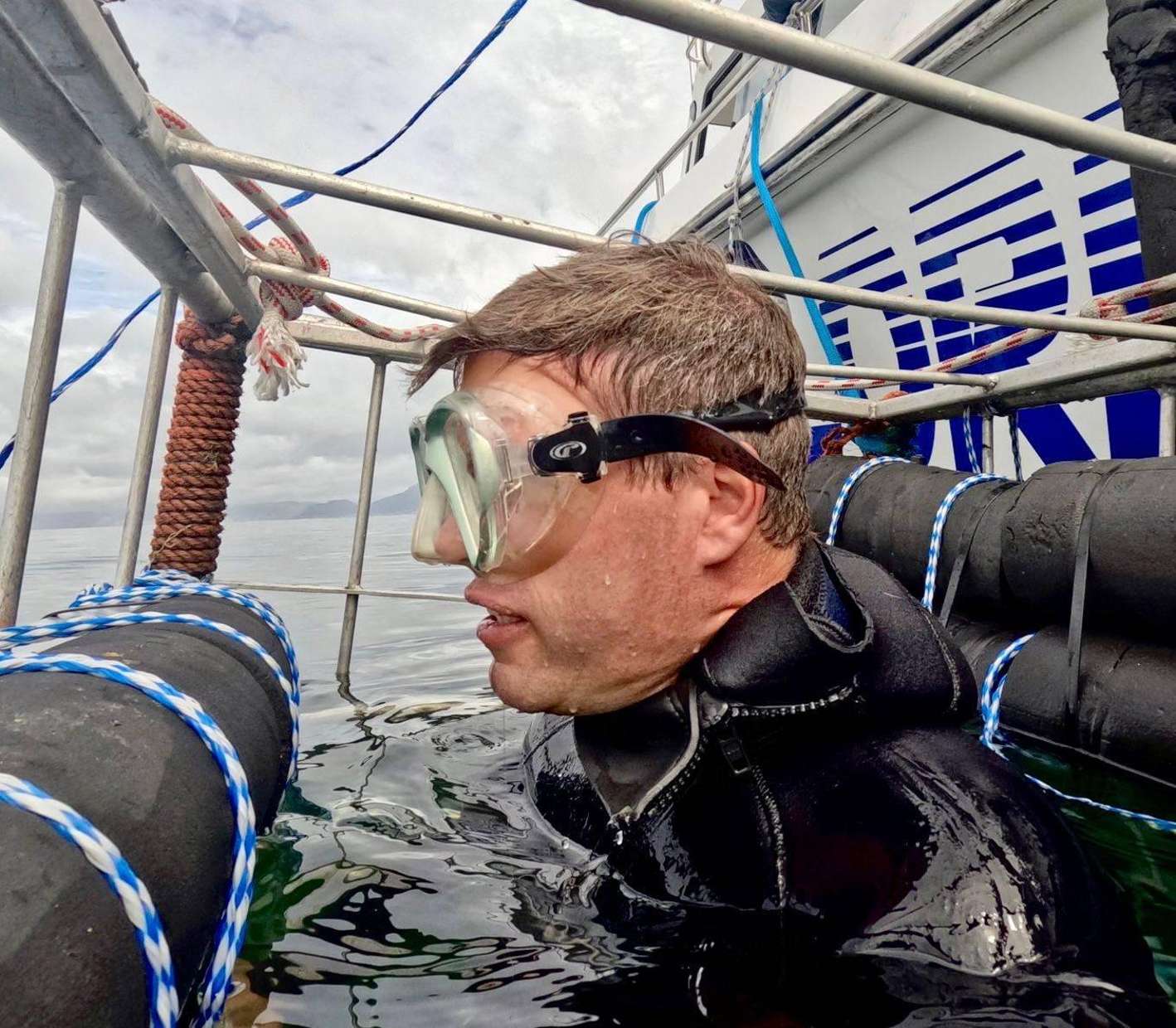
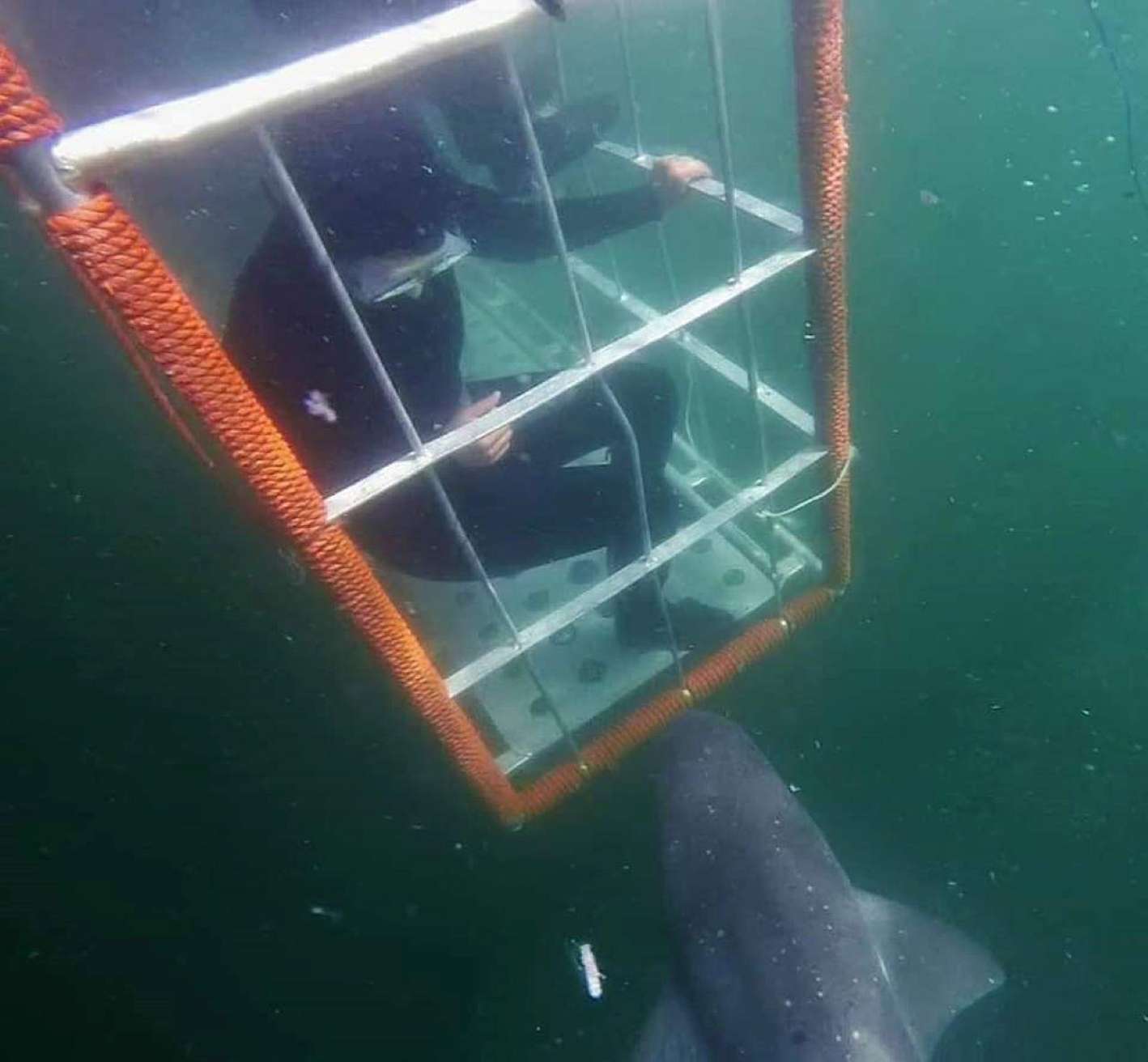
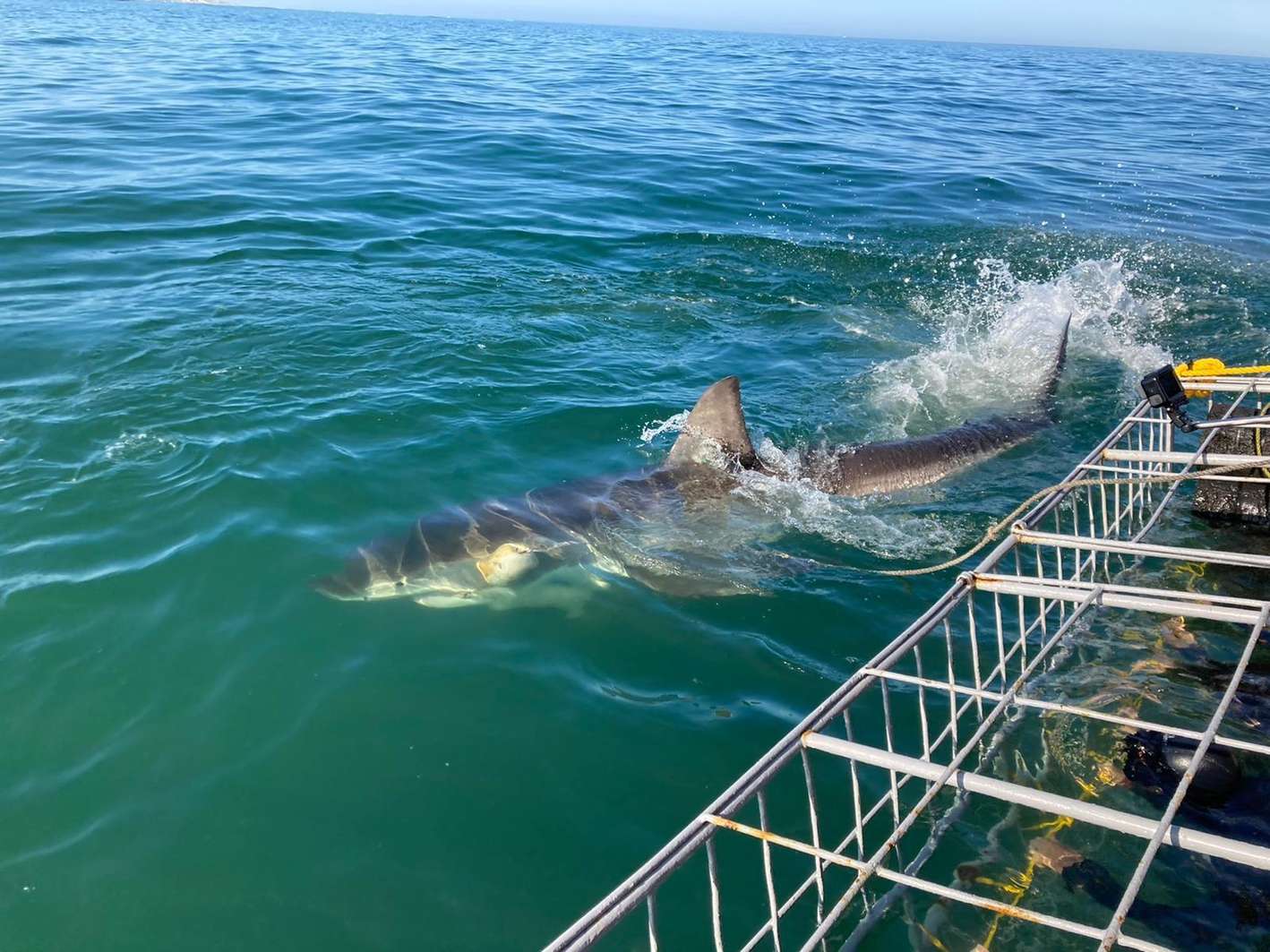
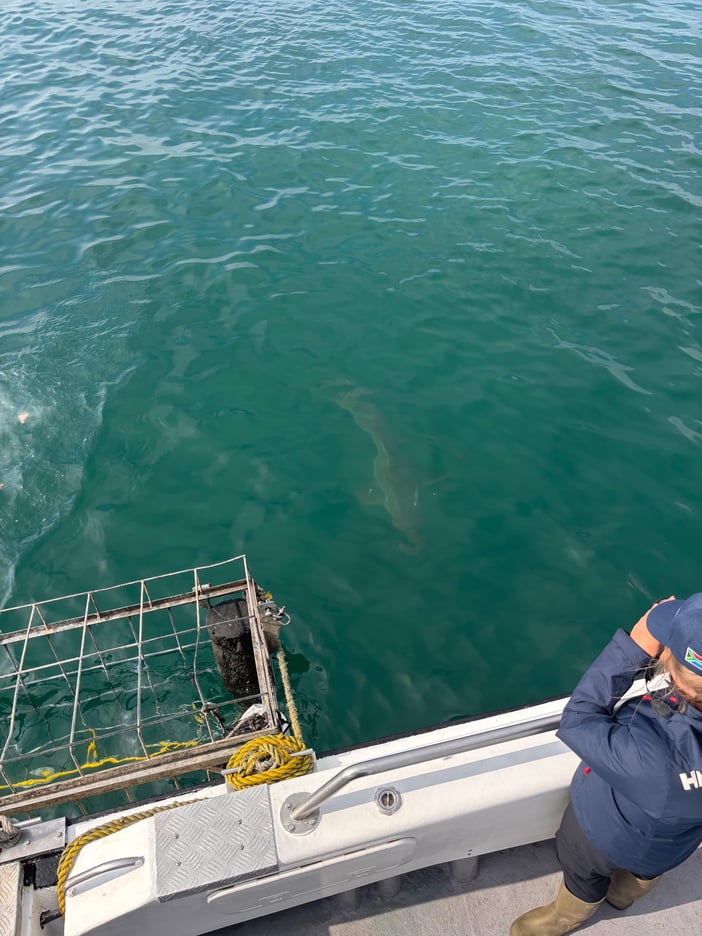
The cage hangs at the surface, half in and half out of the water, and that single fact settles the biggest worry most people carry.
South African cage diving runs on breath-hold: you duck under when the guide calls a shark, then lift your head and breathe. Some boats add a basic snorkel or a hookah line fed from a compressor on deck.
No scuba certification is asked for anywhere in the country, and dive experience counts for nothing either. The surface cage was built for exactly this: first-timers who want the view without the course.
Surface cages run on breath-hold or a snorkel; no licence, no logbook, no course
The operator supplies mask, wetsuit, hood, booties and weight belt
Most guests on a typical boat have never dived before
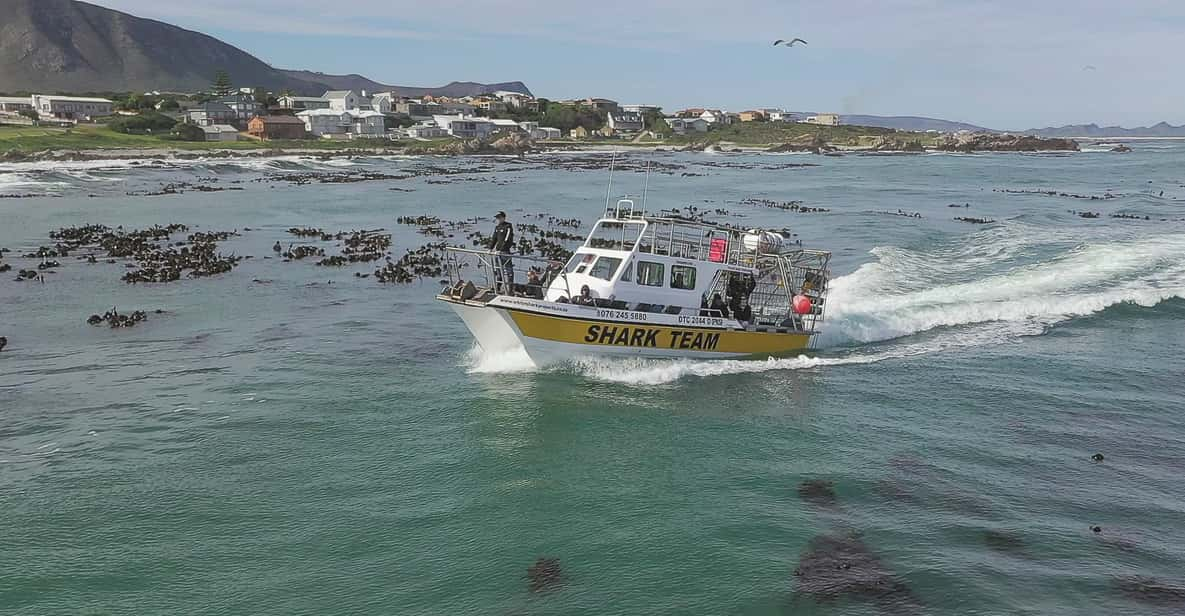
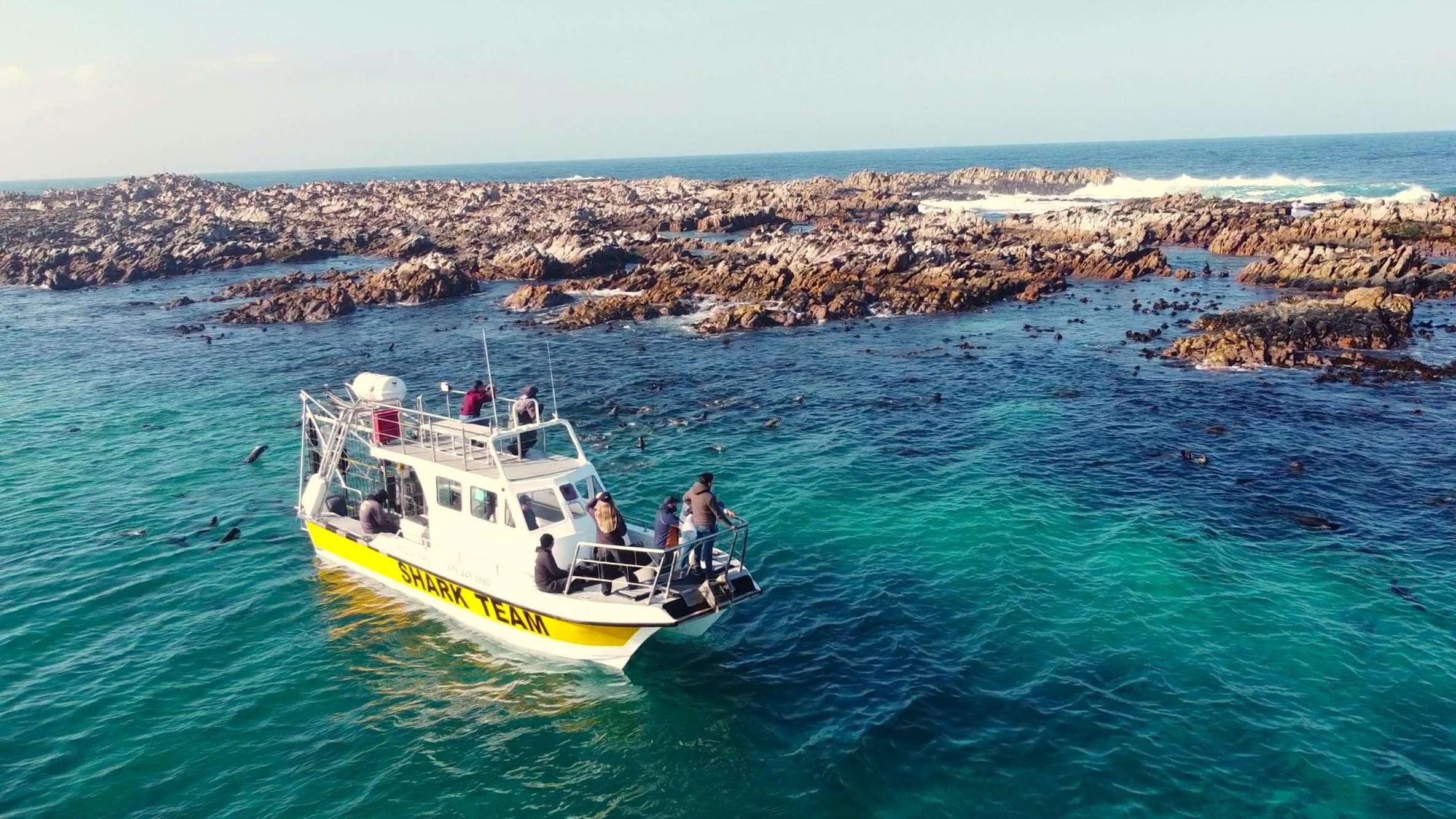
For proof it works, take the Cape Town: Award-Winning Shark Cage Diving in Simon's Town, a four-hour False Bay trip that starts 45 minutes from the city and states plainly that no experience is needed. Most boats run exactly the same way.
South African law sets no minimum age for cage diving or for riding the boat. Each operator sets its own rule, and the rules differ enough to check before you book.
The pattern runs like this: cage entry typically sits between 8 and 12 years old. One Gansbaai operator admits only children of 12 and up and keeps the under-12s on deck, while another suggests 10 but takes younger kids on request when a parent comes along.
Deck viewing is easier: most boats welcome all ages, though a few draw the line at 5 or 6 because a trip means several hours at sea, and one boat sets a 1.0 m height minimum to board.
So a family with a 9-year-old should plan on a deck day for the child and treat a cage turn as a bonus to confirm at booking. The crew treats deck watchers well; the sharks pass the boat just as close from above.
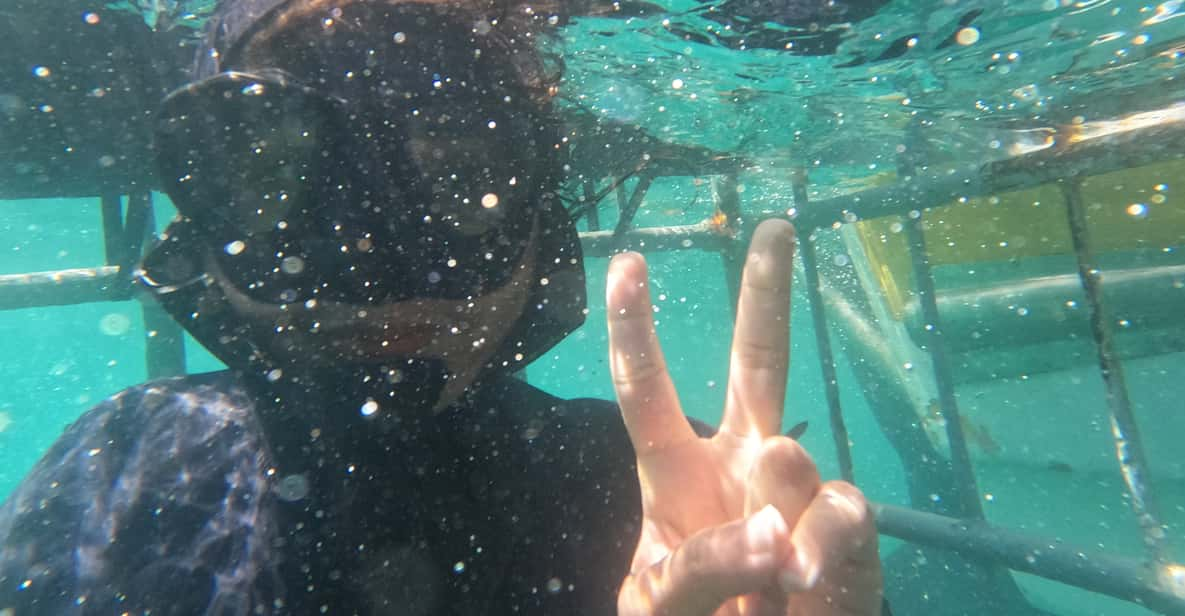
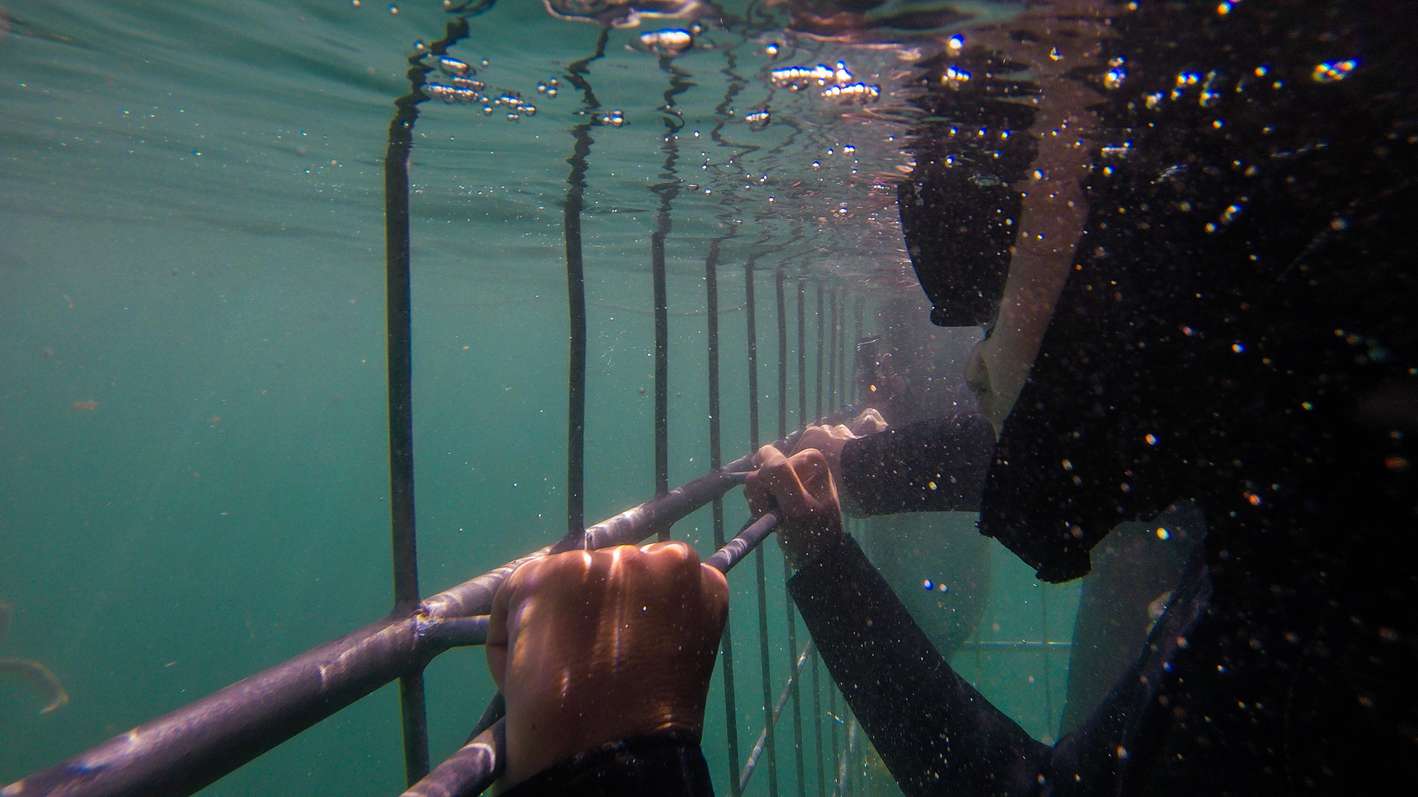
The physical test is smaller than people fear. Inside the cage you hold the inner rails, and the floor sits close enough to stand or kneel on. Nobody swims anywhere; the cage stays tethered to the boat and you stay in one spot.
The limit that matters is comfort in choppy water. If the swell would make you panic, the water pulling at you can turn a calm duck-under into a scramble, so someone truly unhappy in the sea should watch from the deck instead.
The one hard requirement is the ladder: you need to get yourself up and down it in a swell. Beyond that, there is no fitness test.
You hold the rails and stay put, so strength and stamina count for nothing
Cold, nerves or fatigue are reason enough, and the crew pulls you up without fuss
Tell the crew at the start and they talk you through each duck under the surface
Plenty of guests watch their whole trip from the deck and see the sharks just as clearly as the divers do. The cage is there when you want it, and the deck delivers when you don't.
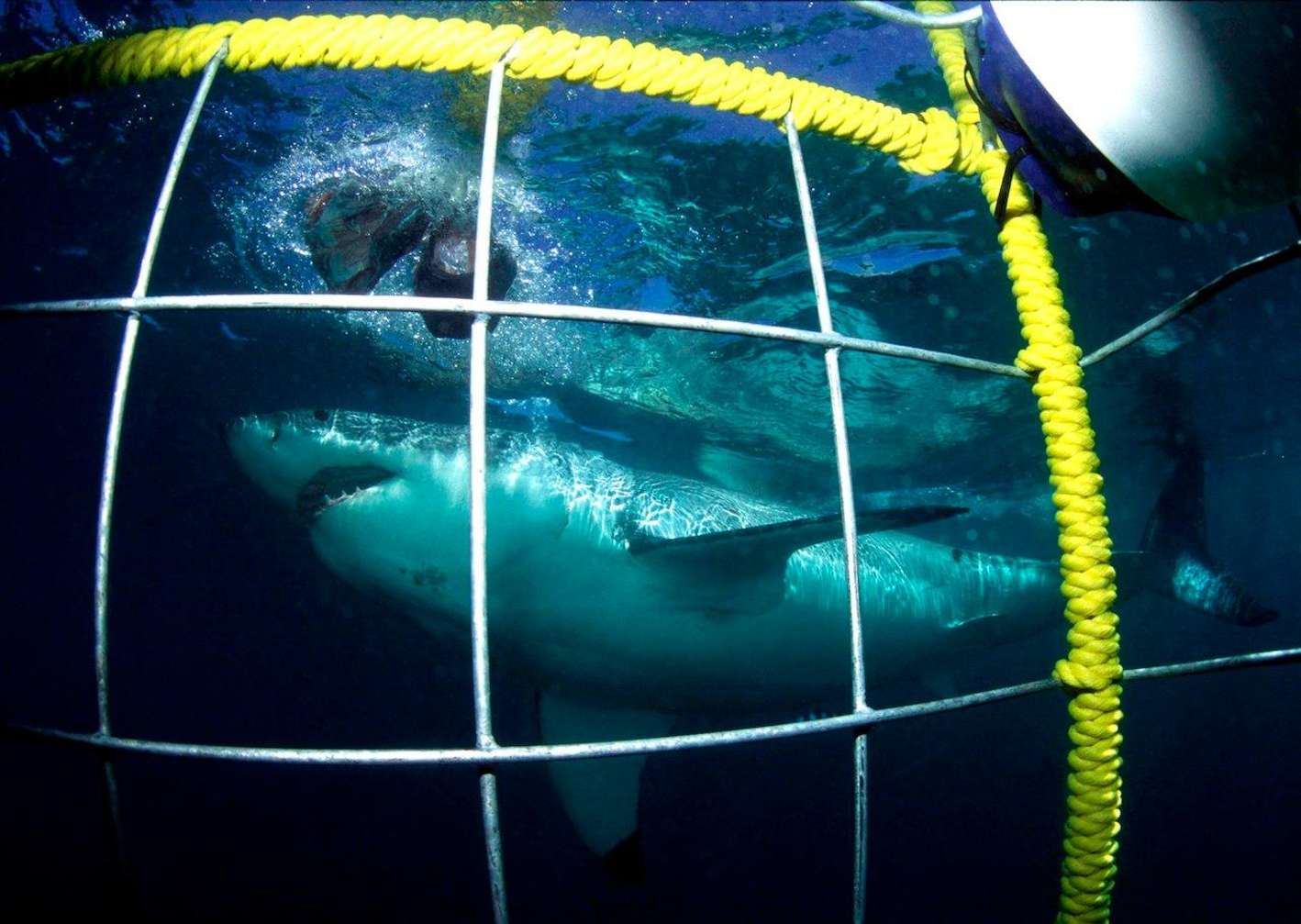
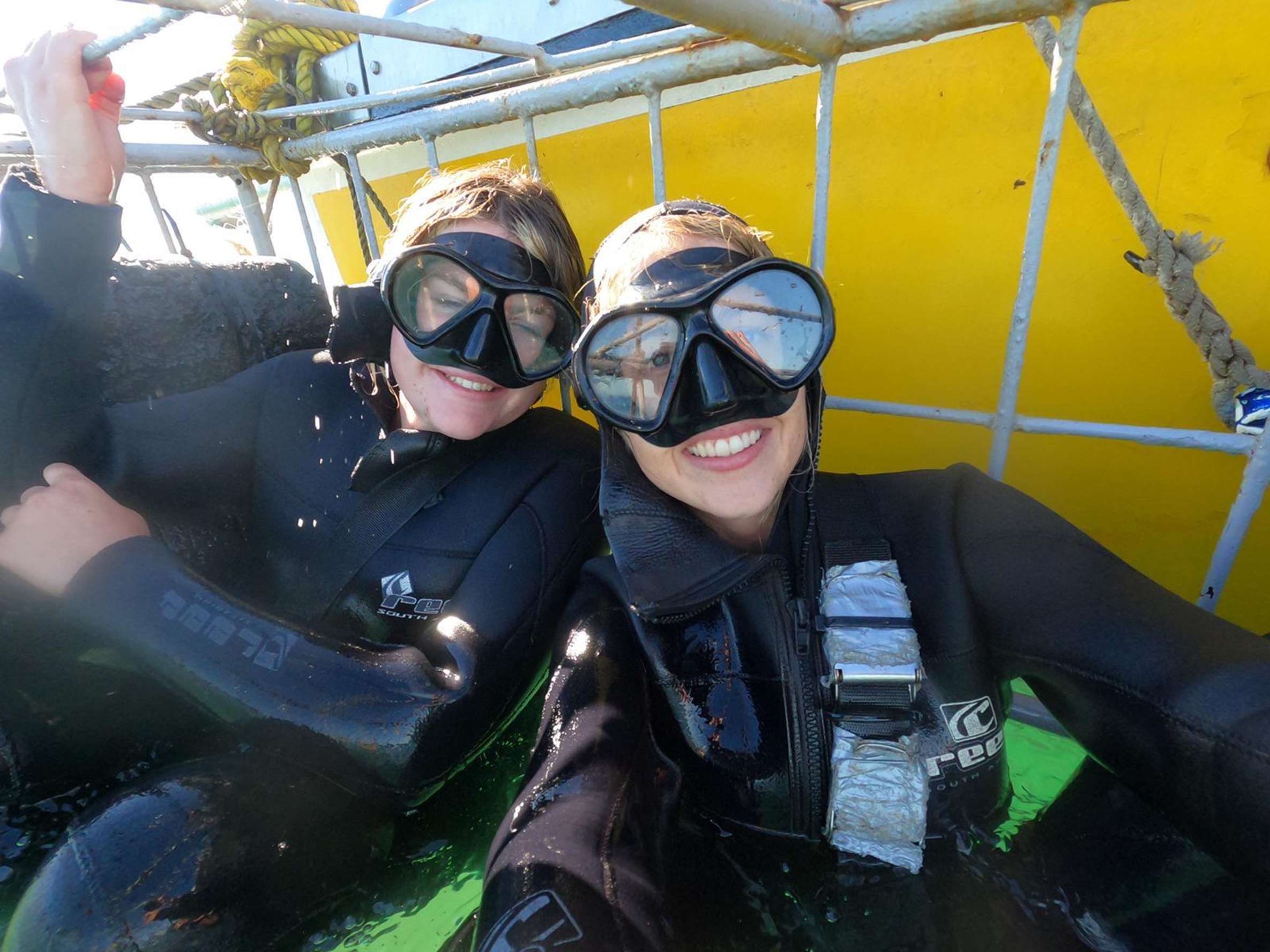
Water off the Western Cape runs 14°C to 17°C in False Bay through winter and warms to 18°C to 21°C in peak summer, so a June dip feels close to freezing and even a summer cage means cold water on skin.
Nobody gutted it out in trunks, and nobody needs to: every operator hands out 5 mm or 7 mm wetsuits, with hoods, booties, masks and weight belts, sized for all comers.
Charters in False Bay keep 7 mm suits on the shelf for the coldest months, and the 20 to 30 minutes you spend in the cage pass warm inside that much neoprene. Scuba tanks never appear, because exhaust bubbles scare the sharks off.
Across the seasons the water shifts: winter brings the coldest swims, summer the mildest, and Gansbaai typically runs a degree or two milder than False Bay. What never changes is the suit thickness. The operator handles it either way, and you carry nothing but a swimsuit and dry clothes for the deck.
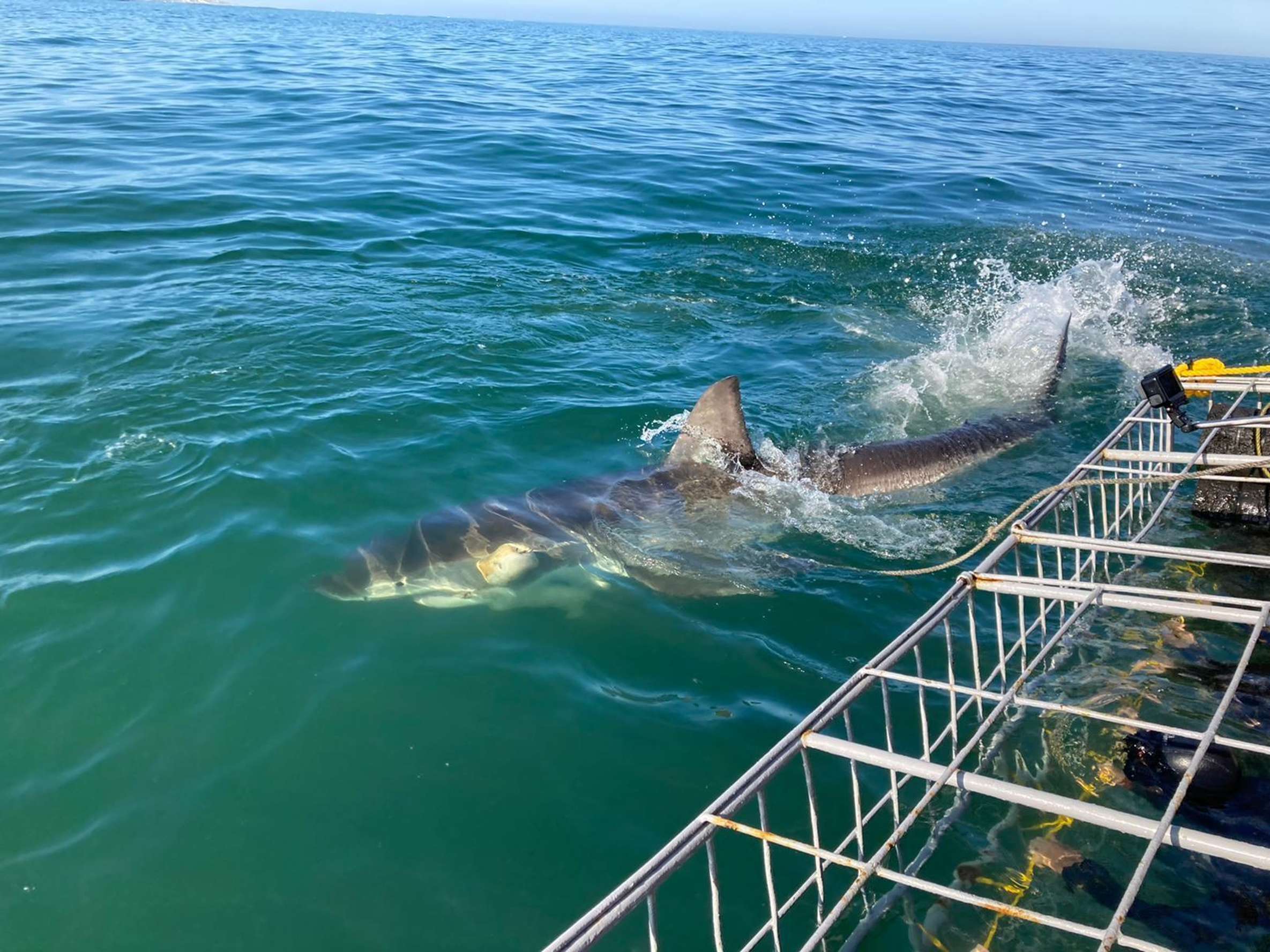
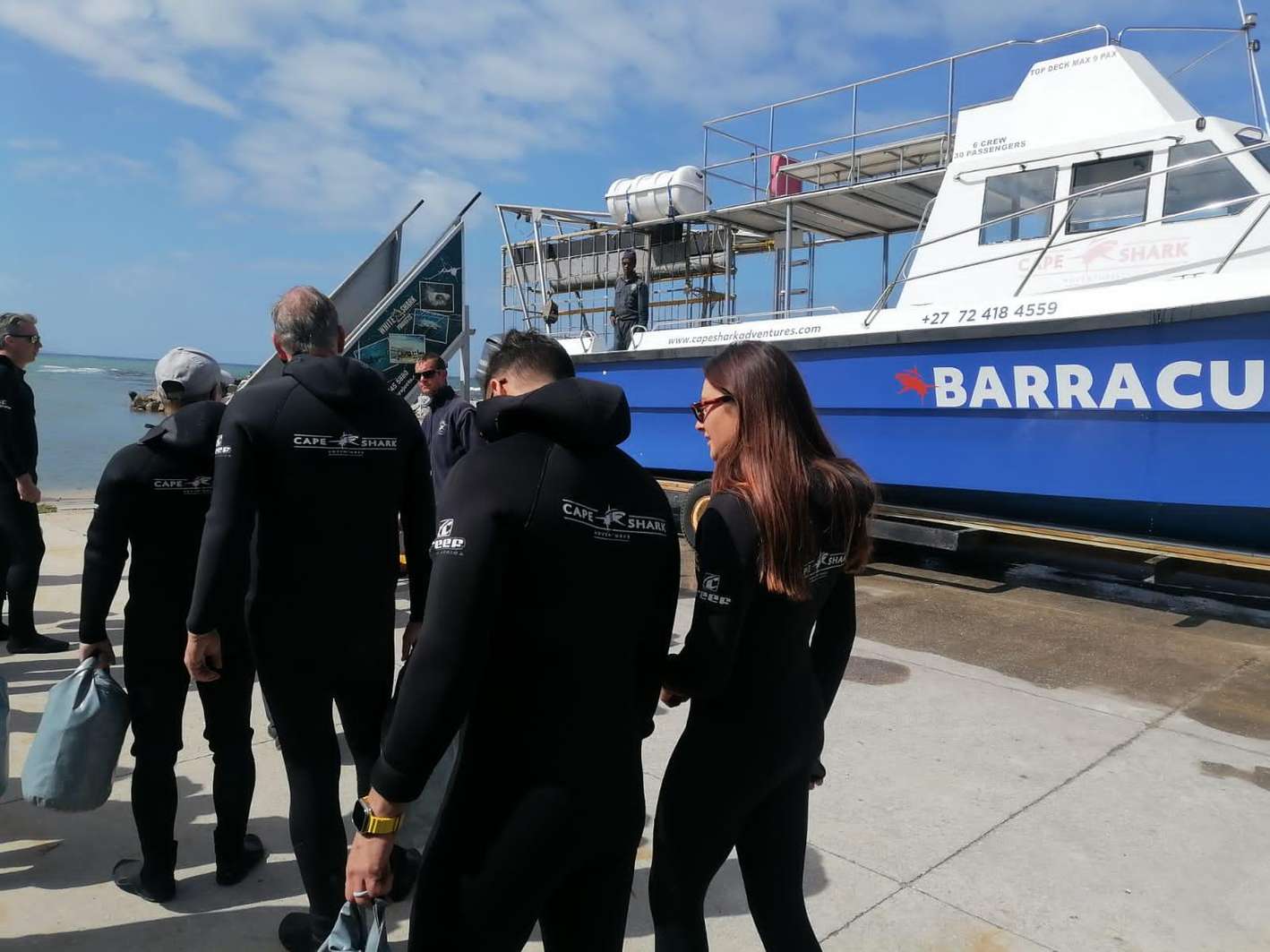
The whole packing question comes down to one decision made at the hotel: swimwear on under your clothes. Wetsuits go on directly on the boat, so there is no changing-room moment to plan for; you simply peel off a fleece when the crew calls your size.
Everything else is about staying warm and upright on deck. The ride out and the hours at the anchor line are the cold part, and a windproof jacket with a fleece underneath is what carries you through it.
A full dry change of clothes for the ride home earns its space more than anything else on the list. Non-slip shoes matter too, because a wet steel deck turns slippery fast in any swell.
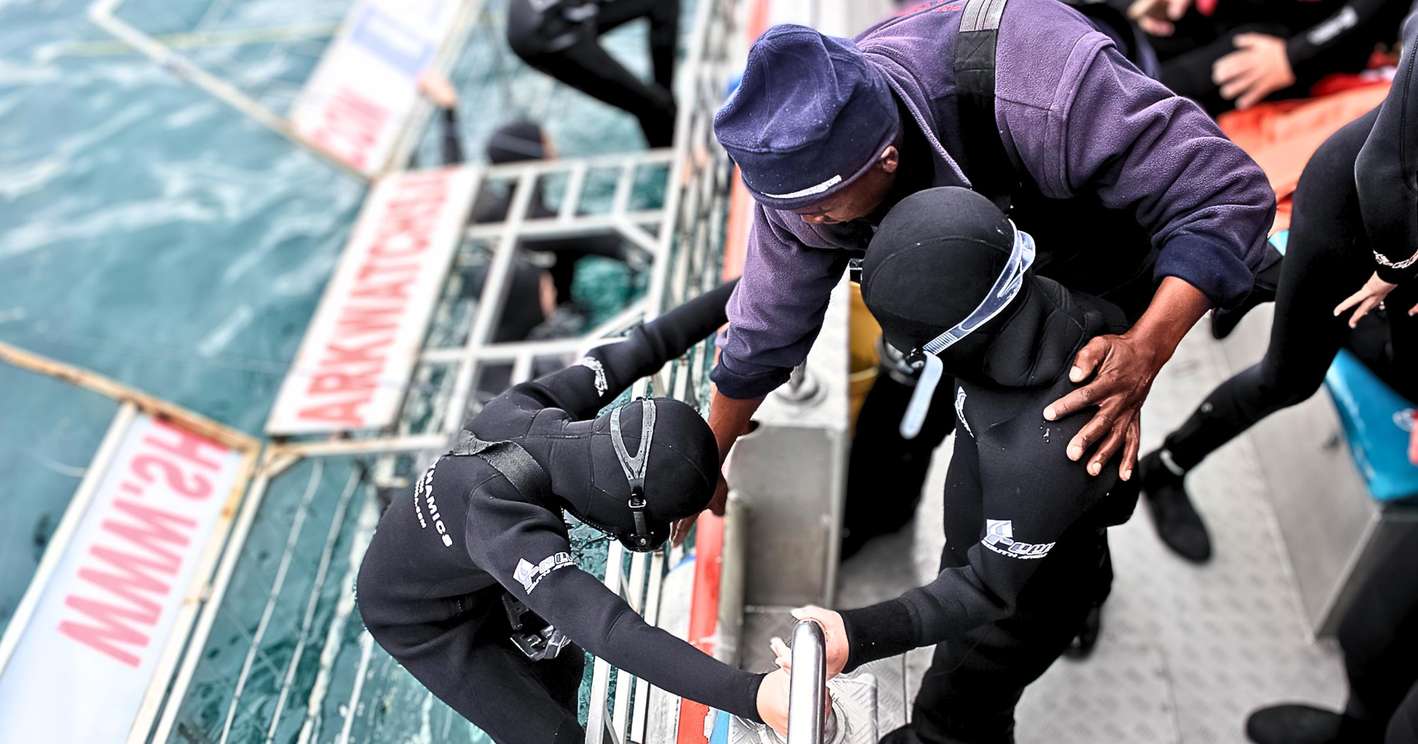
Three questions come up quietly, and all three have plain answers. Periods first: many people dive while menstruating, and no evidence links menstruation to shark bites or to more encounters. Cramps and low energy are the real consideration; if you feel rough, stay on deck that day.
Eyesight is easier than it looks. Regular glasses break the seal of the dive mask against your face, so divers wear contact lenses or bring their own prescription mask, and both work fine in the cage.
Seasickness is the one that genuinely ruins trips. The water at the anchor line can heave, and medication only works once it is absorbed: antihistamine pills need at least two hours before boarding, and a scopolamine patch needs eight.
Once nausea starts, the stomach stops absorbing anything, which is why timing beats strength of dose. Crews are used to seasick guests and will move you, hydrate you or talk you out of the dive entirely.
Plan the medication around your evening, and keep the packet in your day bag rather than the hold luggage, since the first dose lands the night before departure.
Cage design is written into South African law.
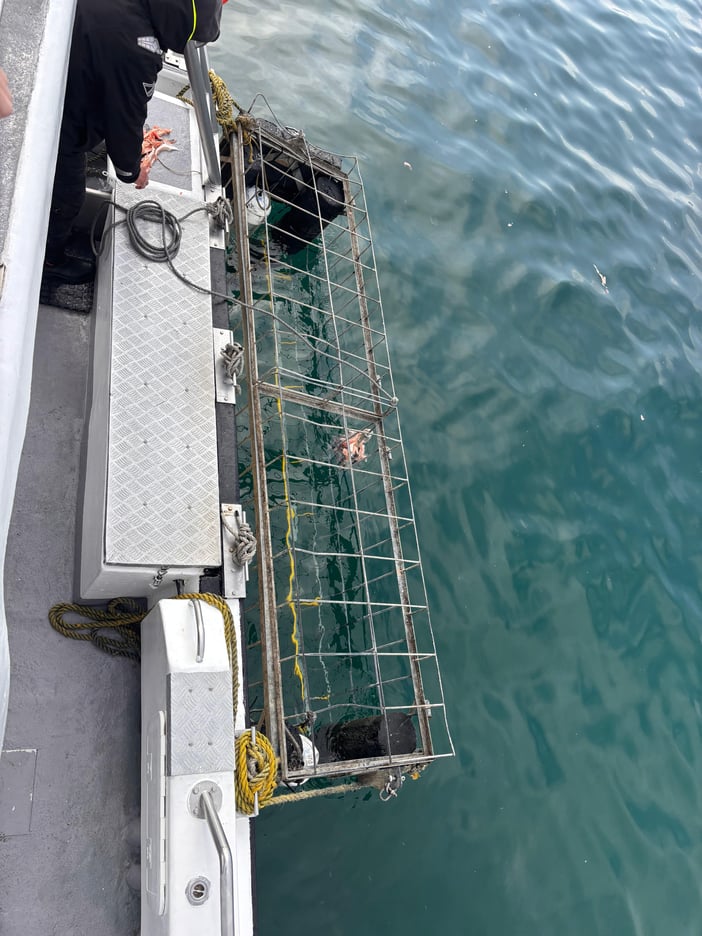
Operations may only use vessels and cages certified safe by the South African Maritime Safety Authority, built from steel or aluminium with no sharp edges, an access door at the top, viewing gaps no bigger than about 40 cm so a shark cannot enter, and one cage per boat.
Commercial cage operators have a perfect human safety record against shark attacks, and the engineering explains it. Sharks do not ram steel cages to reach the people inside, and the accidents recorded on these trips all traced back to boat operations rather than the animals.
Your part is one rule: hands, feet and cameras stay inside the bars, always, even to angle a shot. Hold the interior rails and hook a foot under the bottom rung when the swell moves, and the cage does the rest.
The fuller accident history and what the numbers say sits on the page about how dangerous a shark cage dive really is.

Rain cancels nothing; the boats have dry cabins. What ends a day is Atlantic swell and wind, and the skipper makes the call around 2 pm the afternoon before, off the marine forecast.
In Gansbaai, winter swells push cancellations to roughly 18 days out of 30 from April through October, against about 10 in summer. Simon's Town hides better from winter fronts but loses summer days to afternoon southeasterlies.
| If this happens | What happens then |
|---|---|
| Trip cancelled before launch for weather | Full refund or a free move to another day |
| Winds rise at sea and the boat turns back | No refund, the trip counts as run |
| You have arrived but the boat cannot launch | Transport costs stay payable, though rescheduling usually rides free next time |
The planning lesson is simple: keep a buffer day around the dive in winter, and book tours that refund in full when the sea decides. The seasonal trade-off between swells, visibility and sightings is set out on the page about the best time to go shark cage diving.
Nobody can promise a great white, and it is better said before booking than at the harbour.
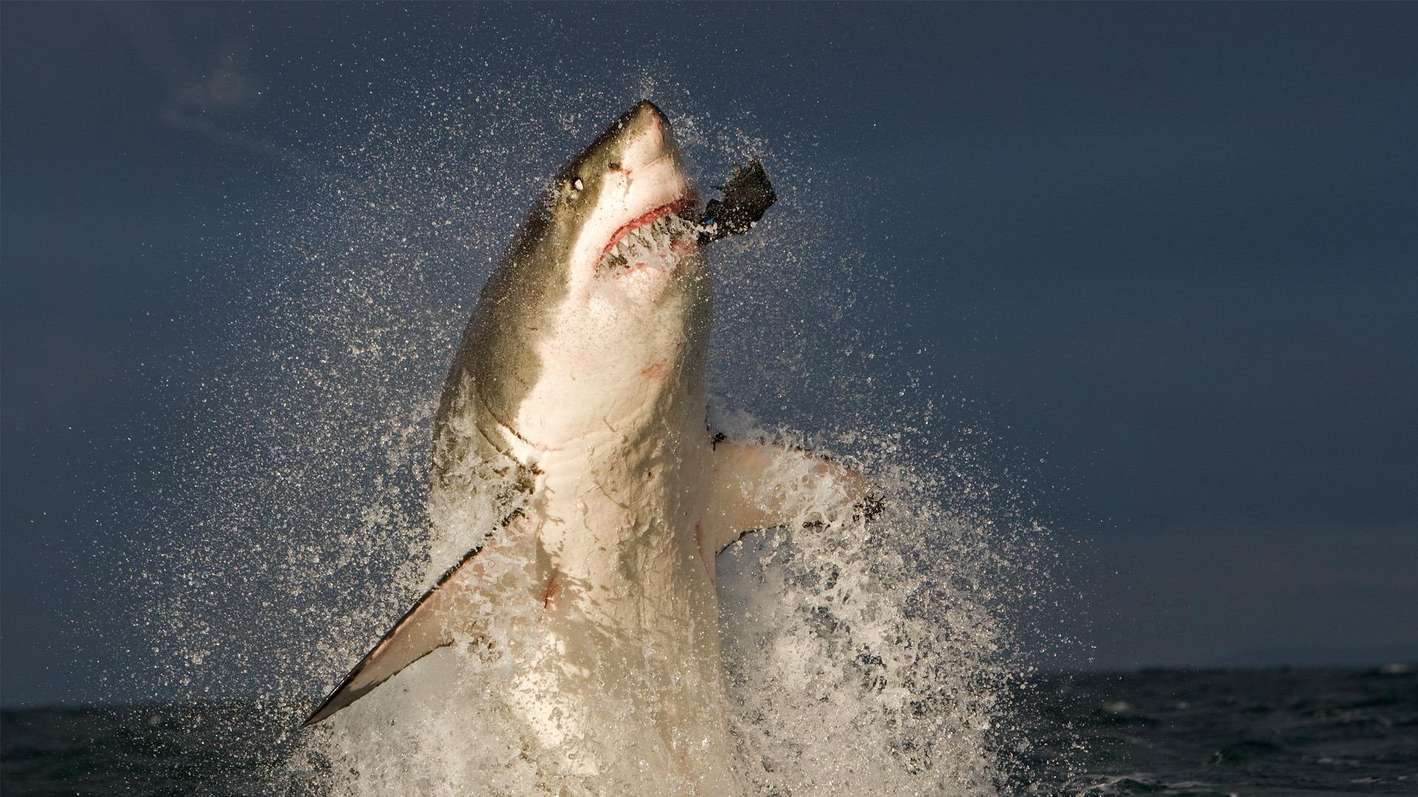
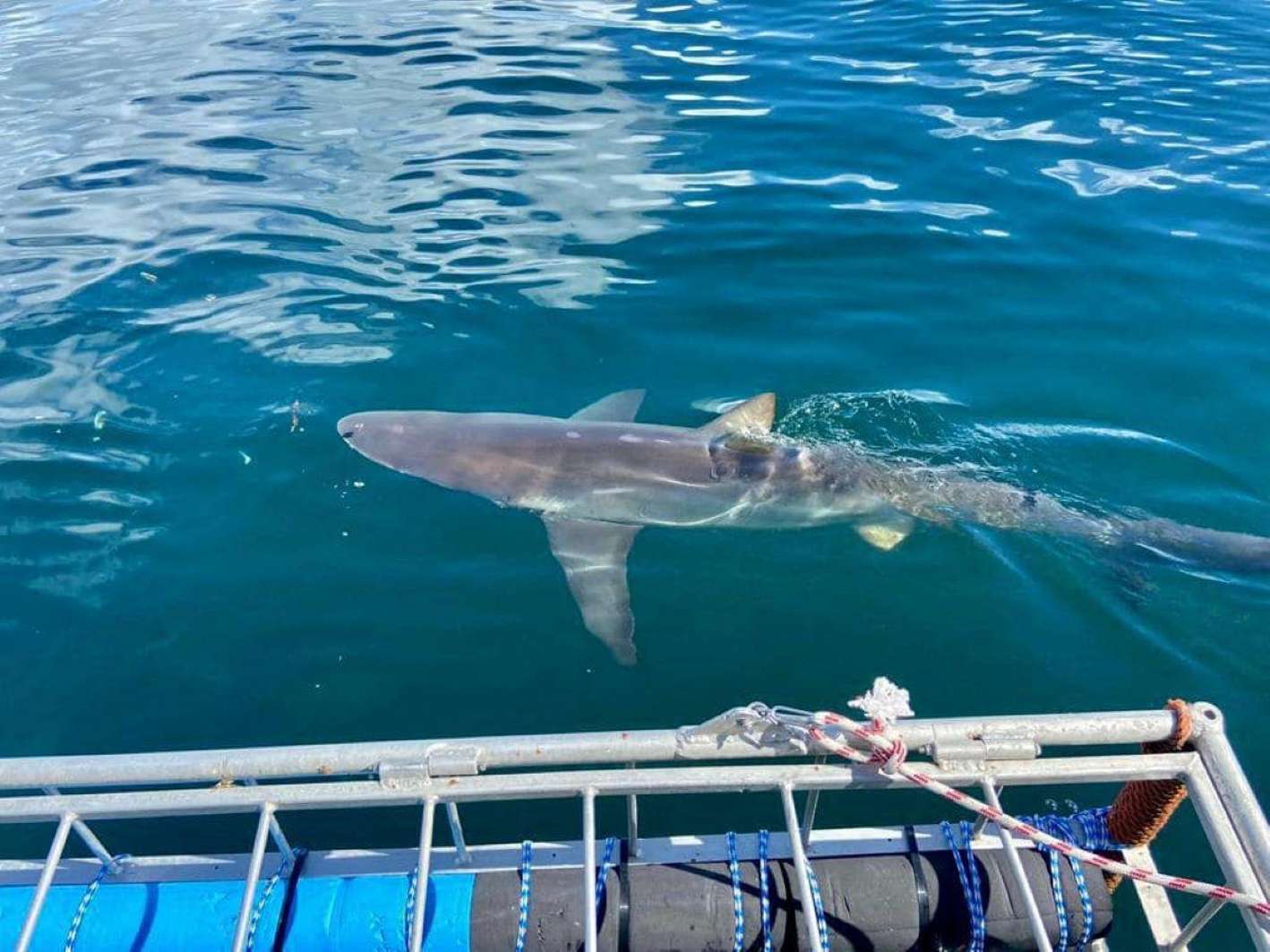
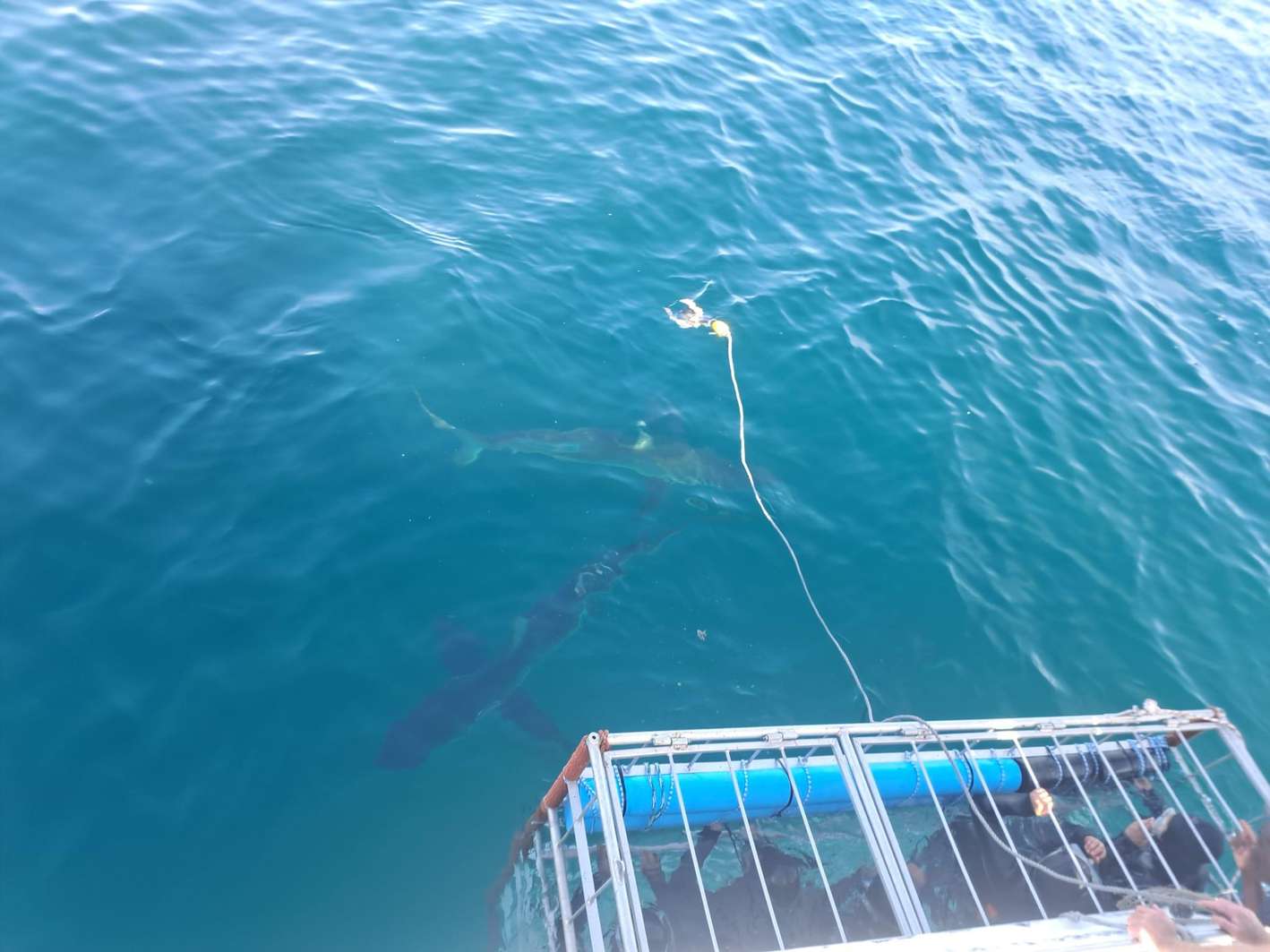
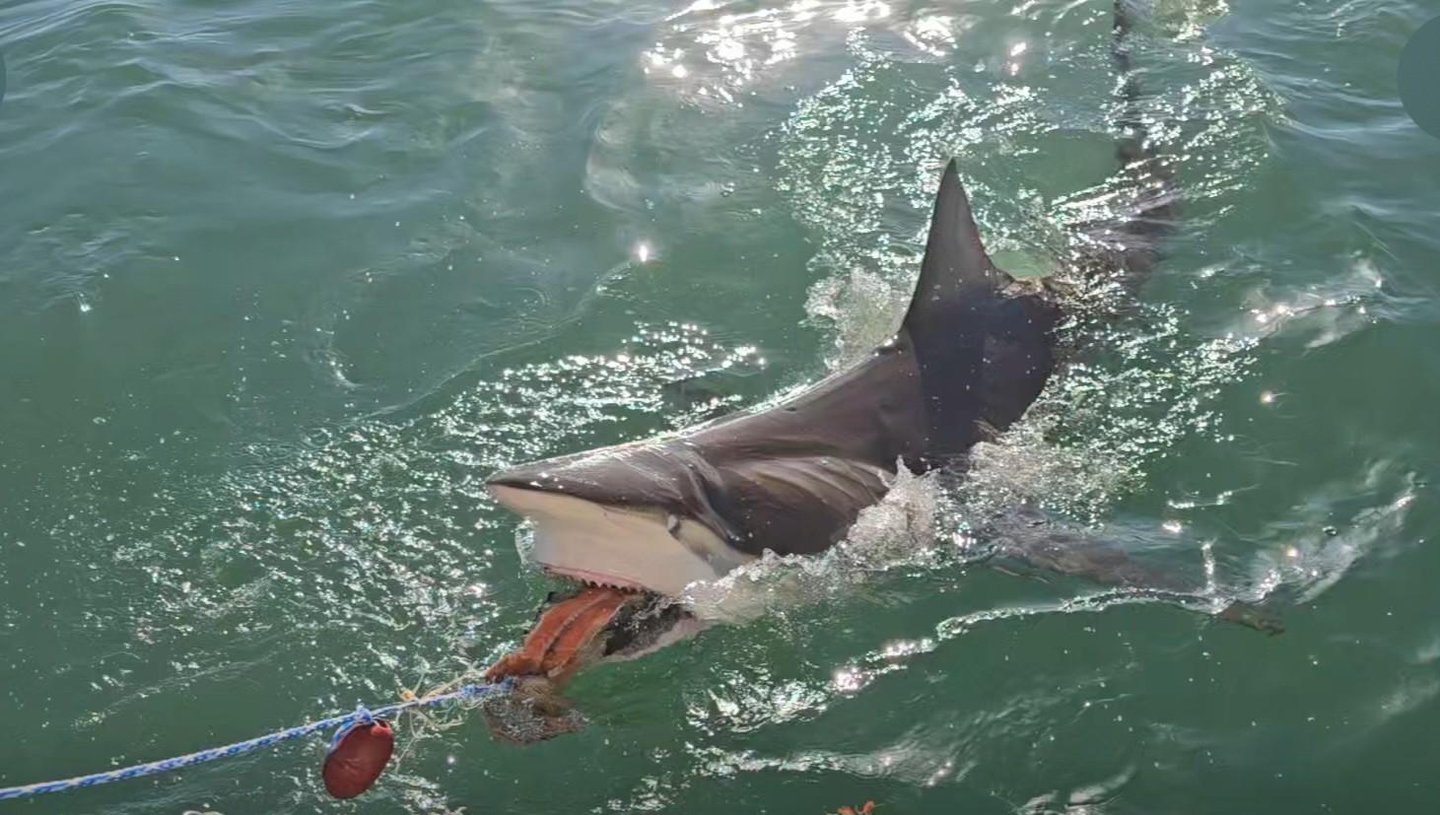
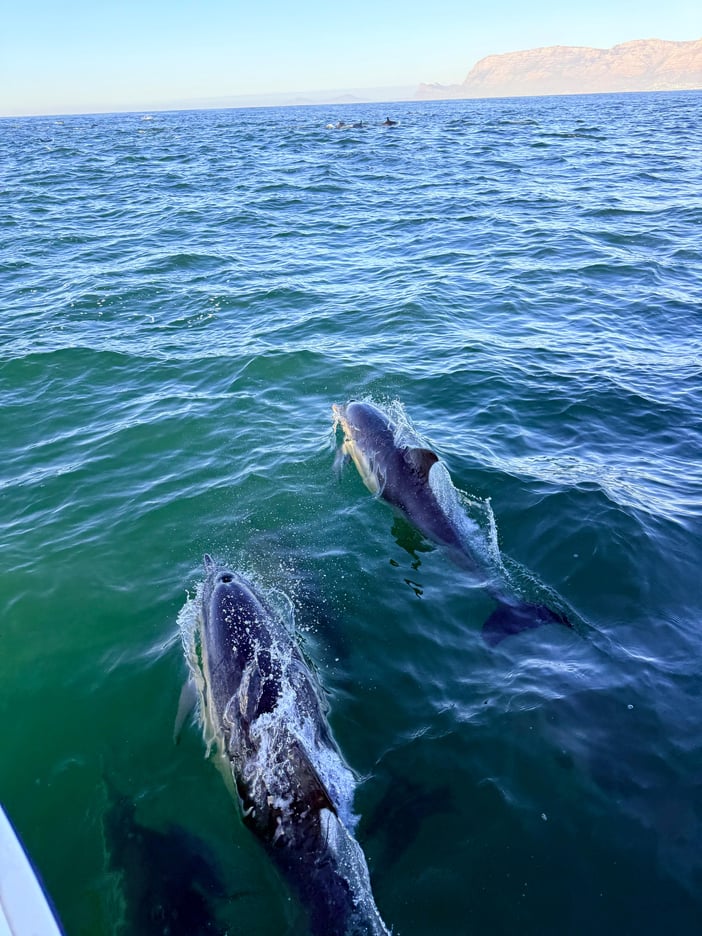
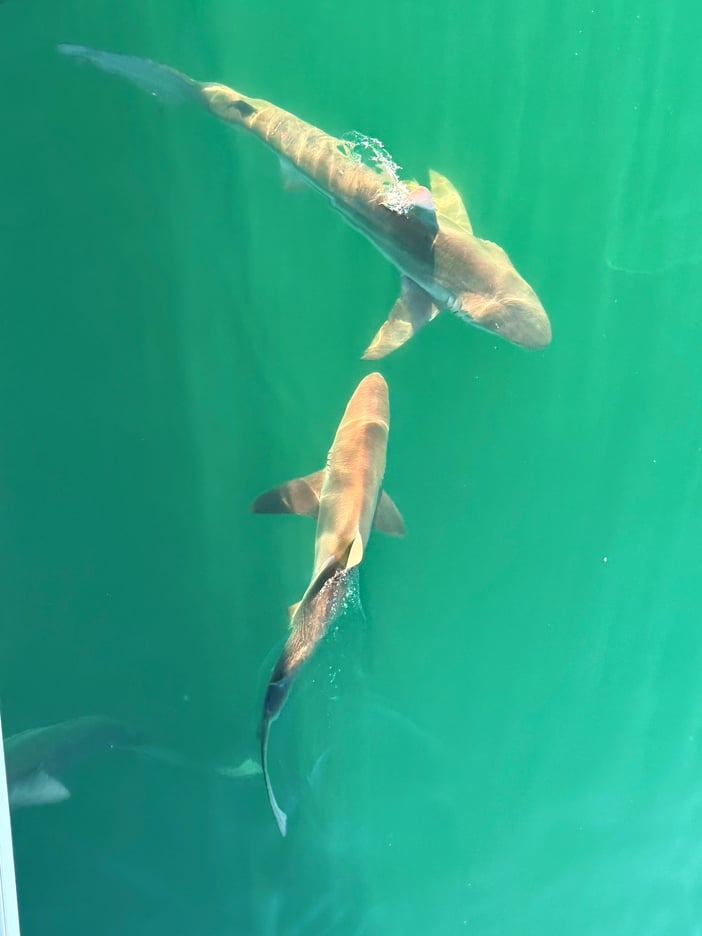
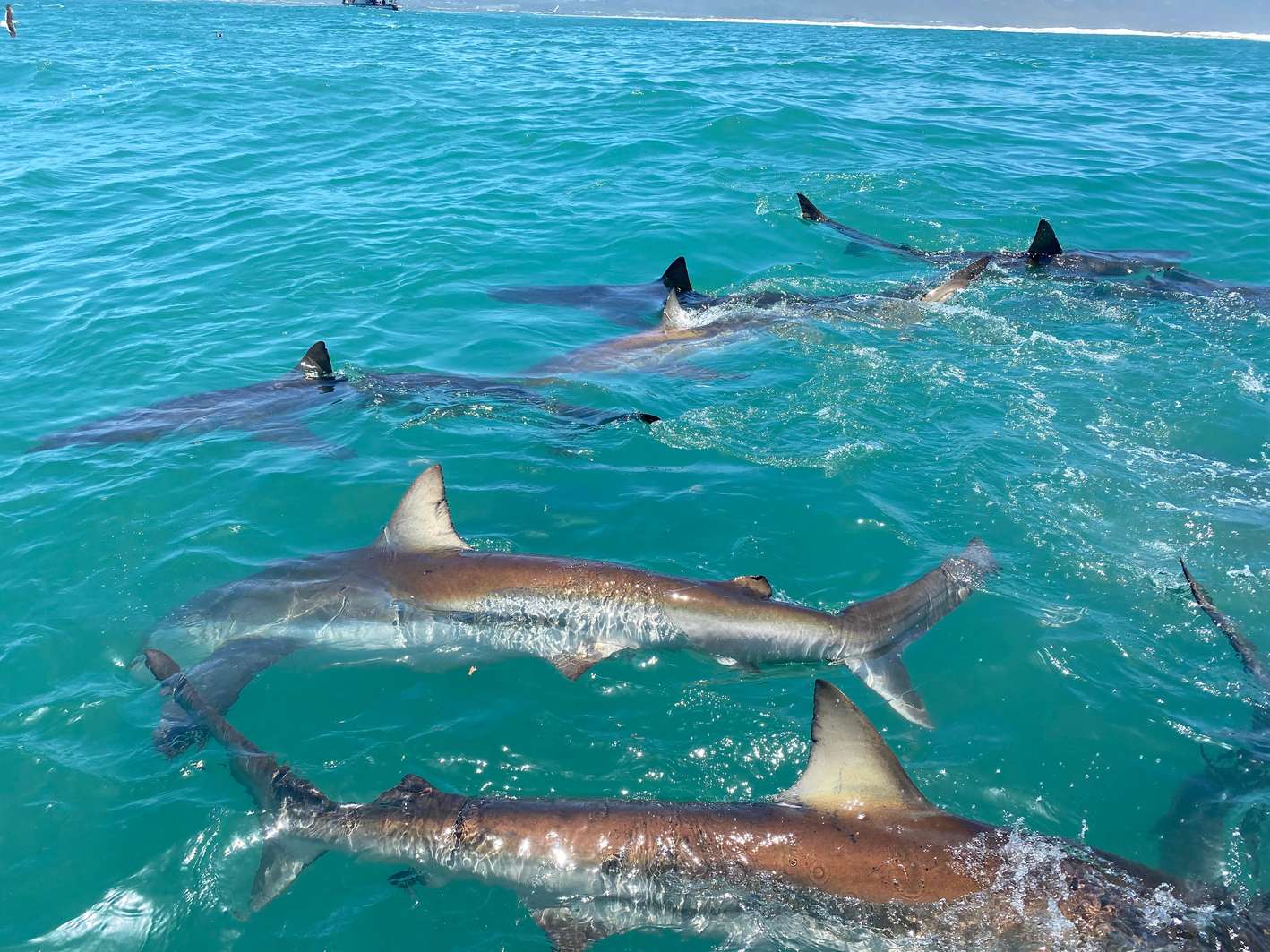
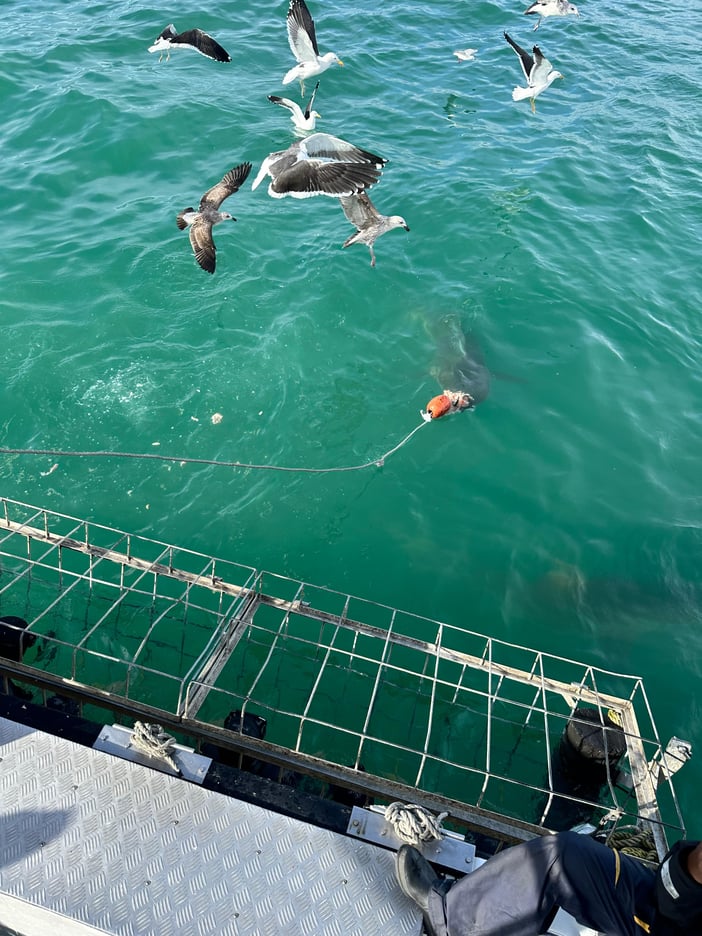
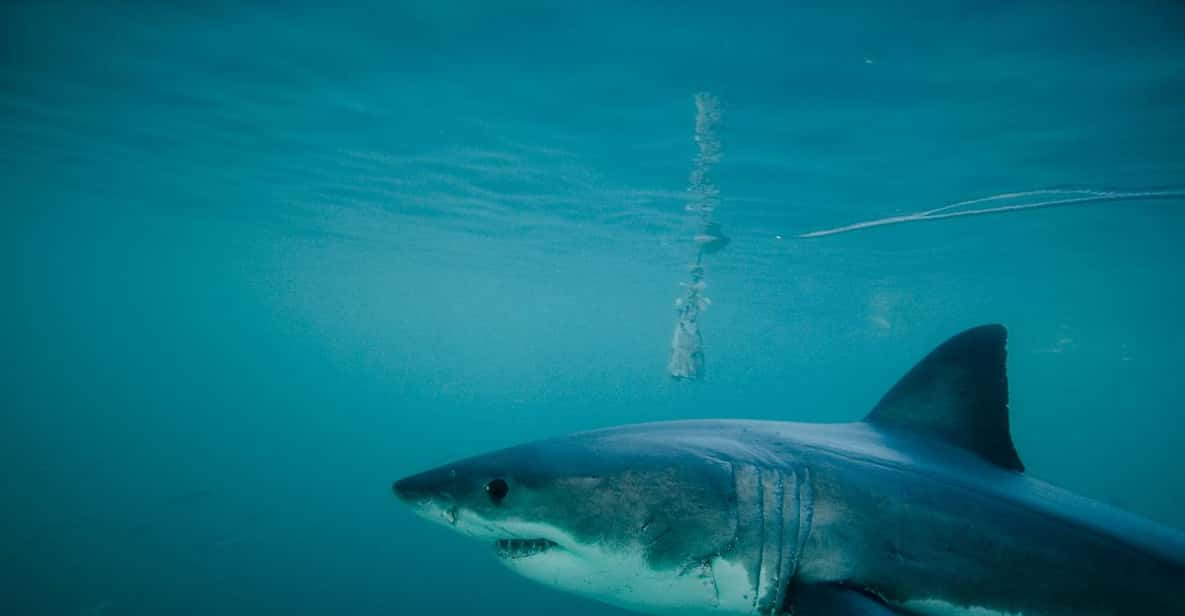
Sightings in False Bay and Gansbaai have turned irregular in recent years, and bronze whaler sharks now fill most cages, with sevengill cowsharks, stingrays, seals and dolphins rounding out the water. Regulars describe long, lively encounters with the bronzes even on days the great whites stay away.
Operators answer a blank day in different ways. One hands out a non-transferable return voucher, another puts you on a later trip free of charge, and some count the day as successful if a single shark is spotted from the deck alone.
A guaranteed great white sighting No operator can promise one; expect bronze whalers and sevengills as the reliable show A trip where no sharks appear Some operators offer a return voucher or a free dive on another day What counts as a run trip On some boats, one shark seen from the deck counts as the trip delivered
If the great white specifically is the point, the page on where great white sharks still appear sets out the odds launch by launch.
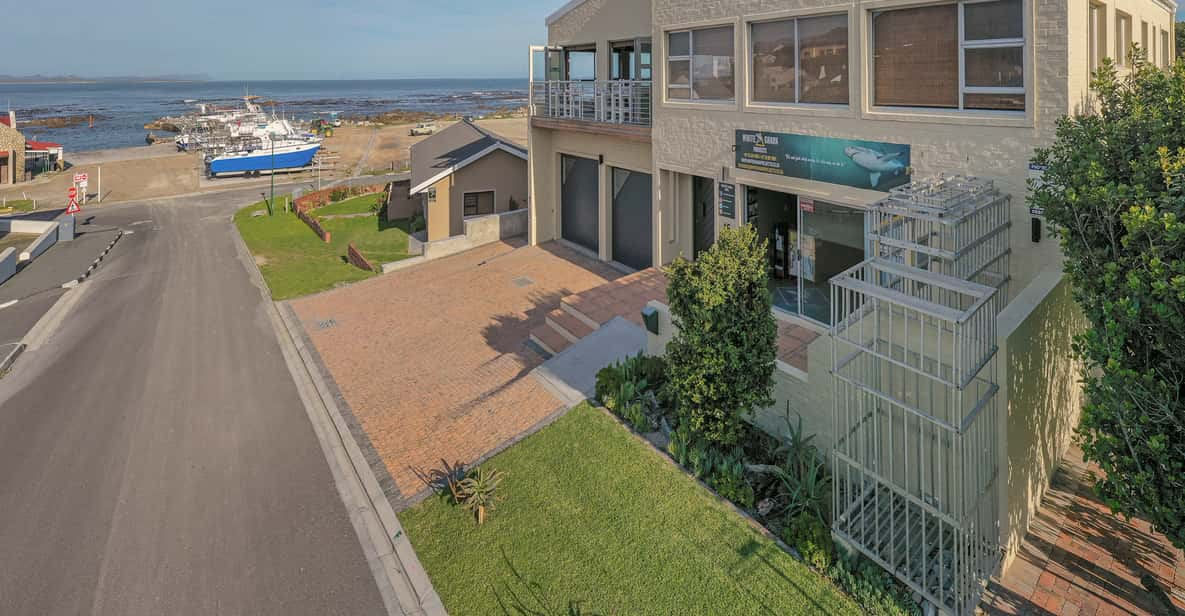
Two launch sites, two very different drives. Simon's Town sits 45 minutes from central Cape Town without traffic, stretching to about 90 minutes in peak-season congestion. Gansbaai lies 163 km east down the N2, a drive of about two and three-quarter hours over Sir Lowry's Pass and onto the R43 past Hermanus and Stanford.
The Gansbaai roads are paved and in good condition the whole way, and Hermanus and Stanford make the natural stops for fuel, coffee and bathrooms. A transfer option removes the driving altogether, though many people count the mountain passes as part of the day.
How the drive shapes the choice is simple: a False Bay launch fits a short morning from the city, while Gansbaai wants a full day committed to it. The launch sites and what each one dives are compared on the page about shark cage diving locations in South Africa.
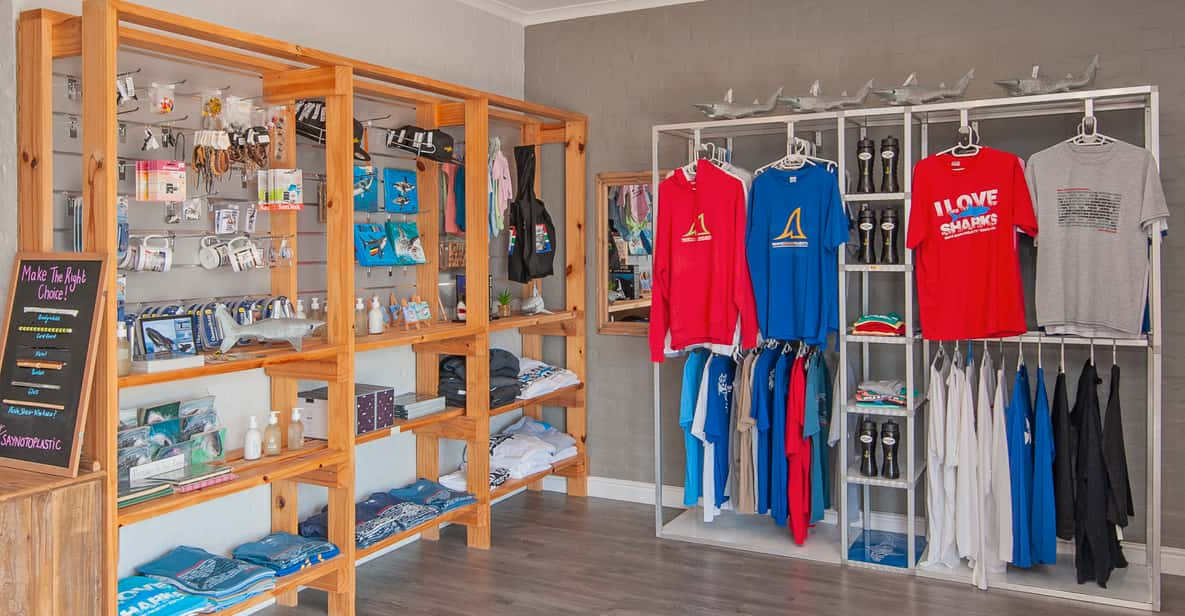
Companions staying dry and families padding out the trip have plenty within a short drive of the Kleinbaai harbour. Danger Point Lighthouse, a working light with real wreck history, sits 22 minutes away, and the historic site at Byneskranskop is 11 minutes out. None of it needs more than an hour or two.
A morning dive and an afternoon at the lighthouse or the bay fit inside one day even with the Gansbaai start, which turns the long drive into a coastal outing instead of pure transit.
Anyone in the party skipping the cage can spend those deck hours at the harbour cafes and still see the boats come back in.
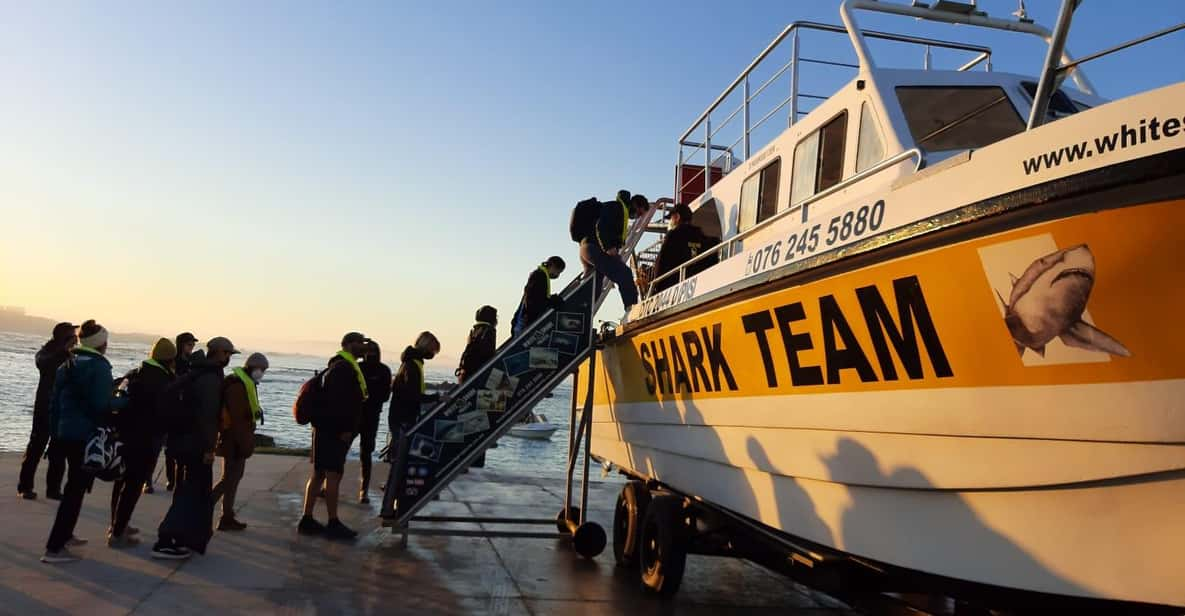
With the rules cleared, the choice is about what comes bundled. Check five things: gear supply, transfers, food, the conservation fee and the no-sighting policy. Most boats put breakfast on the table before departure, run snacks, fruit and drinks on board, and finish with soup or a light lunch, so nobody packs a picnic.
| Check | Why it matters | Our pick |
|---|---|---|
| Gear supplied | Wetsuit, hood, booties and mask should be standard so you travel with only a swimsuit | All dive equipment included with the dive |
| Transfers | A Cape Town pickup skips the long self-drive each way | Transport in an air-conditioned vehicle included |
| Food on board | Breakfast on arrival, snacks and drinks at sea, lunch or soup after | Breakfast and lunch both included |
| Conservation fee | A compulsory fee applies on some bookings and funds research and rehabilitation | Check the card; it varies by operator |
| No-sighting policy | A return voucher or free second trip softens a blank day | Most operators offer one; read the terms |
The Cape Town: Shark Cage Diving Tour (with Breakfast & Lunch) bundles the lot: an eight-hour day with transport from the city, breakfast on arrival in Gansbaai, the dive with all gear, and lunch besides. Early launches get the calmest sea and the clearest water, so take the first departure going.
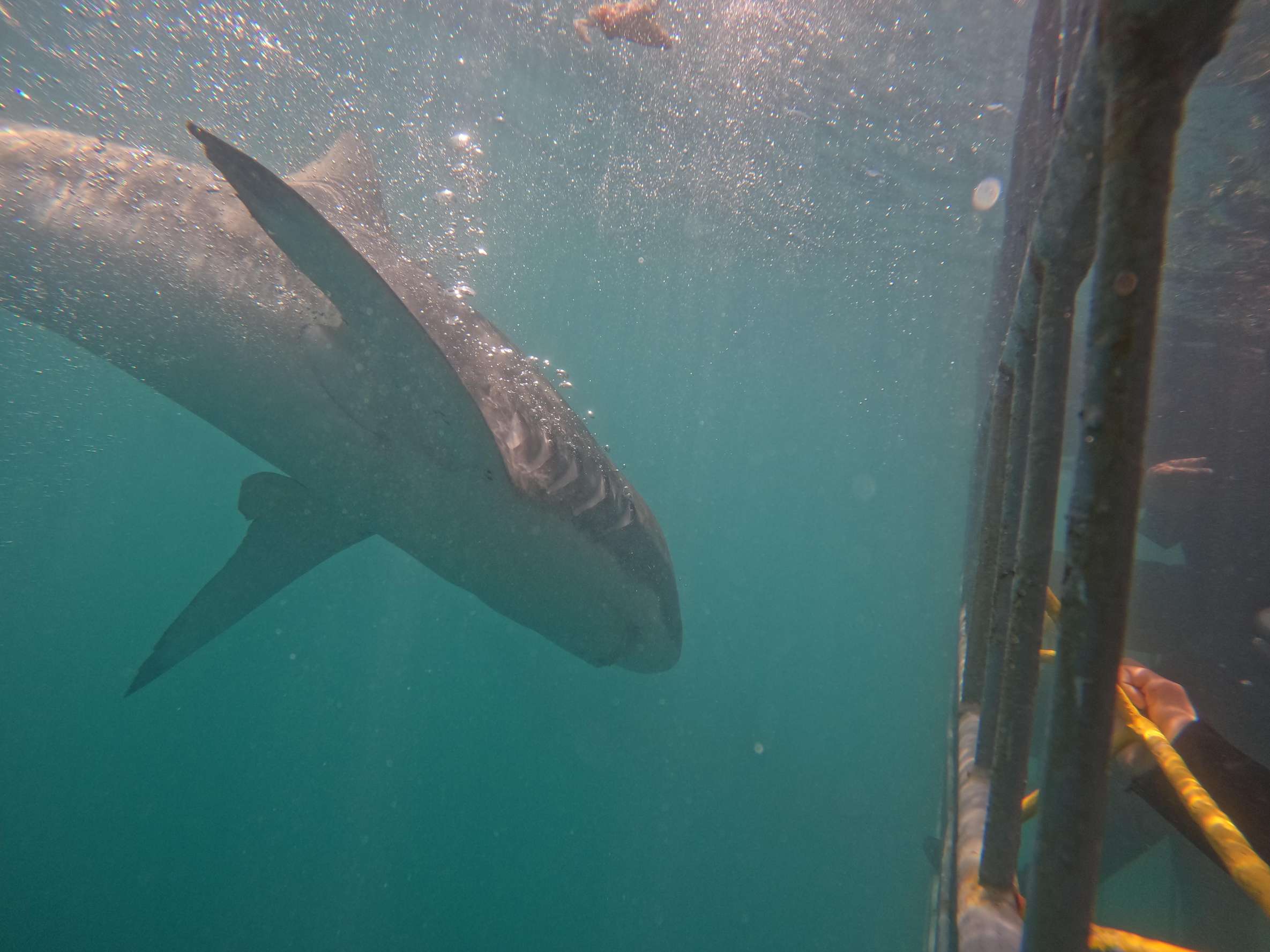
The requirements turn out to be almost none: no licence, no dive hours, no fitness test beyond a ladder in a swell. The real checks are age for children, comfort in choppy water, and seasickness timing.
Book a trip that supplies the wetsuit and gear, keep a buffer day for the swell, and pack a dry set of clothes. That is the entire preparation.
no scuba certification needed, ever
Compare launch sites from Cape Town to Durban and pick the one that fits your itinerary.
See which Cape Town tours are beginner-ready and include wetsuits, masks, and transfers.
Find out why Gansbaai draws divers worldwide and what a full day there looks like.
Clear up whether boats leave Hermanus itself or nearby Kleinbaai Harbour.
Pair a Garden Route stop with a great white dive at one of the most consistent sites.
Explore warm-water diving near Durban with blacktip and tiger sharks instead of great whites.
Read the safety record and how the certified cages keep divers protected.
Understand how the no-feeding rules keep these wild encounters ethical.
Weigh the sighting odds and decide whether the trip earns its place in your plans.
Match your travel dates to the season with the best visibility and shark numbers.
Find out which launch sites currently give the best chance of a great white.
See what open-water shark diving involves and what it demands of divers.
swimsuit on before you leave the hotel
The rules are simpler than most people fear. Here is what actually applies before you get in the cage.
 Cape Town2026
No. South African cage diving runs at the surface, so you hold your breath on cue or use a basic snorkel. Some cages even have a surface-supplied air line. Scuba training plays no part, and most operators leave it out on purpose because exhaust bubbles scare sharks off.
There is no legal minimum age in South Africa; each operator sets its own. Cage entry typically requires children to be between 8 and 12 years old, and the standard cutoff is 12. Younger children can still come along and watch from the deck.
Yes. Deck viewing has no minimum age and counts as a proper way to see the action, since sharks come right up to the boat. One operator on this site allows children of any age into the cage, and some boats welcome kids as young as five on board.
Surface cage diving is open to beginners, and you stay in one spot in the cage rather than swimming anywhere. Basic comfort in choppy water still helps, though, because the swell pulls at you at the surface and that is what can make first-timers panic.
Put your swimsuit on under your clothes before you leave, because wetsuits go on directly on the boat. Bring a fleece or hoodie, a windproof jacket, a full dry change of clothes, a towel, shoes with grip for the wet deck, plus a hat and sunscreen.
No. Operators supply 5 mm or 7 mm neoprene wetsuits with hoods, dive booties, masks, and weight belts, along with life jackets on the boat. You only carry a swimsuit and warm layers for the ride.
Yes. Many people dive while menstruating and there is no evidence it leads to more shark encounters or bites. The practical concern is your own comfort, so plan around cramps or fatigue as you would for any day on the water.
Regular glasses will not work in the water because they break the seal of the mask against your face. Wear contact lenses instead, or bring your own prescription mask, which most operators are happy to let you use.
The anchorage at the chum line can get choppy, so take motion sickness tablets before they are needed, ideally the night before and again about an hour before boarding. Once symptoms start, pills absorb poorly. Crews are used to helping seasick guests, and you can skip your turn in the cage at any time.
no experience needed, wetsuit included
Join the From Hermanus or Cape Town: Shark Cage Diving Experience with breakfast, briefing and all gear included, and cancel up to 24 hours in advance for a full refund.