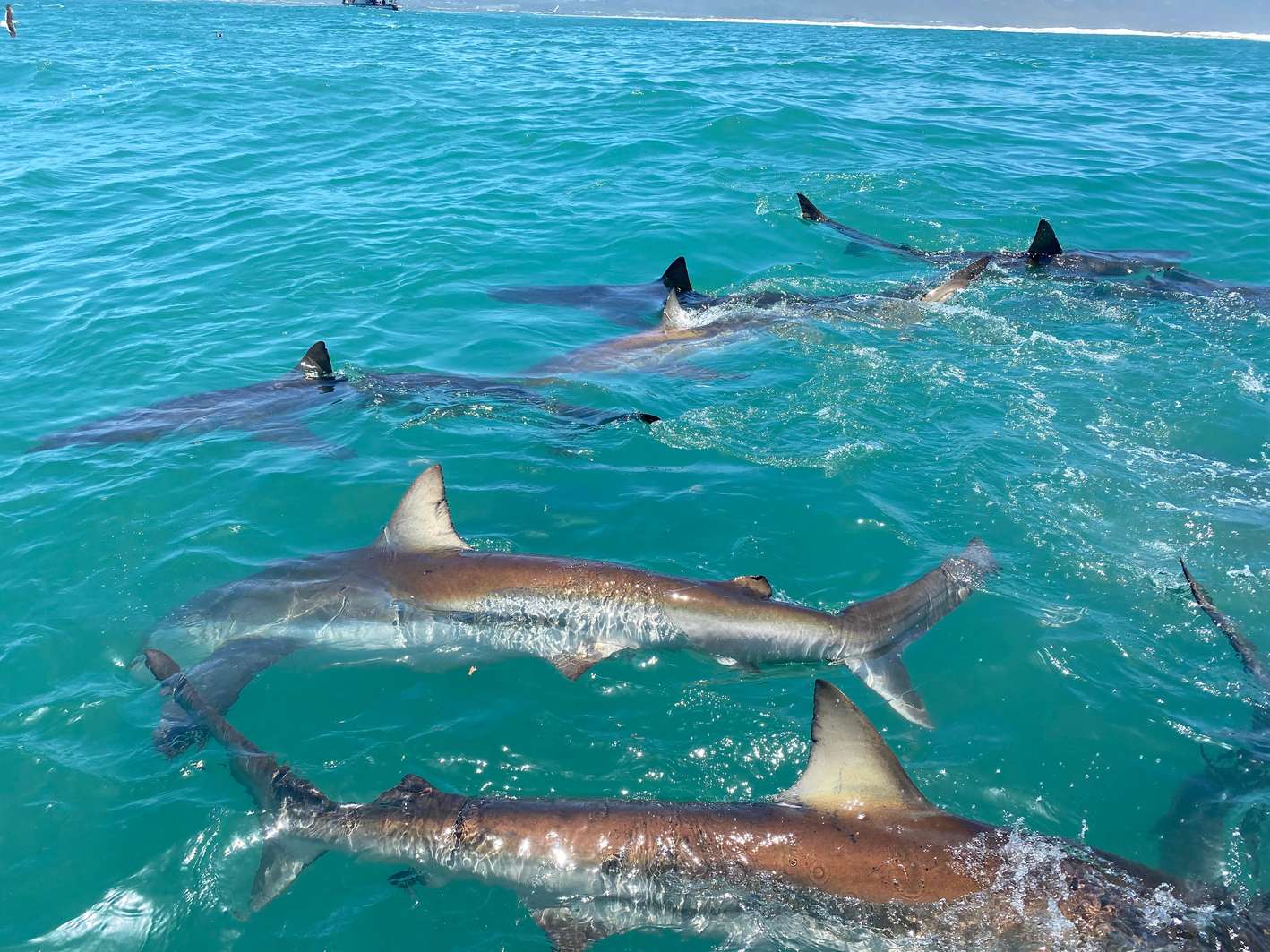
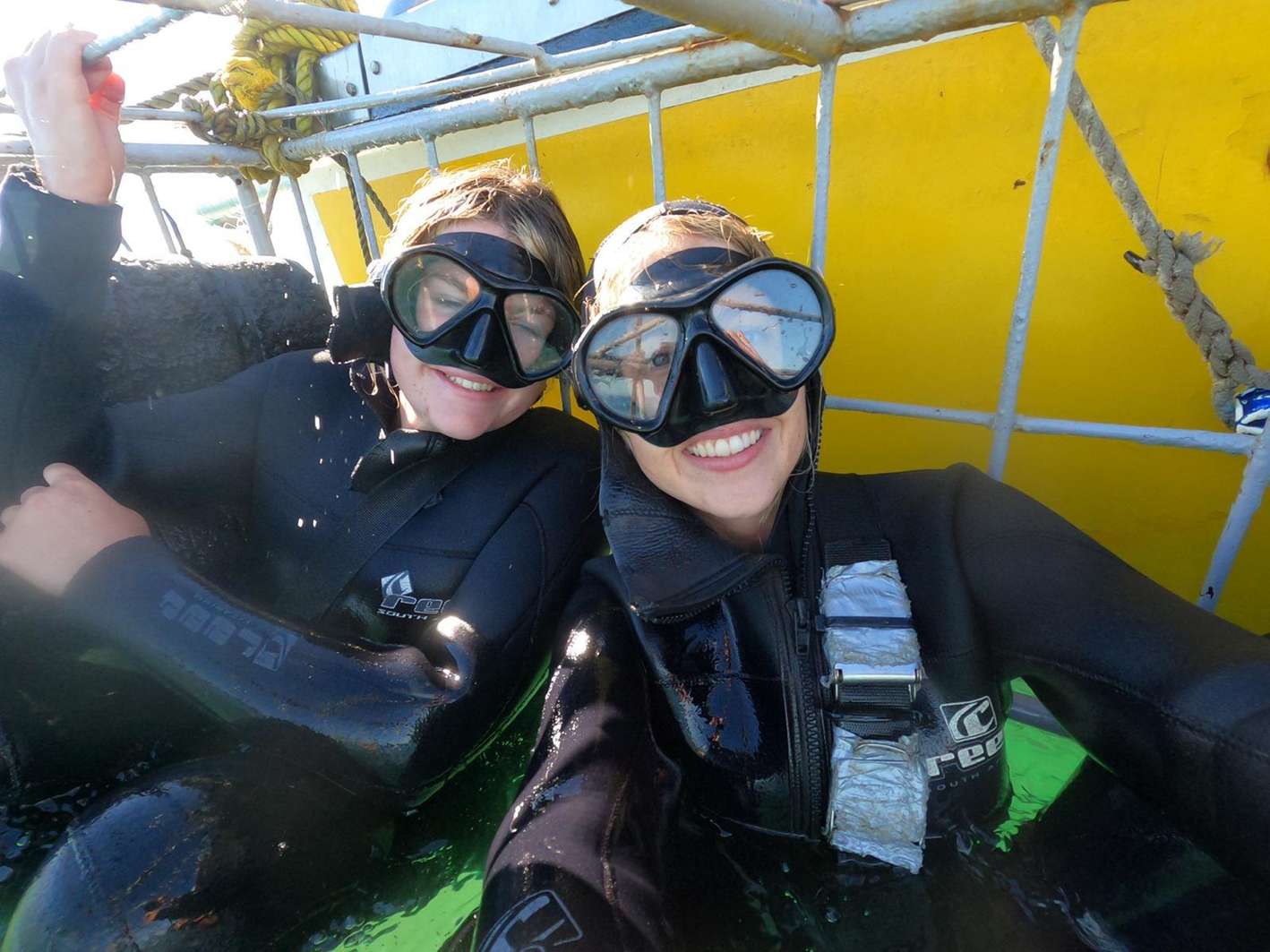
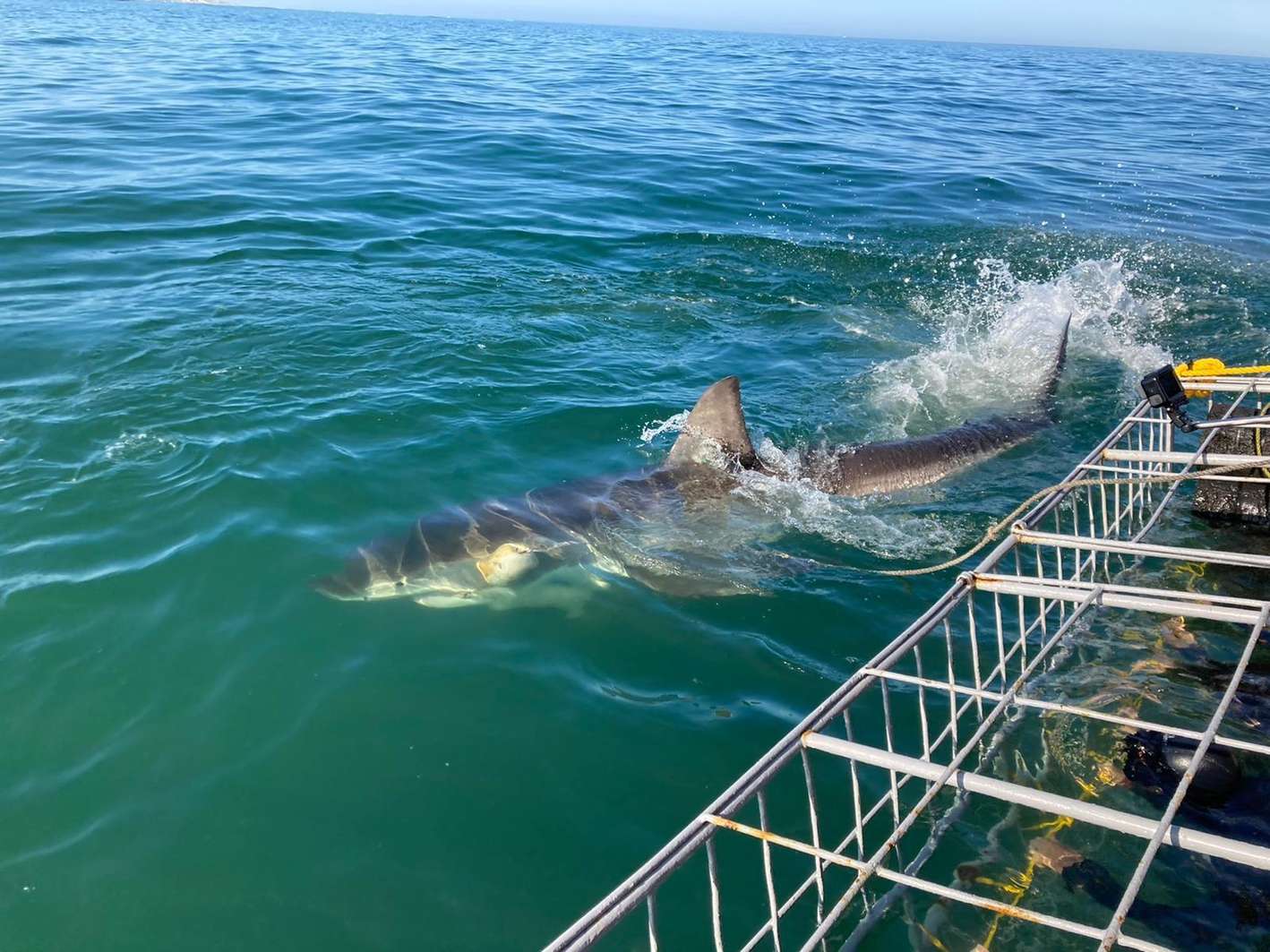
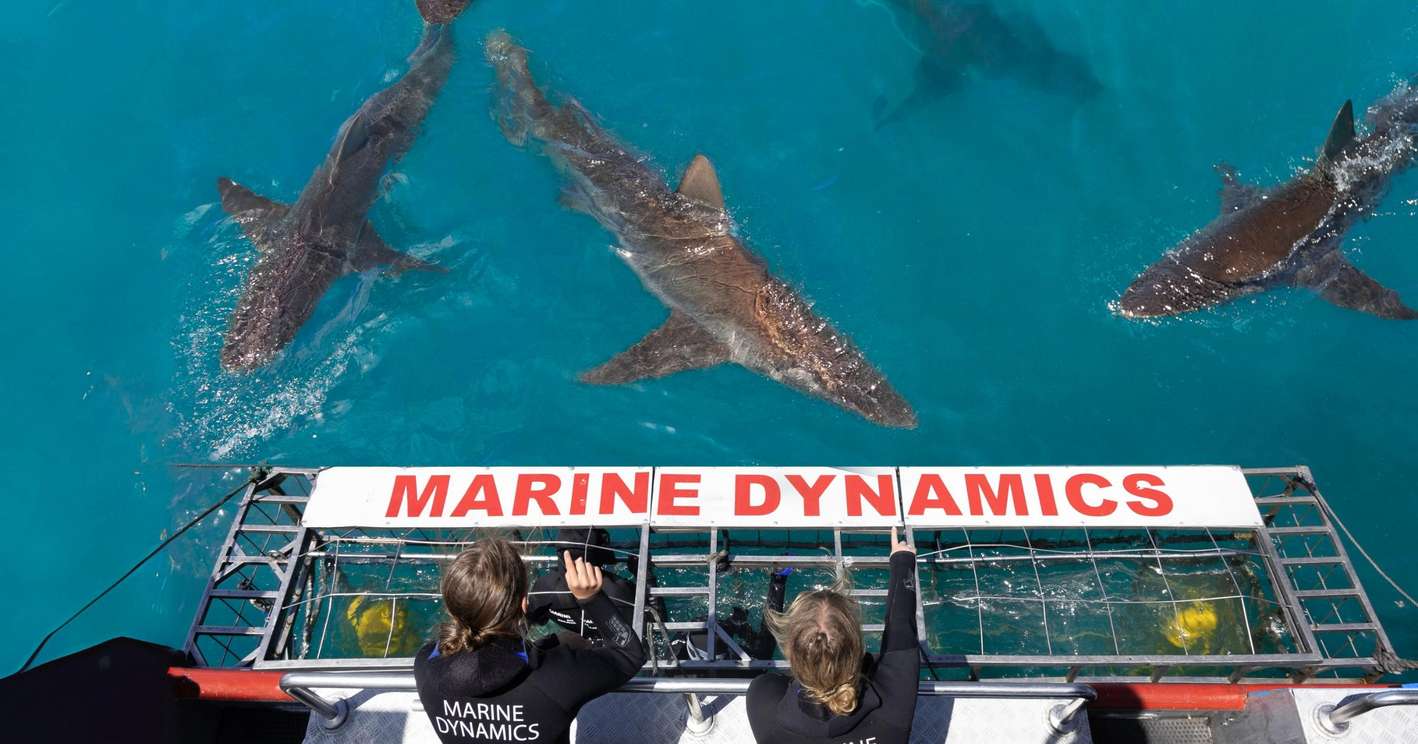
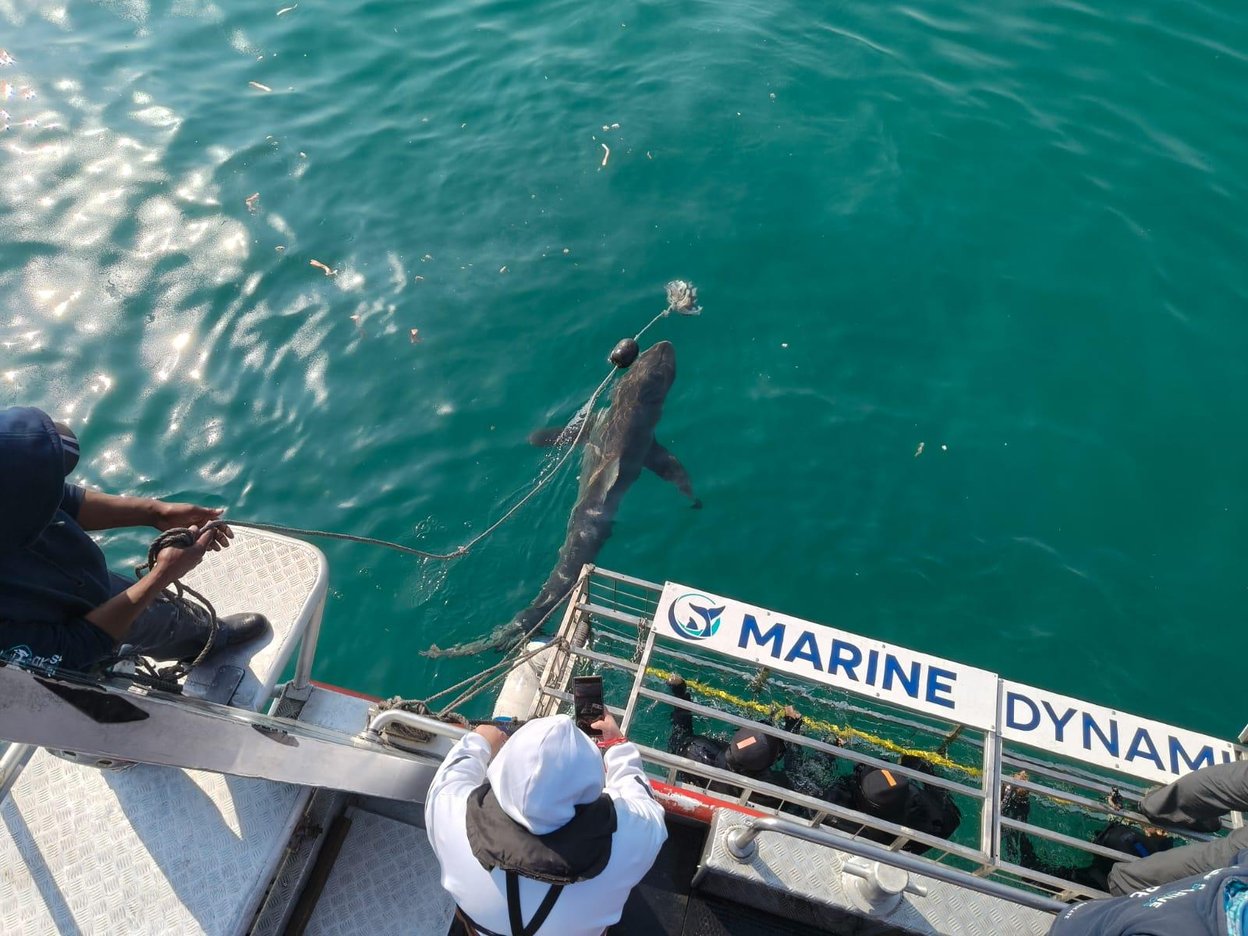
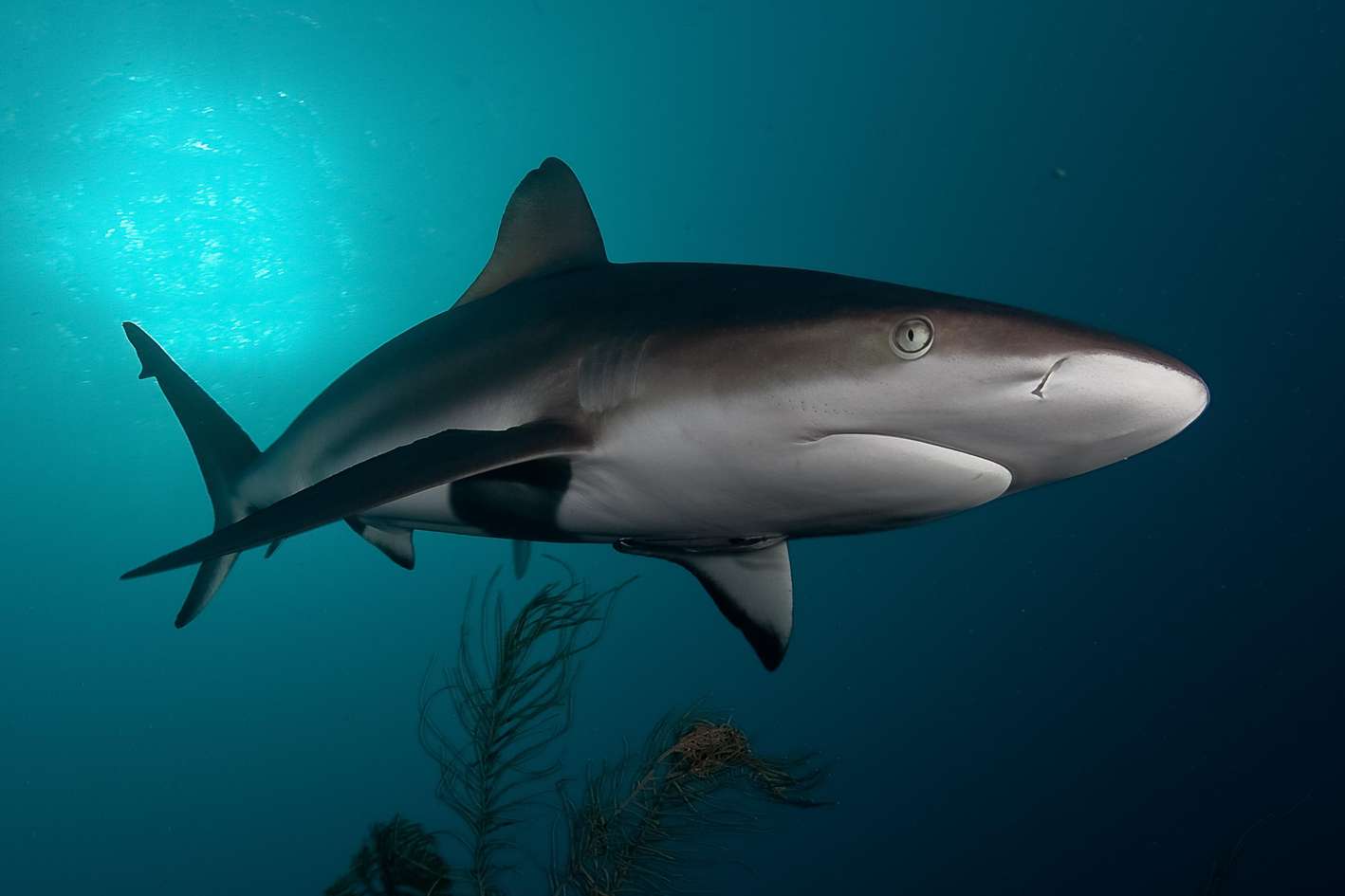
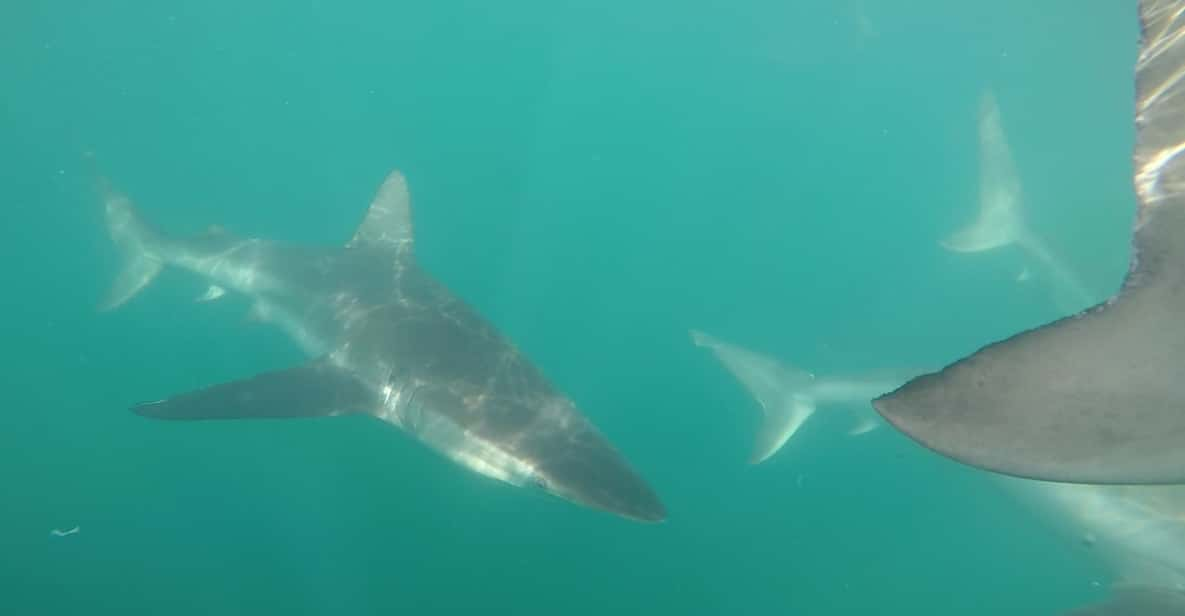
1,565 divers held their breath as bronze whalers glided past
Shark Cage Diving Tours in South Africa - Great White Shark Diving
Book a shark cage diving tour with vetted South African operators. No scuba certification needed, wetsuits and gear included, and a marine biologist with you from the briefing to the cage. The sharks are wild, the cage is certified steel, and your first dive is one breath away.
Sharks cage diving in South Africa - sharks cage diving trips to book
wetsuit, hood and booties come with every trip
South African sharks cage diving comes in two main shapes: a half-day on the water close to Cape Town, or a full day out to Gansbaai and Shark Alley with transport. The shortest boat trips suit anyone watching the clock; the full-day Gansbaai runs suit travelers who want the famous seal channel and a marine biologist briefing on board.
CertificationNo scuba certification or diving experience is needed; surface cages use breath-hold, a snorkel or surface-supplied air.
Departure timesTides and weather set the schedule, so exact times are confirmed the day before and stay fixed after that; keep the day open.
WeatherSkippers judge wind and swell the day before, and a cancelled trip brings a full refund or another date.
SightingsSharks are wild, so no tour can guarantee them; some operators give a free return dive if none appear.
SeasicknessTake motion sickness tablets well before boarding, and skip greasy food beforehand.
ClothingWear your swimsuit under your clothes, and pack a warm jacket, towel, hat and sunscreen for the deck.
Getting thereThe drive from Cape Town to Gansbaai takes about 2.5 hours each way, or 45 minutes to Simon’s Town; pickup times from the city can start very early.
ChildrenRules differ by operator; some keep under-6s off the boat and cage entry usually starts between 7 and 12 years old, so check the child policy before booking.
Booking aheadReserve the earliest day of your stay, so bad weather still leaves room to reschedule.
Sharks cage diving - which tour fits?
morning launches beat midday for calm seas
Answer a few quick questions and the page lines up the tour that matches your day.
1Where are you starting from?
2What's your budget?
3What kind of trip?
4What do you want to see?
Your best match
match
From Hermanus or Cape Town: Shark Cage Diving Experience★ 4.7 (903) · 4.5 - 8 hours · Classic experience
Popular with solo travelers; 91% of solo travelers gave it 4 or 5 stars.
Booked 28 times this week
The lowest-priced option, with hot showers and a light lunch back on shore.
What a day of cage diving with the sharks includes
cage turns run about 20 minutes
4 stopsabout 4.5 h6 places
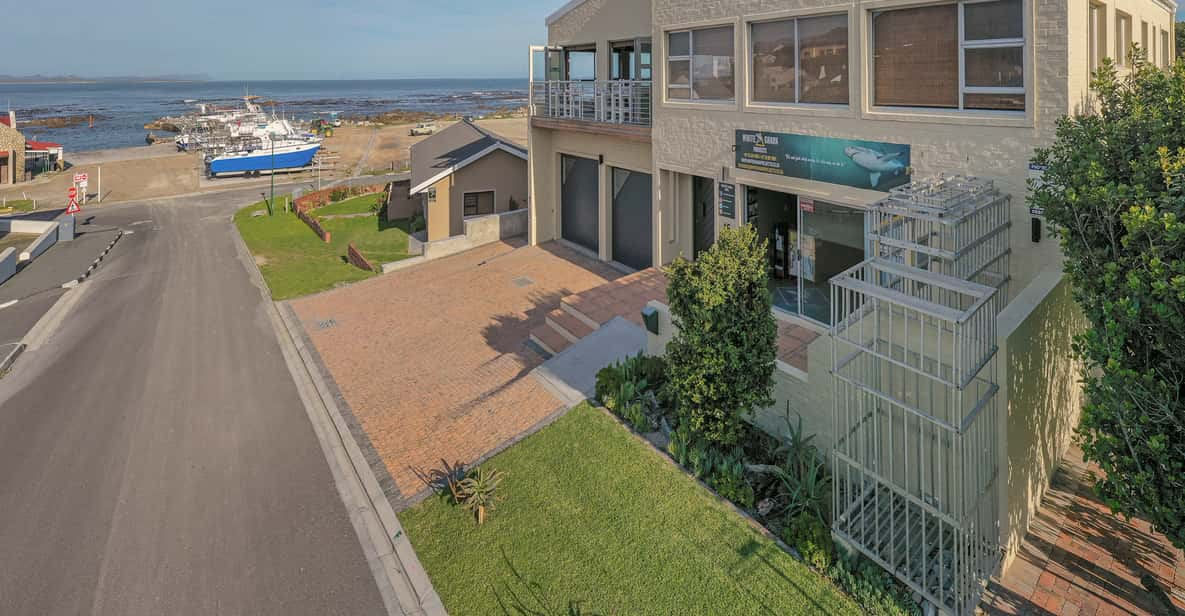
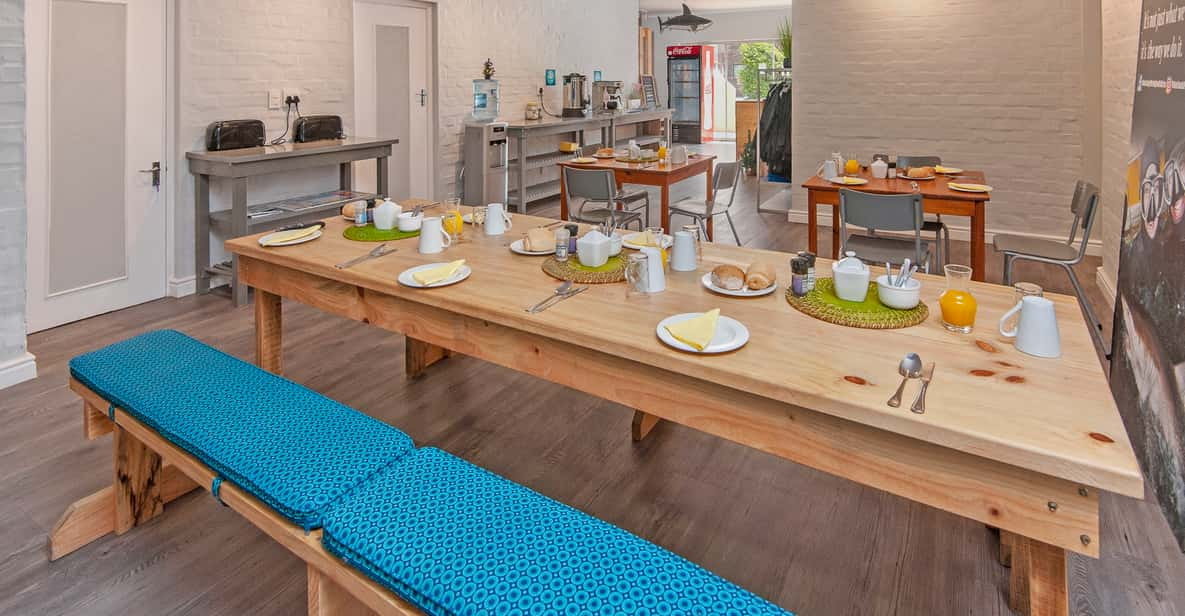
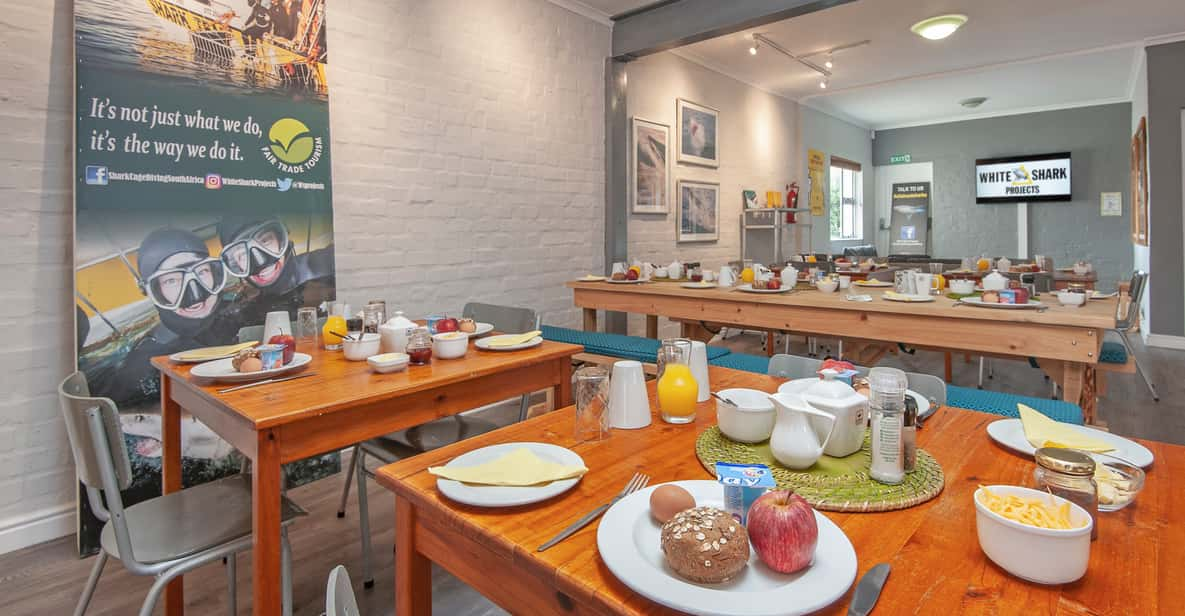
The day starts over breakfast at the operator's lodge in Kleinbaai, where a marine biologist runs through the safety briefing and what swims in these waters.
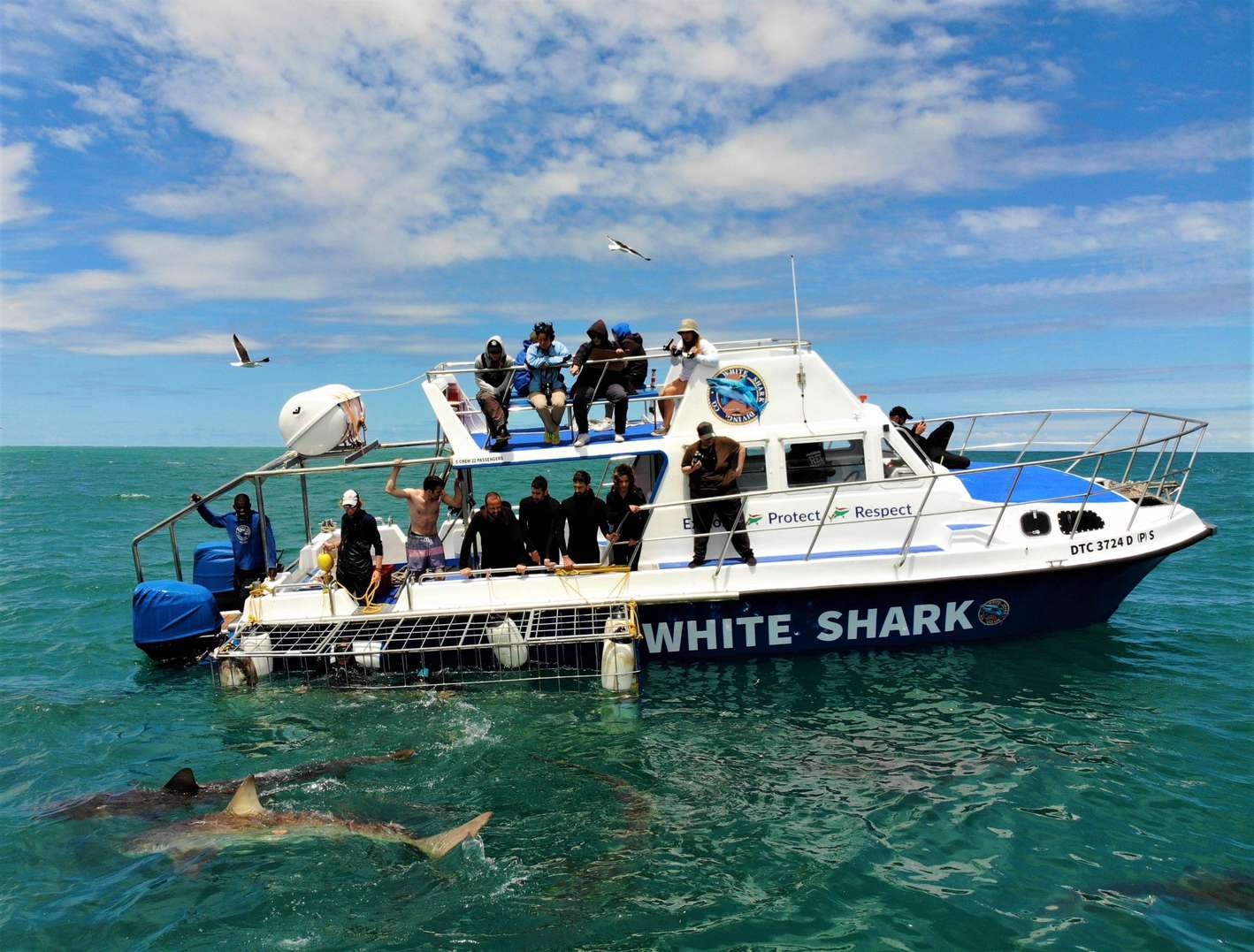
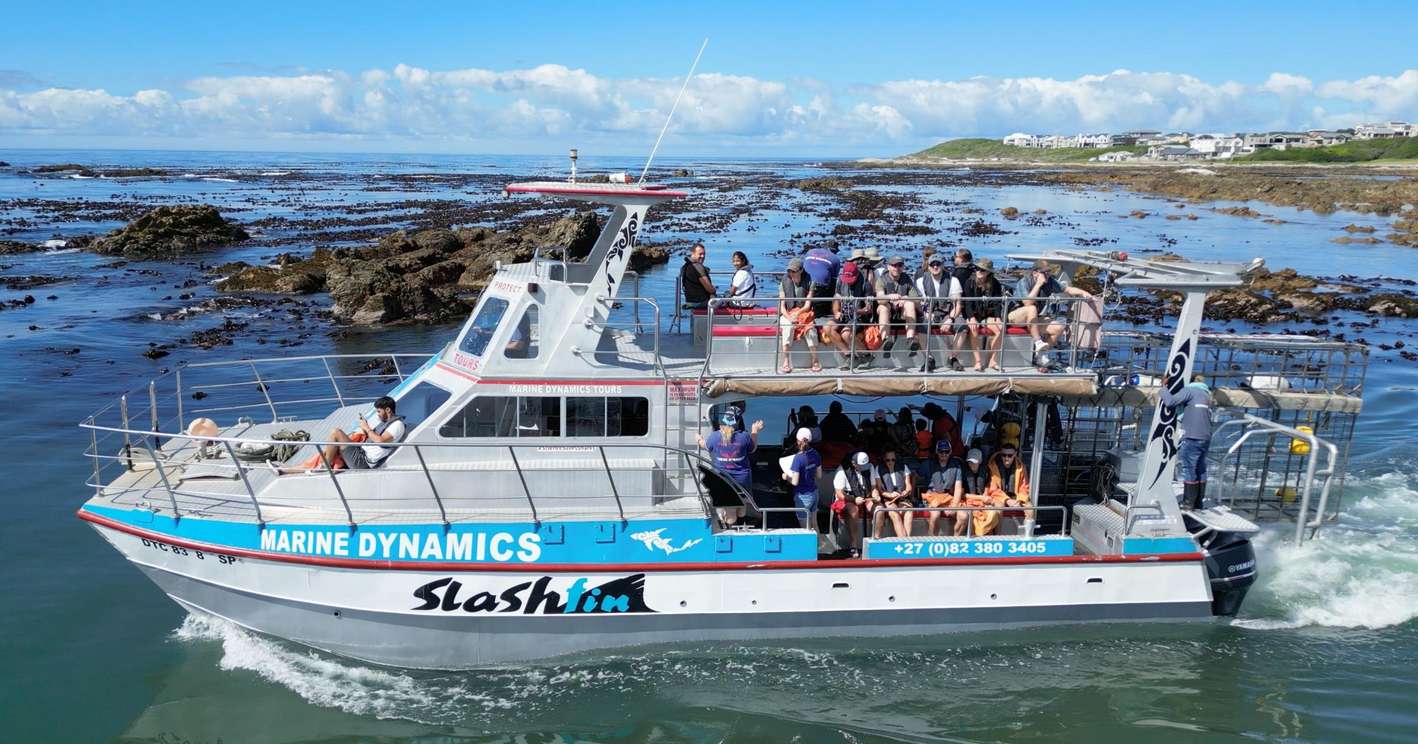
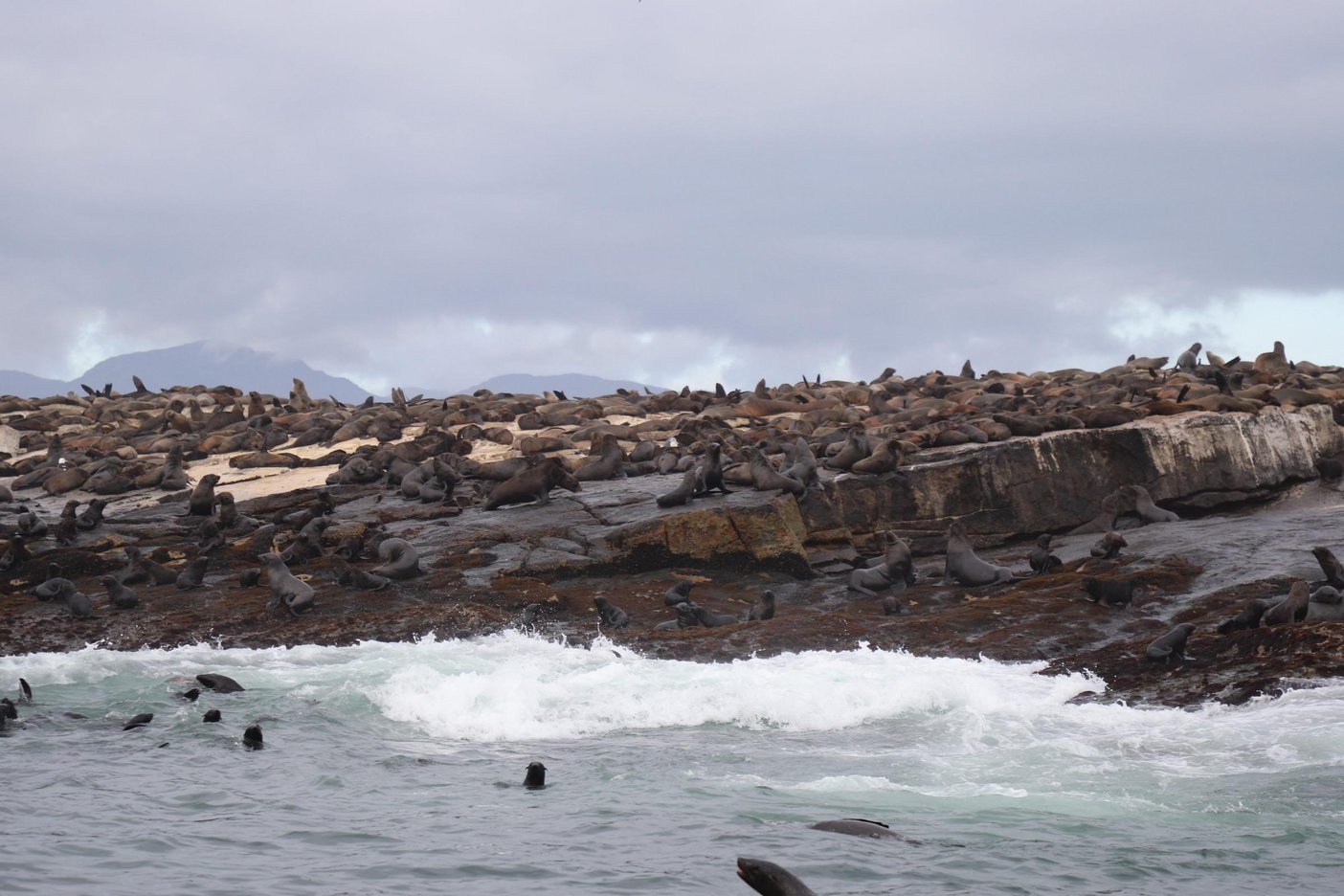
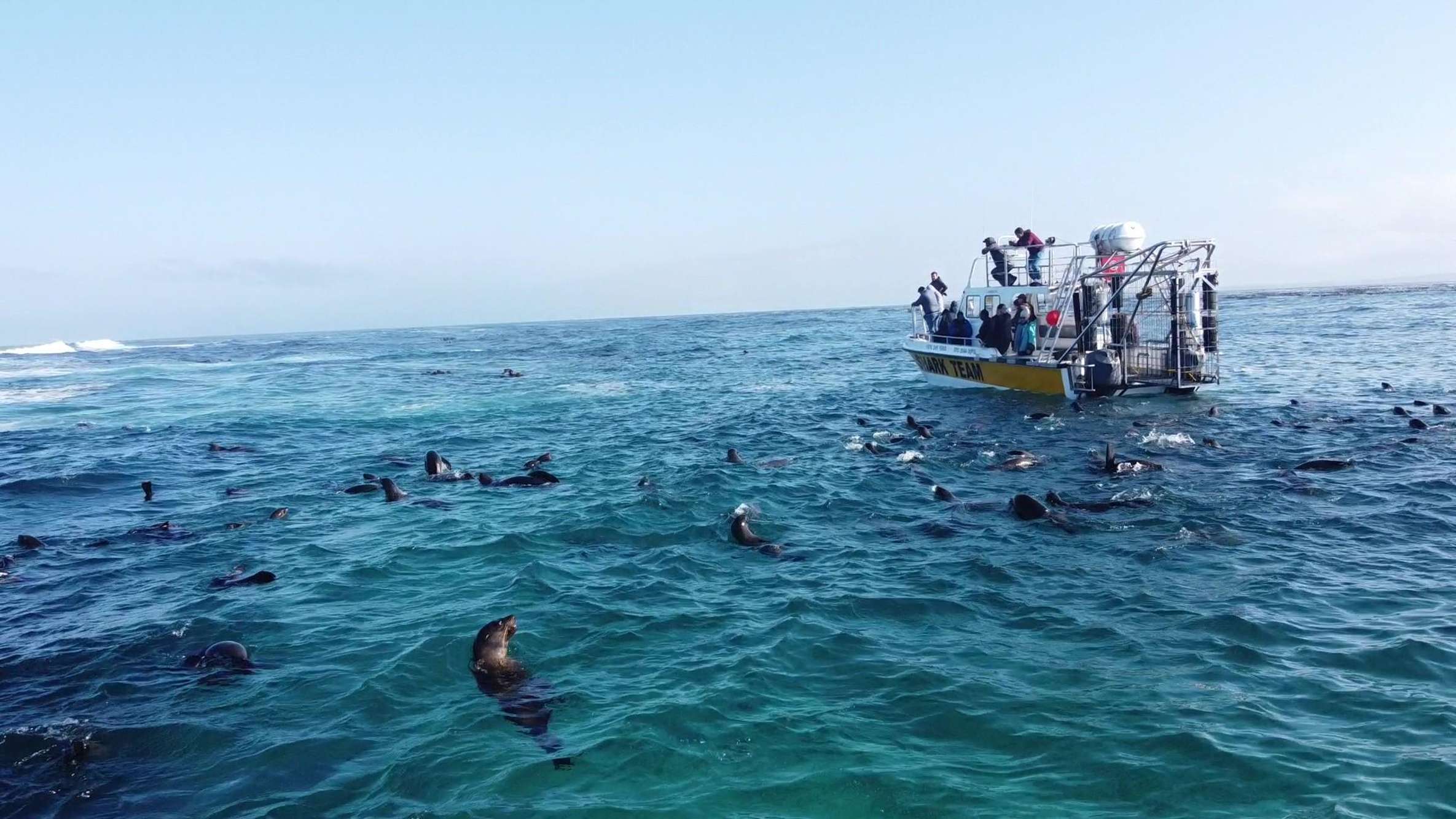
Then it is a short drive to the harbour for roughly three hours at sea in Shark Alley, the channel between Dyer Island and Geyser Rock where tens of thousands of Cape fur seals draw the sharks.
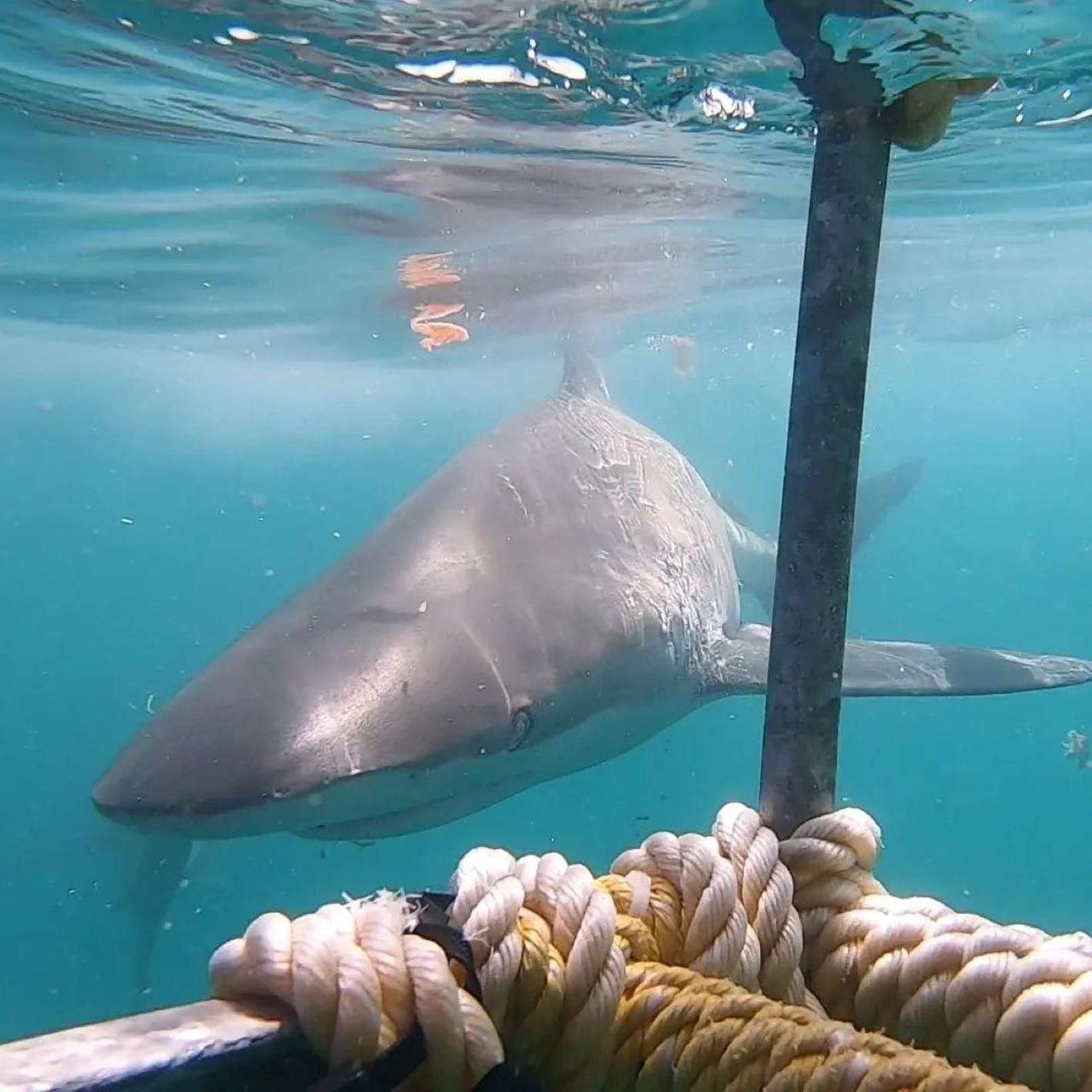
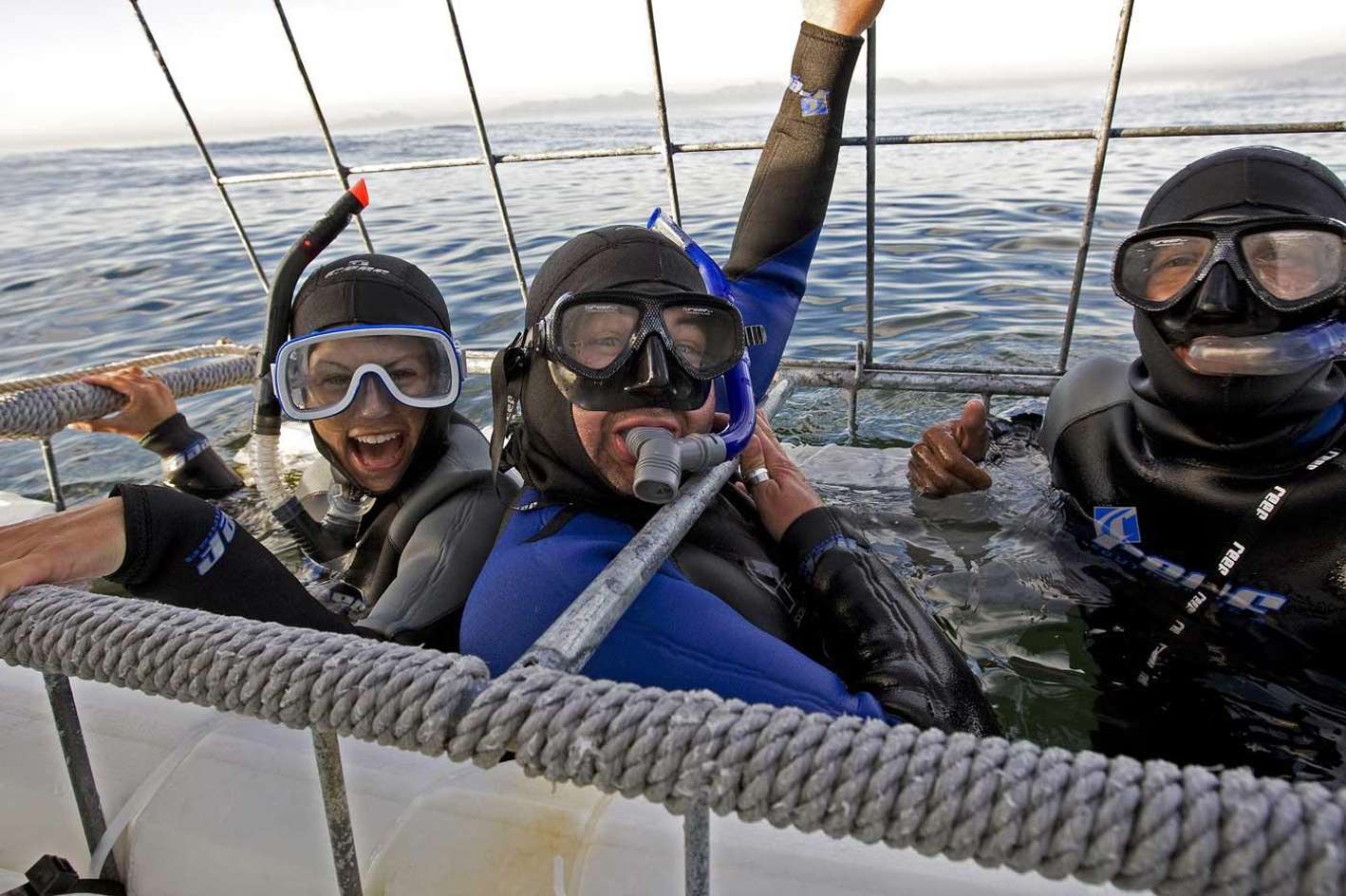
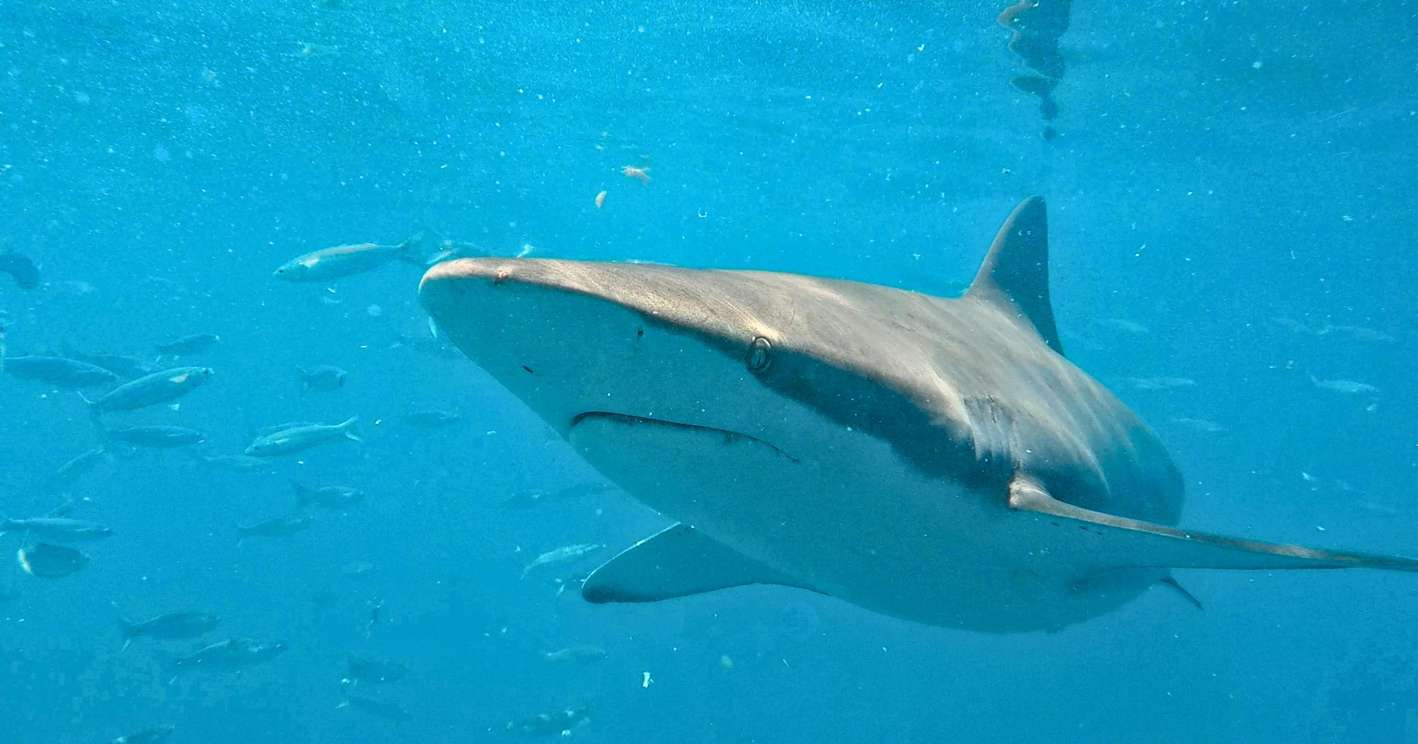
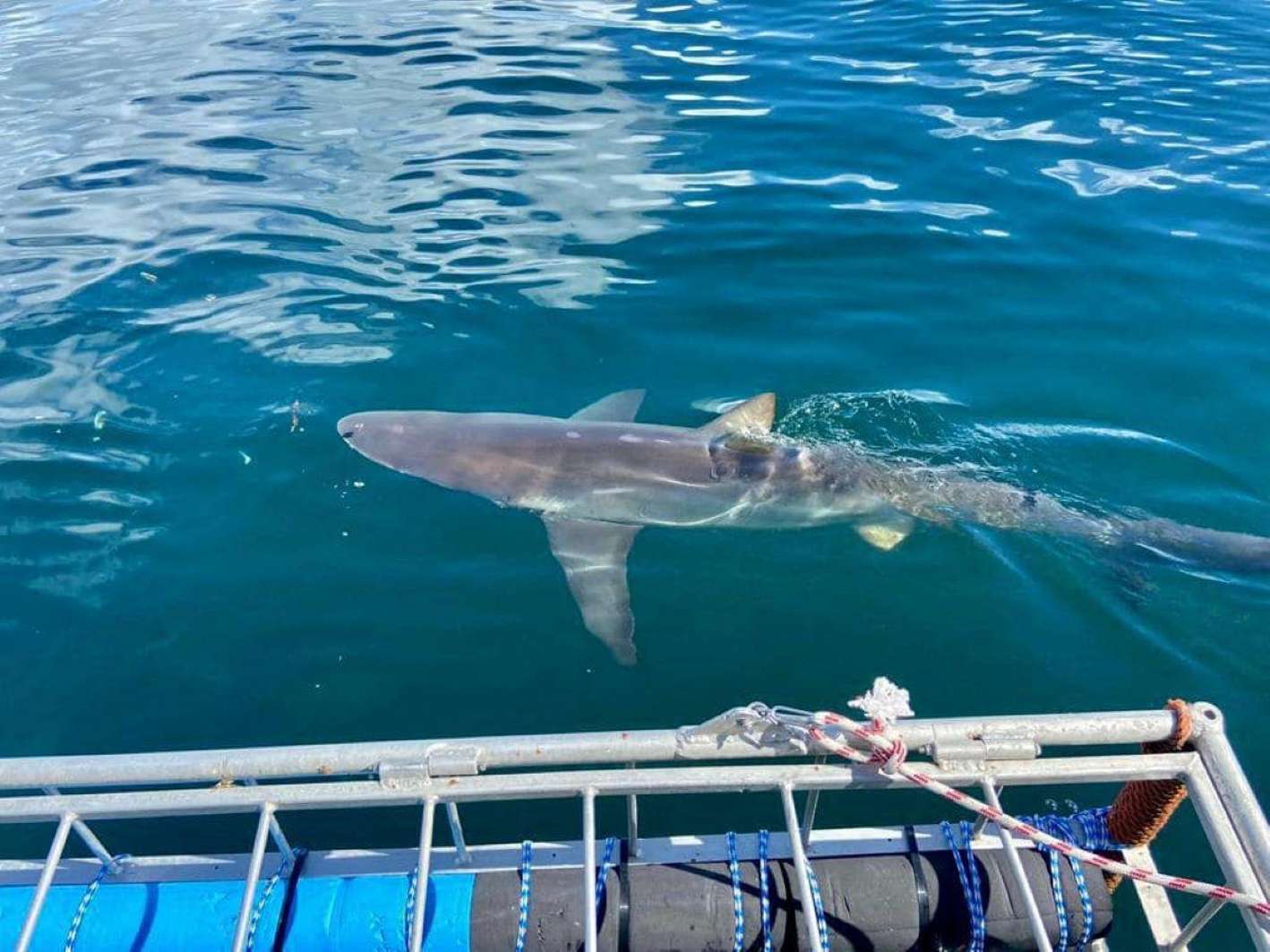
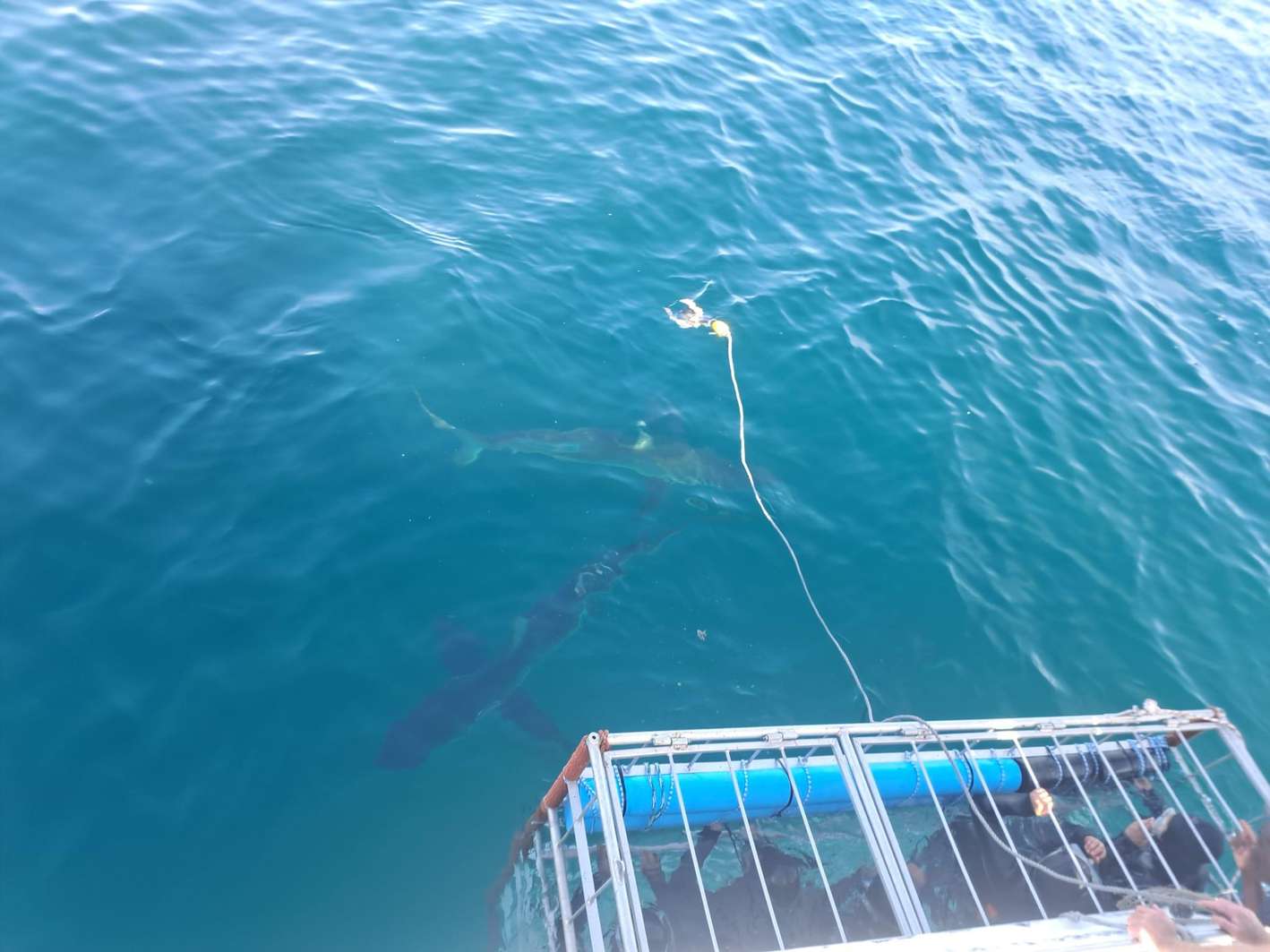
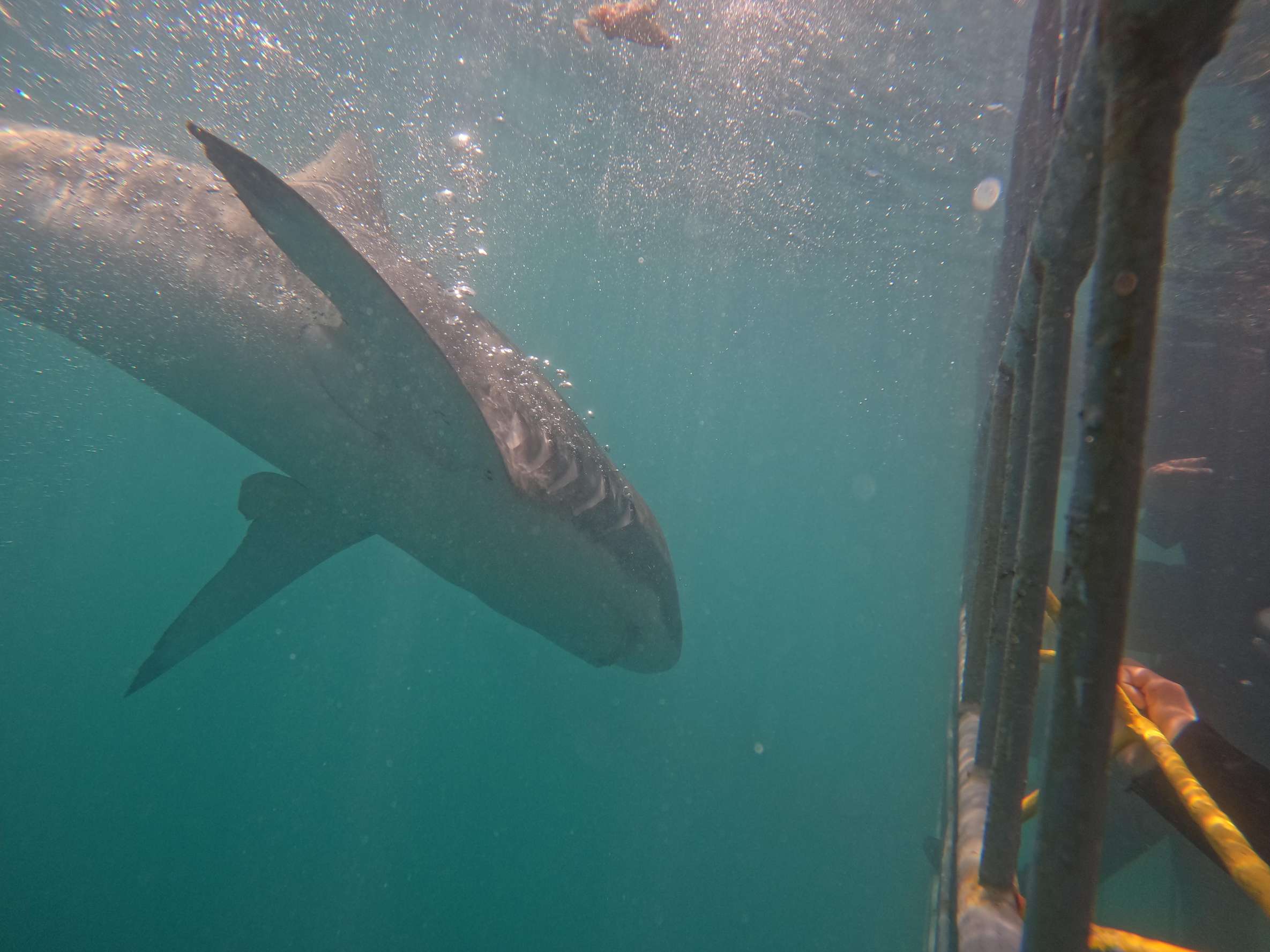
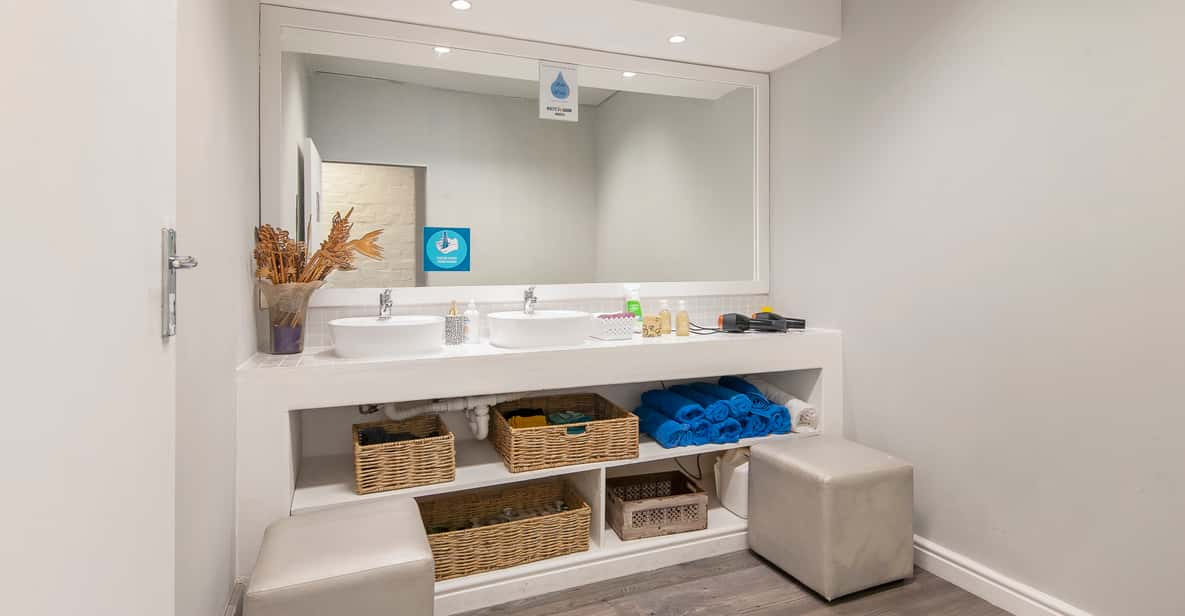
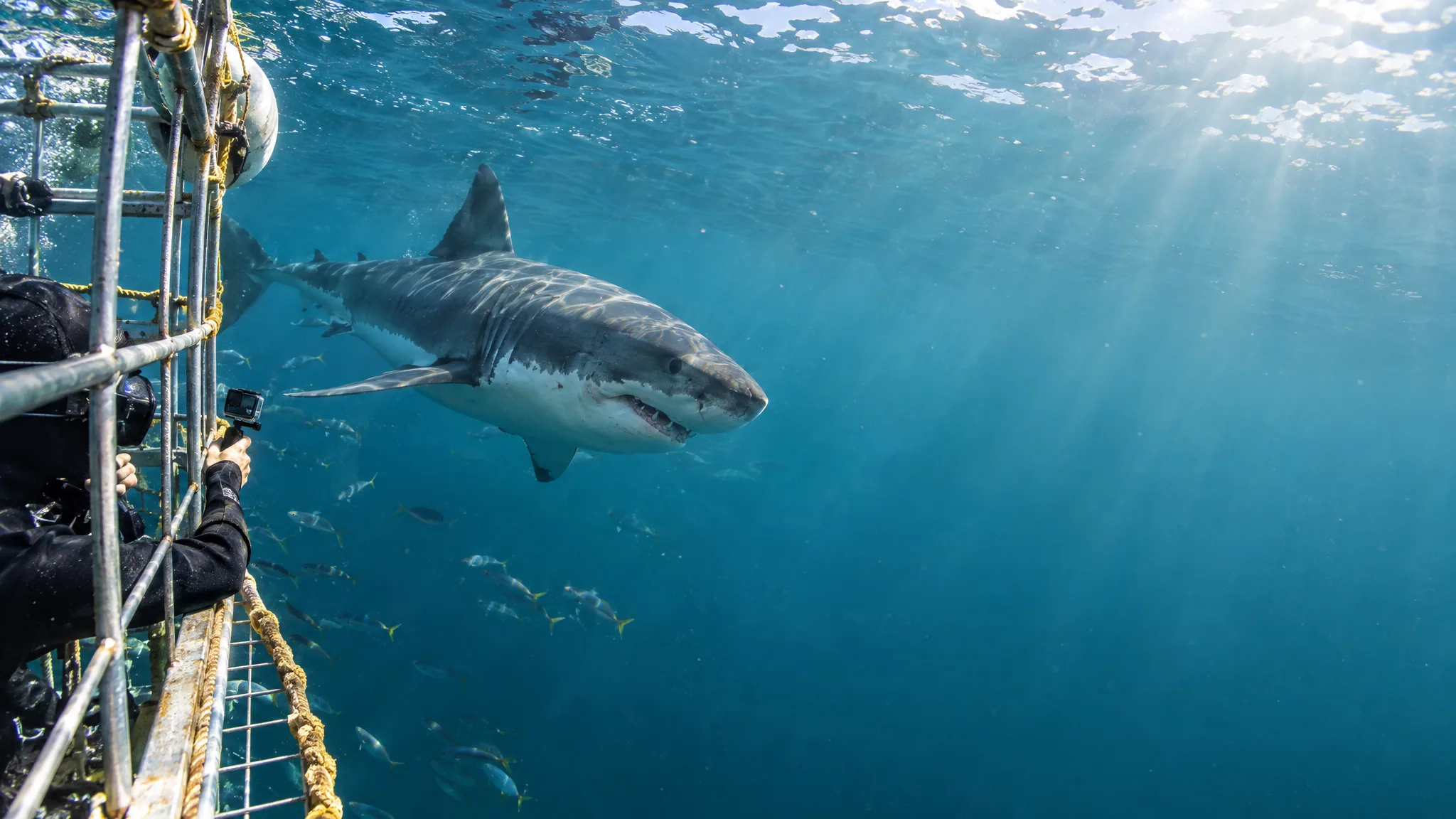
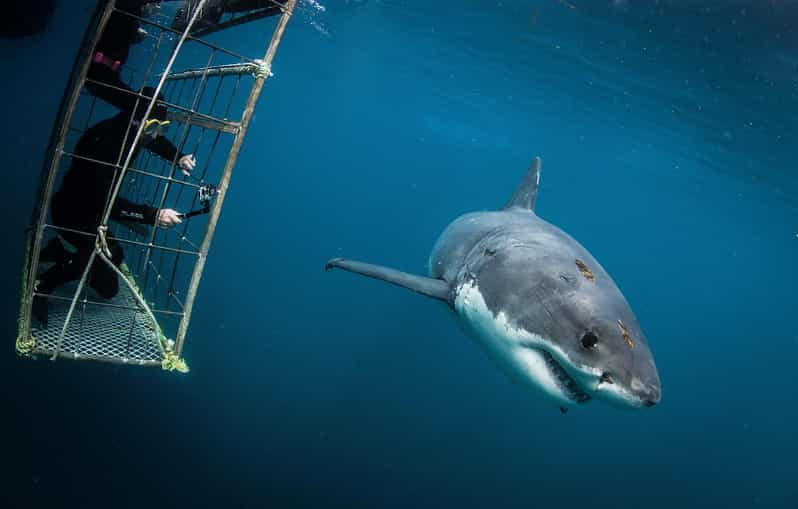
In the water you hold your breath as bronze whalers and sevengill cow sharks cruise past the cage, about 20 minutes a turn with the chance of a second go.
Everyone stays dry can watch just as clearly from the deck. Back on shore there is a light lunch, hot showers and towels, and a dive certificate to take home.
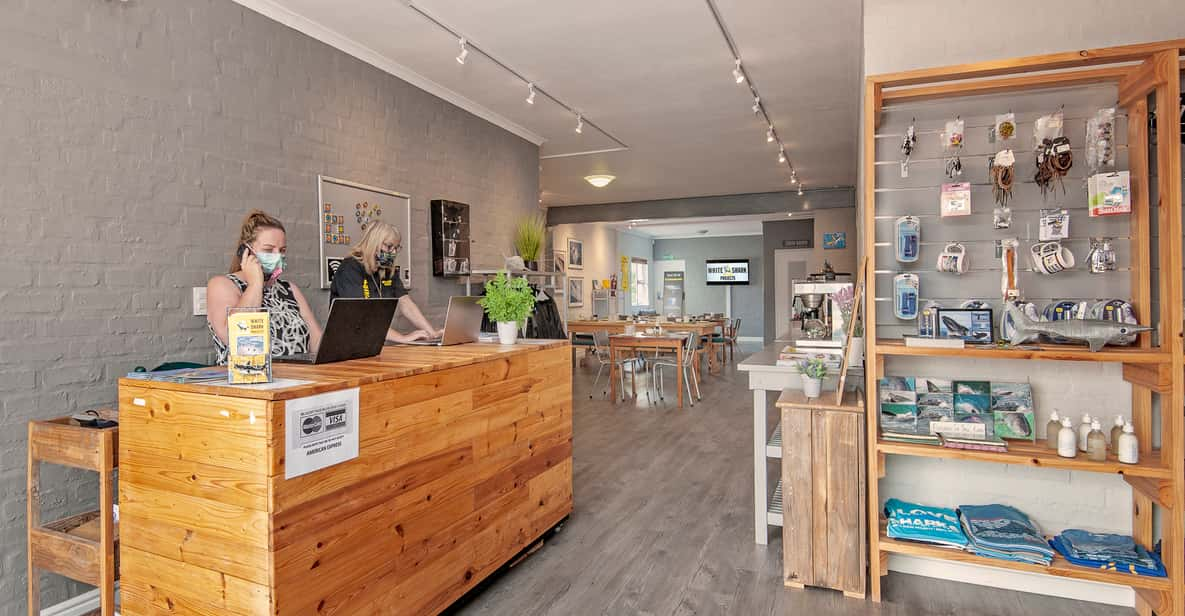
PickupCape Town City CentreWith the hotel pickup option, the crew returns you to your Cape Town accommodation after the trip, about two hours back along the coast.From this tourMeeting pointWHITE SHARK PROJECTSThe day ends back at the Kleinbaai lodge, where drivers who came in their own transport collect their car from the private parking.Stop 3Gans Bay· 255 minContinental breakfast on arrival, then a one-hour safety briefing before the boat leaves Kleinbaai Harbour for Shark Alley, with breakfast, snacks and bottled water included at sea.Drop-off2 places, depending on your optionWith the hotel pickup option, the crew returns you to your Cape Town accommodation after the trip, about two hours back along the coast.From this tour
Included
Shark cage diving experienceContinental breakfast on arrivalMarine biologist briefing and expert insight throughout the experienceApproximately 3-hour boat tripOnboard snacks and bottled waterCage dive ±20 minutes, with opportunity for a second dive
Not included
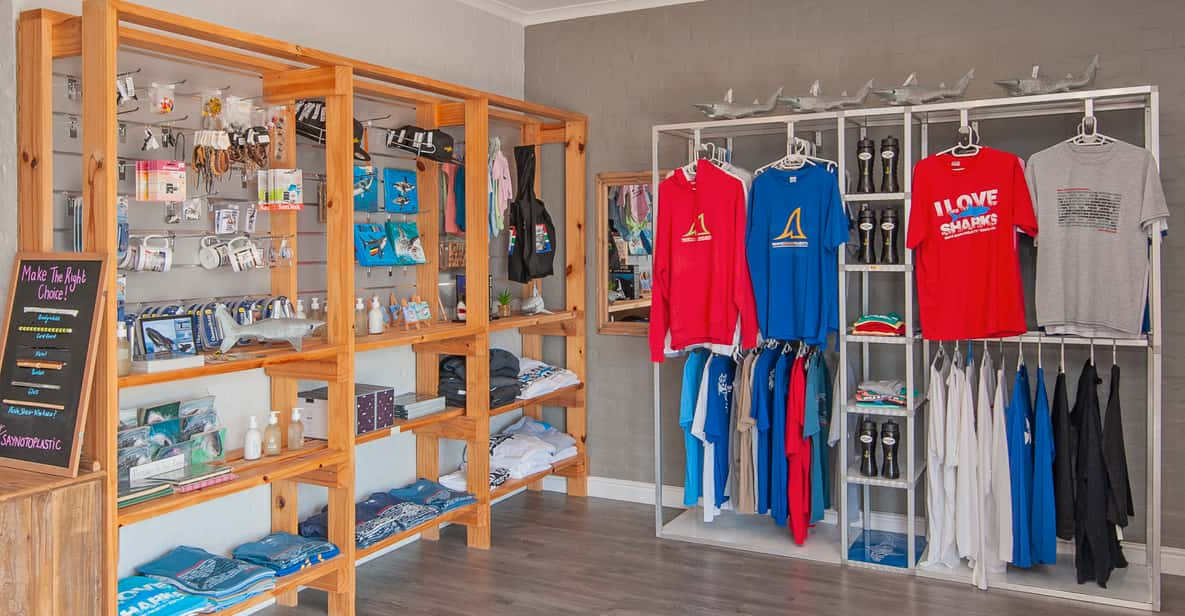
Retail merchandise available for purchaseSea sickness medication (guests are advised to bring their own if required)Professional trip video and photos available for purchase (R350)
Choose the first days of your Cape Town stay for the dive. Sea conditions cancel boats here, so an early date leaves spare days for rescheduling.
Pro tipMorning launches run in calmer seas with clearer water before the afternoon wind picks up, so take the earliest slot you can
RecommendedIf your first choice day is cancelled, the operator moves you to another day at no charge, or you get a full refund when you cancel up to 24 hours ahead
2. Choose the option that suits you
Decide between a meeting point ticket and one with hotel pickup and drop-off. The meeting point version runs shorter, since it skips the transfer, and you drive yourself to Kleinbaai.
Pro tipSelf-driving from Cape Town takes about 2 hours and from Hermanus about 45 minutes, and Hermanus and Stanford on the way are handy stops for fuel and coffee
Common mistakeBooking hotel pickup on a day you land from a morning flight, when the exact collection time is still unknown to you
3. Wait for the exact start time
Tides and collection schedules set the final departure time, and the operator confirms it the afternoon before your trip. Expect a message the day before and keep your phone reachable.
ImportantCollection times are only confirmed at 4 pm on the day before the tour, so leave that evening free and check for the message
4. Check your voucher and documents
Your voucher arrives by email after payment and shows the meeting point or pickup arrangement for your option. Keep it on your phone, and note the child policy if you travel with kids.
ImportantChildren under 6 are not allowed on the boat because the trip spends 3 to 4 hours at sea; the operator offers babysitting at an extra charge
Pro tipA shark sighting counts as a successful trip, and some operators hand out a voucher or a free place on another day when no sharks show up
5. Get ready the night before
Pack your swimsuit, a warm jacket, a towel and sun protection, and eat a light, plain meal. The crew supplies the wetsuit, mask, boots, hood and weight belt, plus breakfast on arrival.
RecommendedTake seasickness tablets the night before and again early in the morning, since the tablets need time to work before you board
Common mistakeLeaving the swimsuit in your bag and trying to change on a moving boat; wear it under your clothes from the start
Most reviewers praise the crews, saying knowledgeable guides explained shark behaviour and kept nervous divers reassured.
Best surprise
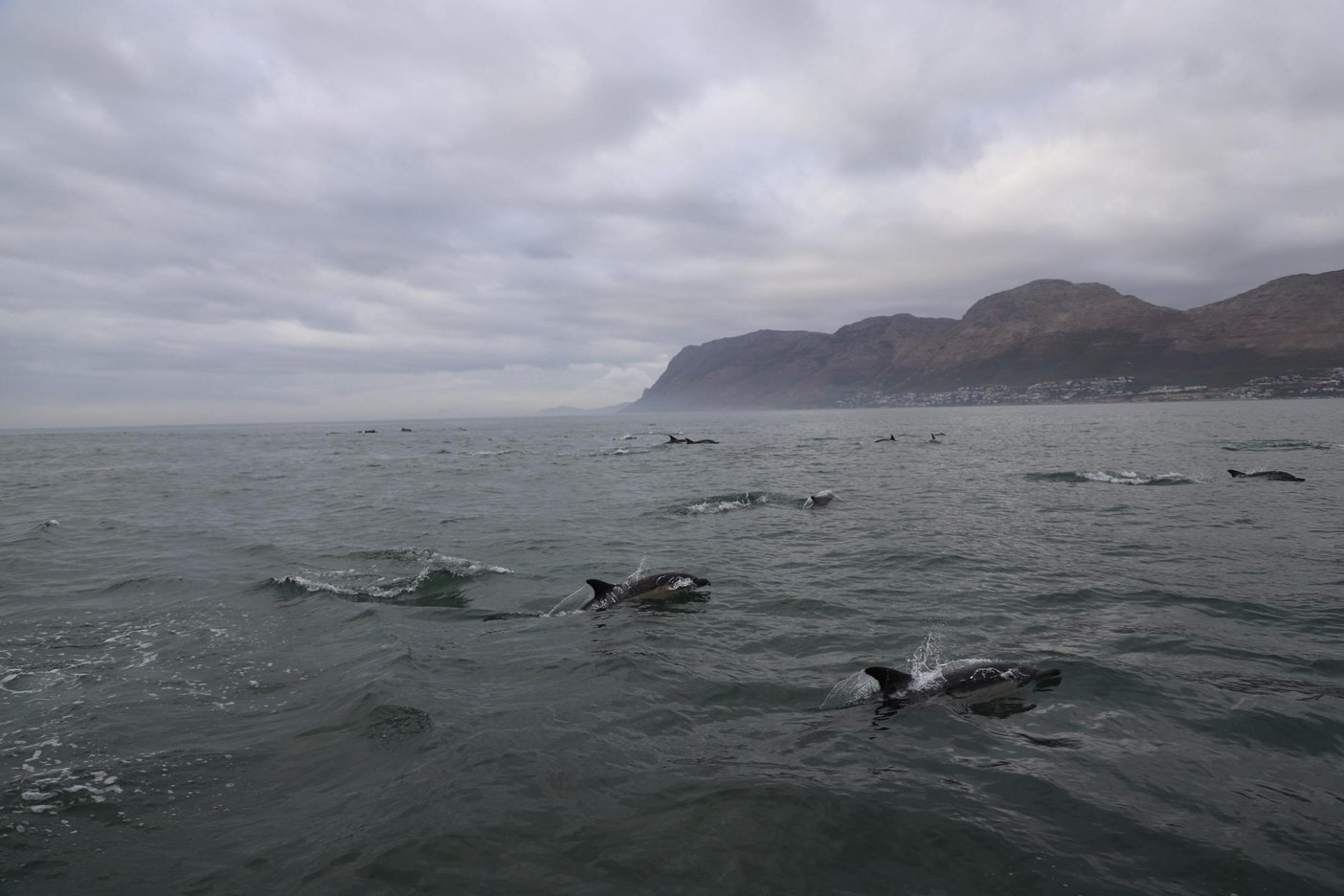
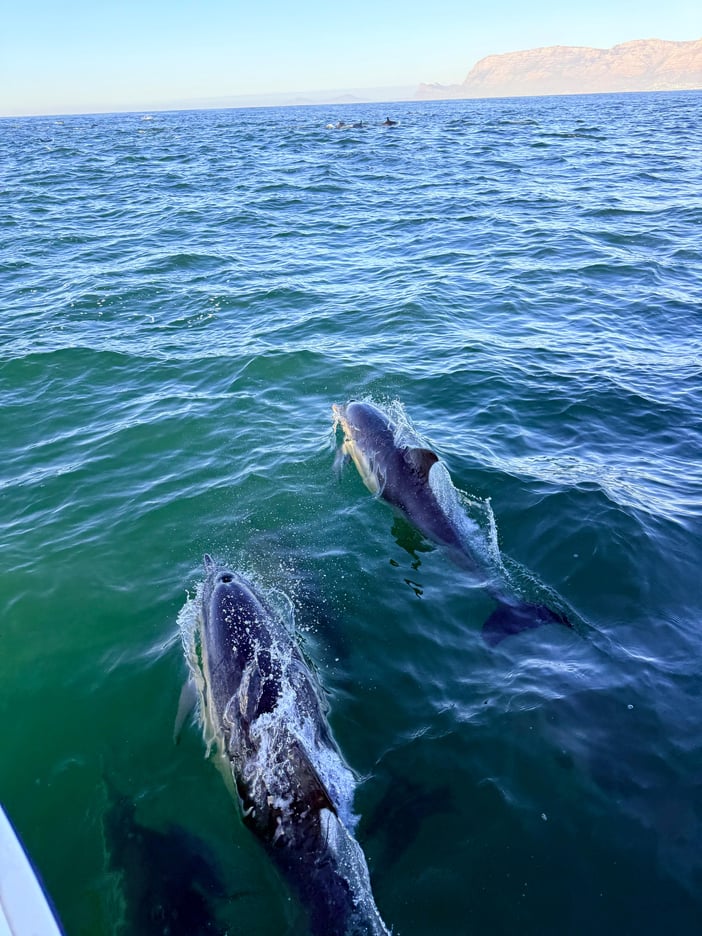
Many loved the extra wildlife they did not expect, from megapods of dolphins to orcas, seals and stingrays.
Most common wish
Several wished they had more time in the cage, and some wanted steadier water than the swell allowed.
Sharks cage diving at shark Alley, straight from Gansbaai
wear your swimsuit under your clothes, you change on board
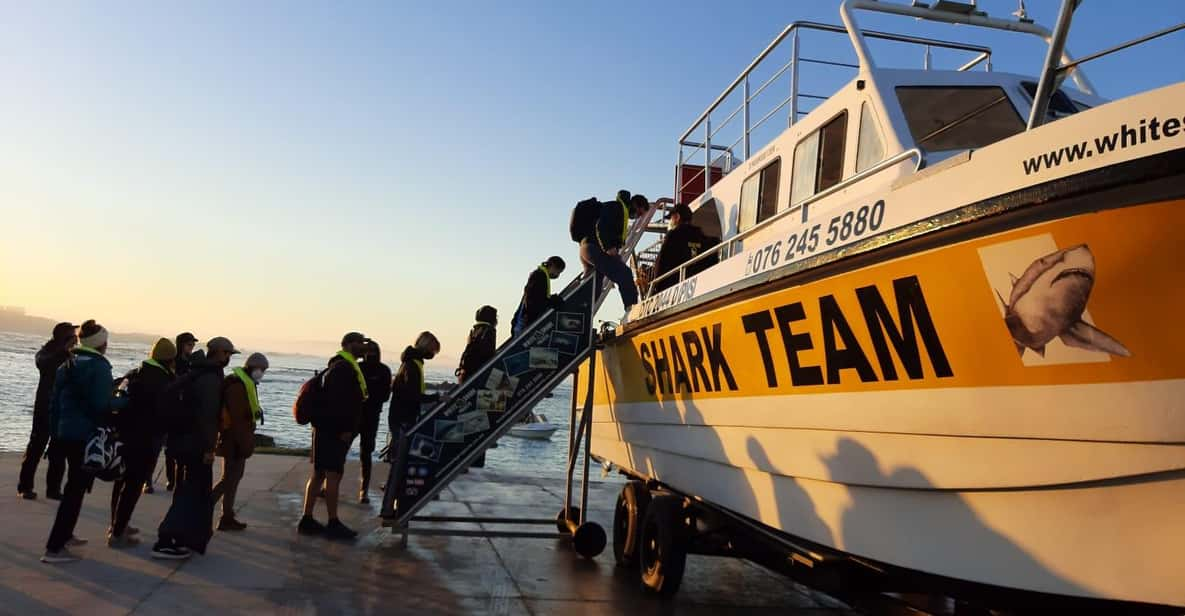
This full-day cruise pairs its dive with more than the cage: a marine biologist briefs you before you board and stays with you through the trip, and afterwards you visit the African Penguin and Seabird Sanctuary at no extra cost.
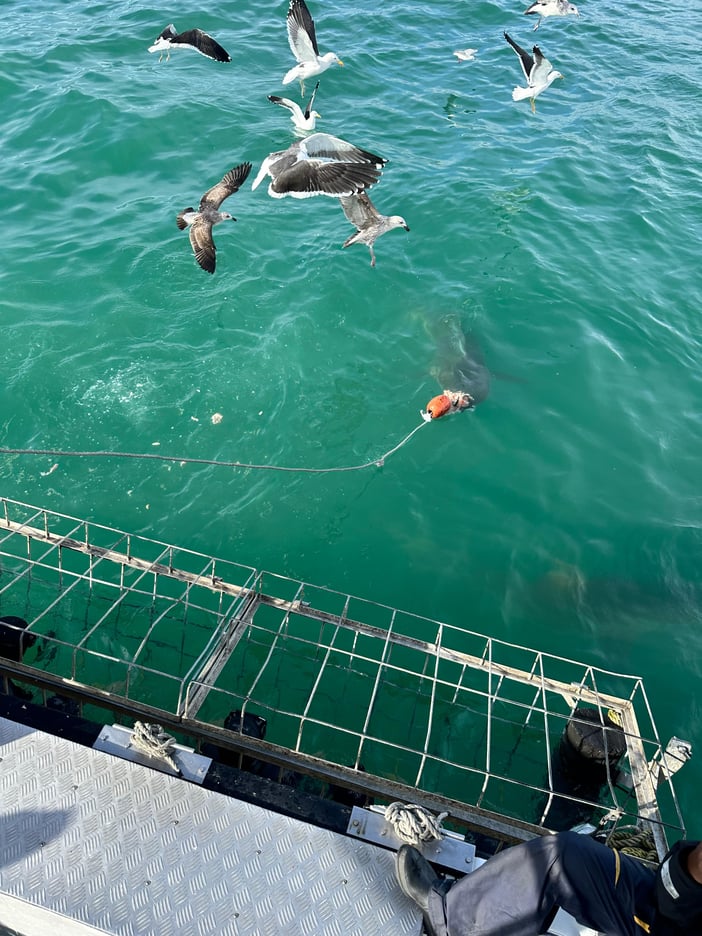
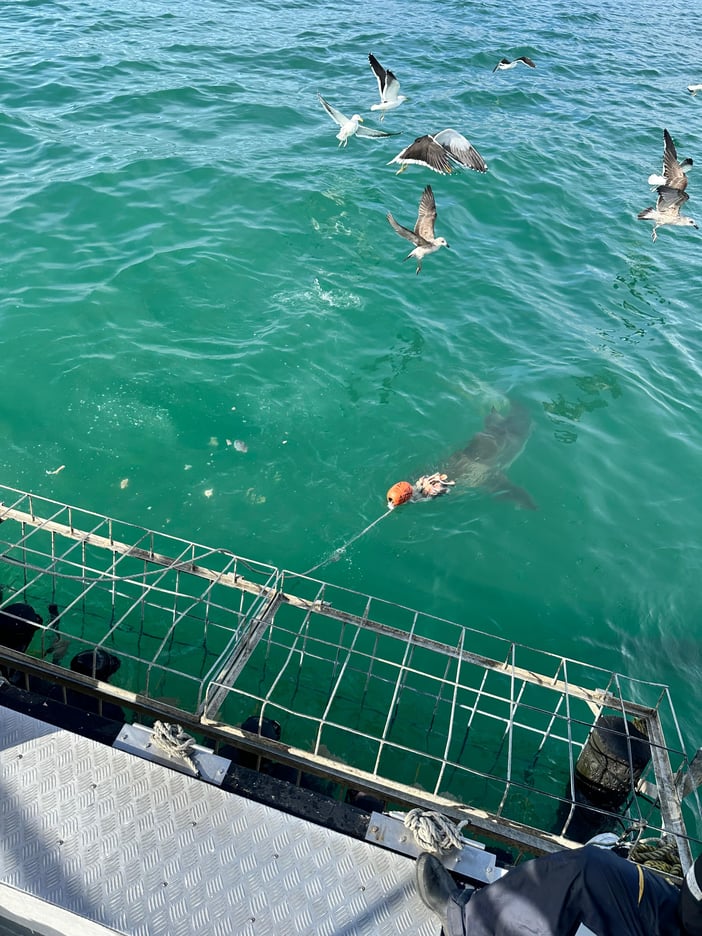
Out at Shark Alley, the channel between Dyer Island and the Geyser Rock seal colony, bronze whaler sharks and broadnose sevengills cruise the chum line while you watch from the deck or hold your breath at the cage bars.
It suits travelers who want the transfer, breakfast, lunch and sanctuary stop handled in one booking, rather than arranging each piece from Cape Town themselves.
Dive the famous Shark AlleyThe boat anchors in the channel beside Geyser Rock, where tens of thousands of Cape fur seals keep the sharks close.
Rated 4.6 by 375 diversBreakfast or lunch on arrival, snacks and drinks on board, all dive gear, and a marine biologist guiding the day.
Bad weather won't cost youIf the sea cancels your trip, you choose a full refund or move your dive to another day, up to 24 hours ahead.
Mornings launch earliest for the calmest seas, so pick a date and hold it free with cancellation up to 24 hours before.
wetsuits provided, 5 or 7 mm, bring only a swimsuit
Can stop the dayGood to knowGood news
01
ChoosingWhat it is, who it suits, when to go
7
Meeting point
Tours from Cape Town and Hermanus that include transport collect you at your accommodation. If you book the self-drive option, you meet the operator at its office or at Kleinbaai Harbour; there is private parking on site.
Pickup times
The exact collection time is confirmed the afternoon before your trip, because tides and collection routes set the schedule. Pickups from Cape Town can start between 3:30 am and 5:15 am to reach the morning launch.
Booking lead
Put the dive early in your Cape Town stay. Sea conditions can force a reschedule, and booking your first or second day leaves room to move the trip without losing it. Some travelers hold two possible days as backup.
Certification
No scuba certification or dive experience is needed. South African cages sit at the surface, so you hold your breath as a shark passes or breathe through a snorkel, and some operators supply surface-fed air lines.
Swimming
You stay in the cage at the waterline and can usually kneel on its floor, so strong swimming is not asked of you. Some comfort in choppy water matters, because the swell pulls at you at the surface.
Turns in cage
Cages hold four to six divers at a time and groups rotate. Each turn runs about 20 to 30 minutes, and most guests get a second go when conditions allow. While you wait, you watch from the deck, which often gives just as clear a view.
Seasickness
Take tablets the night before and again about an hour before boarding, since they work before the swell does. Eat a light, low-fat meal and skip greasy or spicy food. If you feel ill at the anchorage, the crew can help, and you can stay out of the water.
02
BookingHow far ahead, and what happens if plans change
3
Cancellation
Every tour on this page lets you cancel up to 24 hours in advance for a full refund. If the skipper calls off the launch for weather, you get a full refund or a new date.
No sharks
Sharks are wild, so no operator guarantees a sighting. Several cover the dry day: one hands out a return voucher, another lets you join a later trip free of charge, and one counts a shark seen from the deck as a successful trip.
Weather rules
Rain never cancels a trip, because the boats have dry cabins; wind and swell make the call. The skipper checks the marine forecast and confirms or cancels the afternoon before. One operator cancels when winds top 15 to 20 km/h from the southwest or swells pass 3 metres.
03
Before you goPapers, health, what to bring
1
What to bring
Pack light, and the boat covers the rest. You need only:
a swimsuit, worn under your clothes for changing on board
a warm jacket, beanie and sensible shoes for the deck
sunscreen, a hat and sunglasses
a towel
your own seasickness tablets
04
During the tourWhat is expected of you
1
Cameras
The surge can knock a camera out of your hand against the bars, so tether it. Divers who go often use a buoyant hand grip with a wrist lanyard or a two-handed dive tray clipped on with a metal carabiner. Some tours sell footage afterwards.
Shark cage diving in South Africa - the honest guide
skippers make the sea call the afternoon before
Bronze whalers now outnumber great whites off the Cape, and 2025 gave Gansbaai its first shark-free year in three decades. So is the trip still worth it? That depends on what you book, where and when.
Cape Town· 33.92° S, 18.42° E
If you only remember three things
1
Gansbaai is the best all-round site, False Bay the easiest drive at 45 minutes, Mossel Bay the best great white odds.
2
Winter, June to August, brings the clearest water but the biggest swells, so book your earliest day.
3
No scuba licence is needed, but take seasickness tablets the night before and again an hour before sailing.
Is cage diving worth it now the great whites are gone?
The boat ride out of Kleinbaai still smells of fish oil and diesel, and the crew still talks about the seals on Geyser Rock before anyone mentions the shark question.
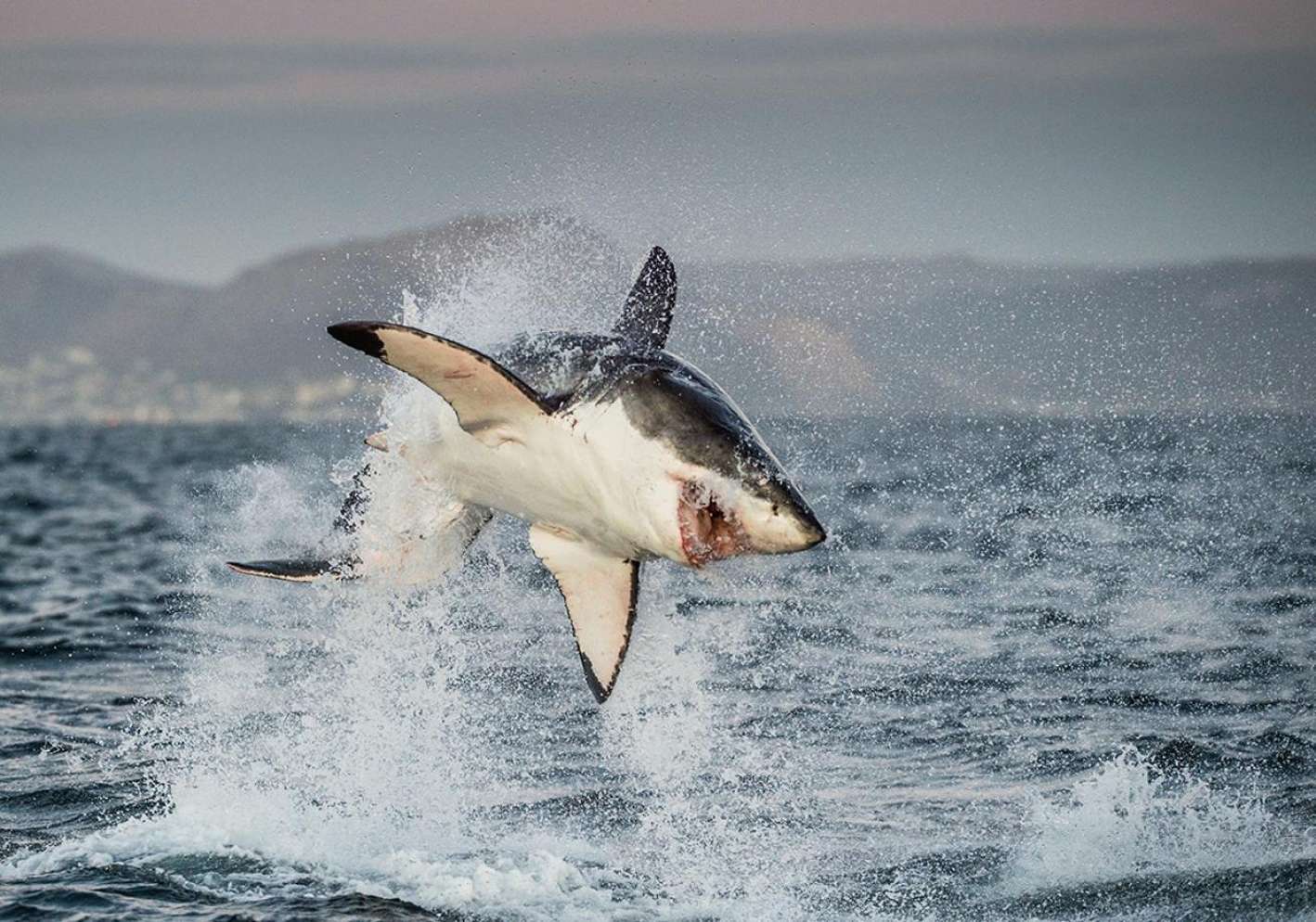
Here is the honest version: orcas have thinned the great white numbers off Cape Town, and sightings in False Bay and Gansbaai now come as occasional events. Gansbaai recorded none at all across the whole of 2025, its first blank year in more than 30 years.
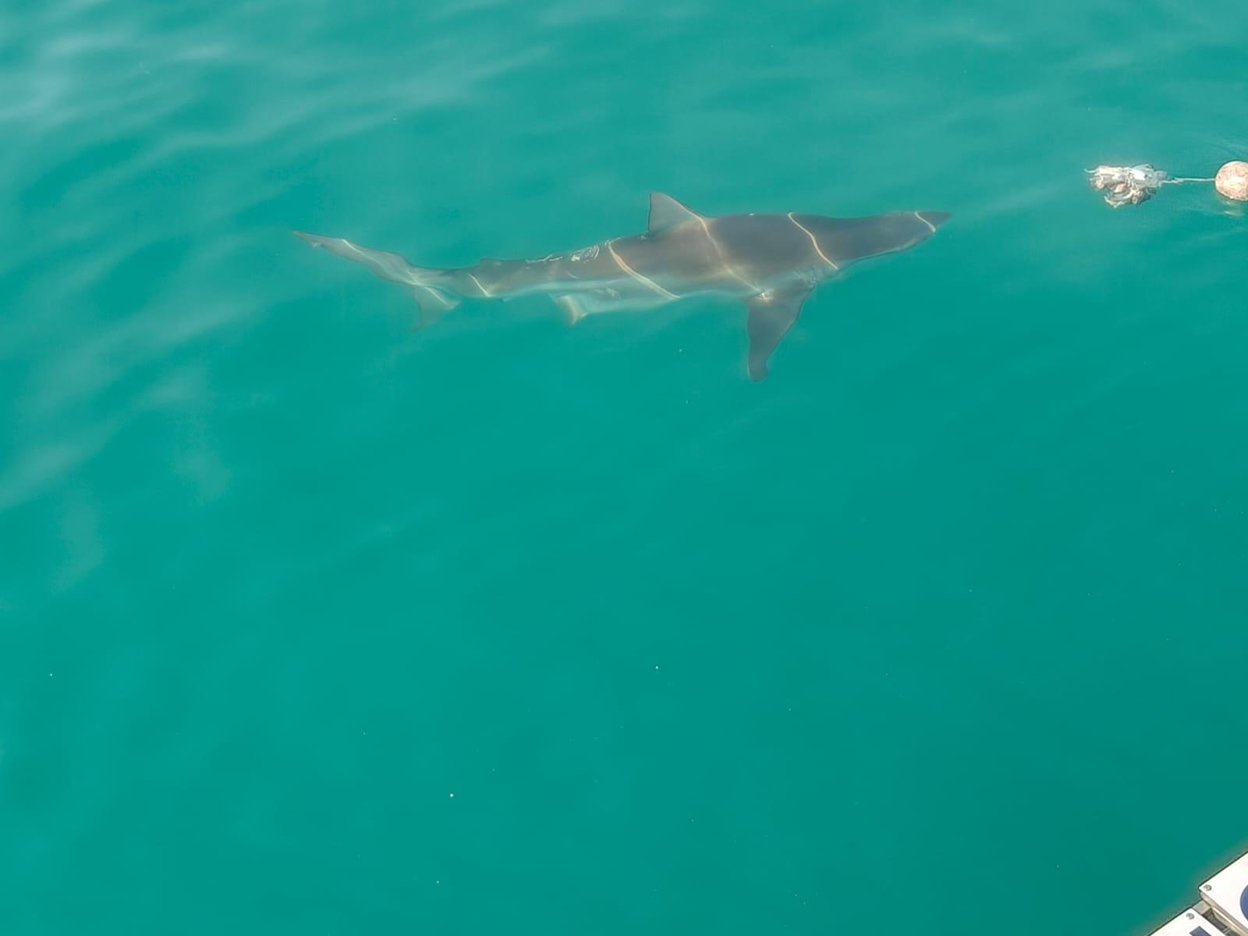
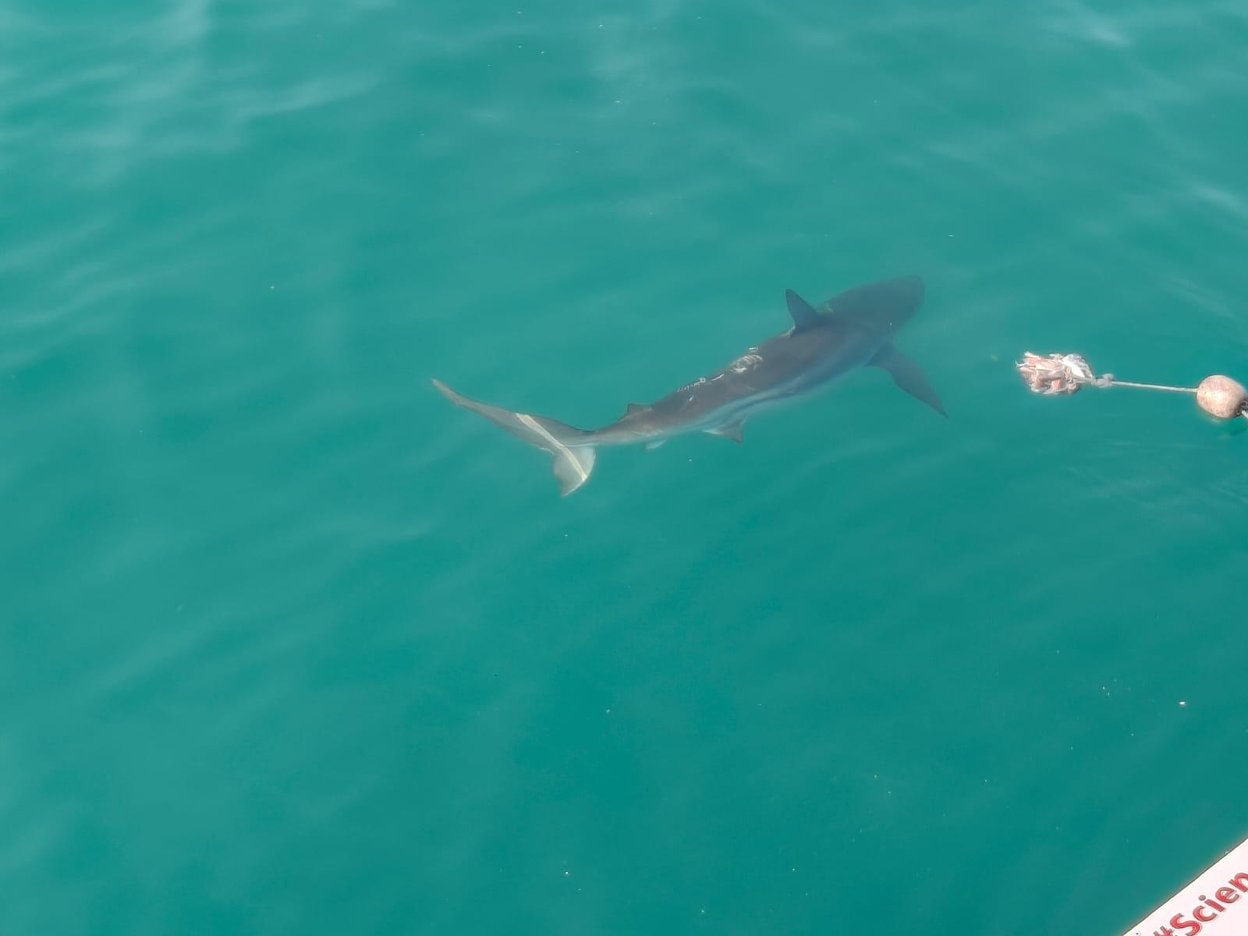
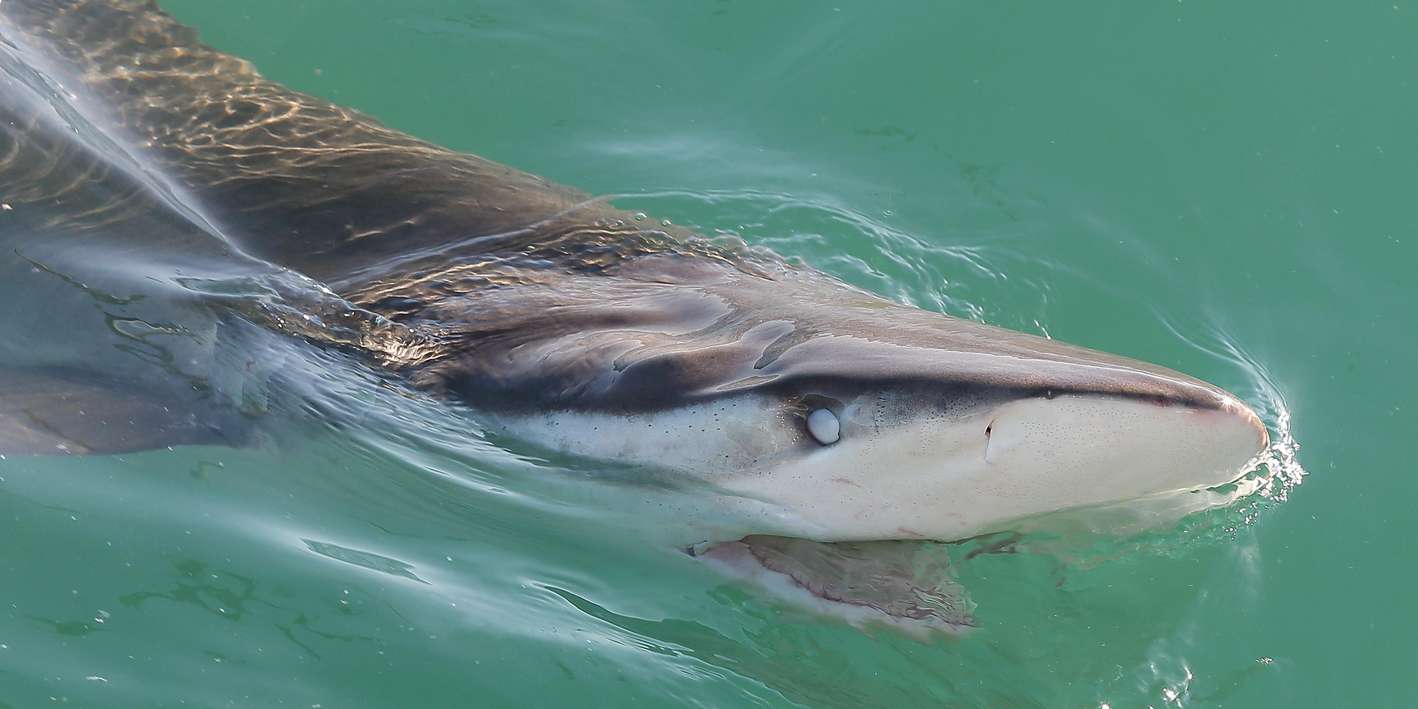
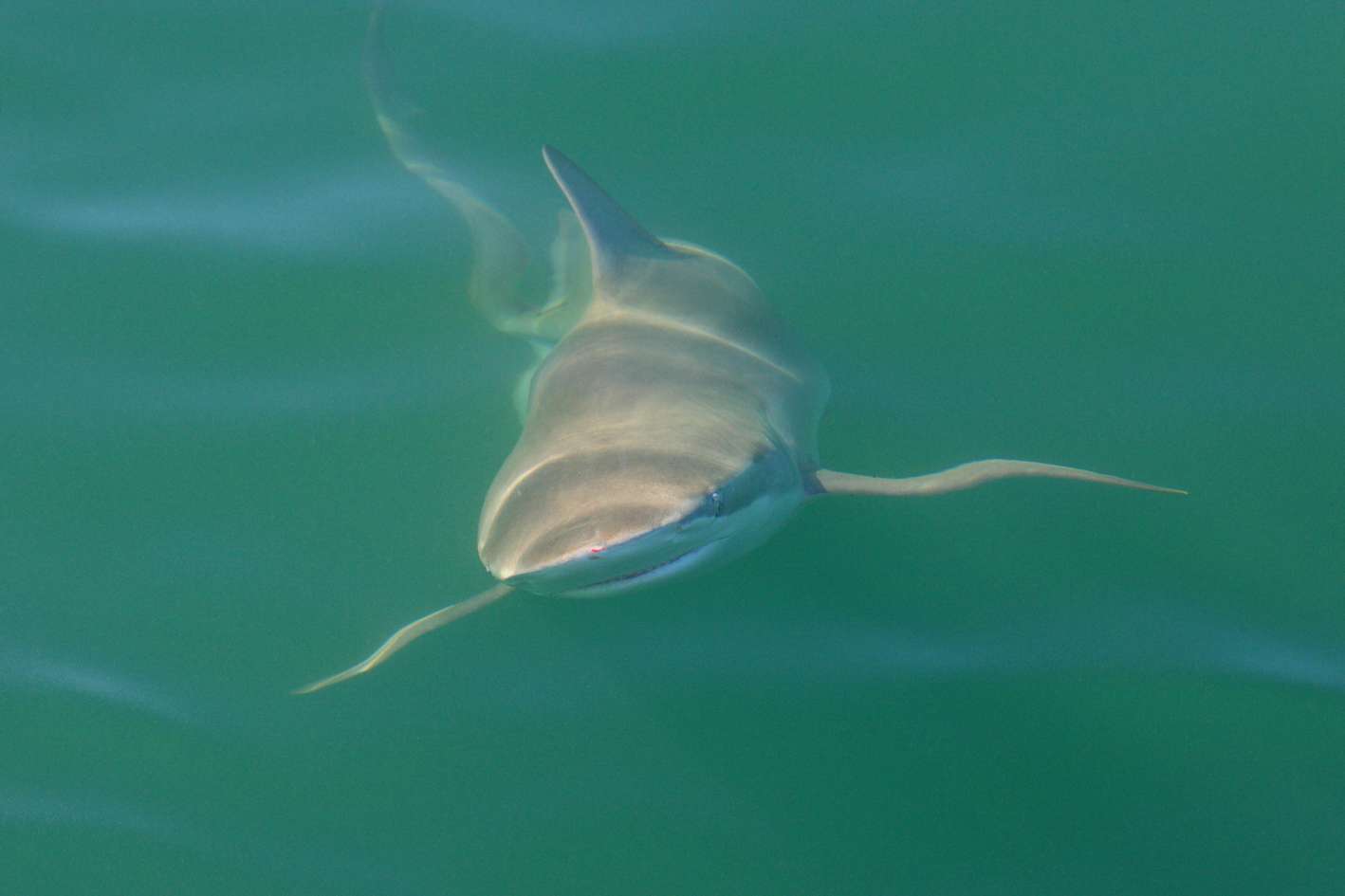
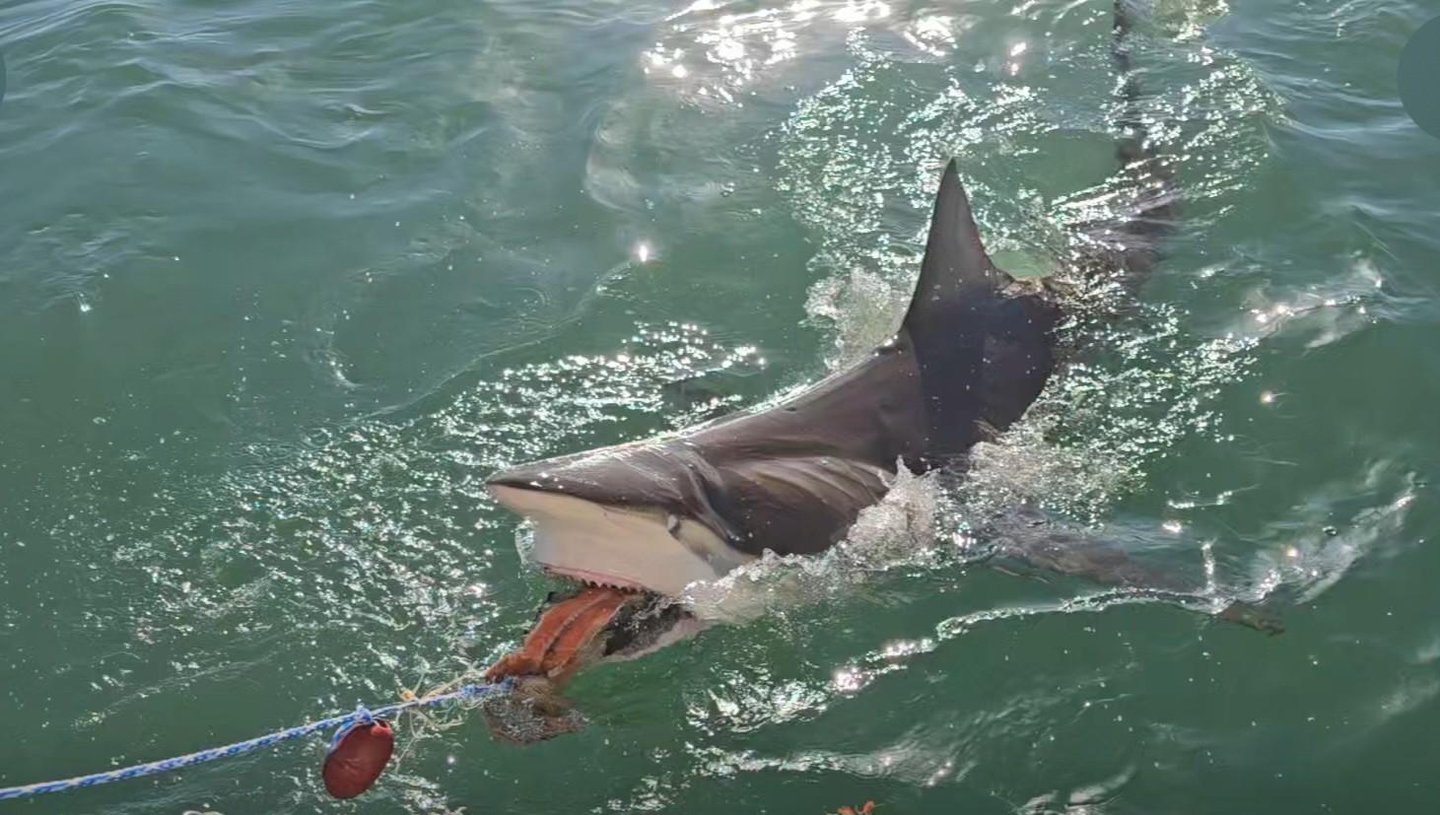
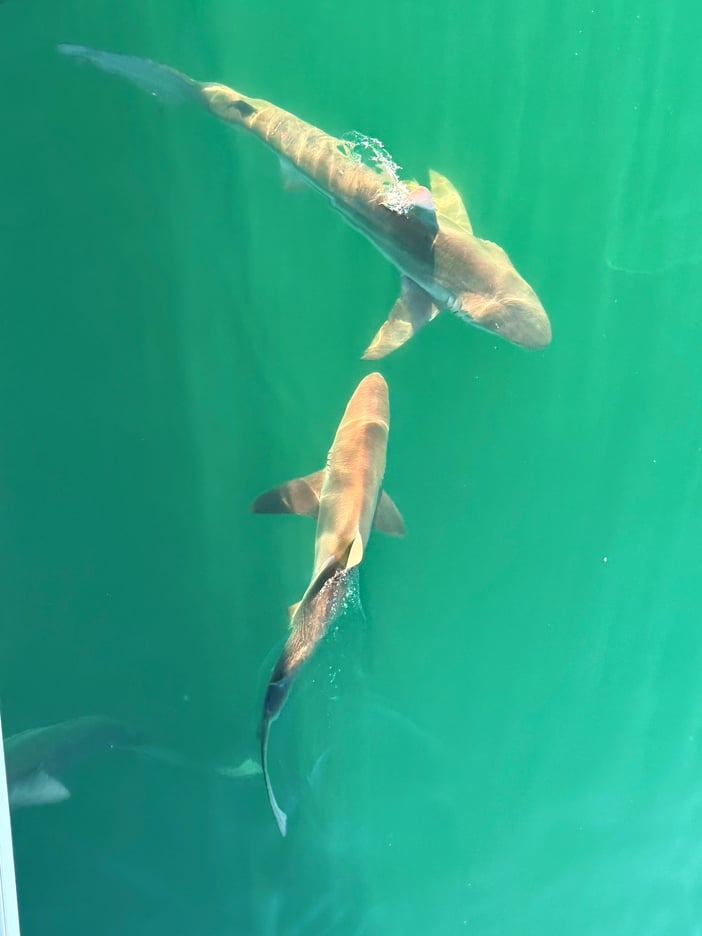
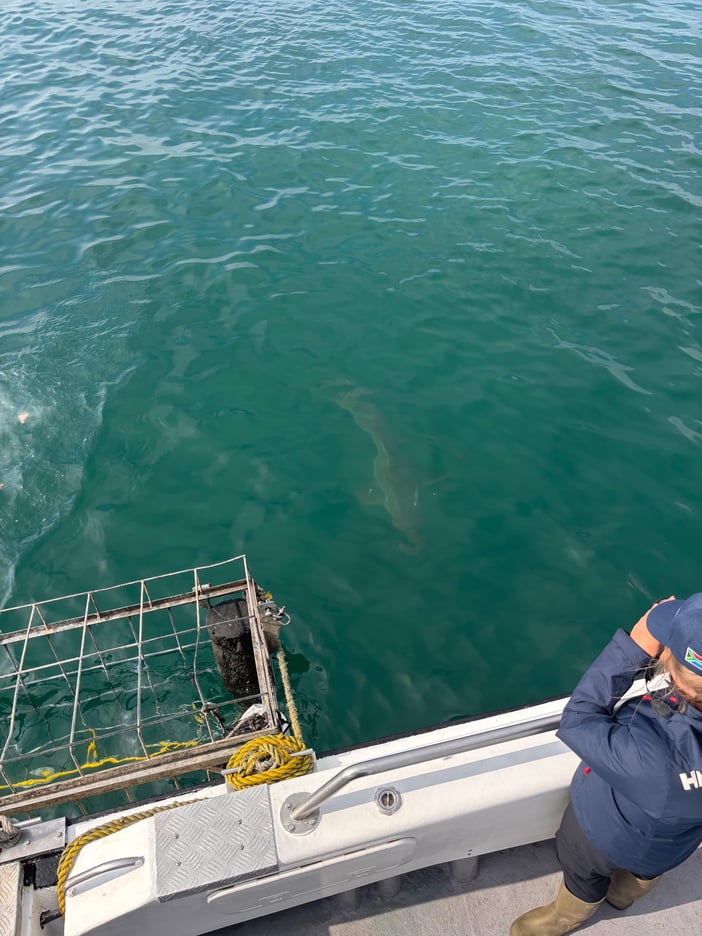
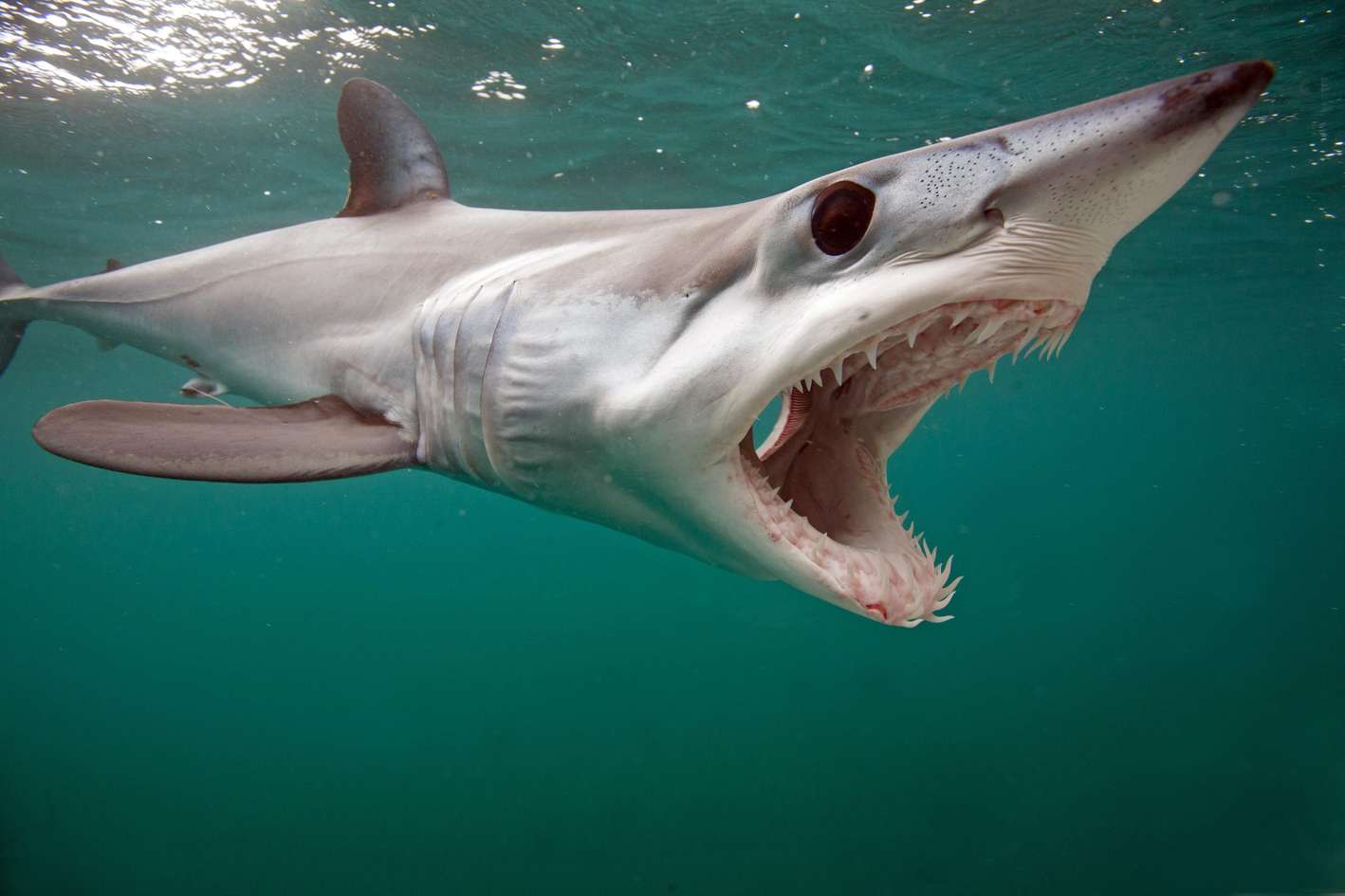
That is not the end of the story. Most southern dives now run on bronze whaler sharks, the copper-coloured sharks that arrive in numbers off Gansbaai and Hermanus, often with sevengill cow sharks, seals and dolphins around the boat. A first-timer who wants close contact with big sharks still gets it.
The trip only disappoints the person who boards expecting a guaranteed apex predator on film. Set the expectation at bronze whalers and anything with a white belly is a bonus.
The assumptions that trip people up
MythEvery tour guarantees a great white
Reality
No operator can guarantee any wild sighting, and great whites appear only seasonally, if at all
MythCage diving means feeding sharks
Reality
Feeding is banned by law; boats use a scent trail of fish oil, and bait is pulled away as a shark arrives
MythYou need dive credentials
Reality
No certification is required anywhere in South Africa for a surface cage
Hold those three lines up against any tour you are considering, because each one changes what a good day looks like.
Tour for this
From Hermanus or Cape Town: Shark Cage Diving Experience4.7★ (903) · 4.5 - 8 hours · Hotel pickup · Free cancellation
At the anchor point, usually in the channel behind Geyser Rock, the engine cuts and the swell takes over the sound.
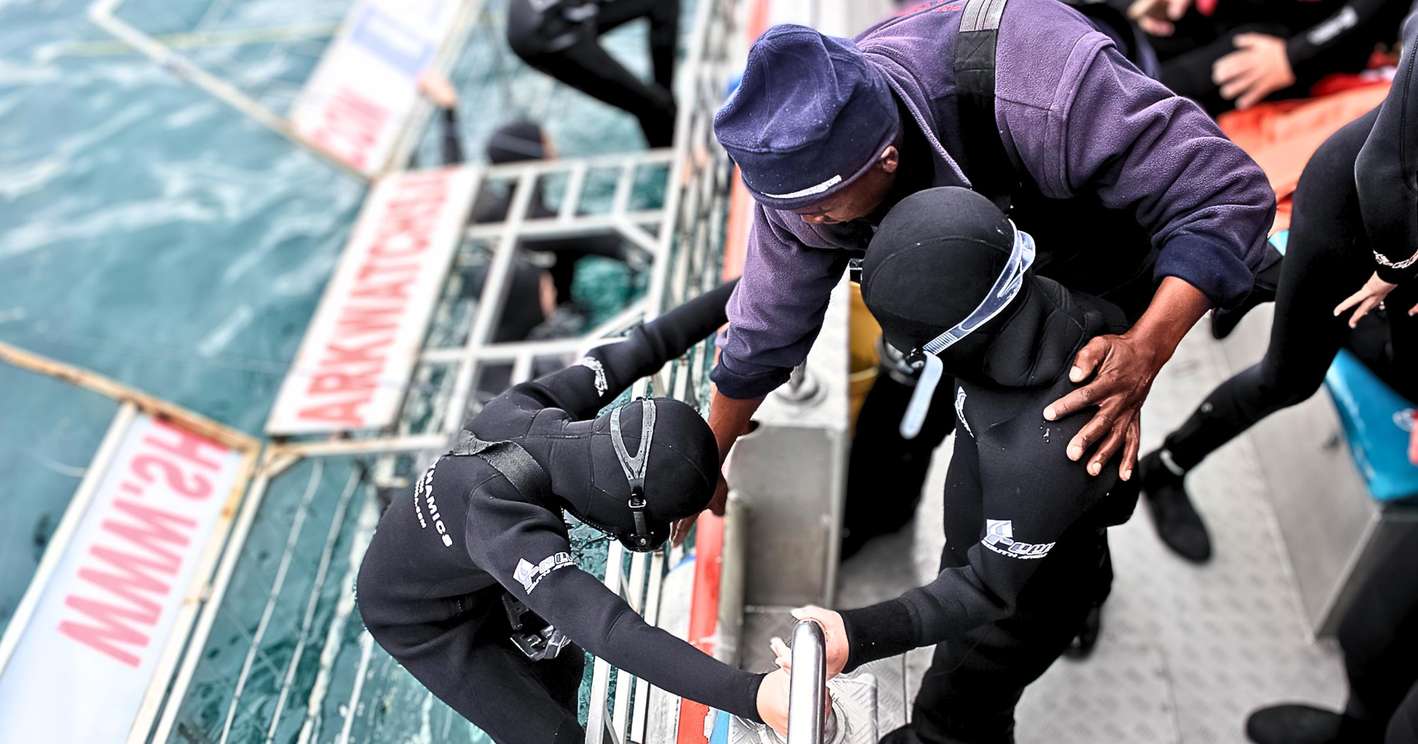
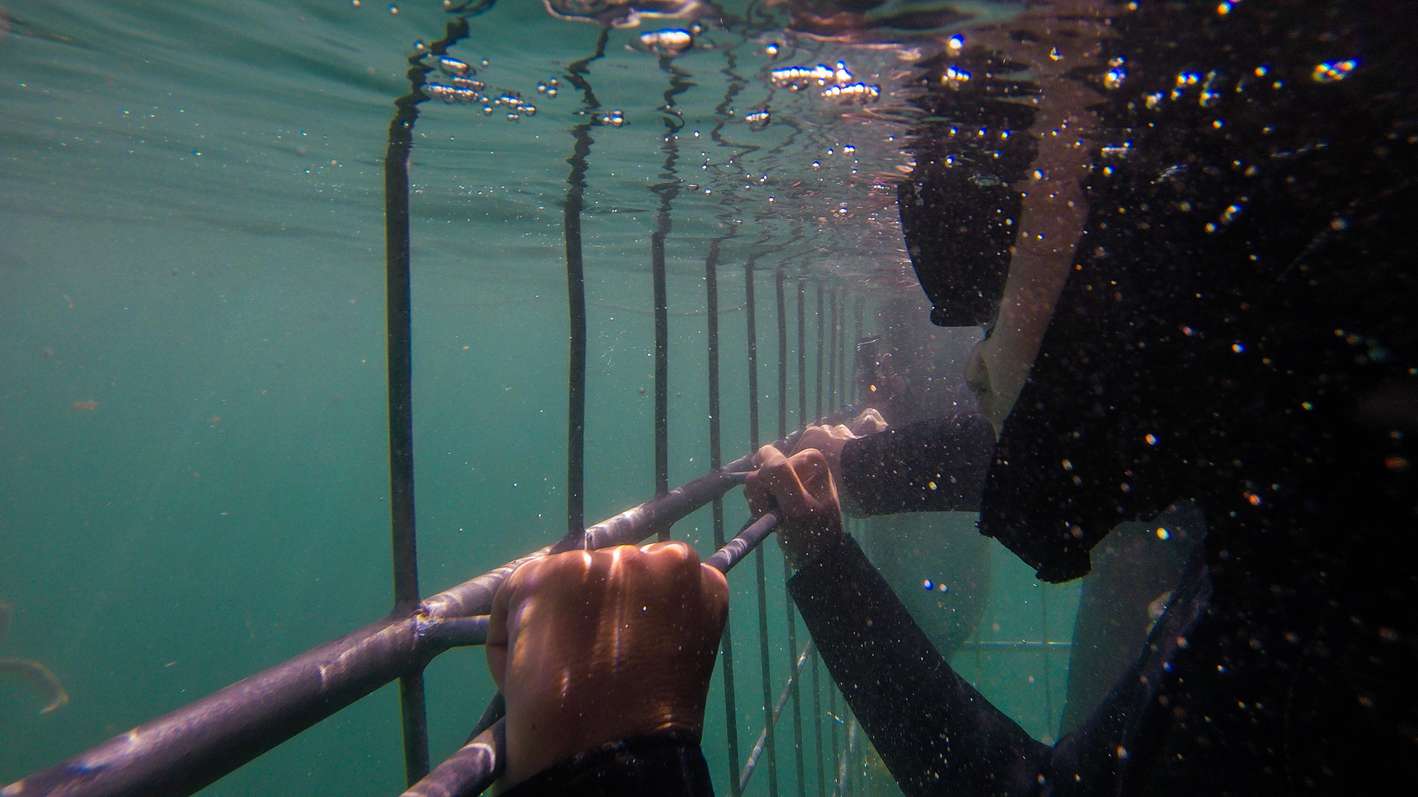
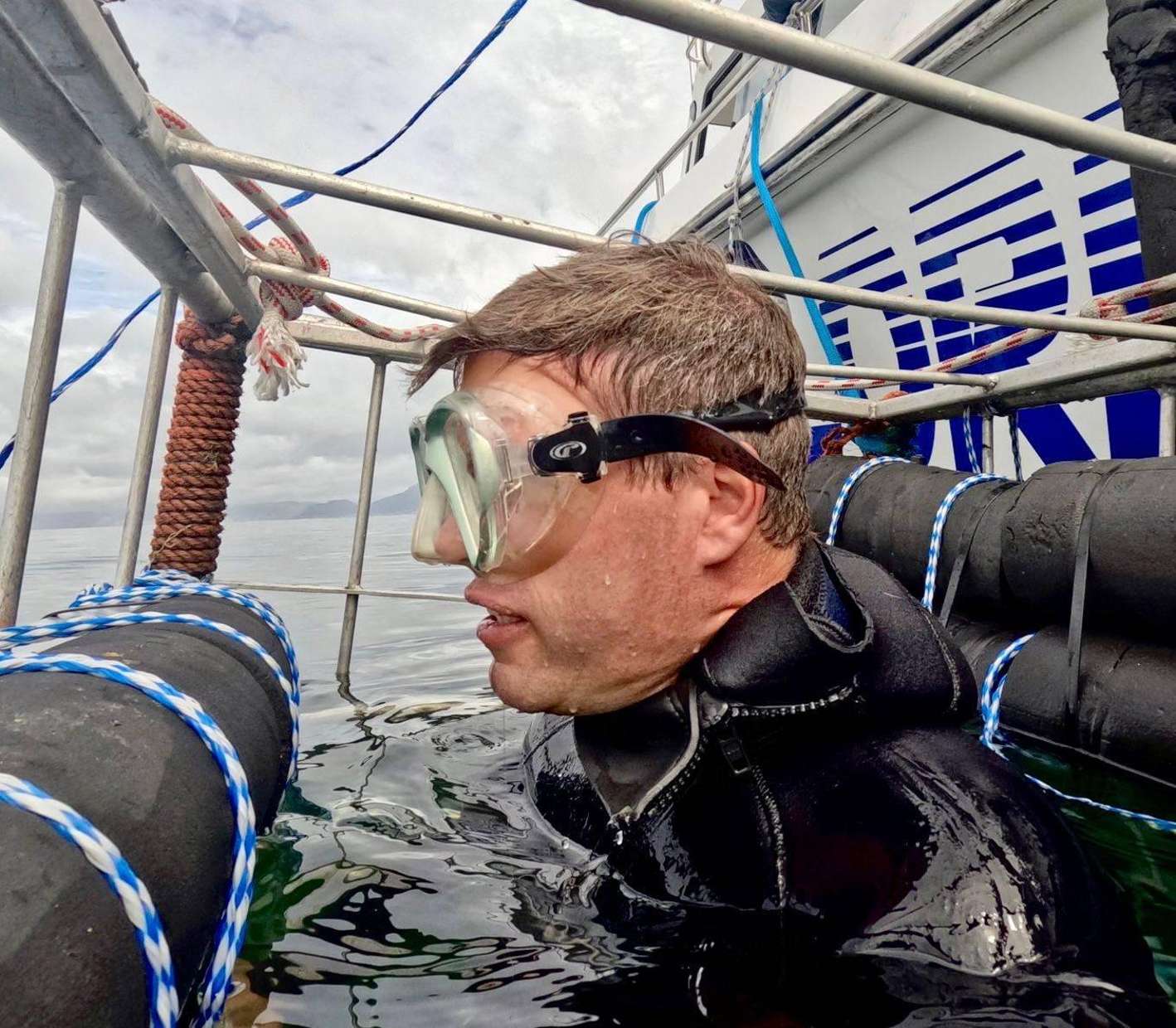
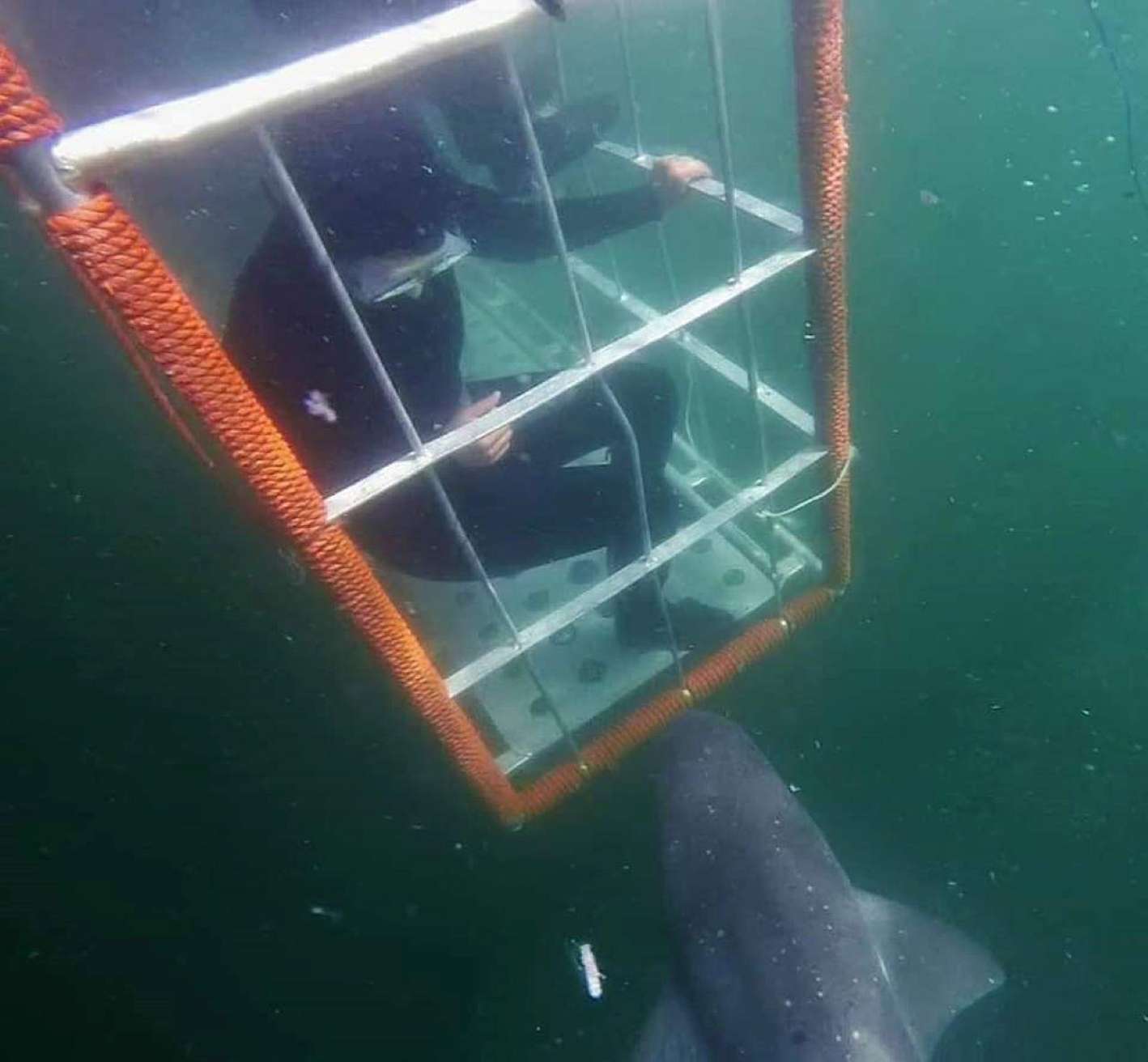
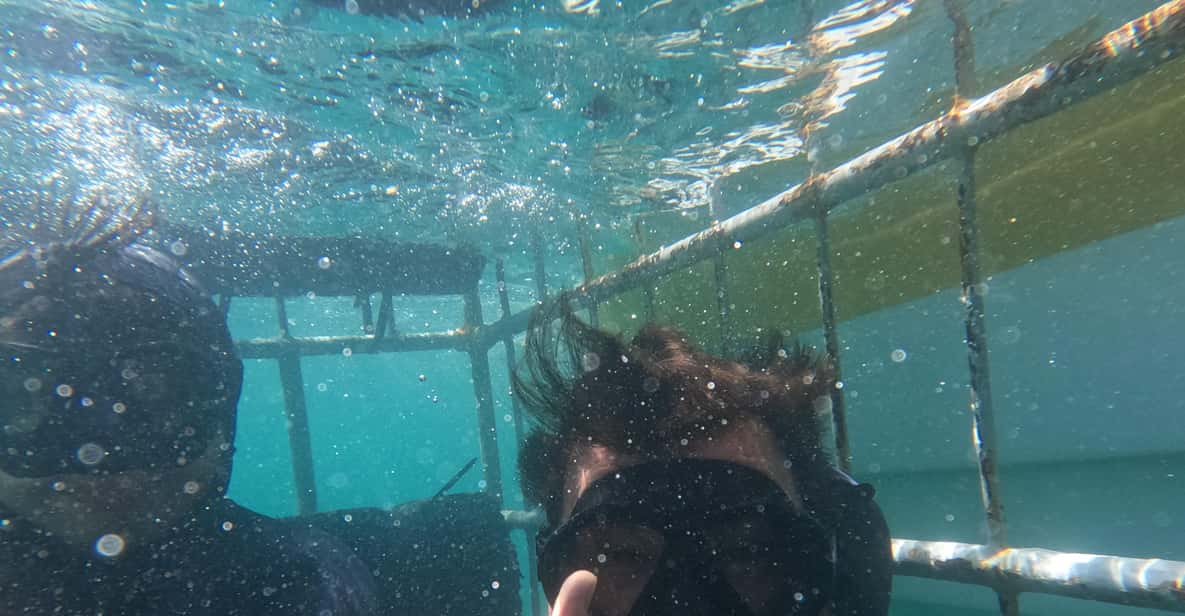
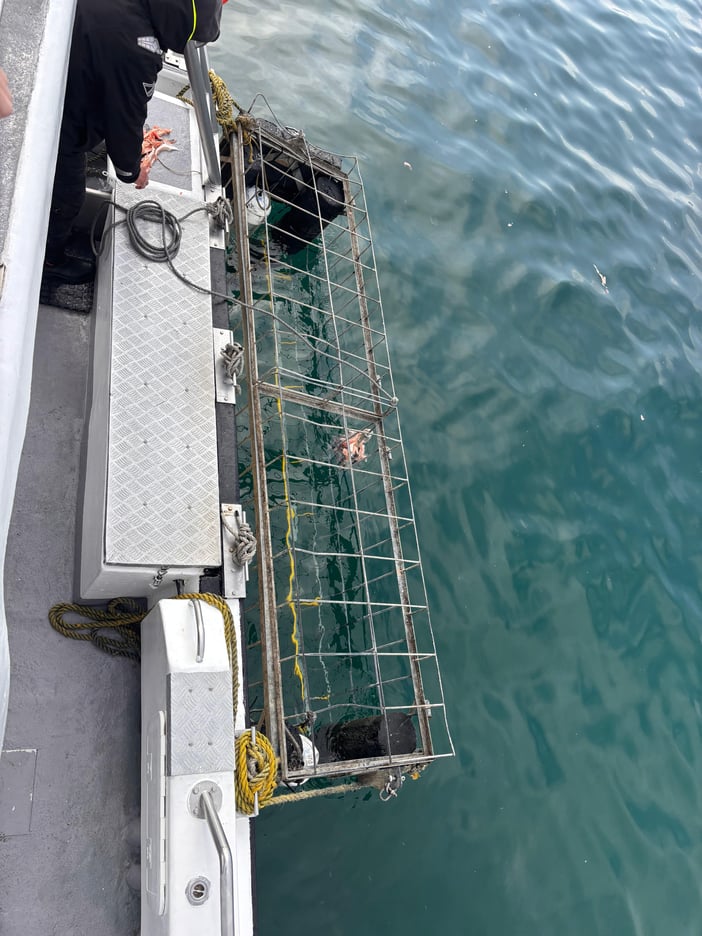
The cage floats at the surface, tied to the side of the boat, and your turn comes with a group of four to six. You slide down the ladder, grip the interior rail and wait.
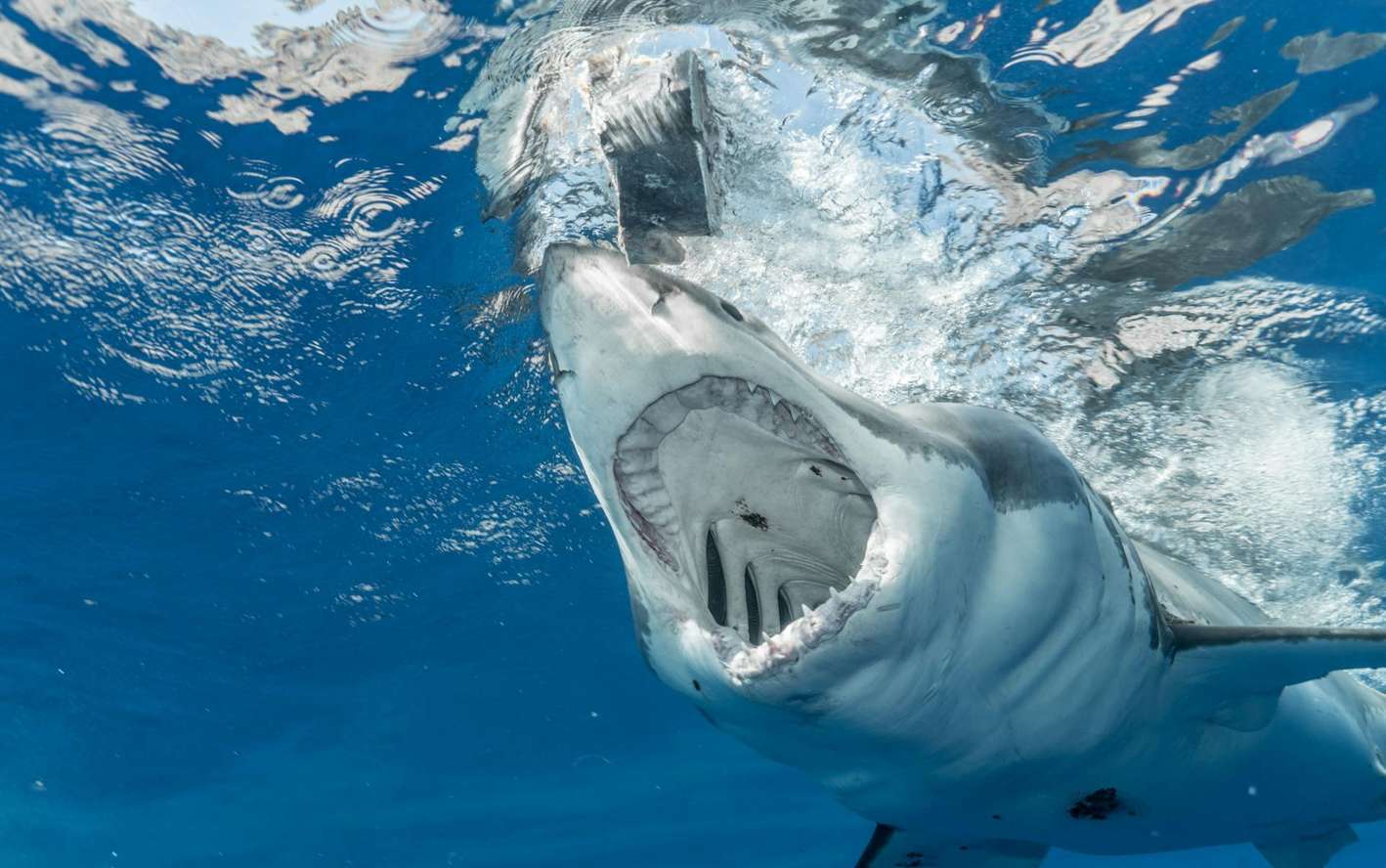
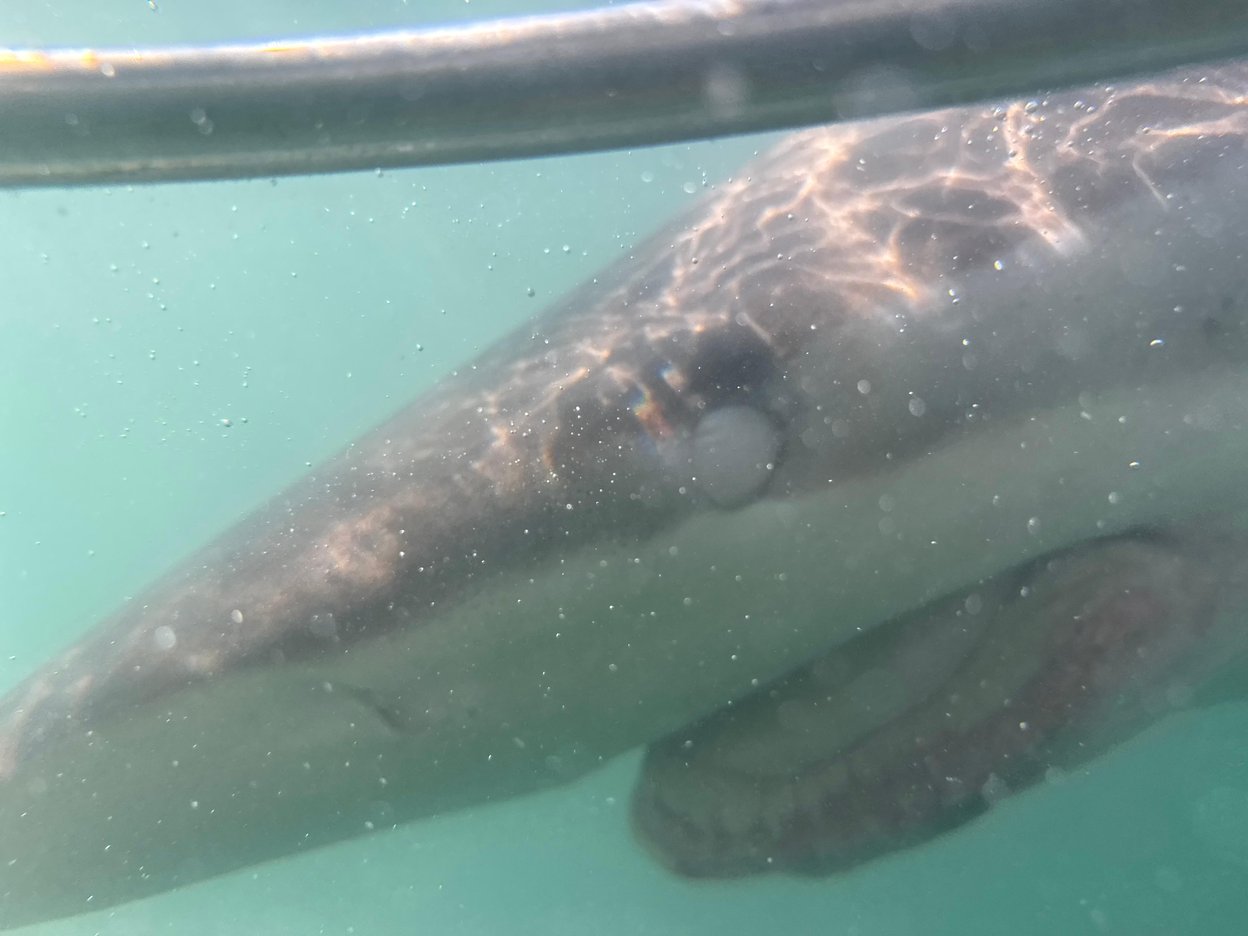
The wait is short. A bronze whaler appears as a grey shape in the murk, then resolves into a body longer than your arm span, gliding past close enough to count the gill slits.
You breathe on the surface, by breath-hold or snorkel, and dip your head as it swings past. Each turn runs 20 to 30 minutes, and most guests get a second go if the sharks stay active.
And the deck holds its own. From the upper deck you see the whole approach, how a shark reads the boat and turns away, which the water hides from anyone inside the cage. Plenty of regulars split the day: one rotation down, the rest of the trip dry and warm above.
Time in the cage and dive rotations
20 to 30 mintime in the cage per turn
1 to 2cage rotations per diver
Two decent turns make a full session for most people. Between rotations the deck is where you warm up, eat and watch the next group climb down with wide eyes.
No PADI card, no logbook, no course. South African surface cage diving runs on breath-hold or snorkel, and a few boats feed air from the surface through a line, so certification never enters the equation. The wetsuit does the hard work; you just hold your head at the waterline.
What matters is comfort in moving water. The cage sits in open ocean, and when a swell pulls at the boat it pulls at you too.
Total beginners go into these cages every week; the person who panics is usually the one with no feel for choppy water at all. If the ocean terrifies you, the deck seat is a fine day out and nobody on board will push you over the rail.
The physical demand is small, too. You stay put for the whole dive, and the only real test of the body is climbing back up the ladder while the boat rises and falls.
What nobody tells you
The cage floor is there to use
You can stand or kneel on it, with your body braced against the swell
Nobody swims anywhere
You stay stationary from ladder to ladder; strength has nothing to do with it
Why most dives end
Cold, and you climb out the moment you want to, which the crew expects
All three points add up to the same thing: the cage asks far less of your body than people assume before they book.
Tour for this
From Hermanus: Cruise with Shark Cage Dive and Lunch4.2★ (190) · 1 day · Free cancellation
The briefing comes before breakfast is finished, and it is worth listening to, because the rules behind it are unusually strict.
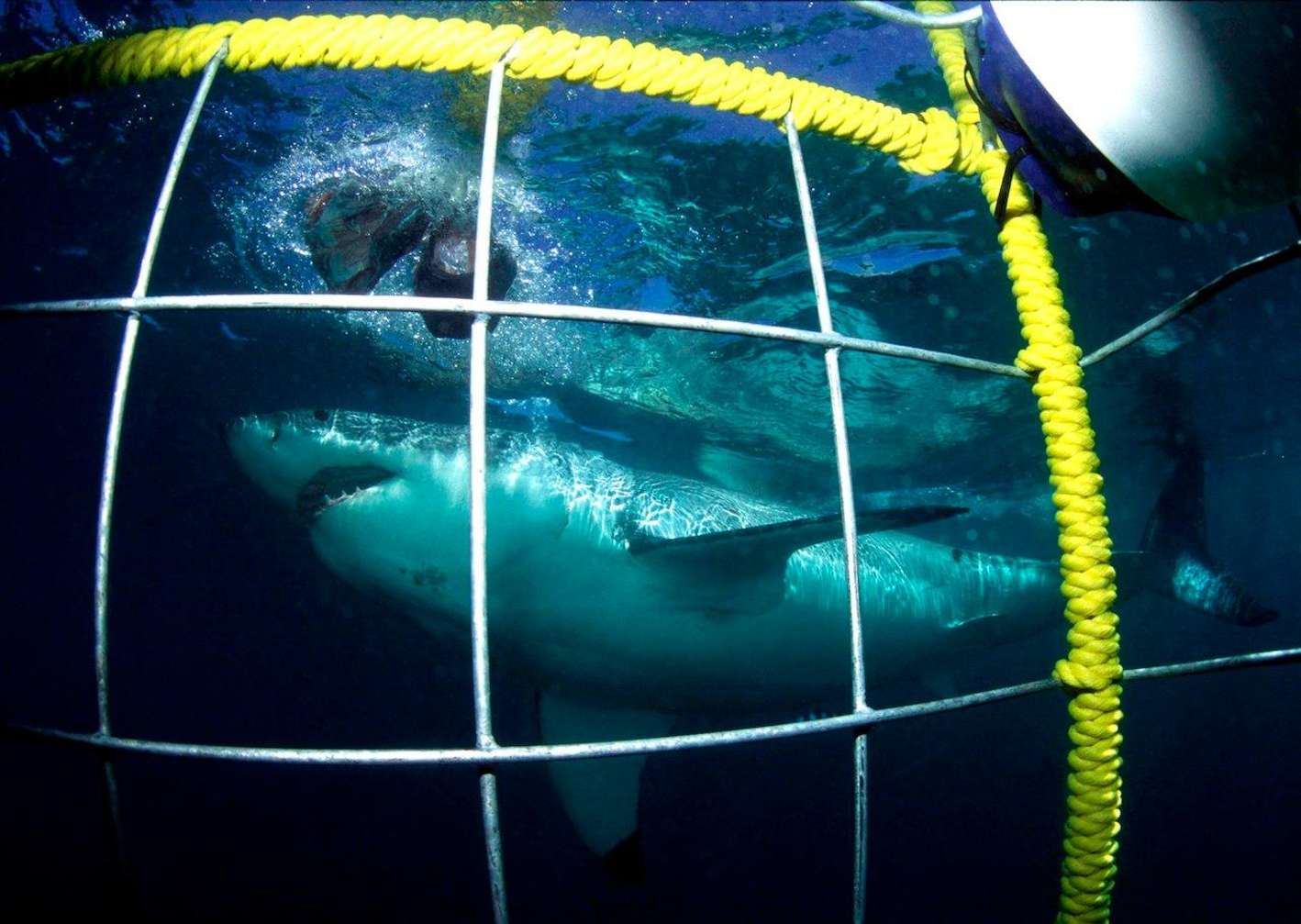
Every cage in the country must be certified by a registered engineer, built from steel or aluminium with no sharp edges, and every boat and cage must carry a SAMSA safety certificate. One cage per boat, by regulation, with the crew counting heads between rotations.
The design details matter more than any sales pitch. Viewing openings stay under a set height so a shark cannot enter, handrails are welded inside so your hands stay in, and bait lines run well clear of the cage so nothing gets pulled towards you.
Divers who reach outside the bars are pulled out of the water, full stop.
Two incidents do get retold. A great white pushed through cage bars off South Africa in 2005, and in 2013 a shark got its head inside a Gansbaai cage.
Both ended with the diver back on the boat, and both came down to gear and procedure at the time. The commercial record against shark attacks is spotless, and the accidents recorded on these trips involved boats and gear.
Is cage diving ethical, or do they feed the sharks?
The first thing you notice at the anchor point is what the crew does not do. A scent slick of fish oil and offcuts trails downwind, and a bait line works the water, but when a shark comes alongside, the bait is pulled away, never given.
South African law bans feeding sharks on these trips, and touching or interfering with one can cost an operator its permit. The number of permits is capped, which is why the boats you book by name are the ones holding them.
Does the chum change the sharks? A 14-year study in Gansbaai found no sign that cage diving operations altered white shark behaviour or tied them to the site. Research off Cape Town has found no link between the boats and higher risk to swimmers inshore.
A traveler's note
10/10. Nina, Jason and Ernest were welcoming and reassuring, answering all our shark questions. Saw 10-12 sharks plus rarer 7 gills, and they shared our excitement. Lindy was super responsive beforehand. Highly recommend!
Choosing between Gansbaai, False Bay and Mossel Bay
The choice comes down to drive time against species odds. Simon's Town sits 45 minutes from Cape Town city centre, which makes False Bay the easy half-day, and its water holds bronze whalers and sevengills, with penguins at Boulders Beach thrown in.
One tour there, the Cape Town: Shark Cage Dive, runs about three hours with the cage fixed to the boat just above the surface.
Gansbaai asks 2.5 hours each way but repays it with the deepest pool of operators, the Dyer Island seal colony and Shark Alley, the channel where sharks have always come to hunt seals. Mossel Bay, four hours east, currently holds the country's best great white odds, which is where the hopefuls point the car.
Three launch sites side by side
Gansbaai
False Bay
Mossel Bay
Drive from Cape Town
about 2.5 hours each way
about 45 minutes
about 4 hours
Sharks you see
bronze whalers and sevengills, great whites seasonal
bronze whalers and sevengills
the best great white odds, plus bronze whalers
The extra
Shark Alley and the seal colony
the shortest day out of the city
the drive itself
Gansbaai
Drive from Cape Town
about 2.5 hours each way
Sharks you see
bronze whalers and sevengills, great whites seasonal
The extra
Shark Alley and the seal colony
False Bay
Drive from Cape Town
about 45 minutes
Sharks you see
bronze whalers and sevengills
The extra
the shortest day out of the city
Mossel Bay
Drive from Cape Town
about 4 hours
Sharks you see
the best great white odds, plus bronze whalers
The extra
the drive itself
If False Bay is your pick, the Cape Town: Shark Cage Dive includes wetsuits, mask and snorkel, snacks on board and a crew that treats the trip like a game drive, though it needs at least five guests to sail.
The year splits cleanly. From May to September the water runs clearest, at a mild 15 to 20°C near shore, and the great whites historically peak. The price of that clarity is swell: winter waves average over three metres, and winter months cancel far more launches than summer ones.
From October to April the sea flattens out and the cancellations drop, but the southeasterly wind stirs the water and visibility falls to a few metres. That is bronze whaler season, and the crowds arrive too, with October and November the busiest months on the water.
Clear water or calm sea, pick one. A diver who wants the best view through the cage bars takes a winter date and a flexible schedule; a diver who wants the smoothest boat ride takes late summer and accepts murk.
Either way, book the earliest day of your stay so a washed-out launch has somewhere to move.
Shark diving conditions by month in Western Cape
October is very busy as summer crowds arrive, with bronze whaler sharks frequenting warmer surface waters.
HighestJan, Mar, Oct to Nov
In betweenFeb, Apr, Sep, Dec
LowestMay to Aug
Darker: a higher how busy it gets score, out of 5
Tap a month to read it.
June brings the quietest crowds and superior underwater visibility, with great white shark activity peaking around seal colonies.
HighestMar, Jun, Aug, Oct, Dec12 to 15 times seen
In betweenJul, Sep9 to 10 times seen
LowestJan to Feb, Apr to May, Nov3 to 6 times seen
Darker months: higher, from 3 to 15 times seen
Tap a month to read it.
October is very busy as summer crowds arrive, with bronze whaler sharks frequenting warmer surface waters.
HighestAug, Oct to Nov13 to 17 times seen
In betweenMar, May, Sep, Dec7 to 10 times seen
LowestJan to Feb, Apr, Jun to Jul1 to 6 times seen
Darker months: higher, from 1 to 17 times seen
Tap a month to read it.
July is a quiet winter month with optimal water clarity and warmer water temperatures, though sea swells are at their highest.
HighestJun to Sep3.3 to 3.7 m
In betweenMay3.1 m
LowestOct to Apr2.3 to 2.7 m
Darker months: higher, from 2.3 to 3.7 m
Tap a month to read it.
June: 5 out of 5 for water temperature. Winter brings 15°C to 20°C water temperatures and clear underwater visibility.
HighestMay to Sep
LowestOct to Apr
Darker: a higher water temperature score, out of 5
Driving yourself or taking the transfer from Cape Town
Gansbaai has no train and no direct bus, so the pre-dawn maths is unavoidable. Self-drive covers the 163 km in about 2 hours 45 minutes without traffic, east along the N2 over Sir Lowry's Pass, then the R43 past Hermanus and Stanford.
The road is sealed and in good shape the whole way, and Hermanus and Stanford make the natural coffee and fuel stops.
The transfer option starts earlier than you think. Pickups from Cape Town run from as early as 3:30 am to catch the morning launches, which turns the day into five or six hours of driving before the cage is even wet.
That is the argument for a night in Gansbaai instead, sleeping 20 minutes from the slipway.
Direct transfer from Cape Town accommodationsSee the tour →
2 hr 30 minHotel pickup
Train
No direct train service to Gansbaai
—Not possible
For most first-timers the transfer wins, and the Cape Town: Gansbaai Eco-Friendly Shark Cage Diving Cruise handles the whole run door to door, with breakfast at the base in Kleinbaai, a marine biologist briefing before the boat, and a stop at the African Penguin and Seabird Sanctuary on the way back.
The alarm goes off in the dark, the van rolls out of Cape Town while the city still sleeps, and Kleinbaai harbour appears around first light. Breakfast is waiting, the marine biologist runs the safety briefing, and wetsuits go on before the boat clears the slipway.
Morning is not a preference here, it is tactics. Winds build through the day along this coast, so the first launch gets the calmest sea and the clearest water, and the fewest cancellations land on the early boats.
At the anchorage the crew sets the scent line, and the waiting begins, tea in hand. When the first dorsal fin cuts the surface, everyone moves at once, cameras up, and the rotations start, four or five divers at a time.
Between turns there are snacks, fruit and hot drinks, and seals hauling out on the rocks nearby. Back ashore, the ritual everyone mentions: hot showers, dry towels and soup with bread before the drive home.
How the day unfolds
1
Pre-dawn
Hotel pickup in Cape Town
collection times confirmed the afternoon before
2
Arrival
Breakfast and safety briefing
the marine biologist walks through the cage and the sea
3
Launch
First boats out of Kleinbaai
morning seas are the calmest of the day
4
At anchor
Cage rotations begin
groups of four to six, 20 to 30 minutes each
5
Return
Shower, soup and bread at the lodge
then the drive back to the city
Nothing on that list needs arranging in advance except the pickup time, which lands in your messages the afternoon before.
The bag stays light because the boat carries the gear. Wetsuits in every size, hoods, booties and masks come with every trip, thick enough for water that hovers near 16°C, so your contribution is a swimsuit worn under your clothes and a dry change for after.
On deck you want a warm windproof jacket, sensible shoes, sunscreen and a hat; two to four hours at sea bites even on a sunny day.
The seasickness question decides more trips than the sharks do. The swell at the anchorage can be heavy, and a pill swallowed after the first wave has already lost. Take medication the night before and again about an hour before sailing, eat a light, bland breakfast, and skip anything greasy or acidic.
If you still turn green at anchor, the crew will move you to a better seat, and nobody will pressure you into the water; a dive can be called off at any time, for any reason.
RecommendedThe one routine that saves the day: Pro-tip Swim suit on under your clothes, meds the night before and an hour before boarding, bland breakfast, warm jacket in the bag
Pack the night before as well; a pickup in the small hours leaves no time for hunting a missing jacket.
The skipper makes the sea call, and it comes down the afternoon before, once the marine forecast is in. Strong wind and heavy swell cancel trips even under blue skies, which is why exact times stay unconfirmed until the day prior and a wise booking sits early in the trip.
When a launch is washed out, the terms are straightforward: a full refund or a new date, whichever suits you. One caveat is worth knowing before you book a transfer package, because if the wind stops the boat after you have already reached Gansbaai, transport costs stay payable, though the rescheduled day itself costs nothing.
A quiet sea with no sharks is handled differently by each operator. One hands out a return voucher or a free place on another day, another simply invites you back at no charge, and some count a shark seen from the deck as a successful trip.
Read the card before you book, so the exit ramp is the one you want.
What each operator's terms give you
If this happens
What happens then
Weather cancels the launch
a full refund or a new date, your choice
Wind stops the boat after you arrive in Gansbaai
the trip is rescheduled free, but transport costs are not refunded
No sharks appear all trip
a return voucher or a free place on another day, depending on the operator
You want to change the day
cancellations up to 24 hours ahead are refunded
Check which policy your tour carries before you pay, because the difference shows up only on the day it matters.
Stony Point in Betty's Bay sits 93 minutes from Cape Town, a breeding colony of African penguins with none of Boulders Beach's crowds, and from there the coast road runs another hour to Hermanus, where cliff paths hang over Walker Bay and, in season, southern right whales blow just offshore.
Gansbaai lies another 50 minutes on.
In winter the combination goes further than a roadside stop.
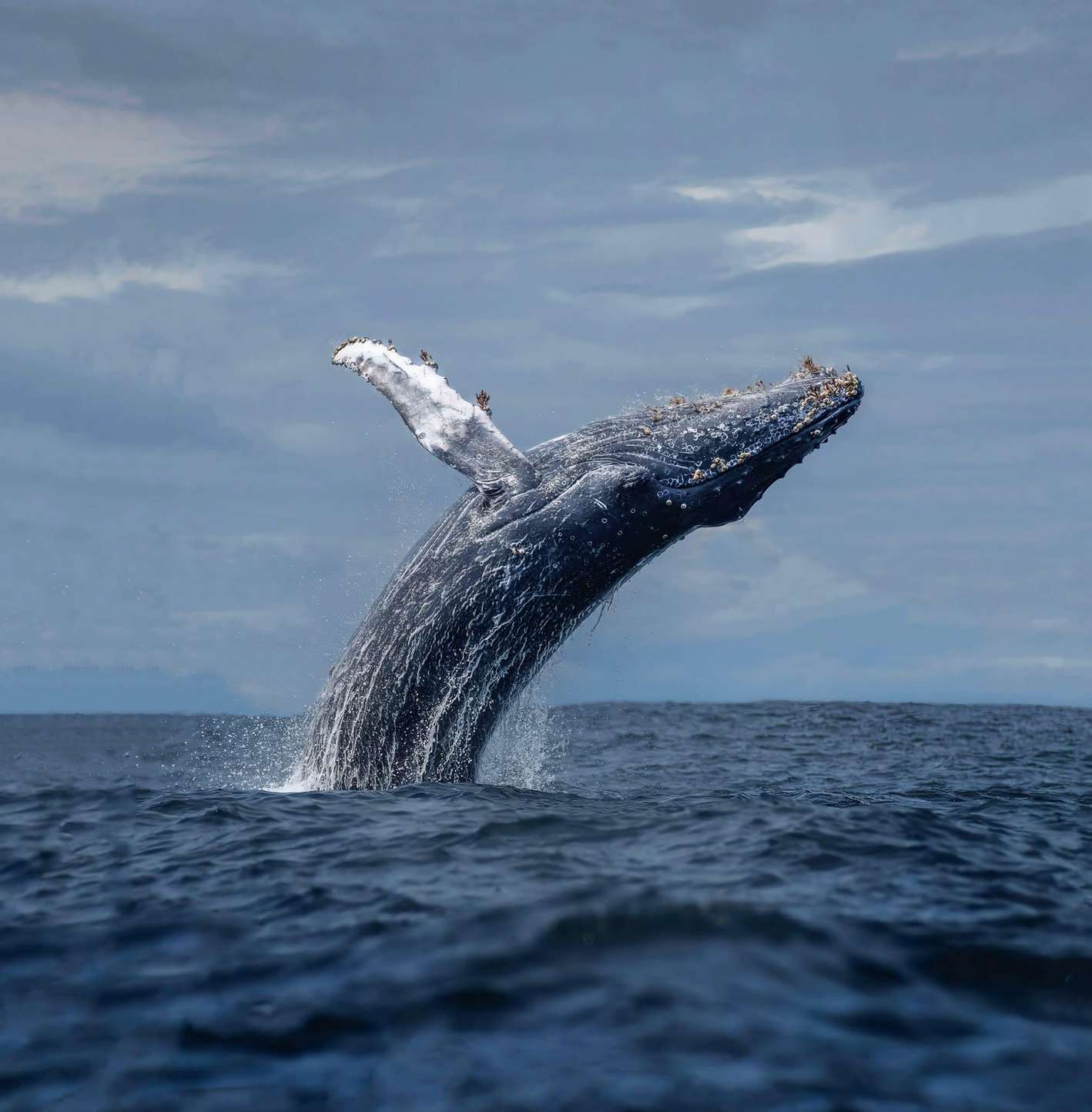
From mid-June to mid-November, full-day tours pair the cage in Gansbaai with boat-based whale watching in Hermanus, and August and September give the strongest overlap, with whale sightings at their peak while the dive boats still run at moderate loads. One day, two of the ocean's heavyweights.
Closer to the harbour, the afternoon after the dive has its own small haul: the lighthouse at Danger Point and the quiet bays around the peninsula, all within a short drive of Kleinbaai.
A real encounter with large wild sharks, close enough to touch if the rules allowed it, is still on the table in South Africa.
Just book it knowing which species leads the day, pick Gansbaai for depth, False Bay for convenience, Mossel Bay for the great white chance, and take the earliest date of your stay.
The one traveller who should think twice is the one for whom anything less than a great white ruins the day.
Go ifYou want close contact with big sharks and accept bronze whalers as the starYou have a flexible day early in your trip, so a washed-out launch can be movedYou are travelling between June and September and want the clearest water
Skip ifOnly a guaranteed great white justifies the day for youYou cannot handle swell and will not take seasickness medicationYour schedule allows exactly one day with no room to reschedule
Our pick to book
CAPCape Town City Centre
GANGans Bay
Length4.5 - 8 hours
At Gans Bay4 h 15 min
PickupHotel pickup
Rating4.7★
From Hermanus or Cape Town: Shark Cage Diving Experience$133/personCheck availability →Free cancellation
Quick answers to what people ask before they book a cage dive in South Africa.
Cape Town2026
The deck is where the day happens: soup and bread after your turn in the cage, and bronze whalers sliding past the boat. Pick a date with a morning launch and book ahead, since seas are calmest early.
Do you need a scuba certification to go shark cage diving?
No. Every South African cage dive runs at the surface, so you hold your breath on cue or use a snorkel when a shark passes. A few boats also run a hookah line that feeds air from the surface. No certification or dive experience is required anywhere.
How does shark cage diving work?
The boat anchors at a permitted dive site, the crew lowers a certified steel cage that floats at the waterline, and a scent trail of fish chum draws sharks close.
You climb in from the deck in small groups and hold the internal handrails while sharks cruise past. Rotations run about 20 to 30 minutes per group.
Are there great white sharks in Gansbaai?
They appear, but rarely. Sightings have dropped sharply since orcas began preying on white sharks, and in 2025 operators in Gansbaai recorded their first full year without a single sighting in over 30 years. Bronze whaler sharks, also called copper sharks, are the species you will most likely see from the cage.
How many great white shark sightings happen in Cape Town for cage diving?
Very few, and none can be promised. False Bay sightings stayed near zero through 2024 and 2025, with one shark reported there in September 2026, the first in about eight years.
Book your tour for the sharks that are actually there, bronze whalers and sevengills, and treat a white shark as a bonus if one shows.
Is shark cage diving safe?
Commercial operators have a perfect record against shark attacks. By law, vessels and cages must be certified safe by the South African Maritime Safety Authority, cages are built from steel with no sharp edges, and only one cage may run per boat.
The main physical demand is getting down the ladder into the cage and back in a swell.
Is shark cage diving cruel to the sharks?
Feeding sharks is banned by law. Operators draw them in with a fish-based scent trail and pull the bait away as they approach, so the animals stay completely wild. Studies in Gansbaai found cage diving tourism has little detectable effect on white shark diet, condition, or migration.
Can you see the sharks if you stay on the boat?
Yes. The deck gives you a clear, dry view of every shark that comes to the boat, and some people find it easier to watch them appear and vanish from above the surface.
Guests who prefer to stay out of the water are welcome on every trip, so you can decide once you are out there.
What sharks will you actually see in the cage?
Bronze whaler sharks are the most common sighting on Western Cape tours, often in groups of 10 to 20 in False Bay during summer. Sevengill cow sharks and seals show up regularly too, along with dolphins and penguins. Most southern cage dives feature bronze whalers these days.
How cold is the water, and what should you bring?
Expect 12°C to 20°C depending on the season, so a thick suit matters. Operators supply 5 mm or 7 mm full wetsuits, booties, masks, and hoods, so you only need a swimsuit to wear underneath, a warm jacket and beanie for the deck, sunscreen, and seasickness tablets taken before you board.
How far is the drive from Cape Town, and should you stay overnight?
Gansbaai sits about 2.5 hours from the city, and transfers leave as early as 3:30 am to catch the morning launch. Simon's Town in False Bay is much closer, around 45 minutes. Staying overnight near Gansbaai spares you the pre-dawn start, while a transfer tour keeps your accommodation plans unchanged.
What happens if the weather cancels your trip or no sharks show up?
The skipper judges the sea the day before, and a weather cancellation brings a full refund or a new date. Tours can be cancelled up to 24 hours ahead for a full refund too.
When no sharks appear, some operators give a free return dive or a voucher to rebook, so ask which policy applies when you choose a date.
When is the best time to go for clear water and shark sightings?
May to September brings the clearest water, often 3 to 10 metres or more, and historically the peak of great white activity, though winter swells cancel more trips. October to April has calmer seas but murkier water around 2 metres, with bronze whalers as the main sighting.
Your Gansbaai cage dive - breakfast, briefing and sharks
second dive often on offer, and hot soup waits back at the lodge
Pick your date, meet the marine biologist over breakfast, and hold your breath as a bronze whaler glides past the cage. No diving experience needed, hotel pickup from Cape Town available, and free cancellation up to 24 hours before.
 Your best match